Aging has a strange timing. It doesn’t announce itself, it doesn’t send a message in advance. Just one day you notice that your skin needs more attention than before. That the cream that has been doing the job for years now somehow… doesn’t work. Or that, despite the same routine, your body behaves differently.
If you’ve ever wondered, “Is it just me, or is something really changing?” It’s not you.
As women age, the body goes through a series of changes that are quiet but persistent. Hormones change, metabolism slows down, skin loses moisture and elasticity, and even body odor may differ from what you are used to.
Now, you ask, “What can I do?”
How the Body Changes With Age
The changes don’t come all at once, and they don’t look the same for every woman. Some first experience dry skin, others increased sweating, and still others feel that the body “reacts differently” to the same products.
The reason? Hormonal changes that affect the work of sebaceous and sweat glands.
With age, the skin produces less natural oils, becomes thinner and more sensitive. At the same time, the composition of fatty acids on its surface also changes. That may sound technical, but in practice it means one thing: female body odor changes with age.
Why Does Body Odor Change?
Body odor is not a sign of poor hygiene. It occurs when sweat mixes with bacteria on the skin, and this process changes as we age.
Research has shown that the presence of a compound called 2-nonenal, which is formed by the oxidation of fatty acids on the skin, increases with age. This compound has a specific smell and is considered one of the main reasons why body odor changes in adulthood.
Skin Care That Keeps Up With Your Age
This is the moment when we stop fighting the skin and start cooperating with it. Instead of looking for products that promise miracles, the focus shifts to what the skin really needs.
Less Aggression, More Support
Mature skin is less able to tolerate strong ingredients and frequent treatments. If you overdo it, she will quickly show it to you through redness, flaking or discomfort.
Better choices are:
- Mild sulfate-free cleaners
- Creams with ceramides and glycerin
- Moderate use of active ingredients such as retinol
According to the recommendations of the National Institute on Aging, regular hydration and protection of the skin barrier are the basis of mature skin care.
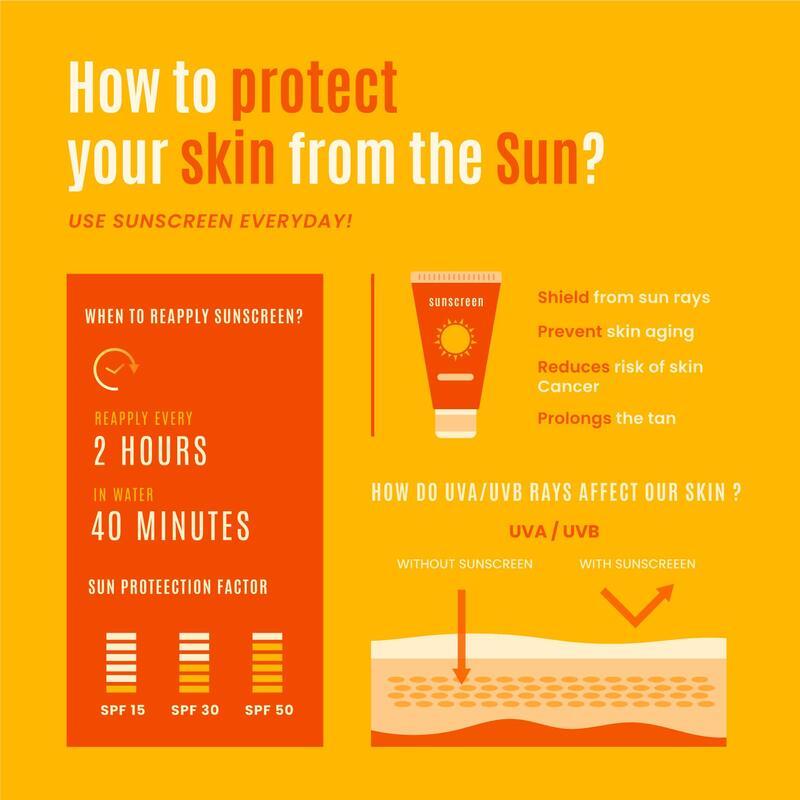
SPF Is a Must!
SPF is one of those things that we all know is important, but we often skip it as soon as it gets cold or we haven’t been outside all day. The problem is that the sun does not take a break, and the skin in mature years has a much harder time “repairing the damage” than before.
UV rays affect the breakdown of collagen, the appearance of spots, and the loss of skin elasticity. If you notice that pigmentation is fading more slowly or that your skin looks more tired than before, it’s very possible that the sun has more to do with it than you think. SPF doesn’t just prevent sunburn—it helps skin age more slowly and maintain an even appearance.
Body Care
When it comes to body care, we often think that it needs to be “stronger”. In reality, in older years the opposite rule applies—gentler is better.
How to Choose Shower Products
Too aggressive soaps can remove natural oils from the skin and further disturb its balance. This can lead to dryness, irritations and more pronounced body odor.
Pay attention to:
- pH-neutral products
- Formulas without strong fragrances
- Products intended for sensitive skin
Deodorant or Antiperspirant?
There is no universal answer. It all depends on what the bigger problem is for you at the moment.
- If you sweat more, antiperspirant can help
- If the smell is more pronounced, a deodorant that neutralizes the smell is a better choice
Understanding why female body odor changes with age helps you choose products consciously, rather than by trial and error.
Care From the Inside Is Visible From the Outside
This part is often overlooked, but it has a big impact. The way you eat and how much liquid you take in directly affects the condition of your skin and body odor.
Insufficient hydration can:
- Increase skin dryness
- Make the smell of sweat more pronounced
- Slow down skin regeneration
You don’t have to change everything at once. It is enough to pay attention to the signals your body sends.
A Final Thought
Aging is not something to be fixed, hidden or ignored. It is a process in which the body changes the rules of the game. When you accept them and adjust your routine, care becomes simple again.
Changes in skin and smell are not a sign of weakness but a sign of experience. With a little understanding and smart choices, you can feel good about your body—now and as you age.