We spend so much time chasing big moments. The holidays. The promotions. The milestone birthdays. But genuine contentment rarely arrives in grand gestures. It sneaks in through small pleasures we often overlook.
A warm drink on a cold morning. Soft textures against skin. The satisfaction of making something with your own hands. These tiny experiences add up to something meaningful when we pay attention to them.
This isn’t about spending lots of money or overhauling your entire lifestyle. It’s about noticing what already brings comfort and leaning into those moments more intentionally.
Let’s explore some simple ways to add warmth and pleasure to ordinary days.
The Joy of Making Things By Hand
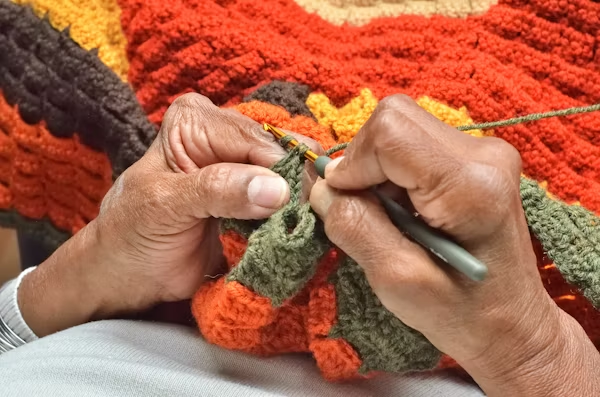
There’s something deeply satisfying about creating rather than consuming. In a world where everything arrives in two days via online shopping, the act of making something yourself feels almost rebellious.
Handmade items carry meaning that purchased goods simply cannot match. A knitted blanket holds hours of quiet concentration. A hand sewn cushion cover represents problem solving and patience. These objects tell stories.
Crafting also forces us to slow down. You cannot rush a knitting project or speed through hand stitching. The process demands presence, and that presence becomes its own reward.
Many people discover crafting later in life, assuming it’s only for grandmothers or particularly patient types. But crafting communities have exploded in recent times, attracting people of all ages seeking analog activities in an increasingly digital world.
Starting a new craft feels intimidating. All those supplies. All those techniques to learn. The fear of wasting materials on inevitable beginner mistakes.
Here’s the secret: mistakes are part of the process. Every skilled crafter has a drawer full of wonky first attempts and abandoned projects. Perfection isn’t the goal. Doing is the goal.
If you’re drawn to soft crafts, knitting and crochet offer accessible entry points. The supplies are minimal. Tutorials abound online. And the results are genuinely useful.
For projects involving little ones, quality materials make a genuine difference. When sourcing baby yarn in Australia, look for softness that won’t irritate delicate skin and fibres that hold up through countless washes. Babies are tough on textiles, so durability matters as much as aesthetics.
The satisfaction of wrapping a newborn in something you made yourself? That feeling doesn’t compare to anything store bought, no matter how expensive.
Finding Comfort in Small Details
Comfort lives in details we barely notice until they’re absent. The weight of a good blanket. The fit of well made slippers. The temperature of a room that’s just right.
Paying attention to these small elements transforms daily experience without requiring dramatic changes.
Take getting dressed each morning. For most people, it’s a functional task completed on autopilot. Grab whatever’s clean. Pull it on. Move on with the day.
But what if getting dressed felt like a small pleasure instead of a chore?
This doesn’t mean expensive wardrobes or following trends. It means choosing items that genuinely feel good against your body and bring a spark of joy when you reach for them.
Textures matter enormously here. The softness of well worn cotton. The warmth of quality wool. The slight compression of clothes that fit properly rather than hanging shapelessly.
Colours play a role too. Wearing shades that complement your natural colouring lifts your mood in subtle but real ways. There’s a reason people feel different in a flattering outfit versus one that washes them out.
Even small items like socks make a surprising difference. Most people grab whatever’s in the drawer without thought. But slipping on a pair of bright coloured socks adds an unexpected moment of pleasure to an otherwise mundane routine. It’s a tiny rebellion against boring practicality that nobody sees but you know is there.
These small upgrades to daily routines cost little but shift your baseline experience upward. Suddenly getting dressed becomes something you almost enjoy rather than simply tolerate.

Creating Rituals That Ground You
Humans are ritual creatures. We find comfort in repetition and meaning in routine. But modern life often strips away ritual in favour of efficiency.
Think about meals. How often do you eat standing at the kitchen counter scrolling through your phone? Compare that to sitting at a properly set table, eating slowly, actually tasting your food.
Same nutrition. A completely different experience.
Building small rituals into your day creates anchors of intentionality. They remind you to be present rather than constantly rushing toward the next task.
Morning rituals work particularly well. The first hour of your day sets the tone for everything that follows. Rushing through it in a panic versus moving through it with purpose creates vastly different mental states.
This doesn’t require waking at dawn for elaborate routines. It might mean making your coffee mindfully instead of absent mindedly. Spending five minutes stretching before reaching for your phone. Sitting quietly with your thoughts before the demands of the day take over.
Evening rituals help transition from productivity to rest. A warm bath. A chapter of a good book. A few minutes spent tidying so tomorrow starts fresh. These signals tell your nervous system it’s time to wind down.
Seasonal rituals connect us to natural cycles that modern indoor life often obscures. Marking the shift from warm to cool weather with intentional activities creates a sense of time passing meaningfully rather than days blurring together indistinguishably.
As temperatures drop, moving activities outdoors might seem counterintuitive. But there’s deep pleasure in embracing cooler weather rather than hiding from it.
A gathering around flames satisfies something primal in us. The dance of firelight. The crackle and pop of burning wood. The warmth on your face while cool air touches your back.
If you have outdoor space, even a small courtyard, consider how you might extend its usefulness into cooler months. Shop outdoor fire pits and you’ll discover options for virtually every space and budget. From compact tabletop versions perfect for balconies to substantial centrepieces for larger yards, there’s something to suit most situations.
The ritual of gathering around fire connects us to countless generations who did the same. There’s comfort in that continuity.

The Warmth of Genuine Connection
Physical comfort matters. But human connection remains our deepest need. All the soft blankets and cosy fires in the world cannot replace meaningful relationships.
Modern life makes maintaining connections surprisingly difficult. We’re more digitally connected than ever yet lonelier than previous generations. Something got lost in the translation from in person to online.
Reversing this requires intentionality. Relationships don’t maintain themselves. They need tending like gardens.
Small gestures often matter more than grand ones. A text checking in on a friend going through difficulty. An invitation to share a meal. Remembering details from previous conversations and following up.
Physical presence carries weight that video calls cannot replicate. There’s information in sharing space with another person that screens filter out. The energy of someone’s presence. The spontaneous moments that arise. The comfort of companionable silence.
Hosting people in your home builds connections particularly well. Inviting others into your space signals trust and openness. It doesn’t require elaborate dinner parties or spotless presentations. Casual gatherings over simple food often foster deeper conversation than formal events.
Creating a home environment conducive to gathering helps. Comfortable seating arranged for conversation rather than all facing a television. Warm lighting that flatters rather than harsh overhead fixtures. Spaces that feel welcoming rather than precious.
Even the anticipation of social connection lifts mood. Having something to look forward to, whether next week’s coffee date or next month’s dinner party, provides psychological benefit beyond the event itself.
Embracing Slower Living
Speed has become the default setting. Fast food. Fast fashion. Fast replies to messages. We’ve optimised for quickness at the expense of nearly everything else.
Deliberately slowing down feels uncomfortable at first. There’s guilt associated with not being productive every moment. A sense that you’re falling behind somehow.
But what exactly? The mythical finish line where you’ll finally be allowed to relax doesn’t exist. There’s always more to do, more to achieve, more to worry about.
Slow living doesn’t mean doing nothing. It means doing things at a pace that allows for presence and enjoyment rather than rushing through tasks to reach the next one.
Cook a meal from scratch instead of ordering delivery, not because it’s faster or cheaper but because the process itself nourishes you. Read a physical book instead of scrolling through articles, letting yourself get absorbed rather than constantly switching attention.
Walk without earbuds occasionally. Notice your neighbourhood. The changing light through seasons. The gardens people have planted. The architecture you’ve passed hundreds of times without really seeing.
These practices compound over time. Slow living becomes less effortful and more natural. The frantic pace that once felt normal starts feeling jarring.

Gratitude as Practice
Gratitude has become something of a buzzword, often reduced to hollow prompts to list things you’re thankful for. But genuine gratitude practice goes deeper than surface level acknowledgment.
It means actually pausing to feel appreciation rather than just noting it intellectually. The difference matters.
When you drink your morning coffee, do you actually taste it? Do you consider the journey those beans took to reach your cup? The farmers who grew them. The roasters who developed the blend. The circumstances that allow you to afford this daily luxury.
This isn’t about forcing positivity or ignoring genuine problems. It’s about widening your attention to include the good alongside the difficult.
Bad things still happen. Challenges remain challenging. But they exist within a larger context that includes reliable running water, heating that works, people who care about you, and countless other easily forgotten privileges.
Regular gratitude practice literally rewires neural pathways over time. You begin noticing good things more readily without effort. The ratio of pleasant to unpleasant in your experience shifts, not because circumstances changed but because your perception did.
Making Comfort a Priority
Prioritising comfort feels indulgent in a culture that glorifies hustle and sacrifice. But comfort isn’t laziness. It’s the foundation from which meaningful work and genuine contribution flow.
Depleted people have less to give. Chronically stressed individuals make poorer decisions. Running on empty serves nobody, least of all those depending on you.
Treating yourself as someone worth caring for isn’t selfish. It’s practical. The quality of your experience matters, both for its own sake and because it affects everything else you do.
Start small. Notice one area where discomfort has become normalised and address it. Work up from there.
The small comforts add up. A soft throw blanket. Socks that make you smile. Evenings around firelight with people you love. Coffee sipped slowly. Handmade gifts that carry meaning.
None of these things alone transforms life. Together, they create a texture of daily experience that feels genuinely good to inhabit.
That’s not nothing. That’s actually quite a lot.