Started spironolactone and noticing more hair fall? You’re not alone, and it doesn’t always mean the medicine is harming your hair.
Many women take spironolactone to help with hormone-related issues like acne, excess hair growth, or thinning hair.
Seeing extra hair fall can feel scary, especially when it happens after starting a new medicine. Is spironolactone helping or causing the shedding?
Spironolactone is often used in women for hormone-related issues, including female pattern hair loss.
Sometimes shedding happens after starting it, but this is often temporary or caused by something else happening around the same time.
Note: This is general information, not medical advice. Talk to your doctor before starting, stopping, or changing any medicine.
What Is Spironolactone?
Spironolactone is a medication that works in two main ways. It’s a ‘water pill,’ meaning it helps your body release extra fluid.
It also blocks androgens (hormones like testosterone), which can affect the skin and hair follicles.
Dermatologists often prescribe spironolactone “off-label” for issues linked to androgens. This includes hormonal acne, excess facial hair (hirsutism), and female-pattern hair loss.
In simple words, it reduces the hormone signals that can trigger acne and hair thinning in some women.
Benefits of Spironolactone for Women
Spironolactone offers several benefits for women dealing with hormone-related issues. Take a closer look at how it can help with hair, skin, and other androgen-driven symptoms.
1. Potential Hair Benefits
For women with female pattern hair loss, spironolactone may help. Doctors sometimes use it alone or alongside other treatments.
It works by blocking androgens that can shrink hair follicles over time. But keep in mind: changes take time. Hair growth is slow, and results vary from person to person.
2. Skin Benefits
Spironolactone is commonly used for persistent hormonal acne in adult women. If your breakouts pop up around your chin, jawline, or cheeks and seem tied to your cycle, this medication might help.
3. Other Androgen-Related Benefits
Some women have overlapping symptoms like acne, unwanted hair growth, and thinning hair. Spironolactone can address multiple issues at once when androgens are the root cause.
Who Should Take Spironolactone?

Spironolactone isn’t right for everyone. Knowing if you’re a good candidate or if you should avoid it can help you make informed decisions with your doctor.
Who May Be a Good Candidate
Spironolactone may be a good fit for women with signs of androgen-related concerns. This includes hormonal acne, hirsutism, or female pattern hair loss.
It’s also important to commit to a longer timeline. Hair changes take months to show, so patience is key.
Who Should Avoid or Use Caution
Some women should avoid spironolactone or use it only with close medical guidance:
- Pregnant or trying to conceive: The anti-androgen effects can affect fetal development. This is a firm “avoid” situation.
- Kidney issues or high potassium risk: Spironolactone can affect potassium levels, so monitoring may be needed.
If you’re unsure what type of hair loss you have, get a diagnosis first. The right treatment depends on knowing the cause.
When Spironolactone Supports Hair Growth
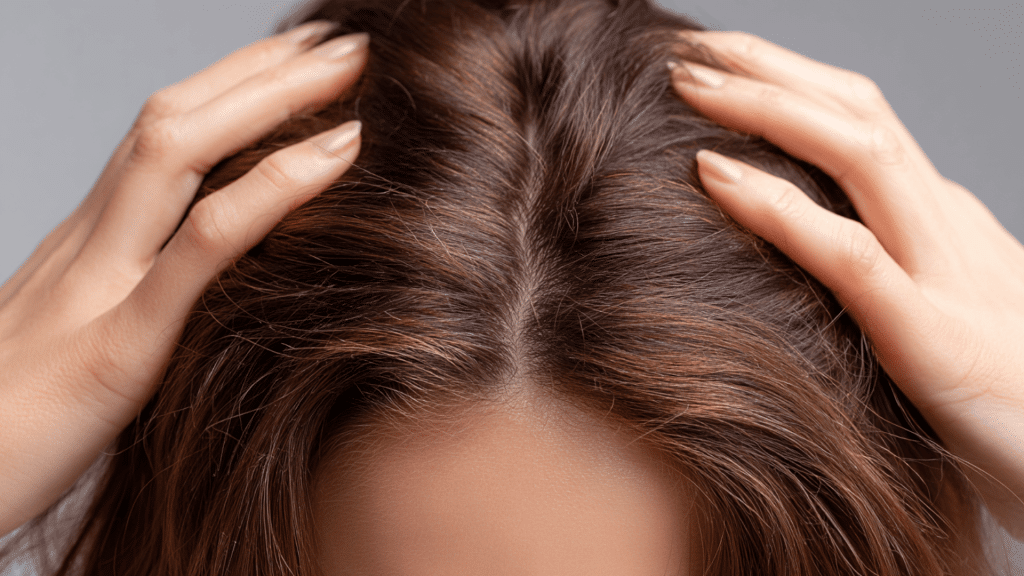
Spironolactone is most helpful for female pattern hair loss (FPHL). This type of hair loss shows up as gradual thinning, a widening part, or less density at the crown.
It usually doesn’t cause bald patches like other conditions. In FPHL, hair follicles become sensitive to androgens and shrink over time, producing thinner and weaker hairs.
Spironolactone works by blocking androgen activity at the follicle level, which can slow down or stop this process.
Evidence suggests spironolactone may help some women with FPHL, but response varies, and research quality is mixed.
Some women see great improvement, while others may need to add other treatments for the best results.
Can Spironolactone Cause Hair Loss?
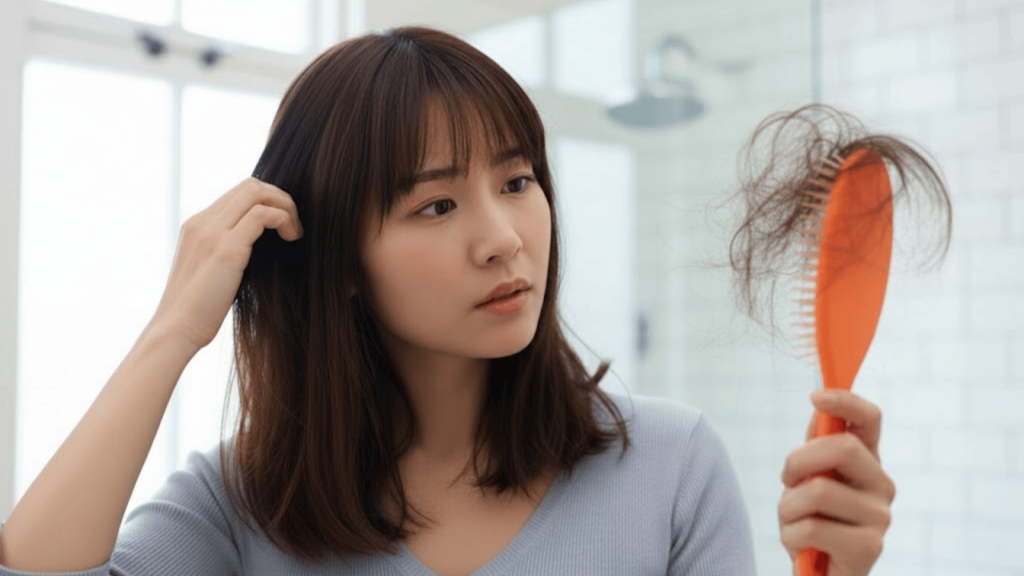
Sometimes it can look like spironolactone is causing hair loss, but it’s not always the actual cause.
First, it helps to know the difference: shedding is a temporary increase in hair fall, while thinning is a slow, ongoing loss of hair density over time.
Some women notice extra shedding after starting spironolactone because the hair cycle can shift, or because another trigger happened around the same time (stress, illness, postpartum changes, or starting/stopping birth control).
In many cases, this shedding improves with time. If hair fall is heavy, lasts for months, or you notice patchy bald spots, talk to your prescriber to recheck the diagnosis and plan.
When You Might See Results
Patience is key when taking spironolactone for hair concerns. This general timeline can help you understand what to expect during your treatment journey.
- Weeks 1–8: If you notice shedding early, it may be temporary or caused by another trigger that happened earlier.
- Months 2–4: If shedding starts later, talk to your prescriber to review dose, triggers, and your diagnosis.
- Months 3–6: Some people notice less shedding and more stable hair.
- Months 6–12: This is the best time to judge results for female pattern hair loss.
Remember, this is a general timeline, not a promise. Everyone’s hair journey is different.
Why Spironolactone May Not Work
Some women are more likely to notice shedding or feel like spironolactone isn’t working. If you’re in a postpartum phase or going through a high-stress period, your hair may shed more than usual.
Stopping or starting hormonal birth control around the same time can also trigger extra hair fall.
Other factors like nutrient deficiencies, thyroid problems, or low iron levels can contribute to hair issues too, so it’s worth checking these with your doctor.
Women with a different type of hair loss, like scarring alopecia or patchy autoimmune conditions, may not see benefits from spironolactone since it targets androgen-related thinning specifically.
Finally, some women haven’t stayed on the medication long enough. Hair takes time, and judging results too early can be misleading.
What to Do If Shedding Gets Worse
Feeling worried about your hair can be stressful. If you think spironolactone is making things worse, take these steps before making any changes.
1. Don’t Quit Suddenly: Talk to the Prescriber
If you’re concerned about your hair, don’t stop spironolactone on your own. Stopping without guidance may not fix shedding and could make acne or hair symptoms return. Instead, reach out to your prescriber.
They can review your situation, adjust your dose if needed, or suggest alternatives. Having a safe plan in place is always better than making changes without guidance.
2. Track Changes for 8–12 Weeks
Keeping a simple record can help you and your doctor understand what’s happening. Take weekly photos using the same lighting and part line each time.
Write down your shedding patterns and note any triggers like stress, illness, or new medications. This information gives your provider a clearer picture and helps them make better recommendations for your care.
3. Ask About the “Complete Plan”
Your doctor can help confirm your diagnosis with an exam or lab work if needed. Ask if additional treatments might help. Minoxidil, for example, is commonly used alongside spironolactone for female pattern hair loss.
A full plan helps because hair shedding often has more than one cause.
4. Red Flags to Seek Prompt Care
Contact your healthcare provider right away if you notice any warning signs. These include patchy bald spots, scalp pain or burning, heavy scaling, or any pregnancy concerns.
These symptoms may indicate a different condition that needs immediate evaluation and a different treatment approach.
Common Side Effects & Safety Tips
Like any medication, spironolactone can cause side effects. These are some common ones women may experience, along with important safety considerations to keep in mind.
- Dizziness: Low blood pressure feelings may occur, especially when standing up quickly.
- Increased urination: This happens due to its diuretic effect on the body.
- Menstrual changes: Irregularities or changes in your cycle are common.
- Breast tenderness: Some women experience tenderness or swelling.
- Potassium levels: Possible changes may require monitoring by your doctor.
- Pregnancy warning: Do not use spironolactone during pregnancy. If you can become pregnant, ask your clinician about reliable birth control while taking it.
Most side effects are mild and manageable. However, always discuss any concerns with your doctor to ensure spironolactone is safe for your specific situation.
Quick Table: Spironolactone and Hair Loss
Not sure what your hair changes mean while taking spironolactone? This quick reference table can help you understand common experiences and what they might indicate.
| What You’re Experiencing | What It Might Mean |
|---|---|
| Temporary shedding | May happen early; track the trend |
| No change | May need more time or a different diagnosis |
| Improvement | More likely in androgen-related thinning |
| Worsening | Reassess triggers and diagnosis with a clinician |
Use this table as a starting point, not a diagnosis. If you’re unsure about your symptoms, always consult your healthcare provider for personalized advice.
Conclusion
So, can spironolactone cause hair loss? Spironolactone is commonly used (off-label) to support androgen-related concerns, including female pattern hair loss.
Some women notice extra shedding after starting it, but this doesn’t always mean the medication is harming their hair.
Shedding can be temporary, especially early on, or it may be linked to other triggers like stress, illness, postpartum changes, or birth control changes.
Still, hair loss (alopecia) has been reported as a possible side effect, so don’t ignore ongoing or severe shedding.
If shedding is heavy, lasts for months, or comes with red flags like bald patches or scalp pain, contact your prescriber or a dermatologist for a reassessment and plan.
Frequently Asked Questions
Does Spironolactone Cause Hair Loss in Women?
Spironolactone is often used off-label to treat androgen-related thinning in women, but hair loss (alopecia) has been reported as a possible side effect.
How Long Does Spironolactone Shedding Last?
Shedding often improves within weeks to a few months, but if it’s heavy, worsening, or not improving over time, check in with your prescriber.
Is Spironolactone Used for Female Pattern Hair Loss?
Yes, dermatologists commonly prescribe spironolactone off-label for female pattern hair loss due to its anti-androgen effects on hair follicles.
Does Spironolactone Regrow Hair or Just Slow Thinning?
It mainly slows androgen-related thinning. Some women see regrowth, but results vary. It’s often combined with minoxidil for better outcomes.