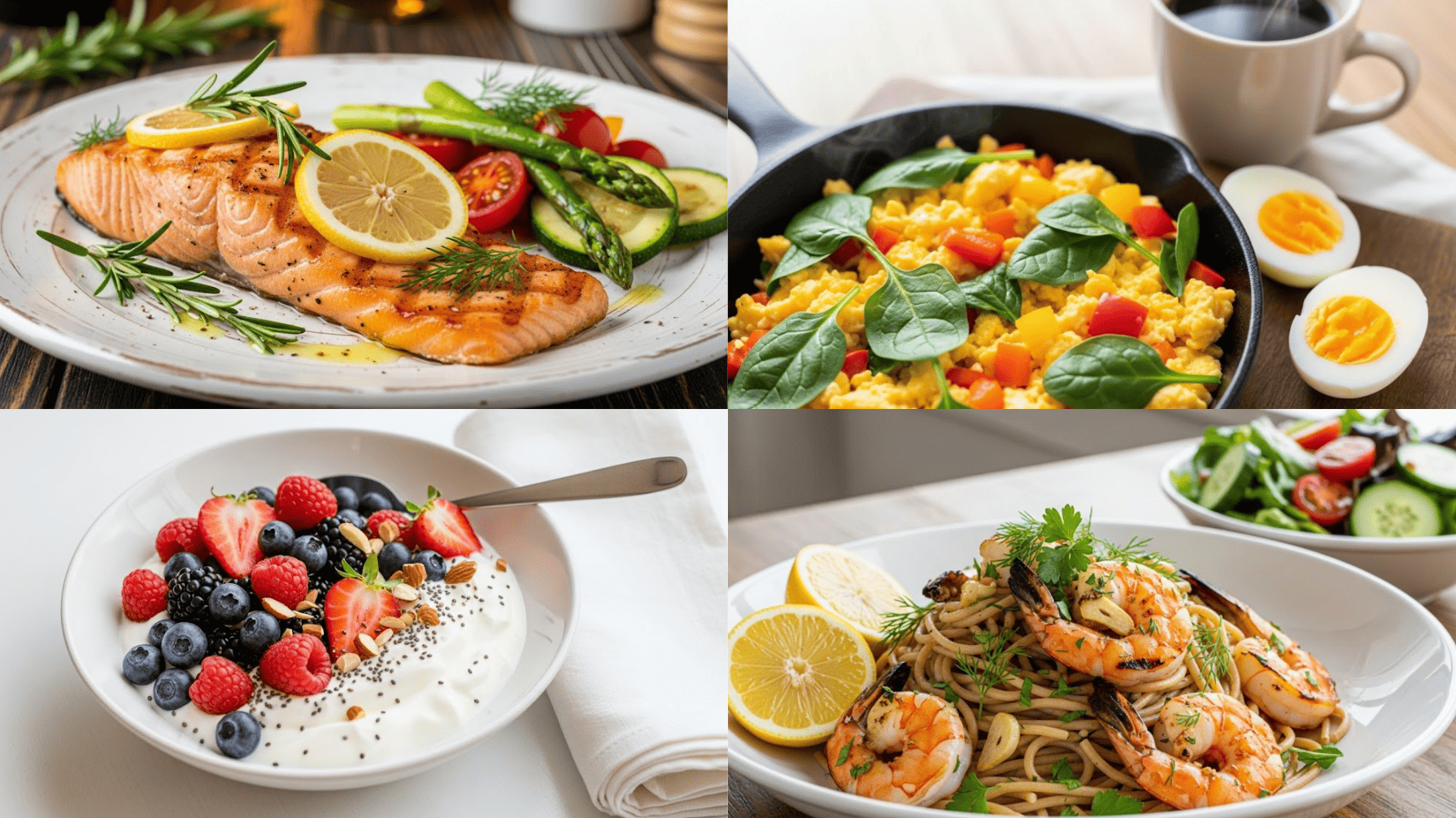
There is a reason cooking has always been tied to comfort, memory, and care. Long before meal kits and speed ovens, food took time because life did too. Slow living, especially in the kitchen, is not about nostalgia or opting out of modern life. It is about choosing pace with intention, and letting everyday routines support the way people actually want to feel at home.
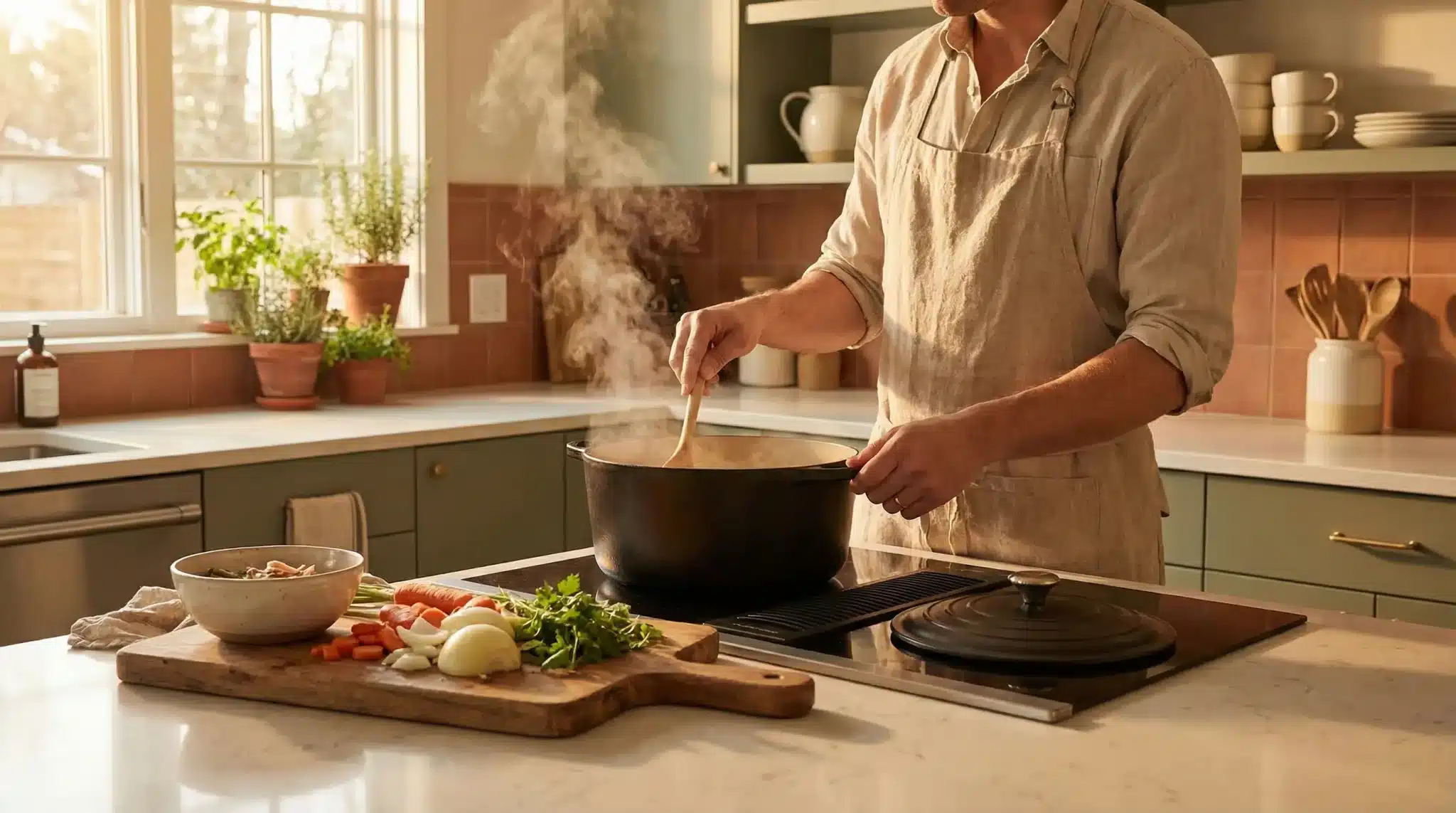
Cooking slowly does not mean elaborate recipes or endless prep. It means paying attention. It means letting food simmer while a window is cracked open, or chopping vegetables without checking the clock every thirty seconds. In a culture built on urgency, the kitchen can still be a place where time stretches a little, where the day softens around a cutting board and a pot on the stove.
Why the Kitchen Sets the Tone for Slow Living
The kitchen is the one room that asks something of you every single day. You walk into it tired, distracted, hungry, or hopeful, sometimes all at once. When that space feels calm and workable, it has a way of steadying the rest of the house.
Slow living does not require a rustic farmhouse or a marble showpiece. It starts with designing a kitchen that supports unhurried movement and small rituals. Clear counters invite you to linger instead of rush. Open shelving makes it easier to reach for the bowl you love instead of the one buried in the back. A layout that allows you to move without bumping into corners or people keeps the mood lighter, even on busy nights.
The goal is not perfection. It is flowing. When the kitchen works with you, cooking stops feeling like a task to get through and starts feeling like part of the day you can settle into.
Cooking as a Daily Practice, Not a Performance
One of the quiet pressures of modern food culture is the idea that cooking has to impress. Perfect plating, exotic ingredients, and meals worthy of social media can turn a basic dinner into a production. Slow cooking pushes back against that.
Real cooking, the kind that sustains people, is repetitive by nature. You make the same soup until it becomes second nature. You roast vegetables the way you always have, adjusting only slightly as the seasons change. Over time, your hands learn what your eyes no longer have to measure.
This kind of cooking builds confidence without noise. You stop reaching for recipes every time. You trust yourself to taste, adjust, and let things unfold. Meals feel grounded, and so do the people eating them.
Appliances That Support an Unrushed Rhythm
Technology does not have to fight slow living. The right tools can actually protect it. When appliances are intuitive and dependable, they fade into the background, which is exactly where they belong.
Stoves are a good example. Many cooks find themselves returning to electric ranges not for nostalgia, but for consistency. Even heat, steady temperatures, and predictable performance make it easier to cook without hovering. You can let a sauce reduce without fear, or bake bread without constant checking, because the appliance does what it promises.
Slow cooking is not about rejecting convenience. It is about choosing tools that allow you to step back instead of lean in with tension. When the kitchen works quietly in your favor, you can focus on the food and the people waiting for it.
Letting Meals Take the Time They Need
There is something deeply grounding about food that cannot be rushed. Beans need soaking. Dough needs resting. Broth needs hours, not minutes. These processes teach patience without preaching it.
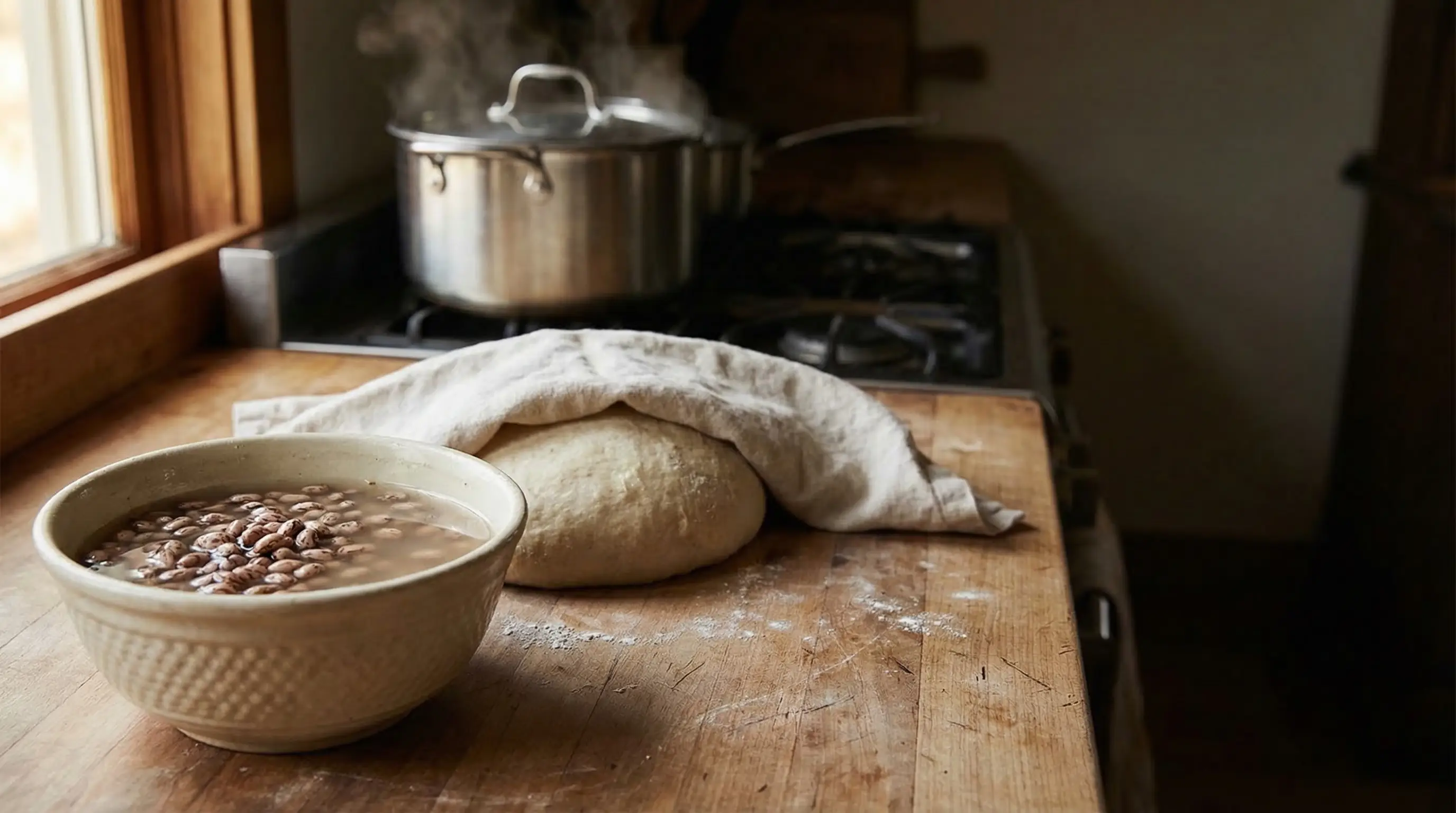
When meals take longer, they naturally shape the day around them. You plan differently. You start earlier. You move through the afternoon with a sense of purpose that is steady rather than frantic. The smell of something cooking becomes a marker of time passing, not something to beat.
This pace carries into the meal itself. People sit longer. Conversations wander. Phones stay off the table a little more often. The food tastes better not because it is fancy, but because it has been given the respect of time.
The Emotional Weight of Cooking at Home
Cooking is one of the few daily acts that blends care, creativity, and responsibility. It feeds people, but it also communicates something harder to name. When you cook slowly, you are saying that the moment matters.
This does not mean every meal has to be shared or ceremonial. Even cooking for one can be an act of self respect. Taking the time to sauté instead of microwave, to plate instead of eat from the pan, sends a message that your time is worth inhabiting fully.
Over weeks and months, these small choices add up. The kitchen becomes less of a pressure point and more of an anchor. Cooking stops being something to get out of the way and becomes something that holds the day together.
A Return to Pace, Not a Step Backward
Slow living in the kitchen is not about turning away from modern life. It is about choosing a pace that feels humane. It recognizes that while schedules may be full, not every moment has to feel compressed.
When cooking becomes calmer, the home follows. Meals feel less transactional. Evenings feel less chopped up. The kitchen regains its role as the heart of the house, not because it looks a certain way, but because it is used with intention.
In a world that keeps asking for more speed, choosing to cook slowly is a small, steady refusal. It is a way of saying that nourishment deserves time, and that the best moments at home often arrive when nothing is being rushed at all.