The loudest fitness trends tend to swing between extremes. One year it is grind culture with dawn workouts and protein everything, the next it is total rest packaged as self care. What is gaining traction now sits in a steadier place, fitness that supports daily life instead of trying to dominate it. This approach favors consistency over intensity and treats movement as one part of a bigger picture that includes recovery, mental health, and long term sustainability. It is less about chasing a body ideal and more about building something that holds up through work stress, family schedules, and the fact that nobody wants to live at ten every day.
Fitness Is Becoming More Practical Than Performative
For a long time, exercise culture rewarded spectacle. Max lifts posted online, punishing classes that left people wrecked for days, and routines that worked only if life stayed perfectly controlled. That mindset is fading as more people realize that burnout is not a badge of honor. Practical fitness focuses on what fits into real routines. Shorter sessions, adaptable plans, and workouts that leave enough energy to function afterward are becoming the norm. This shift is not about lowering standards. It is about setting standards that people can actually keep without blowing up the rest of their lives.
Where Gyms Are Expanding Beyond Dumbbells
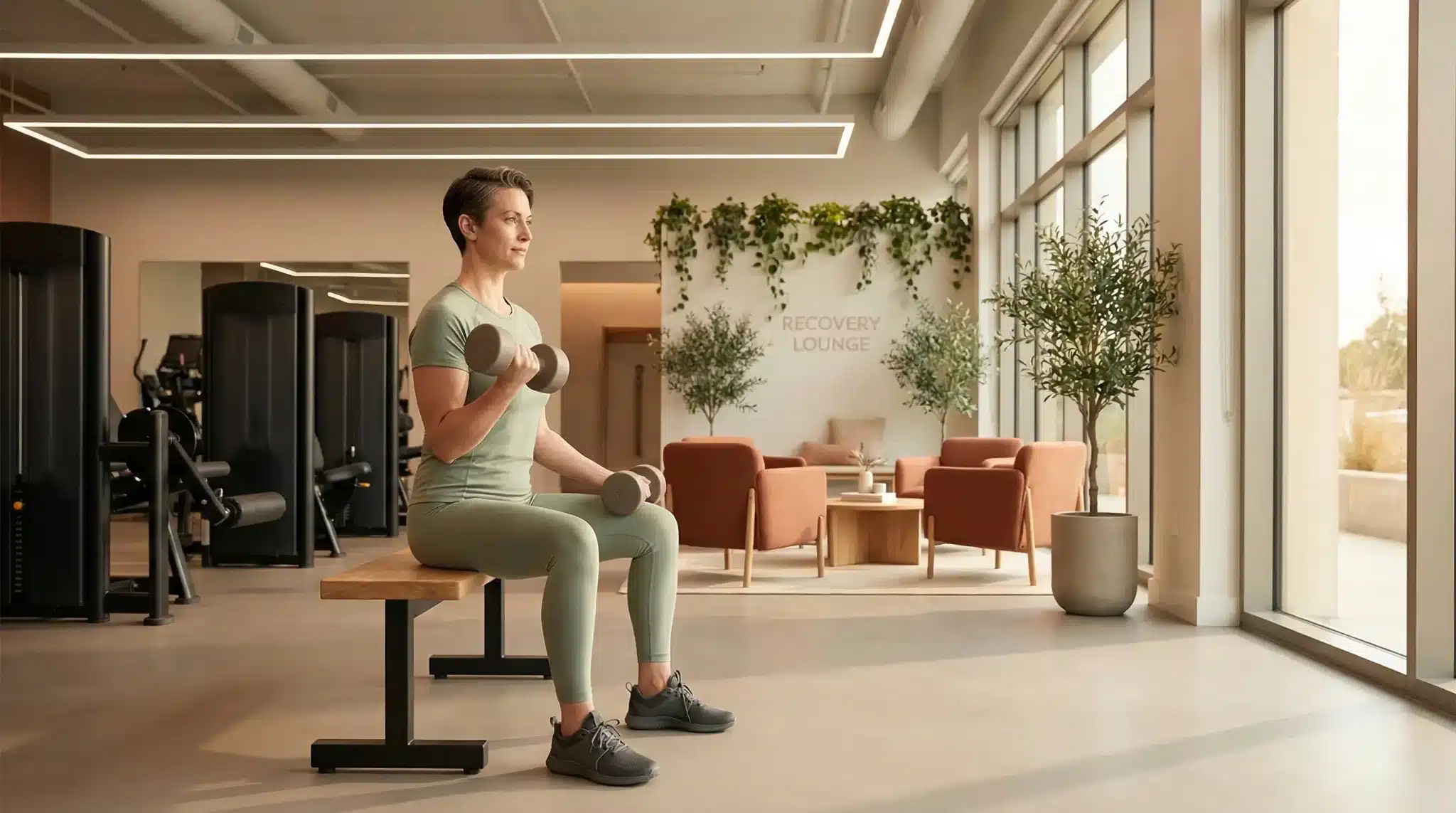
Traditional gyms are changing their layouts and their offerings to match this new reality. Many are blending strength floors with recovery zones, mobility classes, and amenities that used to live outside fitness spaces. The rise of gyms with tanning reflects a broader push toward convenience and bundled wellness. While tanning itself remains a personal choice, its presence signals that people want fewer stops and more integrated routines. Members are looking for spaces that acknowledge how fitness fits into the rest of their day rather than existing in isolation.
Recovery Is No Longer an Afterthought
Recovery used to mean stretching if you remembered and maybe icing something that hurt. Now it is treated as essential infrastructure. Cold plunges, compression therapy, guided breath work, and mobility sessions are becoming standard options rather than luxury add ons. This focus comes from a clearer understanding that progress stalls without adequate recovery. Muscles rebuild when stress is balanced, not endlessly stacked. People are paying attention to sleep, stress management, and how their nervous systems respond to training. The goal is to leave workouts feeling capable instead of depleted.

The Rise of Low Impact Strength Training
High impact training still has its place, but many people are gravitating toward methods that build strength without constant strain on joints. Pilates inspired resistance, controlled tempo lifting, and bodyweight work are gaining ground. These approaches emphasize form, stability, and gradual progression. They appeal to people who want to stay active across decades, not just seasons. Low impact does not mean low effort. It means effort applied with intention, where gains come from consistency rather than punishment.
Aesthetic Goals Are Being Reframed
Body goals have not disappeared, but they are being discussed differently. Instead of fixating on dramatic transformation timelines, people are thinking about how they want to feel in their bodies day to day. Strength that supports posture, mobility that reduces aches, and confidence that comes from capability are taking precedence. Some fitness spaces even intersect with cosmetic wellness conversations, where members ask about posture improvement, muscle tone, and complementary options like skin tightening treatments as part of a broader self care strategy. The emphasis is on choice and informed decisions, not pressure or judgment.
Technology Is Supporting, Not Driving, the Experience
Wearables and fitness apps are still everywhere, but their role is changing. Rather than pushing constant optimization, many tools now focus on trends over time and recovery signals. Heart rate variability, sleep quality, and readiness scores help people decide when to push and when to pull back. Used well, technology becomes a guide instead of a taskmaster. The healthiest users treat data as information, not a verdict on their worth or discipline.
Community Is Taking a Softer Shape
Fitness communities used to revolve around intensity and shared suffering. Now they are forming around encouragement and flexibility. Classes welcome modifications without side eye. Trainers talk openly about rest days and off weeks. There is less performative toughness and more emphasis on showing up as you are. This does not dilute motivation. It makes it more resilient. People stick with routines when they feel supported rather than judged.
Fitness That Fits Real Life
The current fitness shift is not flashy, and that is exactly why it matters. By centering practicality, recovery, and long term health, people are building habits that last. Movement becomes something that supports life instead of competing with it. In a culture that often rewards extremes, choosing balance is not a compromise. It is a smarter, steadier way forward that respects both the body and the person living in it.