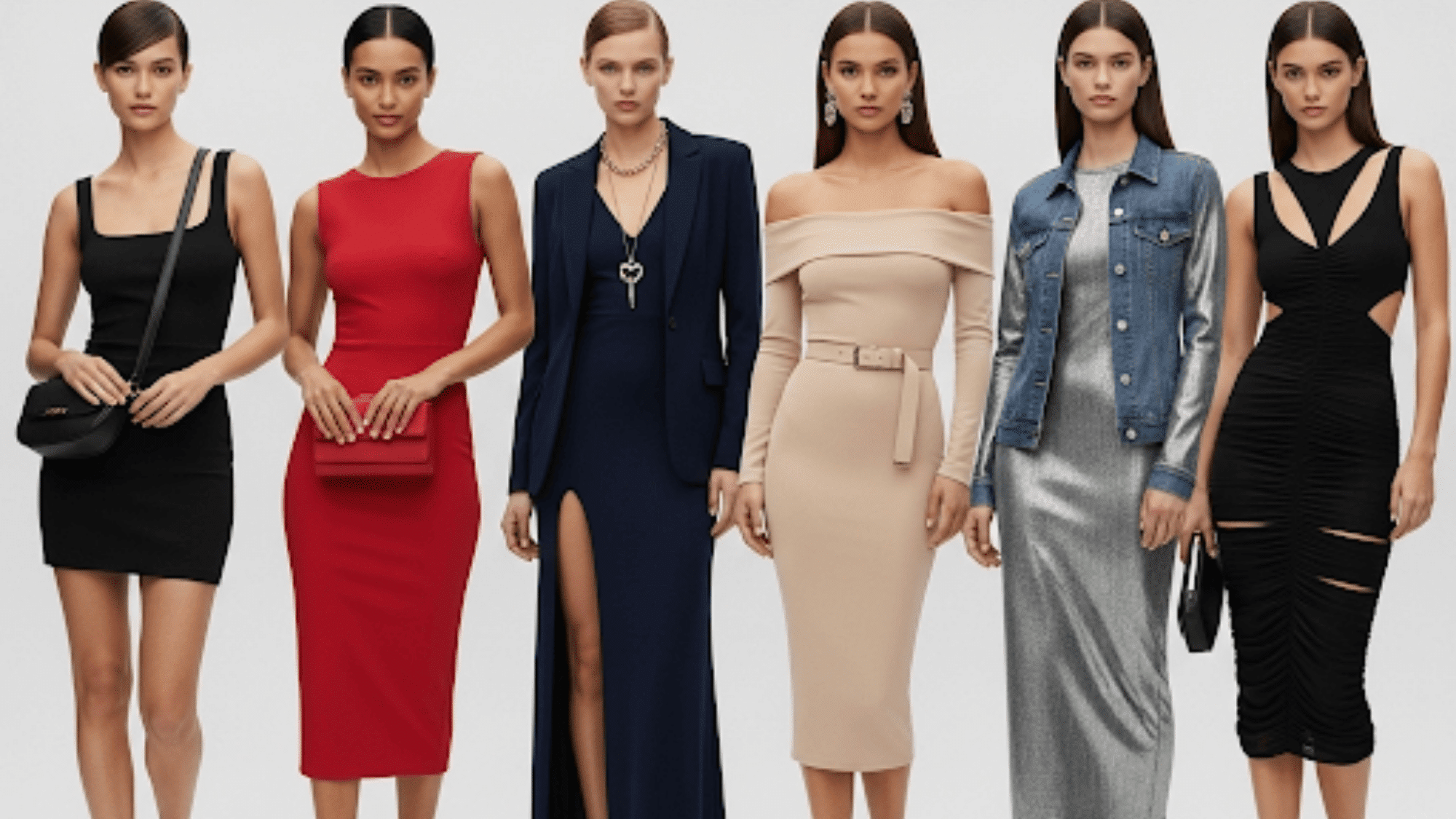
There is a popular narrative floating around right now that designer clothing has lost its relevance, that comfort culture and accessibility have leveled the playing field.
It sounds democratic and sensible, and it makes for good social media content. It also skips over a lot of reality. Designer clothing never stopped mattering. What changed is how it earns its place.
Luxury today is not about being flashy or intimidating. It is about pieces that carry authority without shouting, garments that hold their shape year after year, and clothes that feel considered the moment you put them on.
Designer fashion remains influential because it still sets the pace for quality, proportion, and restraint. Trends may filter downward, but standards almost always start at the top.
Design As Discipline, Not Decoration
Good design is not decoration. It is discipline. The best designers obsess over proportion, movement, and line in a way mass production simply cannot afford to do.
That attention shows up in sleeves that fall correctly, waistlines that sit where they should, and coats that keep their structure even after heavy wear.
Designer clothing tends to anticipate how real bodies move through real days. There is intention behind every seam. That intention translates into garments that feel balanced and assured rather than fussy or overworked. You are not fighting the clothes. You are supported by them.
This level of thought also creates consistency. A well designed piece does not feel tied to a single season. It feels grounded. When people say something looks expensive, they are usually responding to this sense of control and coherence rather than the label itself.
Confidence Comes From Construction
There is a reason designer pieces often feel different the moment you try them on. Construction matters. Interfacing, lining, stitching, and weight distribution all affect how a garment wears over time.
These details are not obvious on a hanger, but they become undeniable after hours of wear.
Confidence in clothing is rarely about spectacle. It is about not thinking about what you are wearing once the day starts. Designer clothing excels here because it reduces friction. Waistbands do not twist. Jackets do not collapse. Dresses hold their shape without clinging or pulling.
This is also where the assumption that designer brands are always the smart decision because of status alone falls apart and becomes something more interesting. The smarter decision is not the name.
It is engineering. When clothing works this well, it frees mental space. That ease reads as confidence even before anyone notices the cut.
Materials That Do the Heavy Lifting
As wardrobes become more intentional, the conversation inevitably turns to materials. The difference between clothing that lasts and clothing that merely survives often comes down to fiber and finish. Designer houses invest heavily here, sourcing textiles that behave predictably and age well.
Thoughtful fabric choices affect everything from breathability to drape to longevity.
A wool coat that maintains its structure, a silk blouse that resists looking tired, a knit that stretches without losing integrity, these are not accidents. They are the result of testing, experience, and long standing relationships with mills.
This focus on materials also explains why designer pieces often look better with time. They soften, settle, and adapt to the wearer. Instead of breaking down, they break in. That relationship between garment and person is difficult to replicate at scale.
The Long Game Of Value
Designer clothing is often framed as indulgent, but that framing ignores how people actually build wardrobes. A well chosen designer piece is rarely an impulse buy.
It is researched, considered, and worn repeatedly. Cost per wear drops quickly when something becomes a staple rather than a novelty.
There is also value in reliability. Knowing that a coat will still look right next year, that a dress will still fit the role it was bought for, reduces the constant churn of replacement. Over time, fewer purchases made with more intention often cost less than frequent compromises.
This long game approach aligns with how many people want to dress now. Not excessively. Not carelessly. With purpose. Designer clothing supports that mindset by offering pieces that can anchor a wardrobe rather than crowd it.
Style As A Signal Of Self Trust
Wearing designer clothing is not about impressing others. At its best, it signals trust in your own judgment. You chose something because it worked for you, because it felt right, because it aligned with how you move through the world.
That trust is visible. It shows up in posture, in ease, in how you inhabit space. Clothes that fit well and feel substantial allow you to be present rather than self conscious. The result is style that feels grounded instead of performative.
This is where designer fashion continues to resonate. It offers a framework rather than a costume. It gives structure without rigidity. It allows individuality to come through because the foundation is strong.
Choosing designer pieces today is less about chasing relevance and more about choosing standards. Standards of fit, of material, of intention.
When clothes meet those standards, they earn their place. That is why designer clothing still matters, and why it likely always will.