Developing venous issues used to only be attributed to certain occupational and genetic factors. While modern venous issues can still be attributed to some of these, fast, digital and remote working lifestyles, and even vigorous exercise, have highlighted and accelerated modern vein health issues. Divorced from the traditional sedentary working lifestyle, younger adults, remote working adults, and fitness enthusiasts who spend their digital cardio time on stationary bikes are starting to experience venous issues.
Our modern lifestyle features a number of sedentary, and consequently, venous pressurizing, lower body, routine elements. Circulating blood in the system above the lower body working area is no longer supported by rapid movements. The modern lifestyle directly contributes to the development of varicose veins. Understanding this is critical for maintaining a long-term, healthy vascular enginery.
The Development of Varicose Veins and Understanding them
The veins of the body have valves. Varicose veins develop when a vein’s valves are damaged. These valves let blood flow to the heart and are supposed to support unidirectional flow. If a valve is damaged, blood can no longer be circulated unidirectionally. Blood, as a result, can easily be trapped in the lower body veins where venous circulation is weakened by the downward pull of gravity.
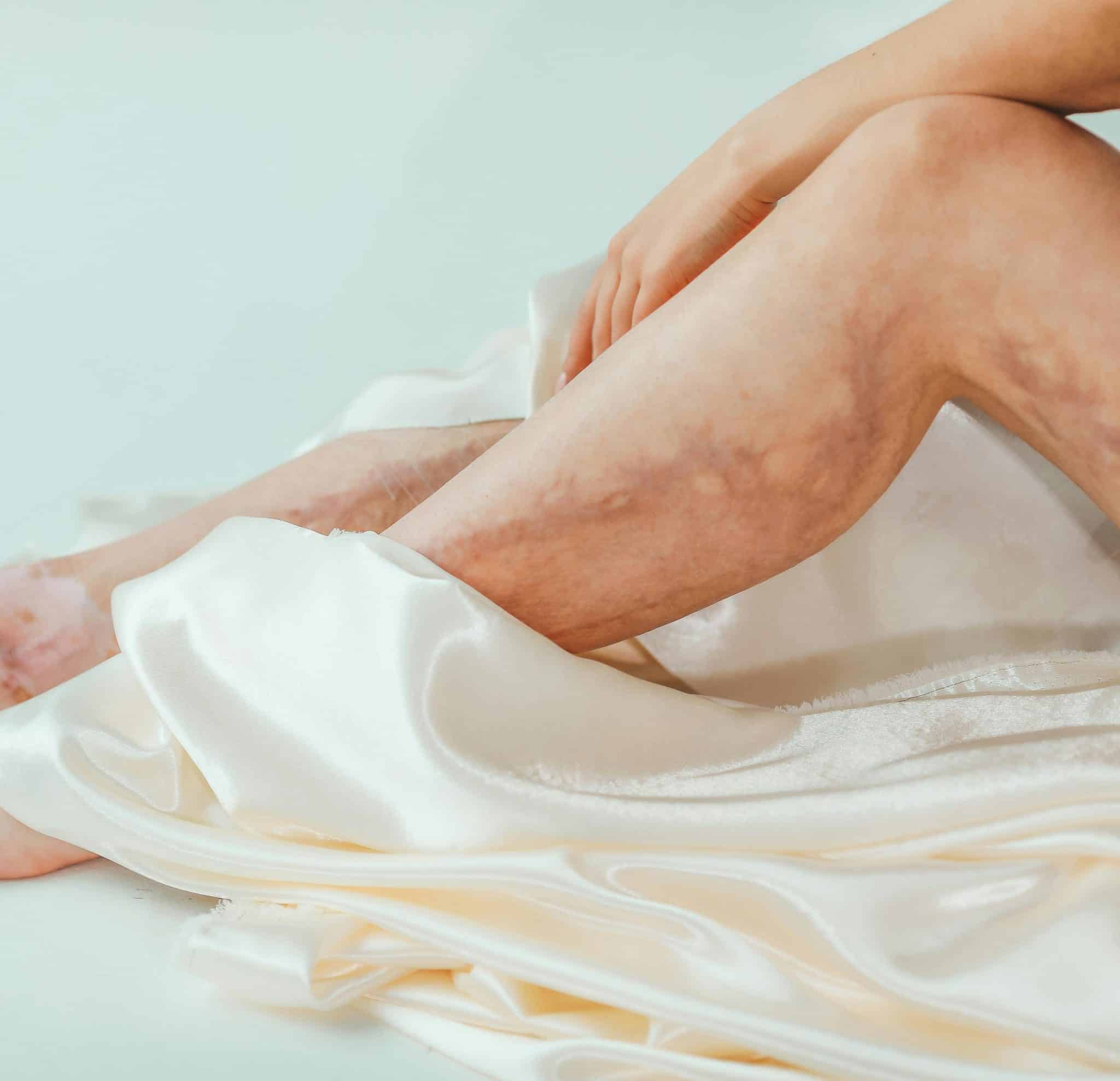
Pooling blood leads to the distortion and eventual breakdown of superficial vein walls developing skin vermicelli. Varicose veins also contribute to the development of leg ailments such as increased discomfort, swelling, cramps, and even fatigue. In more serious cases, skin ulcerations may also occur.
Though some persistent factors such as genetics and age may influence the development of varicose veins, the environment, especially modern living, as well as personal habits have shown more pronounced effects in the recent past.
The Sedentary Shift: Sitting Is the New Smoking
From a societal perspective, sitting is a form of socially acceptable behavior that is reinforced by the modern workplace and leads to a multitude of personal and societal issues. From telecommuting, to the television, to the scrolling obsession of mobile device, modern society has developed a penchant for prolonged sitting. This behavior inhibits muscle contractions in the legs which push blood to the heart.
Calf muscle contraction is crucial for blood circulation. When the muscle is inactive, blood flow is further inhibited, and as a result, stagnant blood accumulates in the veins resulting in a condition known as chronic venous insufficiency, broken and stretched vein walls, and faulty vein valves. This is the precursor to developing varicose veins.
People who exercise regularly might still be at risk when sitting for long periods. Short bursts of movement do little to counter the danger of prolonged sitting. It is not just about how much exercise you do, but how often you move during the day.
The Impact of Remote Work and Digital Dependency
The remote work model has benefits, but the digitalization of work has led to a more sedentary lifestyle. In a physical office, there is naturally more movement. Employees have to walk to their meetings, move between departments, or even commute. Remote working often means long periods of sitting.
Work-related digital device usage and the tasks associated with it further contribute to more prolonged sitting. Poor posture makes things worse. When sitting, crossing legs can further reduce circulation and even impede blood flow.
Digital dependency is a sedentary activity. It has shifts in how society spends their time, and even how work is done. It has settled a culture where compromised circulation is often the norm.
Obesity and Weight Gain in Modern Society
The increase in the number of people who are obese is another consequence of modern lifestyles that is affecting the incidence of varicose veins. Weight gain is due to the consumption of processed foods, high-calorie diets, and decreased physical activity. Excessive body weight puts an added strain on the veins, especially those in the lower body.
When veins work against gravity, they are strained and the valves can fail. Increased pressure in the abdomen can also reduce the ability of the legs to return blood to the abdomen. This is known as venous return. It can make the situation even worse.
Managing your weight can reduce the chances of having problems with the veins in your legs. Moderate weight loss decreases the pressure on the blood vessels and circulatory system, and improves the function of the circulatory system.
Prolonged Standing in Certain Occupations
While sitting for long periods of time is a growing concern, standing for long periods of time is also a risk in many occupations. Teachers, healthcare professionals, retail staff, and employees in the food service sector often have long periods of time where they are standing and have little to no movement.
Standing in one place may be just as harmful as sitting in one place for a long time. When there is no muscle activity blood can pool in the lower legs. The modern economy has encouraged jobs that have shifts and service jobs, exposing more people to this danger.
The mix of standing at a job and sitting at a job creates a pattern where the body’s circulation does not function at optimal levels.
Modern Fitness Trends and Overexertion
Surprisingly, modern fitness trends can also cause vein strain when not done in moderation. For a short period of time, high-intensity interval training, heavy weightlifting, and extreme endurance activities can increase pressure in the abdomen and veins.
Now, while exercise has many positive effects, poor technique, particularly in a person with vein weakness, can potentially worsen the circulation. A person continues to spasm at the veins, thus the exercise should be done with moderation. A person should find a good balance in their workout that includes endurance training, and a weight training program that is designed to promote circulation.
Influences of Hormones and Other Factors in a Lifestyle
Hormonal shifts and changes tend to impact a person’s circulation, especially the female gender. Pregnancy, the use of birth control, and hormone replacement therapy changes all tend to impact the person’s circulation. When these changes are combined with a sedentary lifestyle, or the person has gained weight, it increases the risk of developing varicose veins.
Stress is also a modern-day phenomenon and it also has a negative impact on a person’s circulation. Inflammation and the circulation of blood and the tightening of blood vessels, leads to poor circulation, vein health over time. While stress alone does not cause people to have varicose veins, it is one ingredient in the pattern of strain on the person’s circulation that is developing varicose veins.
Early Warning Signs are Often Ignored
Modern lifestyles contribute to the increasing number of vein-related issues partly because of the tendency to overlook initial warning signs. Mild symptoms, such as slight swelling, a feeling of heaviness in the legs, or mild discomfort, are often attributed to fatigue or the aging process. However, such symptoms could point to early venous insufficiency.
The longer warning signs are ignored, the greater the likelihood that vein issues will progress. Aesthetically concerning vein issues will eventually become a health risk that will require more advanced treatments as time goes on. For the sake of your vascular health, it is vital to act on warning signs as early as possible.
Persistent symptoms should be brought to the attention of professionals such as the Florida Vein Experts, who can help with the diagnosis and treatment options. An early assessment will help determine if lifestyle changes are enough or if medical intervention is warranted.
Adjusting To Modern Lifestyle
Despite the numerous negative effects of our modern environment, Vein health can be protected through prevention. The best prevention is to remain active by moving your body regularly. This can be accomplished with walking, stretching, and calf raise exercises to improve your circulation and reduce stagnant blood.
A balanced, fiber-rich diet combined with adequate hydration and maintaining a healthy body weight will also contribute to the health of your veins. Compression garments can be of assistance to those who have prolonged periods of standing or sitting, as they may be beneficial to venous return.
The Other Clinical Observation
The awareness of ergonomics is equally crucial. Workstation height adjustments, not crossing of legs, and resting feet on a footrest can assist in improving circulation in subtle but significant ways.
The significance of awareness combined with early intervention is equally important. Circulatory awareness is imperative, and as we develop technologies, we develop awareness of its circulation. With technologies of today, it is important to remember the less-savory of the outcomes we face with developing technologies: the devising of solutions to the issues we face by using the technologies we develop. With less-invasive today, more advanced medical technologies, there are a greater number of options. It is critical to understand the point to seek assistance, as it is critical to recognize that one ought to not normalize pain/discomfort.
The modern-day conveniences continue to improve the ease of life when one is asked to describe the convenience of modern habit-forming technologies. It is important to remember that these modern technologies do not replace the human need to move. As modern-day solutions continue to cause sedentary lifestyle-related issues, it is important to remember that no matter how advanced modern technologies become, there will always be the human need for the simple core technologies of movement, to decrease these sedentary lifestyle issues.
Integrating simple but consistent movement into your daily life will protect the circulatory system. It will not be difficult to develop new habits. Healthy habits are activities that may be done within the workplace, circulation will benefit from walking meetings, standing meetings, and breaks, and with the simple addition of walking at the end of the day, and by regularly adjusting your posture to what is appropriate, vein health will be what is protected.
Fostering preventative practices against varicose veins in modern society demands a change in perception. Movement needs to be thought of as a necessary part of everyday life and not as an inconvenience that takes away time from an optional exercise. By considering the impact of modern practices on the health of their blood vessels and of taking deliberate actions, a person may extend the active and strong life of their circulatory system and possibly undergo less veins-related health issues.