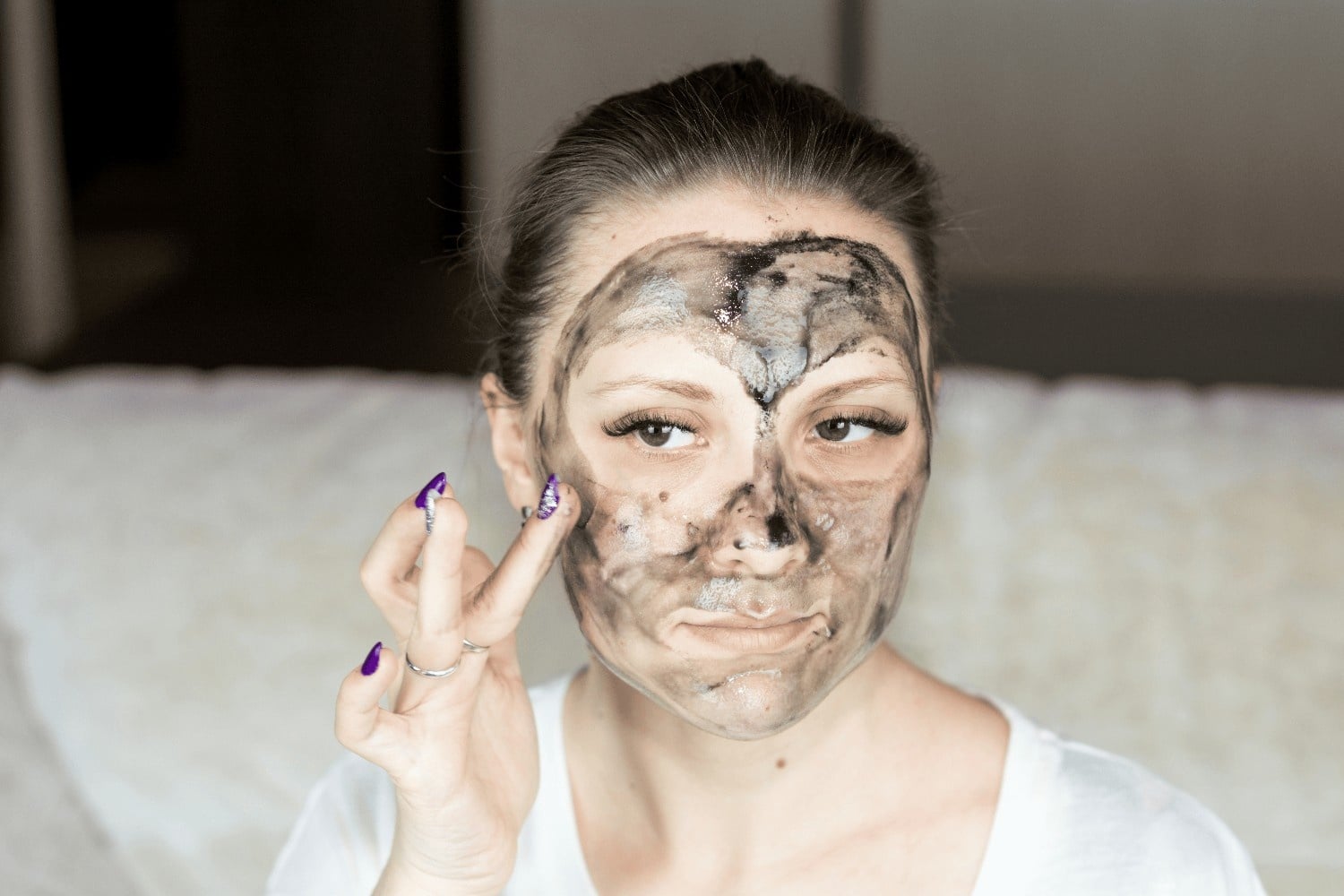
Self-care was supposed to make life easier. For many people, it’s doing the opposite.
Long routines, too many products, and constant advice online have turned simple habits into something exhausting. You buy more, try more, and still feel unsure if you’re doing it right. That frustration is pushing people to rethink everything.
Instead of adding more steps, people are cutting back. They want routines that fit into real life, not routines that take it over. This shift toward simplicity is growing for a reason, and it’s changing how people approach self-care every day.
Too Many Choices, Not Enough Clarity
The number of products available today is overwhelming.
You can find dozens of options for the same purpose. Each one promises results, which makes it harder to decide what to trust. This leads to constant switching and second-guessing.
When people keep changing products, routines become inconsistent. That makes it harder to see what actually works.
Simplifying solves a few key problems:
- Fewer choices reduce confusion
- You spend less time researching
- You build a routine you understand
Clarity comes from using fewer products that you trust. That makes daily decisions easier.
Why Sensitive Skin Is Pushing Change
More people are noticing that their skin reacts easily.
Redness, dryness, and breakouts often come from using too many products or mixing ingredients without understanding them. When routines get complicated, the risk of irritation increases. Skin needs consistency to stay balanced, and constant product changes disrupt that balance.
Melaleuca Skin Safe products are often part of this conversation because several of their items meet higher safety ratings. For example, some products receive higher safety ratings for avoiding certain allergen triggers.
That doesn’t mean every product works for everyone. Skin reactions are personal. But having access to products that are screened for common irritants gives people a more reliable starting point.
As routines become simpler, people are focusing less on experimenting and more on stability. They want products that are predictable, easier on the skin, and less likely to cause problems over time.
Choosing Time Over Ideal Routines
Most people don’t have time for long routines every day.
Work, family, and daily responsibilities come first. When routines feel too long, people skip them or stop completely. That’s why many are shifting toward routines they can actually maintain.
A shorter routine that fits into your schedule works better than a perfect routine you can’t follow.
What this shift looks like in real life:
- Focusing on 2–4 essential steps
- Removing steps that don’t add clear value
- Sticking to routines even on busy days
People are becoming more realistic. They want routines that match their lifestyle, not routines that require extra effort.
Minimalism Is Changing Daily Habits
Minimalism is influencing how people approach self-care.
The idea is simple: keep what works and remove what doesn’t. People are no longer interested in collecting products they rarely use. They want routines that feel clean and manageable.
This shift helps reduce clutter and makes daily habits easier to follow.
Common changes people are making:
- Keeping only essential products
- Avoiding duplicate products with the same function
- Buying with intention instead of impulse
Over time, this leads to better habits. People understand their needs more clearly and stop relying on unnecessary steps.
Reading Labels Instead of Following Trends
People are paying more attention to ingredients.
Instead of following trends, they want to know what they are putting on their skin. This includes avoiding common irritants like strong fragrances or certain preservatives that can cause reactions.
Understanding labels helps people make better decisions. It reduces guesswork and limits unnecessary product changes.
What people focus on now:
- Shorter ingredient lists
- Clear product purpose
- Fewer unknown additives
This shift builds confidence. When you understand your products, you don’t feel the need to constantly search for something new.
Spending Smarter on Fewer Products
Self-care can get expensive quickly.
Buying multiple products for every step adds up. Many people realize they are spending more without getting better results. That leads to more careful buying decisions.
People are now choosing fewer products that work well instead of trying everything.
Smarter spending habits include:
- Investing in products that serve a clear purpose
- Avoiding impulse purchases
- Finishing products before buying new ones
This approach reduces waste and helps people feel more in control of their spending.
Mental Relief Through Simpler Routines
Complicated routines can feel overwhelming.
Tracking steps, remembering product order, and managing multiple items takes mental effort. After a long day, that can feel like too much.
Simpler routines remove that pressure. You know what to use and when to use it.
Benefits people notice:
- Less decision-making
- More relaxed routines
- A clearer daily structure
Self-care starts to feel like a break again. That’s what most people want in the first place.
Focusing on Results That Actually Matter
People are becoming more practical about results.
Instead of copying routines, they are paying attention to what actually works for them. If a product doesn’t improve their skin or overall well-being, they remove it.
This approach encourages consistency and patience.
What people now prioritize:
- Healthy, balanced skin
- Fewer breakouts or irritation
- Long-term improvement over quick fixes
Fewer products make it easier to track results. You can clearly see what is helping and what is not.
Consistency Becomes Easier to Maintain
Consistency is where real results come from.
Long routines are harder to follow daily. People skip steps or stop altogether when routines feel overwhelming. That breaks consistency and slows progress.
Short routines are easier to maintain. They fit into daily life without requiring extra effort.
Why simple routines work better:
- Easier to repeat every day
- Less likely to be skipped
- Build steady habits over time
When routines feel manageable, people stick with them. That consistency leads to better outcomes.
People are simplifying their self-care routines because complexity no longer works for them.
Too many products, too much information, and unrealistic expectations made self-care harder than it needed to be. A simpler approach solves many of these problems.
Fewer products, clear choices, and consistent habits make routines easier to follow and more effective. This shift is practical and sustainable.
If your routine feels overwhelming, it may be time to step back.
Start with this:
- Keep only what works
- Remove what feels unnecessary
- Focus on consistency
A simple routine that fits your life will always be easier to maintain and more effective in the long run.