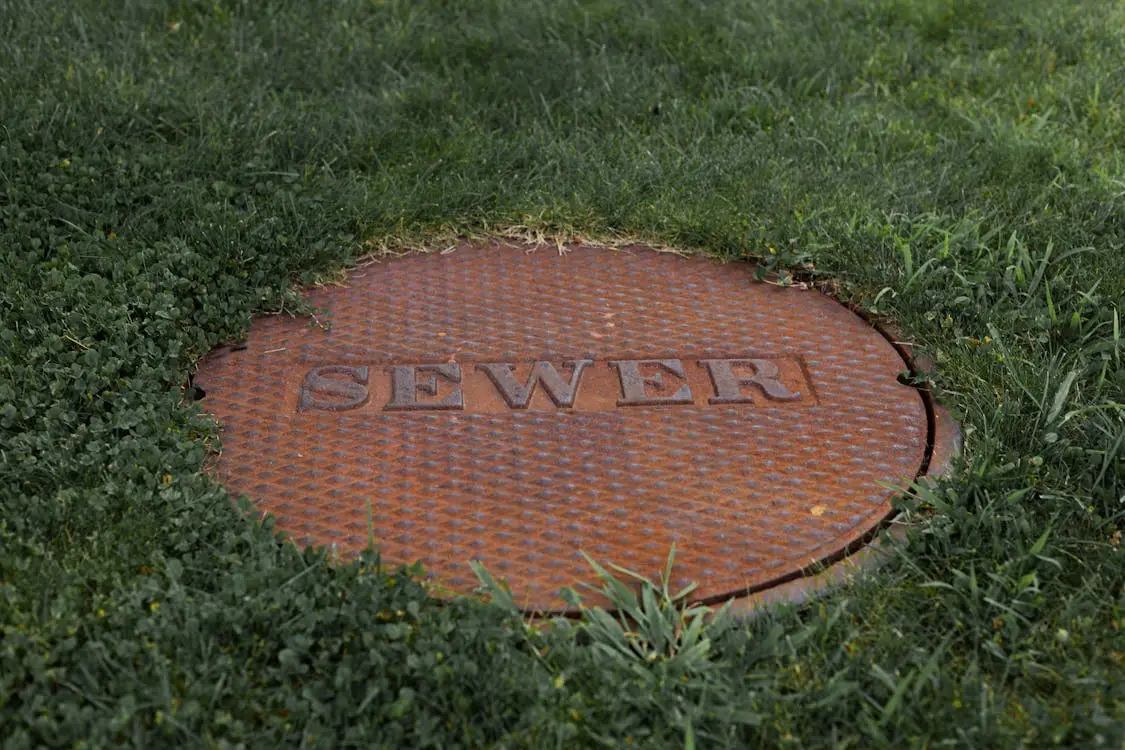
Urban sensors help prevent sewer overflows by giving utilities real-time visibility into underground infrastructure before small problems become environmental emergencies. Cities in 2026 are relying on smarter monitoring systems to detect blockages, flooding risks, leaks, gas buildup, and pressure changes earlier than ever before. Faster detection allows crews to respond quickly while minimizing damage, public health concerns, and expensive repairs.
Growing populations and aging sewer systems have increased pressure on municipal infrastructure across many cities. Heavy rainfall, grease buildup, root intrusion, and deteriorating pipes can all contribute to sewer overflows that disrupt neighborhoods and contaminate waterways.
Modern sensor networks are helping utilities move from reactive repairs to proactive maintenance. Understanding the tools behind smart sewer monitoring shows how technology is reshaping infrastructure management in practical ways.
1. Manhole Level Sensors
Manhole level sensors track water and wastewater levels inside sewer systems in real time. Rising levels often signal developing blockages or overflow risks before surface flooding occurs.
Utilities can use alerts to dispatch crews quickly and reduce unnecessary inspections. Early warnings also help cities prioritize maintenance in high-risk locations.
2. Ultrasonic Flow Meters
Ultrasonic flow meters measure how quickly wastewater moves through pipes without requiring direct contact with sewage. Utilities use these sensors to identify unusual flow patterns that may indicate obstructions or pipe deterioration.
Many cities pair flow monitoring with targeted maintenance and trenchless repair planning. Infrastructure teams researching modern rehabilitation methods often work with resources from Service By Heart drain repair specialists when learning about no-dig sewer repair approaches and minimal-disruption replacement techniques.
Several benefits make ultrasonic monitoring attractive:
- Real-time flow tracking
- Minimal maintenance needs
- Non-invasive installation
- Early blockage detection
- Improved system analytics
Consistent monitoring helps utilities make more informed infrastructure decisions.
3. Acoustic Leak Loggers
Acoustic leak loggers listen for sound vibrations associated with underground pipe leaks. Small leaks often create distinct acoustic signatures long before visible damage appears above ground.
Leak detection technology helps utilities reduce water loss and avoid larger structural failures. Earlier repairs also lower long-term maintenance costs.
4. H2S Gas Monitors
Hydrogen sulfide gas can build up inside sewer systems and create serious safety risks for workers and nearby residents. H2S monitors continuously measure gas concentrations and trigger alerts when levels become dangerous.
Gas monitoring improves worker safety while helping utilities identify ventilation or corrosion concerns earlier.
Several monitoring goals include:
- Worker protection
- Corrosion prevention
- Air quality management
- Emergency response readiness
- Regulatory compliance
Continuous gas monitoring has become standard in many large utility systems.
5. Pressure Transient Sensors
Pressure transient sensors detect sudden pressure spikes or drops inside sewer and water infrastructure. Rapid pressure changes can indicate pipe bursts, valve failures, or developing system instability.
Utilities use pressure data to prevent cascading infrastructure failures before widespread outages occur.
6. AI Video Analytics Systems
Camera inspection systems paired with artificial intelligence can now identify cracks, root intrusion, corrosion, and debris automatically. AI analysis speeds up inspection workflows while reducing the amount of manual video review required.
Automated analytics also improve consistency between inspections across large sewer networks.
7. Fiber-Optic DAS Monitoring
Distributed acoustic sensing, often called DAS, uses fiber-optic cables to monitor underground vibration patterns across long distances. Utilities can detect excavation activity, leaks, and infrastructure movement in near real time.
Fiber-optic monitoring provides broader coverage than many traditional spot sensors.
8. Groundwater Monitoring Probes
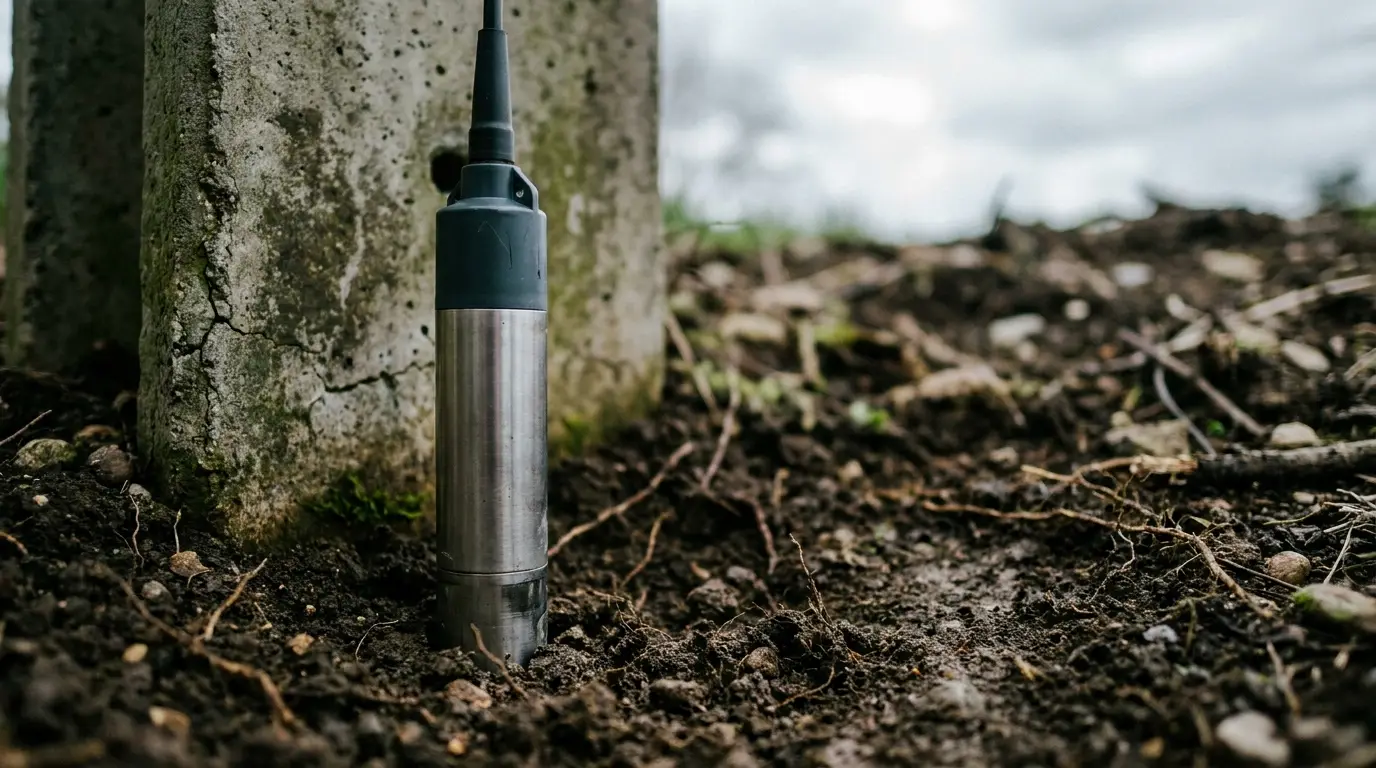
Groundwater probes help utilities understand how surrounding soil moisture affects underground pipes. Excess groundwater infiltration can overwhelm sewer systems during storms and increase overflow risks.
Monitoring subsurface moisture also supports better infrastructure planning in flood-prone areas.
9. IoT Rain Gauges
Internet-connected rain gauges track localized rainfall intensity throughout urban areas. Hyperlocal weather data helps utilities anticipate surges in wastewater flow before systems become overloaded.
Several operational advantages include:
- Faster storm preparation
- Improved overflow forecasting
- Better pump coordination
- Smarter crew deployment
- More accurate reporting
Rainfall monitoring has become especially important as extreme weather events increase.
10. Smart Backflow Valves
Smart backflow valves automatically prevent wastewater from reversing into homes or businesses during overload events. Some systems also send alerts when pressure conditions suggest elevated backup risks.
Automated protection reduces property damage while improving public safety.
11. SCADA Historian Analytics
SCADA historian systems collect and analyze large volumes of infrastructure performance data over time. Utilities use analytics platforms to identify recurring problems, equipment trends, and maintenance priorities.
Historical analysis supports more strategic infrastructure investment planning.
12. Radar Nowcasting Systems
Radar nowcasting combines weather radar data with predictive modeling to forecast short-term storm intensity and movement. Utilities can prepare pump stations and overflow response teams before heavy rainfall arrives.
Faster forecasting improves emergency response coordination during severe weather events.
13. Satellite Subsidence Monitoring
Satellite imaging technology can now detect subtle ground movement associated with underground infrastructure problems. Soil shifting and subsidence sometimes indicate deteriorating pipes or developing sinkhole conditions.
Remote monitoring allows utilities to assess broad infrastructure regions efficiently.
14. Methane Detection Sensors
Methane monitoring systems identify gas leaks associated with wastewater infrastructure and organic decomposition. Early detection improves safety while helping cities meet environmental goals related to greenhouse gas reduction.
Several methane monitoring priorities include:
- Public safety
- Environmental compliance
- Infrastructure integrity
- Emissions reduction
- Emergency preparedness
Gas detection technology is becoming increasingly important in smart city infrastructure planning.
Smart Sewer Monitoring Supports Safer Cities
Urban sewer systems are becoming more connected, data-driven, and proactive as sensor technology continues advancing. Real-time monitoring helps utilities reduce overflows, improve maintenance efficiency, and respond faster to emerging infrastructure problems.
Cities investing in smart sewer technology are better positioned to manage aging infrastructure while minimizing disruption for residents. Many infrastructure teams also explore modern rehabilitation strategies through resources provided by Service By Heart drain repair specialists when planning targeted sewer repairs and trenchless replacement projects.