Two brands can carry the same stones at the same price, and one sells out while the other sits. The difference is rarely the product. It is how the brand is found, felt, and trusted before anyone ever holds the piece, and that is what modern jewelry marketing is built to shape.
Jewelry is an unusual thing to sell. It is emotional, expensive, and personal, often tied to a moment someone wants to mark for good. Buyers take their time, they look for reassurance, and they decide with both the eyes and the heart. The brands growing fastest are the ones that guide buyers through that journey with intention instead of waiting behind a catalog. Here are seven ways to do the same.
1. Lead With Visuals That Create Desire
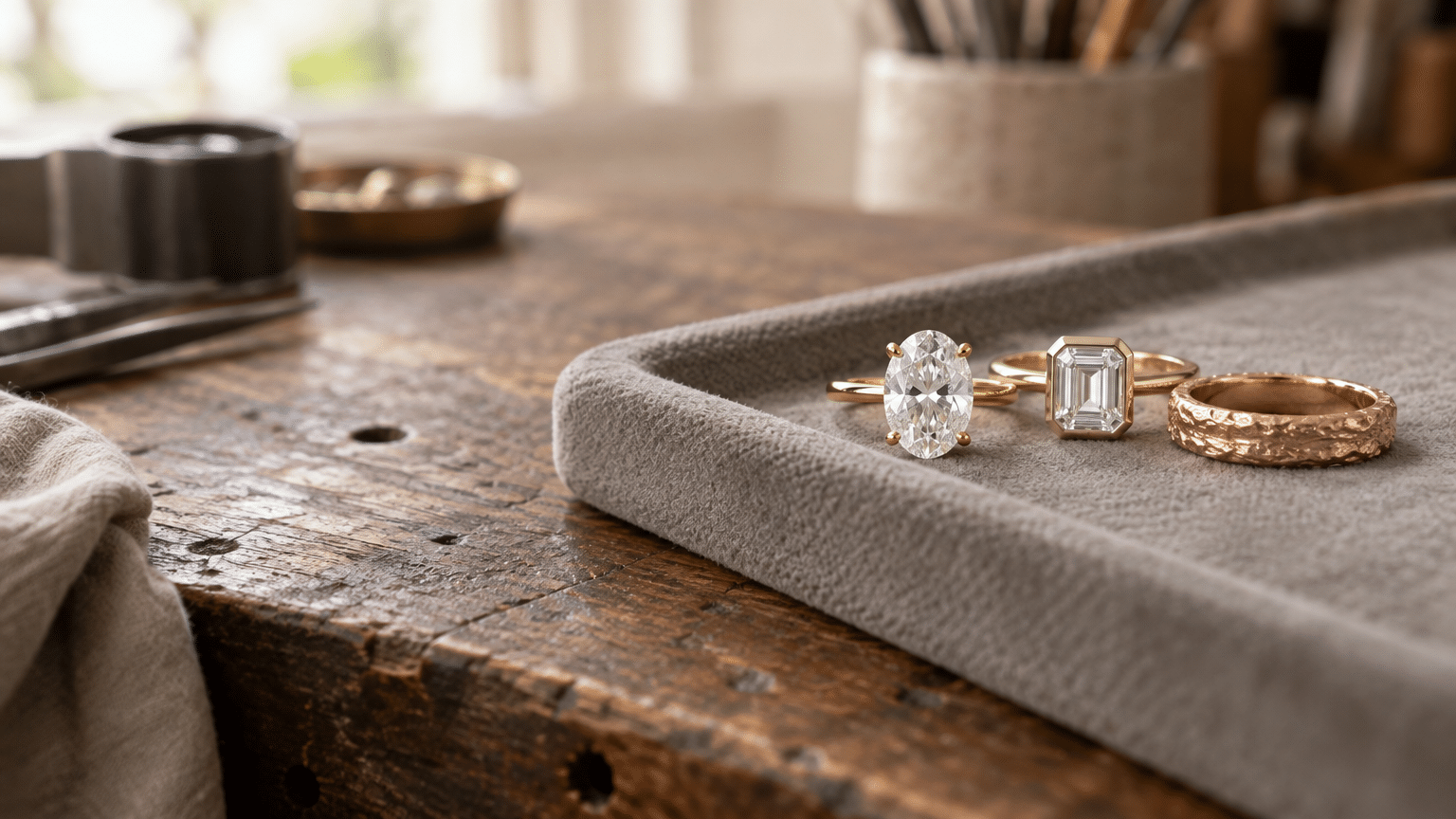
Invest in photography and video first, because jewelry is bought with the eyes and a buyer cannot touch the piece through a screen. The images have to do the work of making someone want it.
Show more than the product on white. Show scale, sparkle, and how a piece looks worn on a real person, since a ring on a hand tells a buyer far more than the same ring floating on a background. Detail shots communicate craftsmanship, video captures how a stone catches light, and lifestyle imagery lets a buyer picture the piece in their own life. A brand competing with weak visuals is asking to be judged on price, because it has given the buyer nothing else to fall for.
2. Build a Website That Turns Browsers Into Buyers
Make your site fast, beautiful, and effortless to buy from, because it has to match the quality your prices imply and remove every reason to hesitate. A slow or cluttered Product Detail Page (PDP) undoes the desire your images created.
Load quickly on phones, present clear information on materials and stones, and make the path to purchase obvious. Virtual Try-On (VTO) and Augmented Reality (AR) tools matter more here than in almost any category, letting a buyer see a piece on their own hand before committing. Consumer interest backs this up: Capital One Shopping’s research found 77 percent of online shoppers are interested in AI-driven virtual try-on, and that virtual try-on lifts positive product reviews by around 60 percent. Removing the guesswork raises confidence and lowers returns at the same time.
3. Get Discovered in AI, Not Just Search
Structure your presence so AI tools surface your brand, because buyers increasingly start there rather than in a search bar. A Locus 2026 survey of US online shoppers found 45 percent now use AI tools like ChatGPT as part of their shopping journey, and 39 percent of those shoppers say AI led them to try brands they would not have considered otherwise.
That last number is the opportunity for jewelry. AI assistants introduce buyers to brands they had never heard of, and the brands that surface are the ones with accurate, richly detailed, well-structured product information. Generative Engine Optimization (GEO) is the same foundation as Search Engine Optimization (SEO), applied more rigorously to your product data and content. A thin or inconsistent presence means the assistant recommends someone else.
4. Win the Platforms Where Jewelry Gets Found
Meet buyers on the visual platforms where jewelry is discovered, because inspiration, not search, is where most jewelry desire begins. Instagram, Pinterest, and short-form video are where a buyer first encounters a piece they did not know they wanted.
Each platform plays a role. Instagram builds the brand’s world and shows pieces worn and celebrated. Pinterest catches buyers early, while they gather ideas for a wedding or a gift. Short-form video shows sparkle and movement that stills cannot. And user-generated content, real customers sharing their pieces, provides proof no brand photography can match. Match your content to how buyers actually use each platform rather than posting the same thing everywhere, and make it simple to move from admiring a piece to buying it.
5. Build Trust for a High-Price Online Purchase
Remove every reason a buyer might hesitate before spending real money on something they cannot hold, because trust is the deciding factor in online jewelry. The brand that answers the doubts wins purchases the nervous competitor loses.
Clear information on materials and any certifications reassures the buyer the piece is genuine. Detailed reviews, especially with customer photos, prove others took the same leap and were glad. Generous, clearly stated return and warranty policies lower the perceived risk of buying unseen. Reviews carry real weight here: BrightLocal’s 2026 data shows 97 percent of consumers read reviews before choosing a business, and 41 percent now always do. Anticipate the worries, that the stone will look smaller, that returns will be a hassle, and answer each before it becomes a reason to leave.
6. Turn One-Time Buyers Into Repeat Customers
Treat the first purchase as the start of a relationship, because jewelry customers are high-value and much of a brand’s profit lives in repeat business. Someone who had a good experience returns for anniversaries, gifts, and milestones, and winning them back costs a fraction of finding someone new.
Average Order Value (AOV) in jewelry is high, and Customer Lifetime Value (CLV) is often far higher than a single sale suggests once repeat purchases and referrals are counted. Email does the quiet work that makes this happen, nurturing new subscribers who are not ready to buy and reminding past customers before the occasions that prompt jewelry purchases. Done with taste it deepens the relationship. Done with constant discounting it cheapens the brand you worked to build.
7. Measure What Matters, Not Vanity Metrics
Track the numbers that connect to profitable, repeat business and ignore the ones that only flatter. Follower counts and likes feel like progress and reveal almost nothing about whether the brand is building lasting value.
Watch conversion rate, which exposes weak product pages and trust gaps, average order value, which reflects real desirability, customer lifetime value, which captures the repeat business jewelry depends on, and return on ad spend, which keeps acquisition profitable as it scales. A rising average order value tells you the brand is becoming more desirable. A strong lifetime value confirms loyalty is taking hold. These measures tell you whether you are building something valuable or merely staying busy.
None of these seven works in isolation. The brands that grow treat them as one system, where strong visuals create the desire, the site converts it, trust closes it, and loyalty compounds it. A jewelry brand is not really selling metal and stones. It is selling meaning and confidence, and the brands that understand that are the ones customers return to for a lifetime.