A beautiful home does not start at the front door. The first impression happens much earlier, from the moment someone sees the property from the street.
While homeowners often spend most of their decorating energy on kitchens, bedrooms, and living spaces, thoughtful exterior details can completely change how polished a property feels. The good news is that creating a more elevated exterior does not necessarily mean rebuilding your home or spending a fortune.
Often, it comes down to choosing a few features that look intentional, complement one another, and make the property feel well cared for.
Here are seven exterior details that can give almost any home a more refined, high-end appearance.
1. Make the Driveway Part of the Design
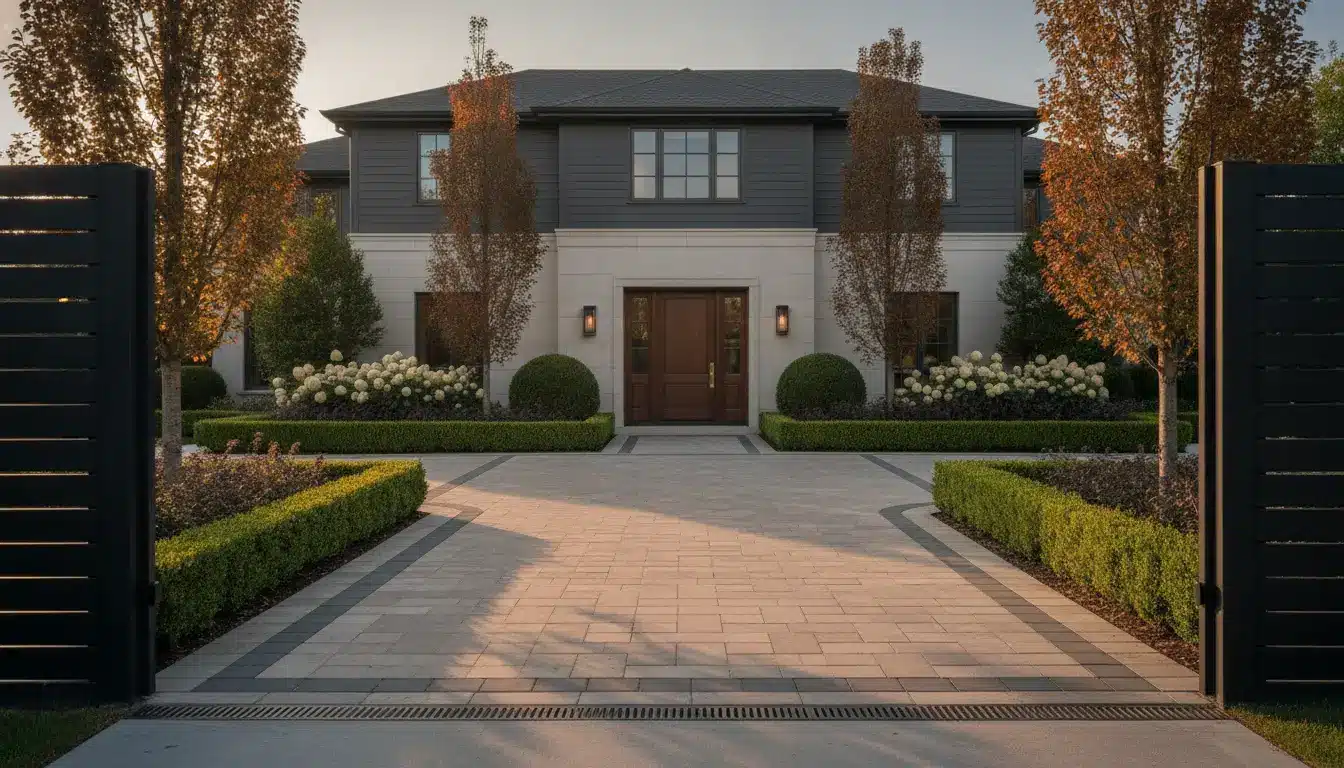
Driveways are usually treated as purely practical spaces, but they take up a significant portion of the front of many properties. That makes them an important part of the home’s overall appearance.
Materials such as concrete pavers, natural stone, gravel, and patterned concrete can create considerably more visual interest than a plain, unfinished surface.
Even simple details can help. A border of contrasting pavers, subtle landscaping along each side, or carefully positioned outdoor lighting can turn the driveway into part of the home’s exterior design rather than simply the place where cars are parked.
The goal should be to create a visual path toward the house.
2. Create a More Defined Entrance
One reason luxury properties often feel so impressive is that the entrance is clearly defined.
For some homes, that starts at the front door. For larger properties, the entrance begins where the driveway meets the street.
Adding automatic driveway gates can create that sense of arrival while also adding privacy and controlled access to the property. The key from a design perspective is choosing a gate that feels connected to the architecture rather than treating it as a separate feature.
A sleek metal sliding gate may complement a contemporary house, while decorative ironwork can feel more appropriate for traditional architecture. Wood accents can soften the appearance and work especially well with homes that already feature natural materials.
Proportion matters too. An oversized ornamental gate can overwhelm a modest home, while a gate that is too small may look disconnected from a larger property.
3. Upgrade the Outdoor Lighting
Exterior lighting is one of the easiest details to underestimate.
During the day, beautiful landscaping and architecture naturally attract attention. After sunset, lighting determines which parts of the property remain visible.
Instead of relying on one bright fixture near the front door, think in layers.
Wall sconces can frame an entrance, low pathway lights can define walkways, and subtle landscape lighting can highlight trees or architectural features. Lights positioned near driveway entrances or gates can also help visually connect the different areas of the property.
Warm, understated lighting generally creates a softer atmosphere than excessively bright fixtures.
Consistency is equally important. Choosing exterior lights with similar finishes, shapes, or design influences can make the entire property feel more considered.
4. Use Landscaping to Frame the Architecture
Great landscaping does not need to compete with the house.
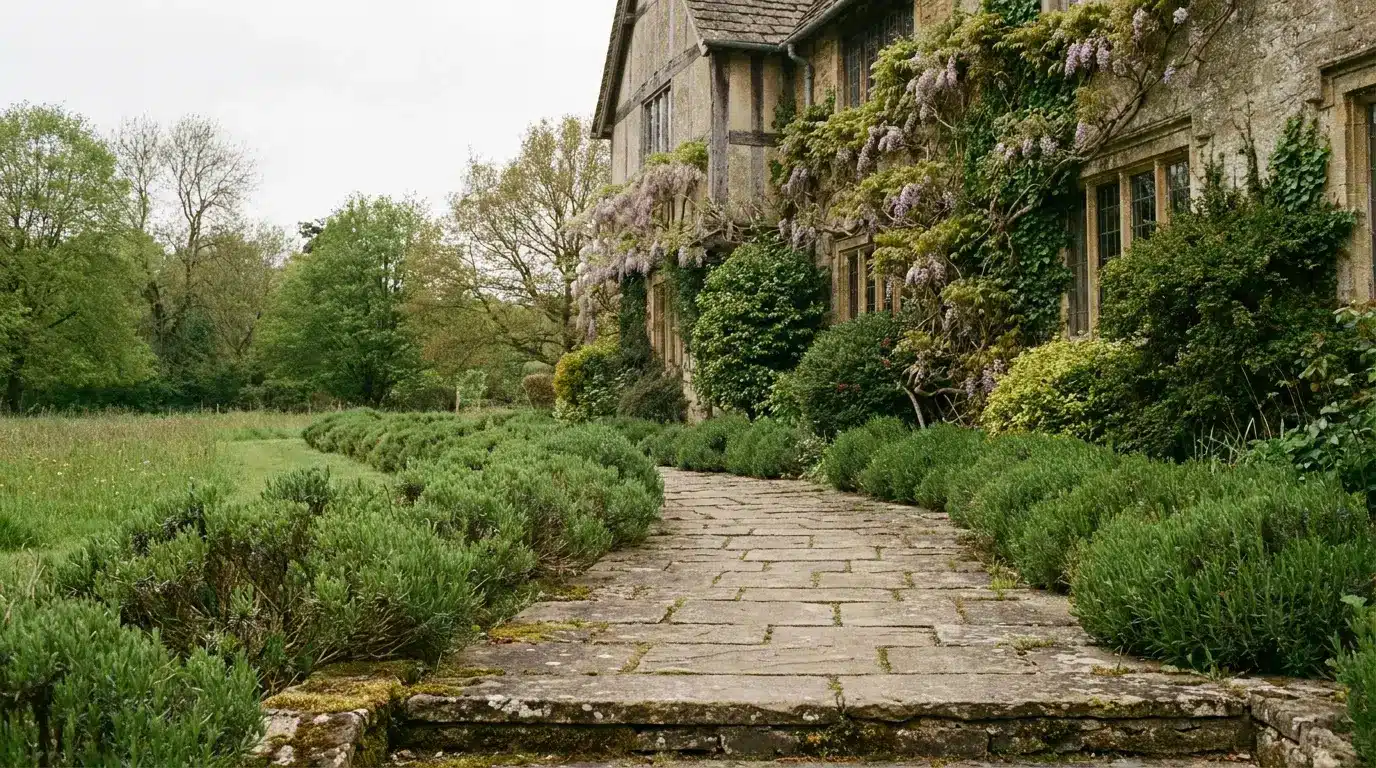
In many of the most attractive exterior designs, plants are being used to frame architectural features rather than hide them.
Low shrubs can emphasize pathways, taller plants can soften blank exterior walls, and carefully placed trees can create depth around the property. Repeating the same plants in several areas also creates rhythm and makes landscaping look more intentional.
Try to avoid filling every available space. Leaving breathing room between plants often produces a cleaner, more sophisticated result.
The best landscaping should feel established without appearing overgrown.
5. Keep Exterior Materials Consistent
One of the easiest ways to make an exterior feel disorganized is to introduce too many competing materials.
You might have black window frames, silver exterior lights, bronze door hardware, a wooden fence, and decorative ironwork around the driveway. Individually, each feature can look beautiful. Together, they may feel disconnected.
Instead, choose a small palette of materials and repeat them.
For example, black metal can appear in window frames, exterior lighting, house numbers, railings, and gates. Wood used around the entrance might be repeated in fencing or another architectural detail.
If you are making larger changes to the entrance or perimeter of the property, companies specializing in custom gates and access solutions, such as DC Controls, can also help integrate functional features into the property’s existing style.
Repeating finishes subtly throughout the exterior creates the same visual harmony that good interior designers use inside a home.
6. Give the Front Door More Attention
Your front door is one of the smallest architectural elements on the exterior, yet it has an outsized influence on how the home feels.
Sometimes all it needs is a fresh coat of paint.
Deep green, charcoal, warm wood, black, or muted neutrals can instantly change the character of an entrance. The right choice depends on the home’s existing exterior palette rather than whichever color happens to be trending.
Hardware matters as well.
A substantial door handle, attractive house numbers, symmetrical lighting, and a simple planter can make even an ordinary entrance feel much more finished.
The important thing is restraint. Five carefully chosen details usually look better than fifteen decorative accessories competing for attention.
7. Hide the Things That Create Visual Clutter
Luxury design is often less about what has been added and more about what has been removed from view.
Trash bins, garden hoses, utility boxes, children’s outdoor toys, recycling containers, and gardening equipment can quickly create visual clutter around an otherwise attractive home.
Look for ways to give these everyday necessities dedicated places.
A small privacy screen can hide garbage bins. A decorative hose holder can replace a tangled garden hose on the ground. Storage benches can keep smaller outdoor accessories out of sight.
Even something as simple as organizing the driveway and removing unnecessary objects from the entrance can make the exterior feel noticeably more polished.
The Best Exteriors Feel Intentional
Making a home look more expensive does not necessarily require luxurious materials or dramatic renovations.
What usually makes the biggest difference is consistency.
The driveway should lead naturally toward the home. Gates and fences should complement the architecture. Lighting should highlight important features. Landscaping should frame rather than overwhelm the property. Hardware and materials should feel connected from one area to the next.
Think of the exterior the same way you would style a room: choose a clear direction, remove unnecessary visual clutter, and invest in a few details that have a strong impact.
When every element feels like it belongs, even relatively simple homes can have the polished curb appeal that makes people stop and look twice.