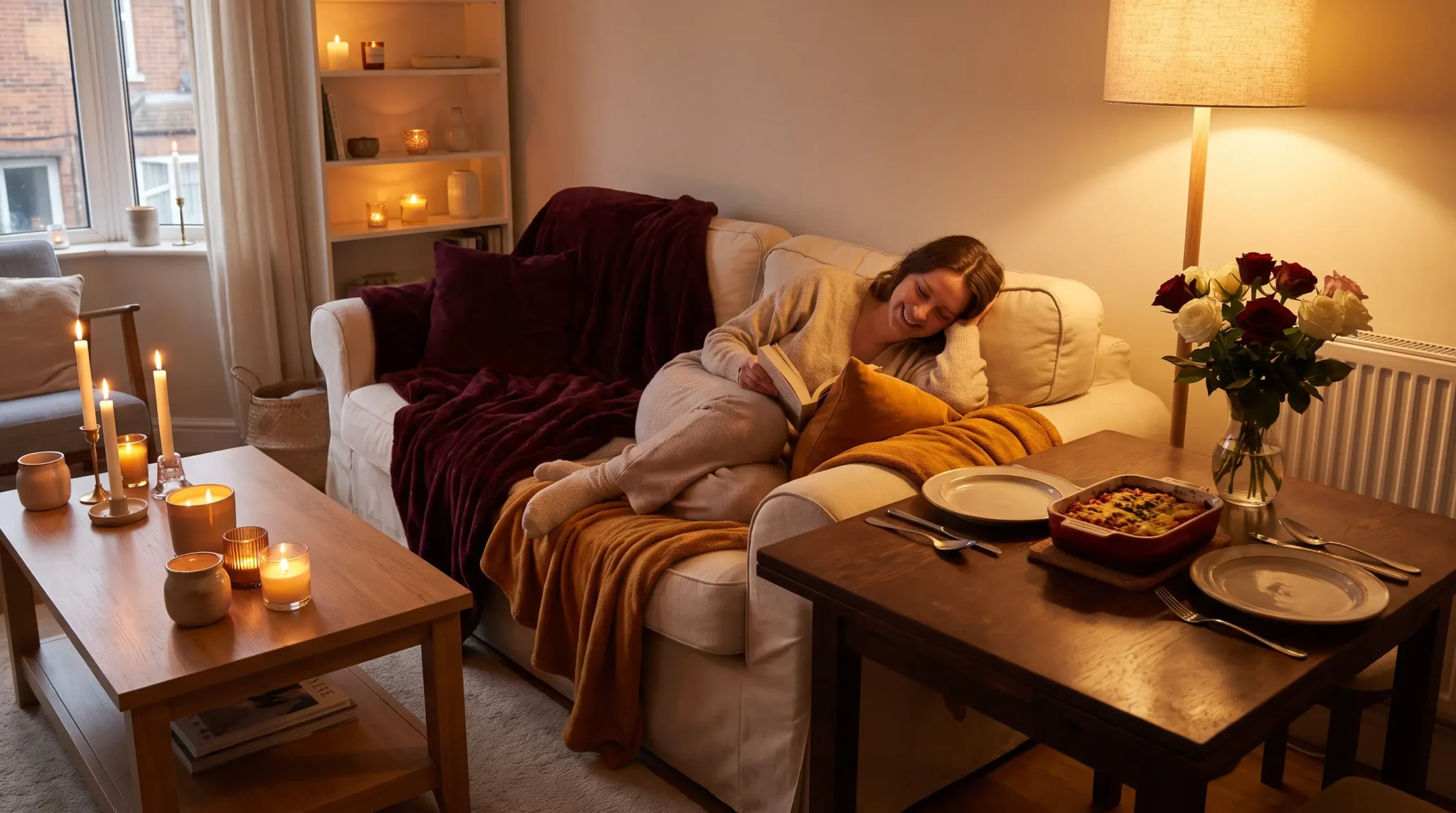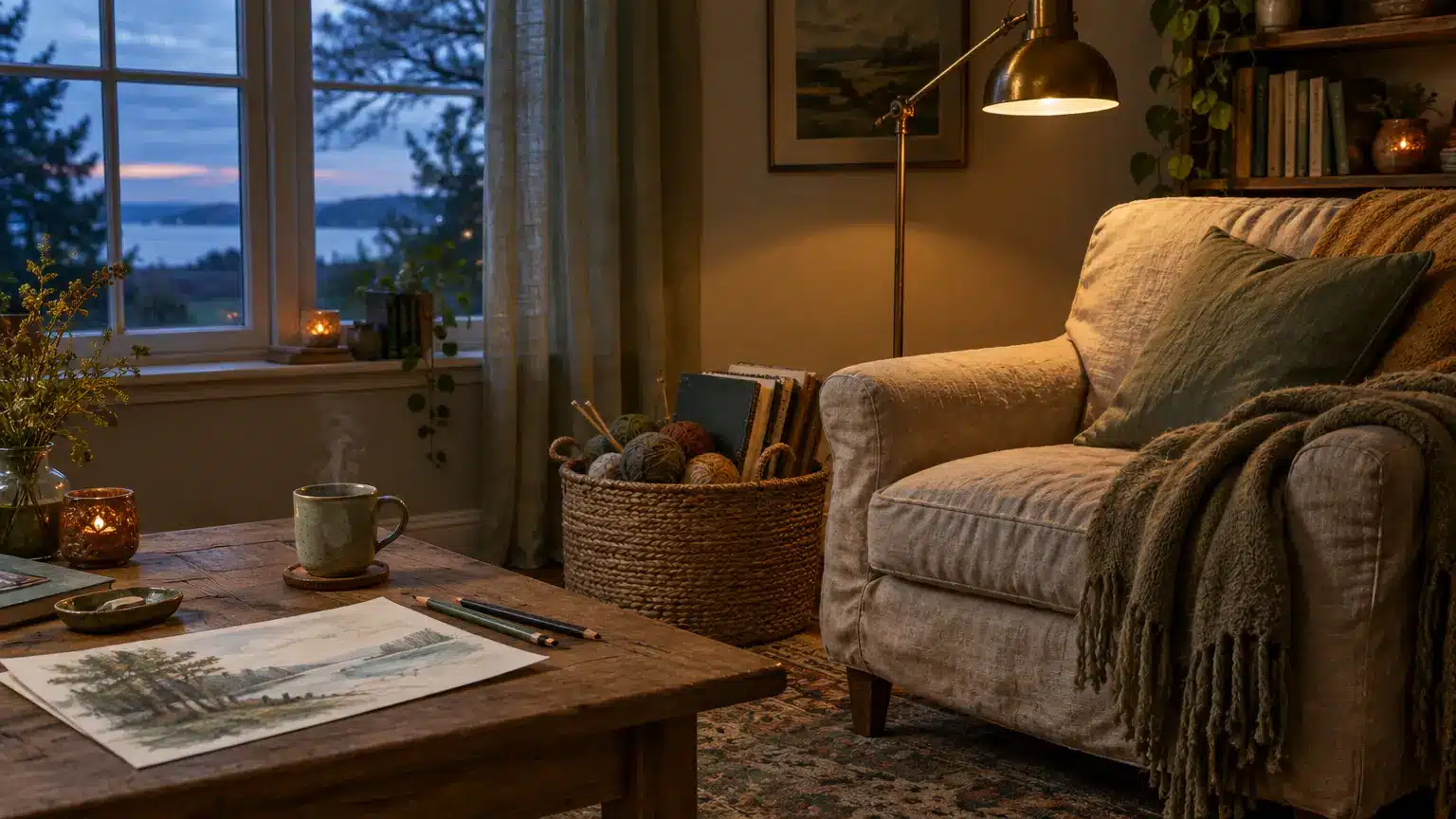
Staying home is no longer simply what happens when there is nowhere else to go. For many people, it has become an active choice shaped by greater control over surroundings, easier access to services, and more ways to spend time on personal interests. A living room can become a reading space, a place for learning, a cinema for the evening, or somewhere to work on a creative project.
As more activities become accessible without a trip across town, staying in can feel less restrictive and far more personal, shaped around individual routines rather than public schedules.
Reclaiming Control Over Personal Space
One reason staying in can feel so personal is the amount of control people have over their immediate surroundings. At home, lighting can be softened or brightened, music can be selected rather than overheard, and room temperature can be adjusted without negotiating with anyone else.
Personal objects reinforce that distinction. A photograph on a shelf, a well-used chair, books collected over several years, or a mug associated with a particular trip can carry meanings that standardized public interiors rarely provide. Research into personal stereos and everyday urban life has also examined how individuals use sound to manage their relationship with public surroundings. At home, that control extends across the room itself.
Staying in therefore offers something beyond convenience. It gives people direct authority over the setting in which their time unfolds, from background sound to the objects within reach.
Keeping More of Daily Life Within Reach
Mobile devices serve as powerful tools for personal connection, creativity, and efficient daily management. From one device, people can message friends, make video calls, manage banking, order groceries, arrange appointments, read, take photographs, edit creative work, and access numerous online services. Tasks that previously meant visiting several locations can often be completed at home, giving people more control over how they organize their time.
Mobile gaming transforms smartphones into another way to spend time at home, with games available directly through apps or browsers. Since the same device already handles communication, payments, media, and practical tasks, accessing games does not require separate equipment or a journey to another location.
This shift has also reached the casino sector, where mobile access means players no longer need to visit a physical venue to access online casino services. Options such as MrQ mobile casino can be accessed from home through a smartphone, showing how activities once closely associated with dedicated physical locations are now available through the same device people already use throughout the day.
Making Room for Hands-On Hobbies
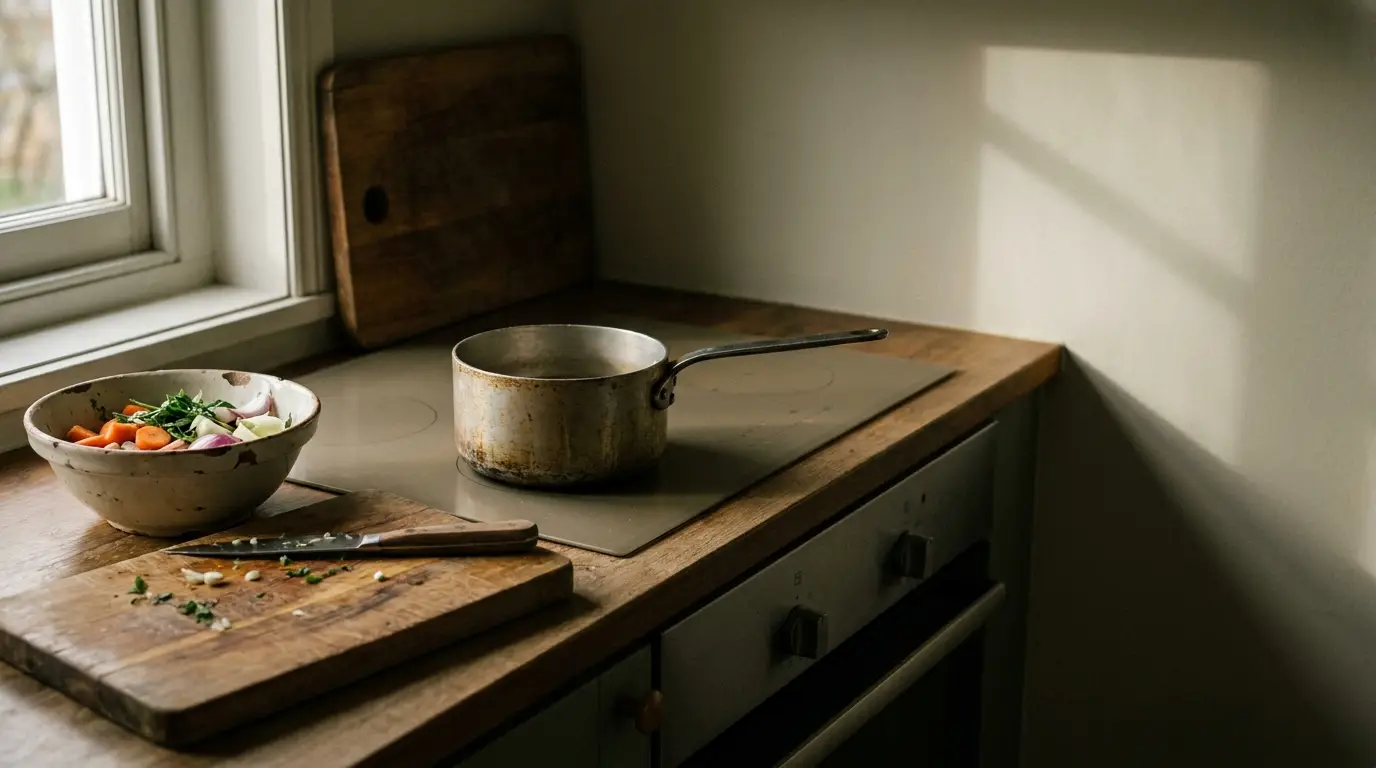
More time at home can create room for hobbies that are difficult to fit around repeated trips and fixed public schedules. Cooking is a straightforward example. Someone can spend an afternoon learning a new technique, testing a recipe, or preparing ingredients at their own pace. Crafting, drawing, photo editing, model building, writing, and reading can work in much the same way.
Online resources have expanded what people can attempt without leaving their rooms. Classes can demonstrate techniques step by step, while digital libraries, recorded performances, films, tutorials, and specialist communities can supply ideas or instruction. The screen does not have to replace the physical activity; it can simply support it. A tutorial might lead to work with paint, fabric, paper, tools, food, or an instrument.
Home spending can reflect this shift as well. Instead of directing every discretionary purchase toward going out, some people choose better cookware, books, craft supplies, speakers, comfortable furniture, or equipment connected to projects they regularly pursue at home.
Choosing a Different Pace for the Evening
An evening at home can be organized around personal routines rather than the practical demands of going somewhere. There is no train to catch, table reservation to keep, closing time to remember, or journey home to plan. Someone can start cooking at six, leave a sauce simmering while reading a few chapters, then eat later without having to coordinate the evening around a venue’s timetable.
Home activities are also easier to interrupt and return to. A film can be paused while dinner is prepared, a half-finished drawing can remain on the desk until tomorrow, and a knitting or model-building project can stay exactly where it was left. Even small details, such as choosing the lighting, changing the music, making coffee, or moving from the sofa to a reading chair, allow the evening to develop without a fixed program.
Rather than recreating a night out indoors, people can combine cooking, reading, music, films, creative projects, and conversation in whatever order suits the time available.
Investing in Comfort That Lasts Beyond One Night
Money once set aside for frequent evenings out can also go toward objects that are used repeatedly at home. A reading lamp can improve a corner used every night, while better pans may support regular cooking rather than a single restaurant meal. Someone who paints might buy a proper easel and storage for supplies, while a regular reader might add shelving and a chair beside a window.
Many useful changes cost little or require no purchase at all. Moving a desk closer to daylight can make it better suited to drawing or writing. A basket beside an armchair can keep books and craft materials within reach, while a small table can provide a permanent place for a record player, coffee equipment, or another frequently used item.
As these decisions accumulate, rooms become increasingly specific to their occupants. Instead of being arranged mainly for appearance, the home starts reflecting how people actually cook, read, create, listen, and spend their free hours.