Skincare aisles and injectable menus can feel like two different worlds, yet most people want the same thing from both: skin that looks calm, smooth, and like a rested version of themselves. Choosing between a serum and a syringe gets confusing fast; marketing often blurs the line and promises overlap on every label, and it is easy to walk away wondering if you picked the wrong tool for the job entirely.
This guide breaks down what each approach really fixes, where their strengths stop, and the middle ground where a solid routine and a well-placed injectable work toward the same goal. Think of it as a map, not a sales pitch- something you can use before you spend money on either one. By the end, you should have a clearer sense of what to try first and what to save for a professional consultation.
What Skincare Handles Best
A good skincare routine works on the skin’s surface and upper layers. Cleansers, exfoliants, retinoids, and antioxidants change how skin behaves over weeks and months, not overnight. They fade dark spots, smooth rough texture, calm redness, and slow down small signs of sun damage before they turn into deeper lines. Consistency matters more than any single product, since skin cells take roughly a month to fully turn over and show visible change.
Where skincare shines is prevention and maintenance. Sunscreen protects collagen you already have. Vitamin C brightens tone and softens the look of early sun spots. Peptides support the skin’s own repair process, and gentle exfoliation keeps pores clear so other products absorb properly. None of these products can lift sagging tissue or fill a deep fold, yet they keep the canvas healthy so any other treatment you add later has something good to work with. A rushed or inconsistent routine rarely delivers noticeable change, no matter how expensive the products are.
What Injectables Handle Best
Injectables solve problems that live below the surface, not on top of it. Neuromodulators relax muscles that cause repeated creasing, while fillers restore volume that fades with age. A licensed provider at Park Aesthetics can map out which areas need muscle relaxation versus structural support, since the two categories treat completely different mechanisms and mixing them up leads to disappointing results.
- Neuromodulators, such as Botox or Dysport, soften forehead lines, crow’s feet, and frown lines
- Fillers restore volume in cheeks, lips, temples, and under-eye hollows
- Both work quickly, with visible results appearing within days to two weeks
- Results typically last three to twelve months, depending on the product and treatment area
- A trained provider adjusts dosage and placement based on your facial anatomy
Where These Two Approaches Meet
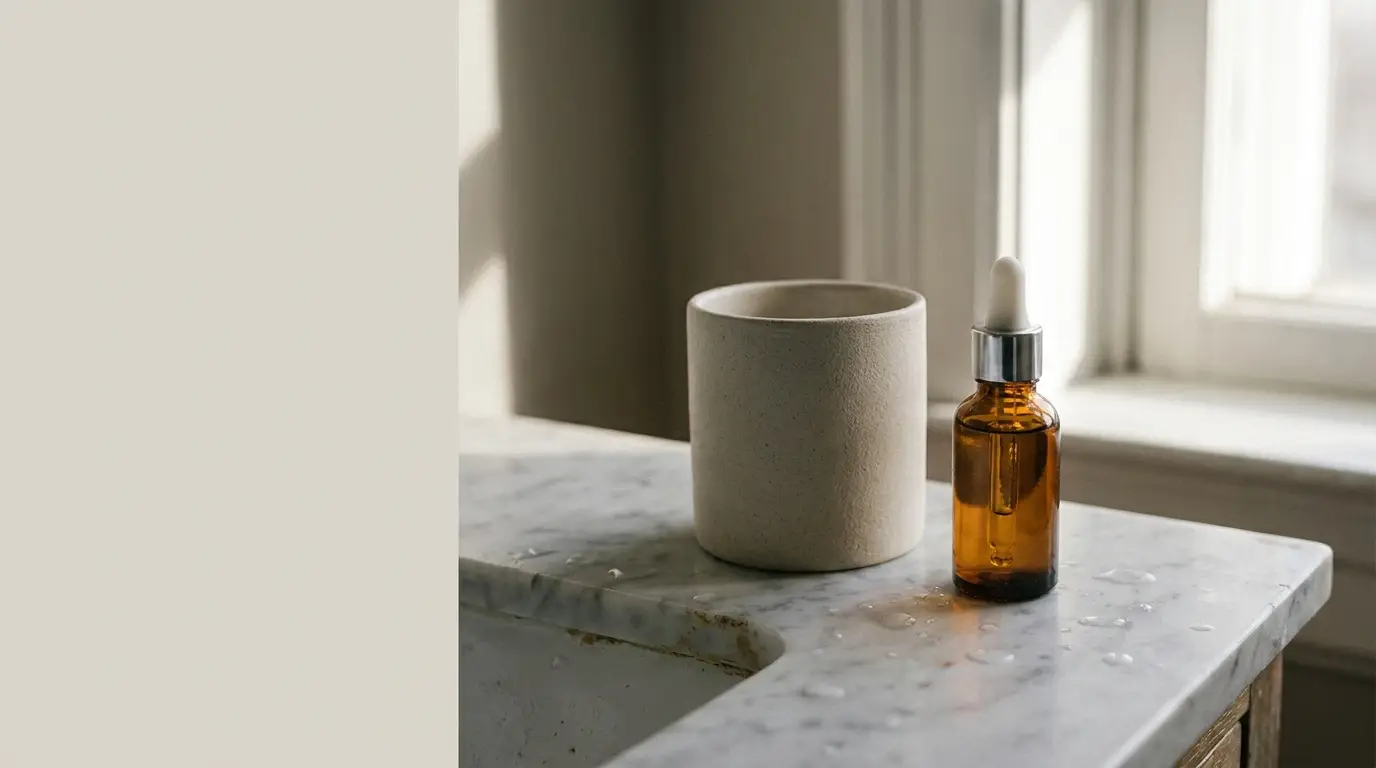
Skincare and injectables are not competing teams; they overlap more than most people realize. Retinoids stimulate collagen production slowly over time, and fillers replace volume immediately, so pairing both gives skin support from two different directions at once, one working now and one working gradually.
Sunscreen protects the results of any injectable by slowing the breakdown of collagen and preventing new damage from forming around treated areas. Skipping sun protection after a treatment shortens how long the results look fresh and even, and it can make bruising or redness linger longer than it should.
Hydration is another shared goal worth noting. Hyaluronic acid serums plump the surface temporarily, while hyaluronic acid fillers restore volume at a deeper level underneath. Using both is not redundant; it simply addresses different layers of the same concern, and well-hydrated skin tends to heal faster after any injectable session.
How to Decide What You Need
Start with what bothers you most. Fine lines that appear only when you make an expression usually respond well to neuromodulators. Static lines that show up even at rest, or hollow areas that never fill back in, often need volume instead of relaxation.
Texture, tone, and dullness are jobs for a consistent skincare routine, not an injection. Give any new product routine at least eight to twelve weeks before judging its real results fairly, and introduce active ingredients one at a time so your skin can adjust.
Budget and downtime matter too. Skincare is a slower, lower-cost commitment you control daily at home. Injectables need a scheduled appointment, a recovery window of a day or two, and a repeat visit every few months to maintain results over the long run.
A consultation with a trusted provider can clarify which category, or combination, fits your skin and goals best. Bring photos of what you would like to change and stay honest about your current routine so the plan matches your daily habits instead of guessing at them. Most people end up needing a mix of both approaches rather than choosing just one, since skin concerns rarely fall neatly into a single category.
Creating Your Glow Routine
Skincare and injectables are not rivals; they are two tools that solve different problems on the same face. A steady routine protects and slowly improves the skin you already have, while injectables address structural changes that no cream can reach on its own. Used together, thoughtfully and with real information about what each one does, they help skin look like a well-rested version of itself, not a different face altogether, and that combination is usually what people mean when they say a treatment plan really worked. The right starting point is simply the one that matches your biggest concern today, with room to add the other tool once you see how your skin responds.
Frequently Ask Questions
1. What are the main differences between skincare and injectables?
Skincare primarily targets the skin’s surface and upper layers, focusing on prevention and maintenance over time. It helps improve texture, tone, and minor signs of aging. Injectables, on the other hand, address deeper issues beneath the surface, such as muscle creasing and volume loss, providing more immediate results.
2. How long does it take to see results from skincare versus injectables?
Results from skincare can take several weeks to months to become visible as skin cells take time to turn over. Consistency is key for noticeable changes. In contrast, injectables typically show results within days to two weeks, with effects lasting three to twelve months, depending on the product used.
3. Can I use skincare and injectables together?
Yes! Skincare and injectables can complement each other. For example, using retinoids alongside fillers can provide both immediate volume restoration and gradual collagen stimulation, while sunscreen protects the results of any injectable treatment.
4. How do I decide whether to use skincare or injectables for my skin concerns?
Start by identifying your main concerns. Fine lines that appear with expression may benefit from neuromodulators, while static lines or volume loss might need fillers. For texture and dullness, a consistent skincare routine is usually the best approach. Consulting a trusted provider can help tailor a plan to your needs.
5. What should I consider regarding budget and downtime when choosing between skincare and injectables?
Skincare is generally a lower-cost, daily commitment that you manage at home, requiring patience for results. Injectables involve scheduled appointments and a brief recovery period, with the need for repeat visits every few months to maintain results. Consider your budget and how much time you can dedicate to recovery when making your decision.