Hyperpigmentation, or dark patches and spots on the skin, is one of the most common skin concerns people want to address. Whether triggered by sun exposure, hormonal changes, or post-inflammatory darkening, hyperpigmentation often persists despite topical skincare efforts. Understanding why it develops and what realistic treatment options exist helps you make informed decisions about addressing it.
What Hyperpigmentation Is and Why It Develops
Hyperpigmentation occurs when melanin, the pigment that gives skin its color, becomes concentrated in certain areas rather than distributed evenly. This creates darker spots, patches, or overall uneven tone.
Sun exposure is the most common cause. The sun stimulates melanin production as a protective mechanism. Over years of exposure, this accumulates as sun spots or age spots that are primarily sun-related darkening.
Hormonal changes including pregnancy, oral contraceptive use, or hormone replacement therapy can trigger hyperpigmentation. This hormonally-triggered hyperpigmentation often affects the face and is sometimes called melasma or chloasma.
Post-inflammatory hyperpigmentation occurs after skin irritation or injury, including acne, eczema, or wounds. After the inflammation resolves, melanin remains concentrated in the affected area, leaving dark marks.
Genetic predisposition means some people are more prone to hyperpigmentation. Darker skin types are more susceptible to both hormonal hyperpigmentation and post-inflammatory darkening.
Aging combined with cumulative sun exposure means hyperpigmentation often becomes more noticeable over time.
How Hyperpigmentation Is Different from Other Skin Concerns
Hyperpigmentation is distinct from other appearance concerns in important ways.
Unlike acne or texture issues, hyperpigmentation is purely about color distribution. Your skin texture and smoothness might be fine, but the uneven tone bothers you.
Some hyperpigmentation is very surface level and might respond to topical approaches. Other hyperpigmentation involves deeper skin layers where surface treatments can’t effectively reach.
Post-inflammatory hyperpigmentation sometimes fades gradually on its own over months. Sun-related pigmentation and hormonal hyperpigmentation typically persist without intervention.
Topical Approaches to Hyperpigmentation
Some topical products can lighten hyperpigmentation to a degree, particularly if the darkening is very superficial.
Vitamin C supports skin brightness and antioxidant protection, potentially helping prevent future darkening.
Retinoids increase cell turnover and can gradually lighten pigmentation over weeks or months of consistent use.
Niacinamide supports skin barrier and may have modest brightening effects.
AHAs and BHAs promote gentle exfoliation that removes outer skin layers where some superficial pigmentation exists.
Hydroquinone (available in various strengths) has been used traditionally for lightening, though it’s become somewhat controversial and may have risks with long-term use.
These products have modest effects on pigmentation, often requiring months of consistent use to see noticeable improvement. They work best on very superficial pigmentation and are less effective for deeper darkening.
Professional Treatment Options for Hyperpigmentation

When topical approaches haven’t produced adequate results, professional treatments use different mechanisms to address pigmentation.
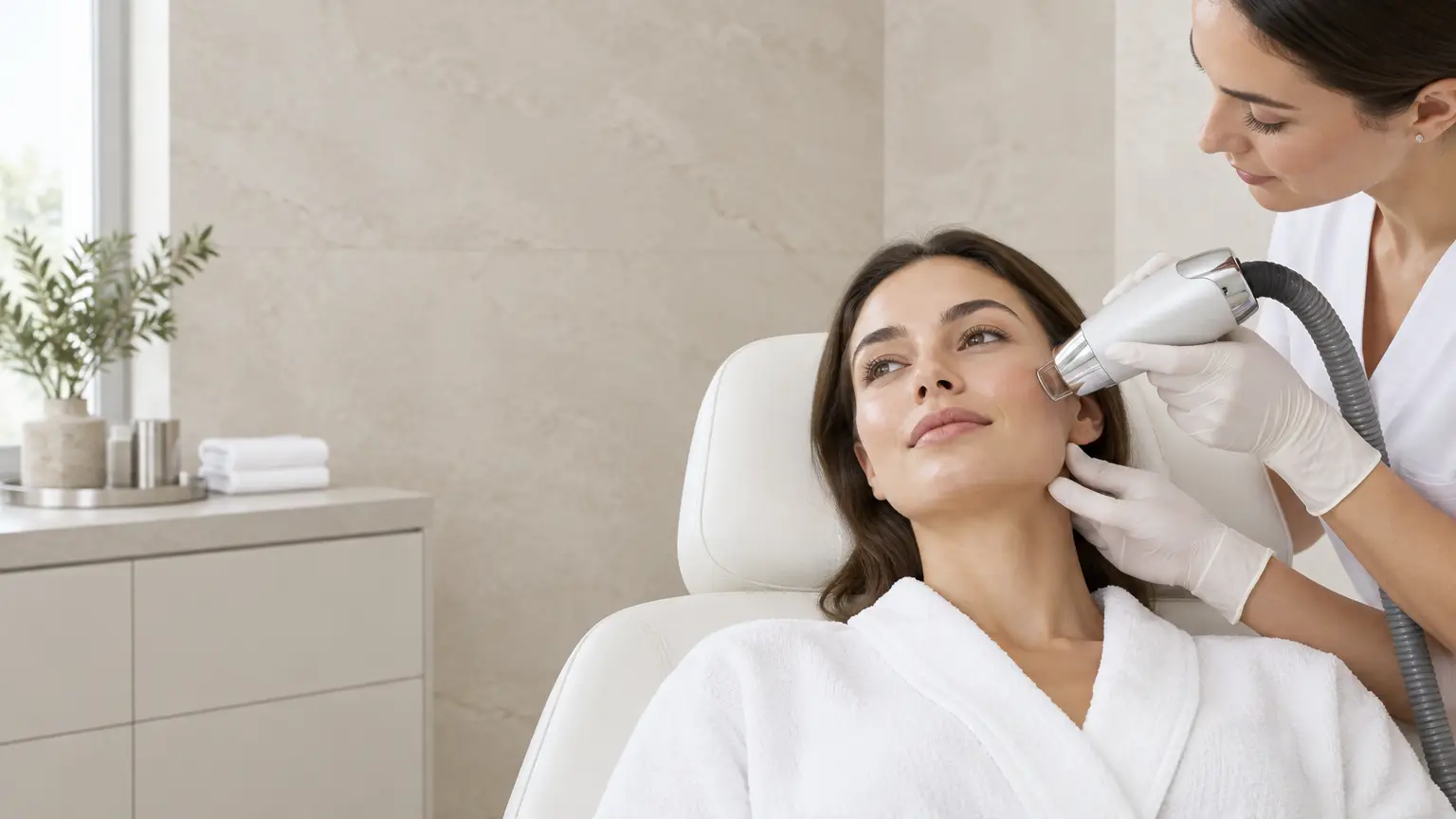
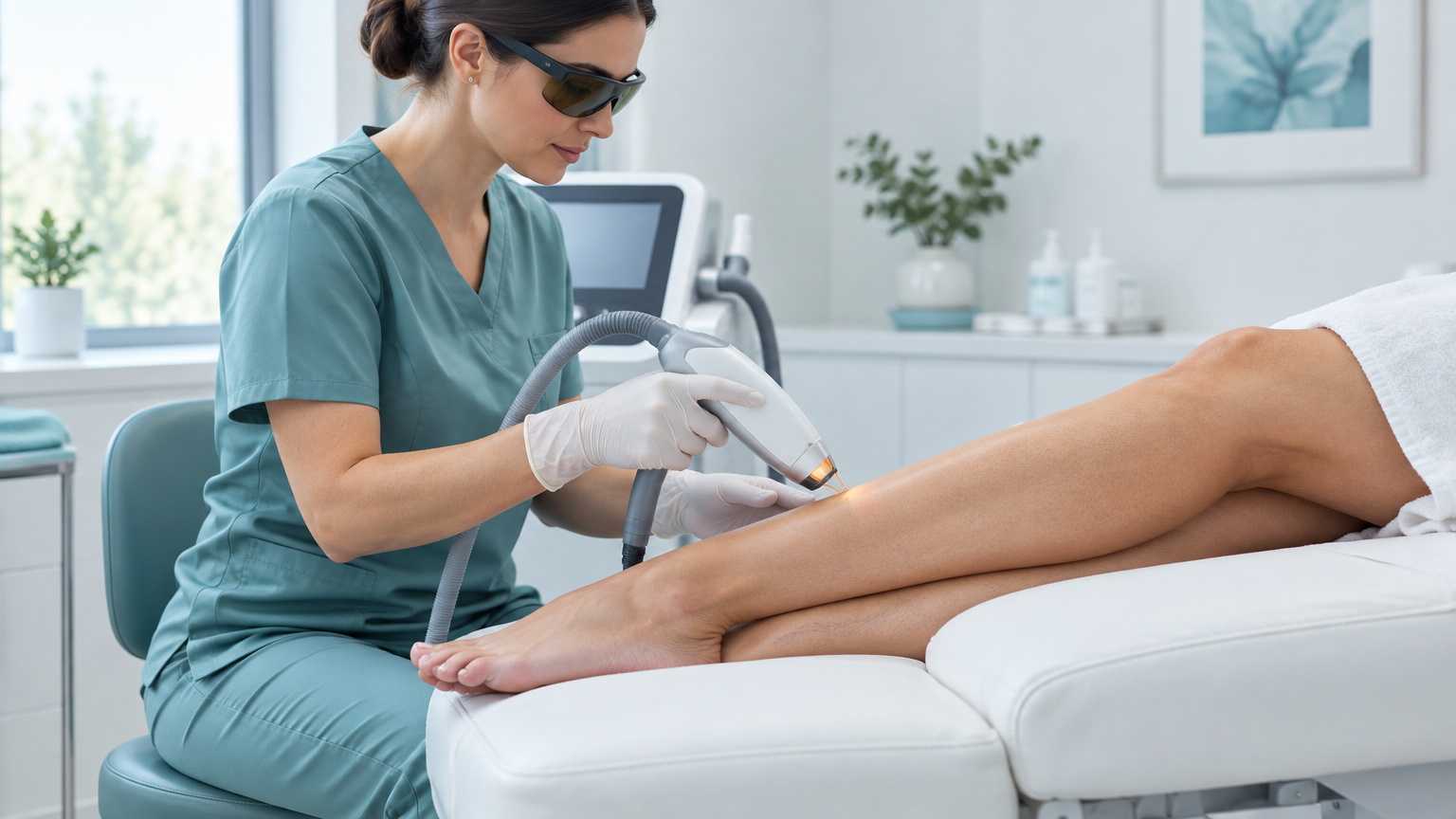
Laser treatments specifically target melanin in the skin. Different lasers work in different ways. Some remove superficial pigmented layers. Others deliver energy that disrupts pigment-producing cells. Some work better for certain types of pigmentation.
Chemical peels use concentrated acids to remove outer skin layers where superficial pigmentation exists. Stronger peels reach deeper and can address deeper darkening.
Microdermabrasion physically removes the outer skin layer, helping with very superficial pigmentation.
Combination approaches often work better than single treatments. A laser treatment combined with appropriate skincare might produce better results than either alone.
Treatment effectiveness depends on several factors:
- How deep the pigmentation extends into the skin
- Whether hormonal factors are still causing darkening
- Your skin type and how your skin responds to treatment
- Consistency with sun protection after treatment
Realistic Expectations for Pigmentation Treatment
Understanding what’s realistically achievable helps you make informed decisions.
Complete removal is not always possible. Some hyperpigmentation responds very well to treatment. Other pigmentation proves stubborn and doesn’t fully resolve despite appropriate treatment.
Pigmentation can recur. If the underlying cause (sun exposure, hormonal factors) isn’t addressed, new pigmentation can develop even after treatment.
Results vary individually. Two people with similar-appearing pigmentation may have very different treatment responses based on skin characteristics, depth of pigmentation, and other factors.
Multiple sessions may be needed. A single treatment often isn’t sufficient. Multiple sessions spaced weeks apart typically produce better results.
Downtime varies. Some treatments have minimal downtime. Others cause temporary redness, peeling, or other effects that require adjustment of activities temporarily.
Treatment for Pigmentation Concerns
When considering professional treatment for hyperpigmentation, skin brightening treatment options provide information about laser and other approaches specifically addressing pigmentation.
Sun Protection: Prevention and Maintenance
Sun protection is critical both for preventing new pigmentation and for protecting treated skin.
Broad-spectrum sunscreen (SPF 30 or higher) used daily prevents sun damage that creates or worsens hyperpigmentation. Many people underestimate how important this is and then develop new pigmentation after treatment.
Avoiding unnecessary sun exposure and seeking shade when possible reduces the cumulative sun exposure that drives hyperpigmentation.
Protective clothing including hats and sun-protective fabrics can help if you spend significant time outdoors.
People prone to hyperpigmentation, particularly those with hormonal sensitivity or genetic predisposition, benefit from especially consistent sun protection.
Wellness and Aesthetic Services in Your Area
For ongoing skincare and aesthetic treatments supporting skin health, spa packages in hamilton provide professional skincare and wellness services including those addressing pigmentation concerns.
Managing Realistic Timelines
Pigmentation concerns often develop gradually over years. Expecting immediate resolution after one treatment is unrealistic.
Professional treatments begin addressing pigmentation immediately but results develop over weeks or months. Continued sun protection and possibly maintenance treatments help maintain results.
Patience and consistency with sun protection are essential whether using topical approaches or professional treatments.
Additional Skin Health Considerations
While treating existing hyperpigmentation, supporting overall skin health contributes to better appearance and results.
Adequate hydration, antioxidant support through diet and products, sufficient sleep, stress management, and avoiding smoking all support skin health.
These lifestyle factors don’t immediately eliminate hyperpigmentation but contribute to overall appearance and skin resilience.
Conclusion
Hyperpigmentation develops through various causes including sun exposure, hormonal changes, post-inflammatory effects, and aging. While topical products provide modest support, professional treatments often produce more meaningful results for established hyperpigmentation. Realistic expectations recognize that complete removal isn’t always possible and that consistent sun protection is essential for preventing recurrence. Whether addressing pigmentation through topical approaches or professional treatments, patience and consistency typically produce better results than expecting immediate dramatic change. Understanding your specific pigmentation, its likely cause, and appropriate treatment options helps guide effective approaches to addressing this common skin concern.