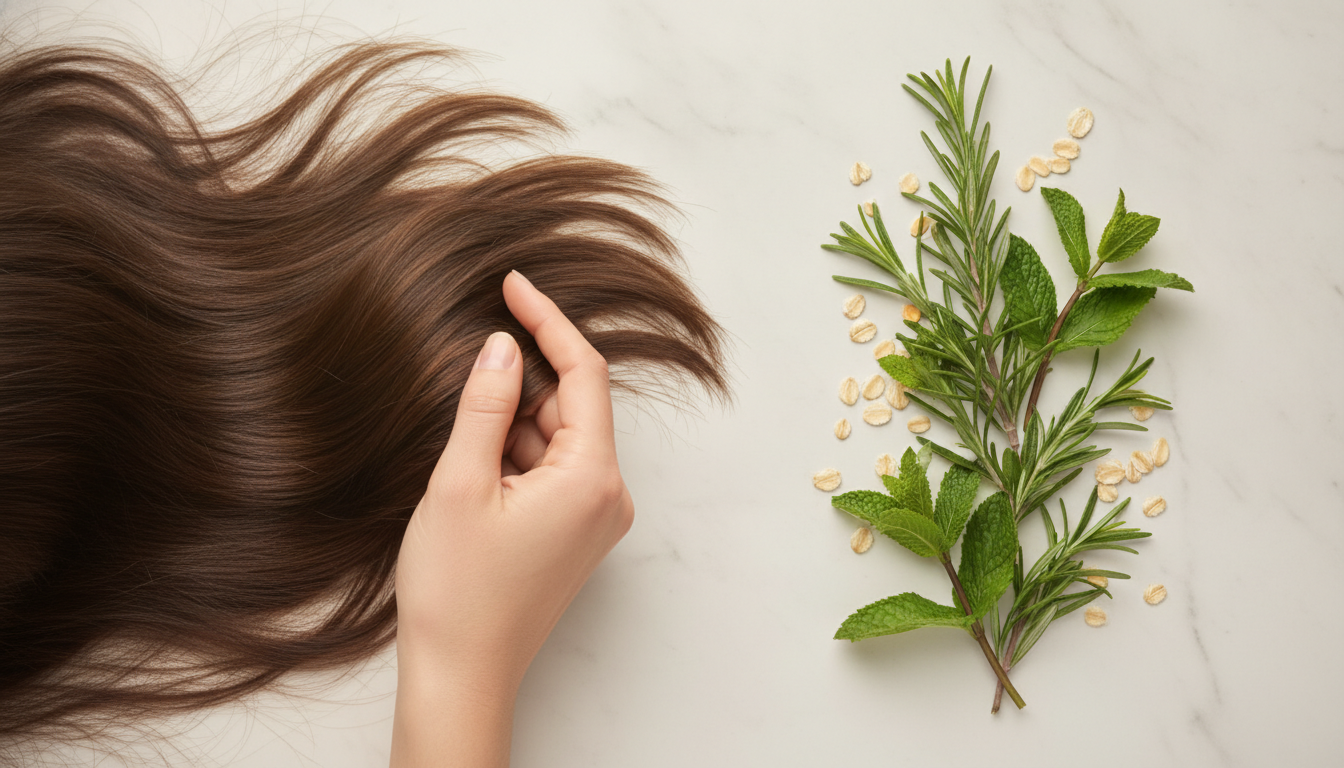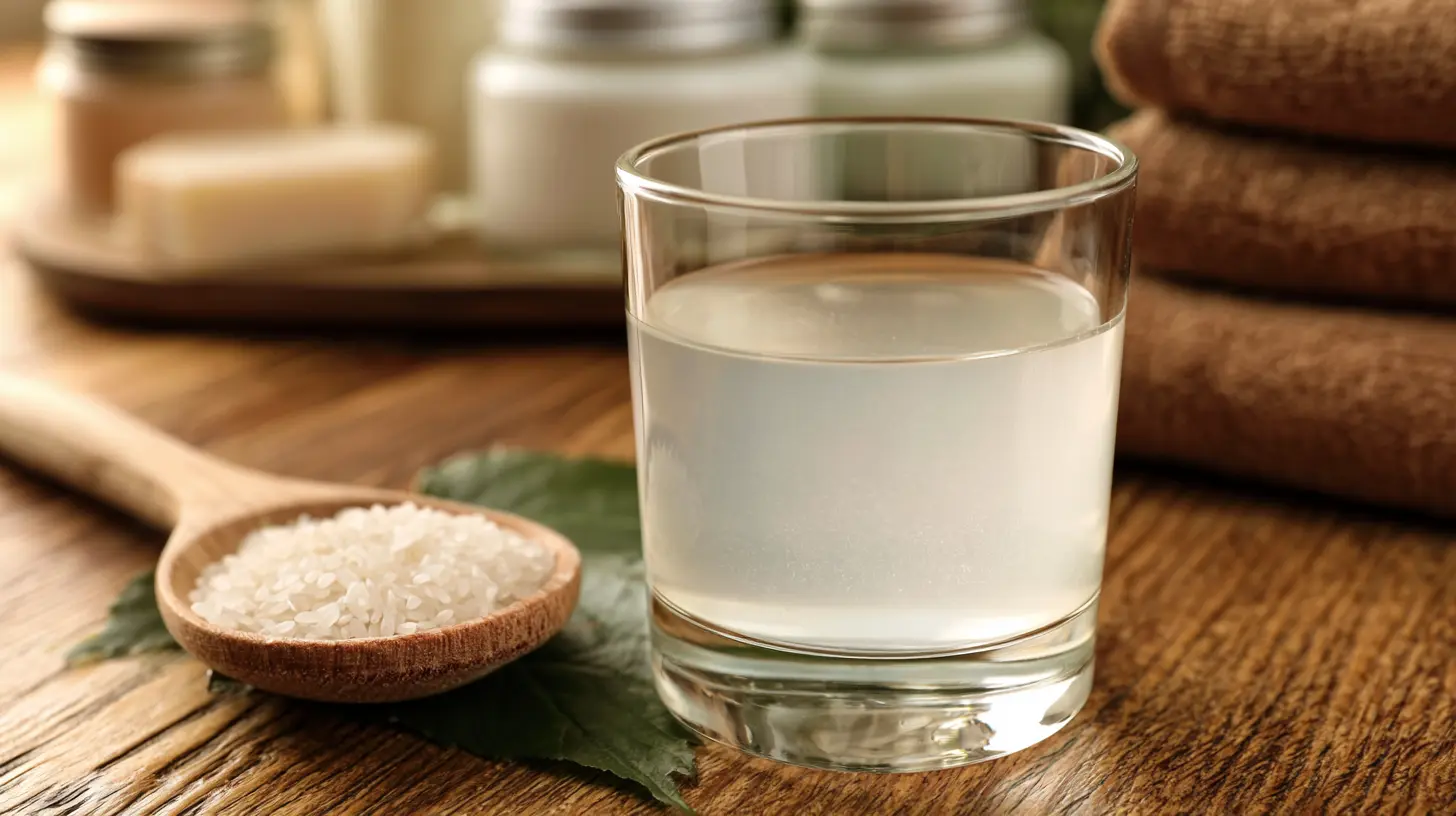
Rice water has not been proven to make hair grow faster or stimulate new growth from the scalp.
Its possible benefit is more closely linked to the hair shaft, where it may help reduce friction and breakage.
When fewer strands break, more of the hair you naturally grow can remain intact, making it easier to retain length over time.
However, this does not mean rice water changes your natural growth rate.
Direct research on homemade rice water is also limited.
Much of the available research examines rice bran, rice extracts, or individual compounds rather than the rinse people make at home.
This distinction matters when judging claims about whether rice water helps hair grow.
Does Rice Water Help Hair Grow Faster?
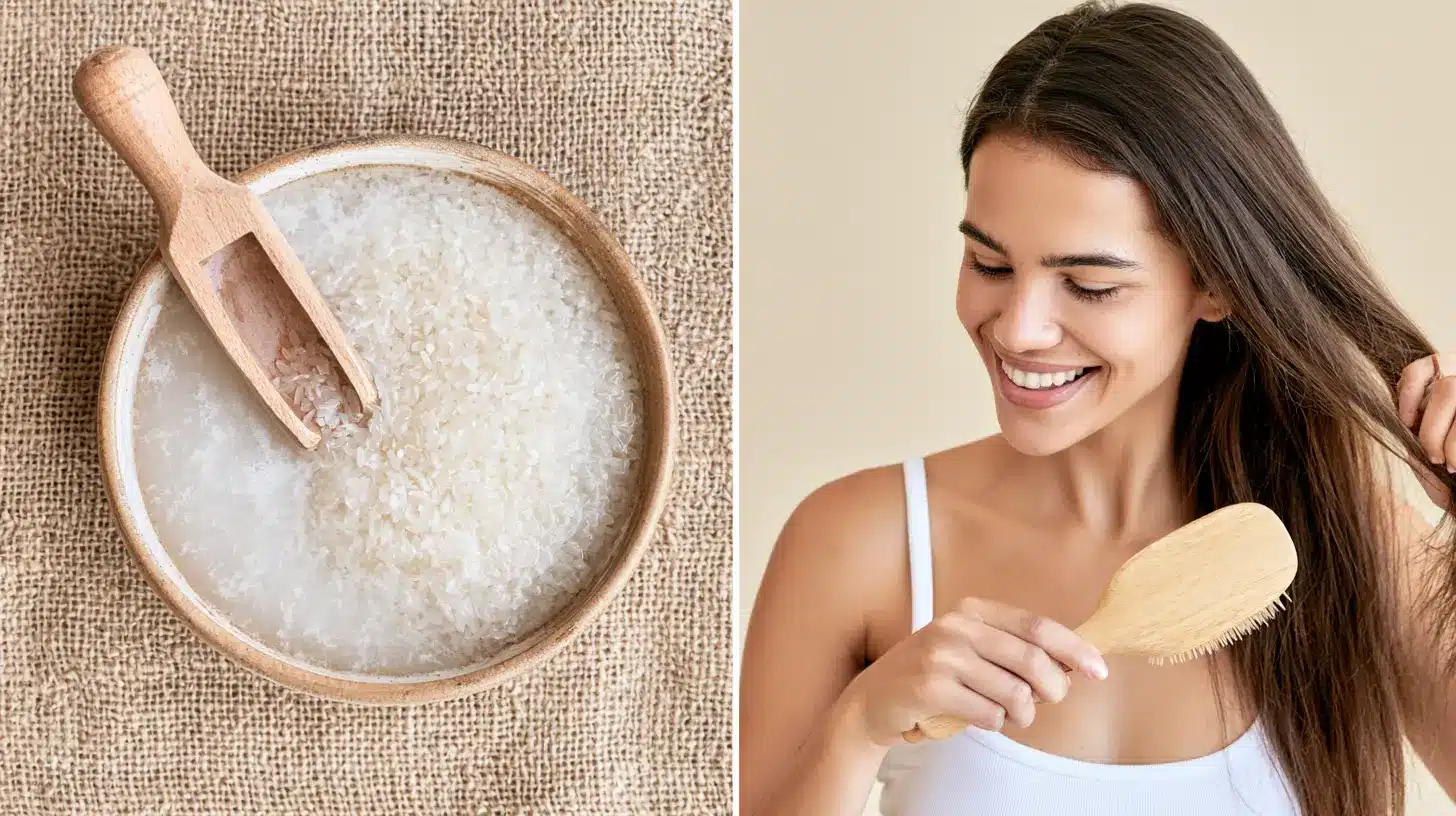
The short answer is no, not in the way the scalp produces new growth. There is no strong evidence that rice water stimulates the hair follicle to work faster.
Rice water may help curly hair feel smoother and stronger, but using it too often can cause dryness or stiffness, especially on protein-sensitive curls.
“Despite decades of use, there is no definitive data proving its effectiveness in increasing hair growth,” says board-certified dermatologist Joshua Zeichner, M.D. Rice water may help curly hair feel smoother and stronger, but using it too often can cause dryness or stiffness, especially on protein-sensitive curls.
Rice water may help you keep more of the hair you already grow, but it does not appear to change how fast it grows.
That difference matters because a rinse that strengthens strands is not the same as one that speeds up biological growth. People often mistake one for the other because both can result in longer-looking hair over time.
Hair Growth vs. Length Retention
To understand what rice water may actually do, it helps to separate hair growth from length retention. These two processes are related, but they are not the same.
| Hair Growth | Length Retention |
|---|---|
| Happens below the scalp, inside the hair follicle. | Happens above the scalp, where existing strands either stay intact or break. |
| Determines how quickly new hair grows. | Determines how much of that growth you actually keep. |
| For example, hair may grow half an inch each month. | If the ends break off at the same rate, you may not notice the added length. |
| Rice water has not been shown to speed up this process. | Reducing breakage may help you retain more of your natural growth. |
In short, rice water may support length retention by reducing breakage, but it does not appear to increase the rate of hair growth.
What Does the Research Say About Rice Water and Hair Growth?
Understanding the evidence matters here because online popularity has outpaced clinical testing. Separating what has actually been studied from what has simply gone viral gives a clearer picture of what to expect.
Is There Scientific Evidence That Rice Water Grows Hair?
Direct research on rice water and human hair growth is still limited. Most of what circulates online comes from personal experience rather than controlled testing.
A 2022 review by dermatology researchers at the University of Minnesota, published in the Journal of Cosmetic Dermatology, examined popular social media hair growth trends and found little to no supporting literature behind most of them.
Traditional use in some cultures does not by itself confirm a measurable effect on hair growth. Popularity online is not the same as proof in a lab.
What Studies Say About Rice-Derived Ingredients
Most of the available research looks at rice bran, inositol, and related compounds rather than plain soaked rice water.
These studies examine things like hair surface friction, elasticity, and how strands respond to specific extracts.
One laboratory study on rice bran extract effects on hair found changes in growth-related activity in animal models, and separate research on a rice bran mineral extract and gene expression reported effects on markers tied to the active growth phase of the hair cycle.
These results come from concentrated rice bran extracts, not from rinsing hair with water that plain rice has soaked in, so the two should not be treated as equivalent.
Takeaway: Studies on rice bran extract do not automatically apply to a homemade rice water rinse.
What the Evidence Really Shows
Current research points to some possible hair-care benefits, but it does not support the stronger claims often made about rice water and hair growth.
| Evidence suggests | Evidence does not prove |
|---|---|
| Possible improvement in how hair feels | Faster hair growth from the scalp |
| Reduced surface friction on the hair shaft | New hair growth in areas of thinning |
| Possible reduction in hair breakage over time | Treatment for diagnosed hair loss |
Overall, rice water may help improve the condition of existing hair, but there is not enough evidence to call it a hair-growth treatment.
What are the Potential Benefits of Rice Water for Hair?
Read these as potential cosmetic benefits rather than guaranteed results, since responses vary from person to person.
- May Reduce Hair Breakage: A smoother hair shaft may be less likely to snap during brushing or styling. Less breakage can help you retain more of your naturally grown length, especially on fragile or damaged ends
- May Make Hair Smoother: Rice water may reduce friction between strands, making hair easier to detangle and comb. However, it cannot repair split ends or reverse permanent hair damage.
- May Increase Shine: Smoother hair surfaces can reflect light more evenly, making strands appear shinier. This is mainly a cosmetic effect and does not indicate faster growth or healthier roots.
- May Make Hair Feel Stronger: Rice water may leave some hair feeling firmer or more resilient. Results can vary by hair type, condition, and how the rinse is prepared, so this effect is not guaranteed.
Overall, rice water may offer simple hair-care benefits, especially less breakage and easier detangling. However, these effects do not prove that it speeds up hair growth.
Can Rice Water Help With Hair Loss?
Hair loss and hair breakage are frequently confused, and the distinction matters before trying any home remedy. Rice water is not a proven treatment for hair loss.
Shedding involves full hairs falling out from the root, often tied to the natural hair cycle or an underlying condition. Breakage involves strands snapping partway along their length, usually from friction or damage. The two can look similar at first glance but point to different causes.
Rice Water for Shedding vs. Breakage:
Shedding and breakage can look similar, but they happen for different reasons. Knowing the difference helps you understand whether rice water may actually address your hair concern.
| What you notice | What it may indicate |
|---|---|
| Short broken pieces | Breakage |
| Full-length hairs with a root | Shedding |
| A widening part line | Possible thinning |
| Patchy bald spots | Possible hair-loss condition |
These signs are not a diagnosis. According to MedlinePlus, anyone noticing gradual or patchy hair loss that continues over weeks or months should have it evaluated by a qualified healthcare provider rather than relying on a home rinse.
Takeaway: If you are seeing shedding rather than breakage, rice water is unlikely to be the right response.
How to Use Rice Water for Hair
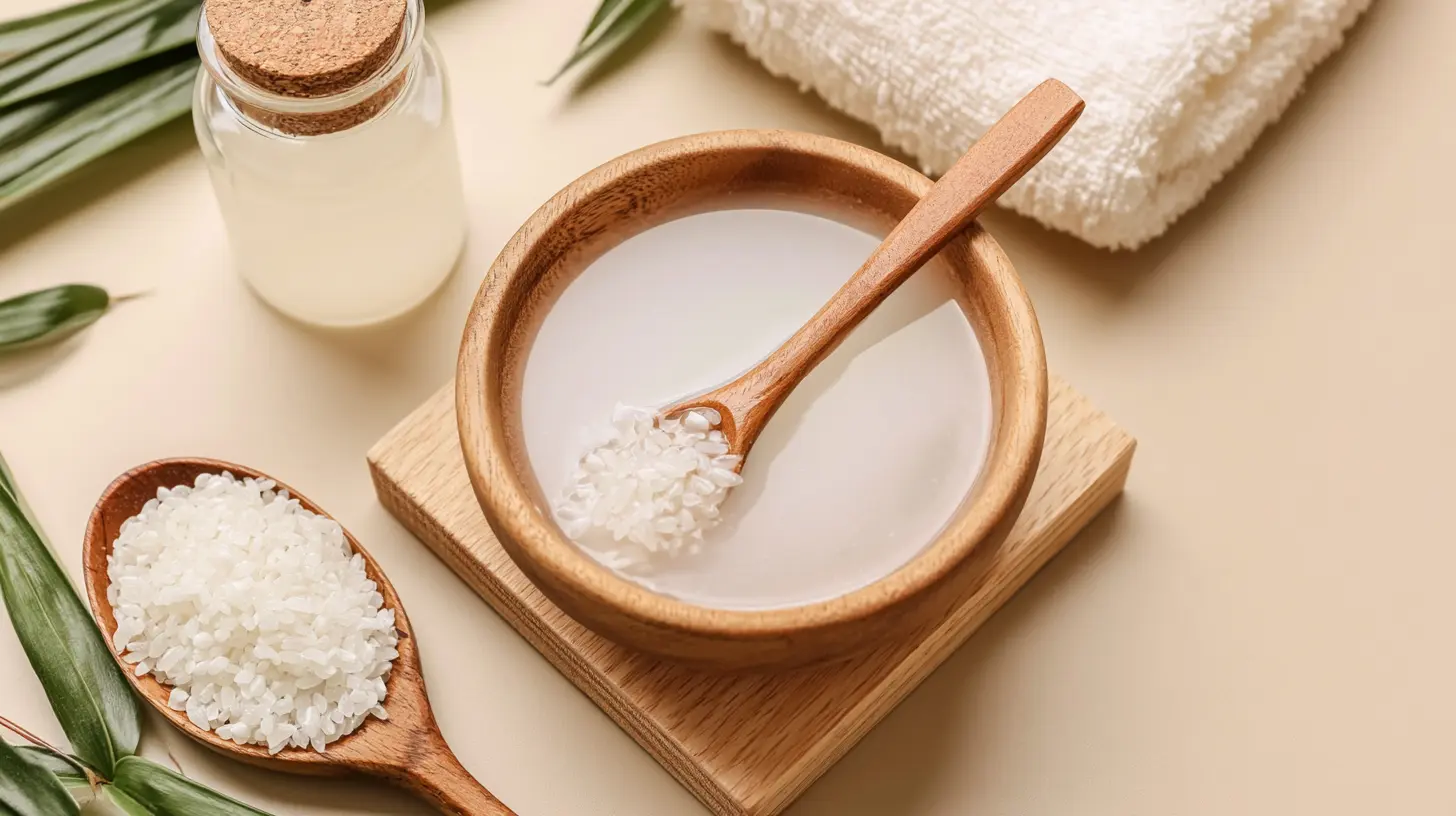
Rice water works best when treated as a hair-care rinse rather than a growth treatment.
How to Make Rice Water:
Making rice water at home is simple and requires only rice and water. Soaking is one of the easiest methods and takes about 30 minutes.
- Rinse a small amount of rice to remove surface dust.
- Soak it in water for about 30 minutes.
- Strain out the rice, keeping the liquid.
- Store the liquid in the refrigerator and use it within a few days.
Keeping the process simple avoids the buildup issues that can come with longer fermentation.
How to Apply Rice Water to Hair:
Applying rice water is straightforward, but using it correctly can help prevent dryness or buildup. Follow these simple steps after washing your hair.
- Wash hair as usual first.
- Pour or spray the rice water over damp hair.
- Gently massage it into the scalp and lengths.
- Leave it on for 10 to 20 minutes.
- Rinse thoroughly with plain water.
- Follow with conditioner if hair feels dry afterward.
A short, well-rinsed application is enough to test how your hair responds.
How Often Should You Use Rice Water?Start with once a week and watch how your hair responds before increasing frequency. There is no proven ideal frequency, so this is a matter of personal trial and observation. Signs of overuse include dryness, stiffness, or new brittleness. If any of these appear, reduce use or stop entirely. |
Are There Any Side Effects of Rice Water?
Just because a remedy is plant-based doesn’t mean it will not have side effects. Rice water may leave some hair feeling smooth, while others may experience dryness, stiffness, or buildup, especially with frequent use.
- Dry or stiff-feeling strands, especially with frequent use
- Product-like buildup on the scalp or lengths
- Increased brittleness if used too often
- Scalp irritation in people with sensitive skin
- Bacterial growth from improperly stored or overly fermented batches
Fine or already healthy hair may be more prone to dryness or stiffness from rice water, especially with frequent use. Thicker or coarser hair may tolerate the rinse better, but results still vary by hair condition and porosity.
Plain Rice Water vs Fermented Rice Water
Both are used as hair rinses, but fermentation adds extra preparation time. Neither has been proven to speed up hair growth.
| Plain Rice Water | Fermented Rice Water |
|---|---|
| Soaked or boiled rice water | Soaked rice water left to ferment |
| Quick and simple to prepare | Takes longer to prepare |
| Mild or neutral smell | May have a stronger smell |
| Easier to use and store | Needs careful storage |
| Not proven to boost hair growth | Not proven to boost hair growth |
Overall, plain rice water is the simpler choice, while fermented rice water offers no proven advantage for faster hair growth.
What Can Actually Help Hair Grow Healthy?
Healthy hair growth depends on more than any single topical rinse. Factors such as nutrition, hormones, genetics, scalp health, hair-care habits, and overall health can all affect how hair grows and how well you retain its length.
- Eating a balanced diet with adequate protein and iron
- Limiting excessive heat styling
- Avoiding tight hairstyles that pull on the scalp
- Handling wet hair gently, since it is more fragile when damp
- Addressing scalp conditions such as dandruff or irritation
- Treating ongoing hair loss based on its actual cause, once identified
A systematic review of studies on rice products and hair growth by PubMed Central found that most existing evidence comes from concentrated rice bran extracts used in controlled settings, reinforcing that at-home rinses are not interchangeable with clinical formulations.
Who May Benefit Most From Rice Water?
According to Cleveland Clinic, rice water may be more useful for hair that needs help with breakage and manageability. However, it cannot treat every type of hair concern.
| May Be Useful For | Not a Solution For |
|---|---|
| Damaged or chemically treated hair | Sudden or heavy shedding |
| Fragile or splitting ends | Bald patches |
| Hair that tangles easily | Noticeable thinning |
| Hair prone to frequent breakage | Persistent, long-term hair loss |
Match the remedy to the problem. Breakage responds to rinses; true hair loss needs medical evaluation.
Final Thoughts
So, does rice water help hair grow? Not in the way most people hope. It has not been shown to speed up growth from the scalp, but it may reduce breakage, which can help hair hold onto the length it already has. It may also leave strands feeling smoother, shinier, or more manageable day to day.
Rice water should not be treated as a cure for hair loss. For sudden shedding, thinning, or bald patches, a dermatologist can identify the actual cause and recommend a treatment matched to it.
For everyday breakage and dull strands, a simple rinse might be a low-cost addition worth testing, with realistic expectations about what it can and cannot do.
Frequently Asked Questions
Does Rice Water Make Hair Grow Faster?
No, faster hair growth from the scalp has not been scientifically established. Any apparent speed increase usually reflects reduced breakage instead.
How Long Does Rice Water Take to Grow Hair?
There is no proven timeframe. Any visible change likely reflects less breakage rather than an actual increase in growth rate.
Can Rice Water Reduce Hair Breakage?
It may help reduce breakage by smoothing the hair shaft. This differs from stimulating faster growth at the scalp.
Does Rice Water Make Hair Thicker?
It may make hair appear fuller by reducing breakage, but it does not increase actual strand diameter or follicle count.