I kept seeing rice water come up in hair videos, so I finally decided to try it instead of scrolling past another rinse everyone seemed to swear by.
It turned out to be an inexpensive treatment that left my hair feeling softer and looking shinier. Making a batch takes about 30 minutes, although most of that time is just letting the rice soak.
Making the rinse is quite simple, and using it doesn’t take much more effort. The key is knowing how to apply it, when to rinse, and how often your hair actually needs it.
I’ll also cover how to use rice water for hair, what it can realistically do, and the mistakes that can leave strands feeling dry or coated.
|
Quick answer: Shampoo first, then pour or spray rice water over your hair and scalp, massage it in, and let it sit for five to twenty minutes before rinsing and following with conditioner. Most people use it once or twice a week, not daily. Rinsing hair with rice water isn’t a new trend. Women in Heian-period Japan and in Huangluo, a village in China, have used it for centuries, and both are still cited today as the tradition’s origin story. |
What Does Rice Water Can (and Can’t) Do for Hair?
Rice water is mainly used as a rinse to make hair feel smoother and easier to manage. The starchy water may reduce friction between strands, which can make detangling feel easier and help limit some breakage caused by brushing or styling.
It can also leave hair looking shinier and feeling softer after use. These effects are focused on the hair you already have rather than changing how quickly new hair grows from the scalp.
In short, rice water may offer:
- Smoother feel: Hair may feel easier to detangle and manage.
- More shine: Strands may look smoother and glossier.
- Less friction: Rice water may reduce surface friction during handling.
- Less breakage from handling: If hair is easier to detangle, there may be less mechanical stress on the strands.
Rice water does not speed up hair growth from the scalp. Cleveland Clinic notes that there is not much scientific evidence supporting rice water as a hair-growth treatment.
If you’re trying rice water for the first time, focus on how your strands feel and behave after using it rather than expecting dramatic changes. If you have curly hair, rice water for curly hair is worth a separate look, since coilier strands tend to tolerate it differently than straight hair.
How to Make Rice Water for Hair
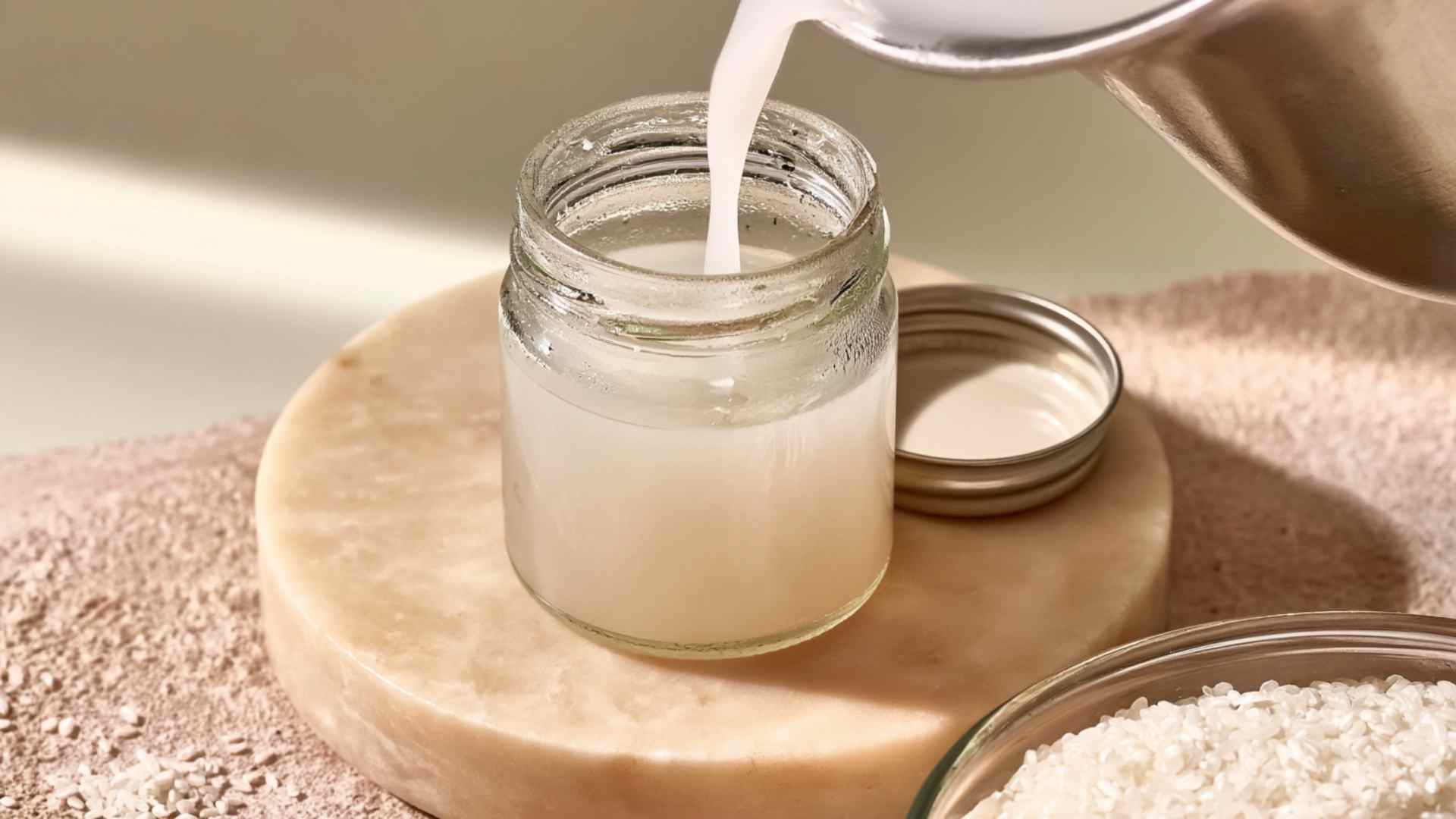
Making rice water takes about thirty minutes, mostly waiting. There’s a quick version to start with, and an optional fermented one.
The Quick Soak Method
The easiest version, worth trying first.
- Rinse 1/2 cup of uncooked rice under cool water
- Soak it in 2 to 3 cups of water for about 30 minutes
- Swirl the rice until the water turns cloudy
- Strain out the rice, keeping the liquid
- Transfer the cloudy water into a clean container
Fermented Rice Water Method
If this is your first time using rice water at all, start with the plain, unfermented version above so you can gauge how your hair responds before adding fermentation into the mix.
- Start with plain rice water made the quick soak way
- Cover and leave at room temperature for 24 to 48 hours
- Fermentation is optional; If you try it, prepare the rice water first, let it ferment for up to 48 hours, then strain and refrigerate it.
Prefer not to soak? You can also make rice water by boiling rice in extra water and straining the liquid once cooked.
There is not enough evidence to show that fermented rice water promotes more hair growth than plain rice water.
| Quick Fact: Rice water isn’t just for hair; it’s been used for skin for centuries, dating back to Japan’s Heian era and parts of China, where women used it for soft, youthful skin. As per the National Library of Medicine, it calms irritation, brightens tone with antioxidants, and acts as a mild astringent to minimize pores while hydrating without heaviness. |
How to Use Rice Water and Add it to Your Hair Care Routine
Once a batch of rice water is ready, using it is simple. It works best as a rinse between shampooing and conditioning, not layered onto an already finished style.
Start With Clean, Damp Hair
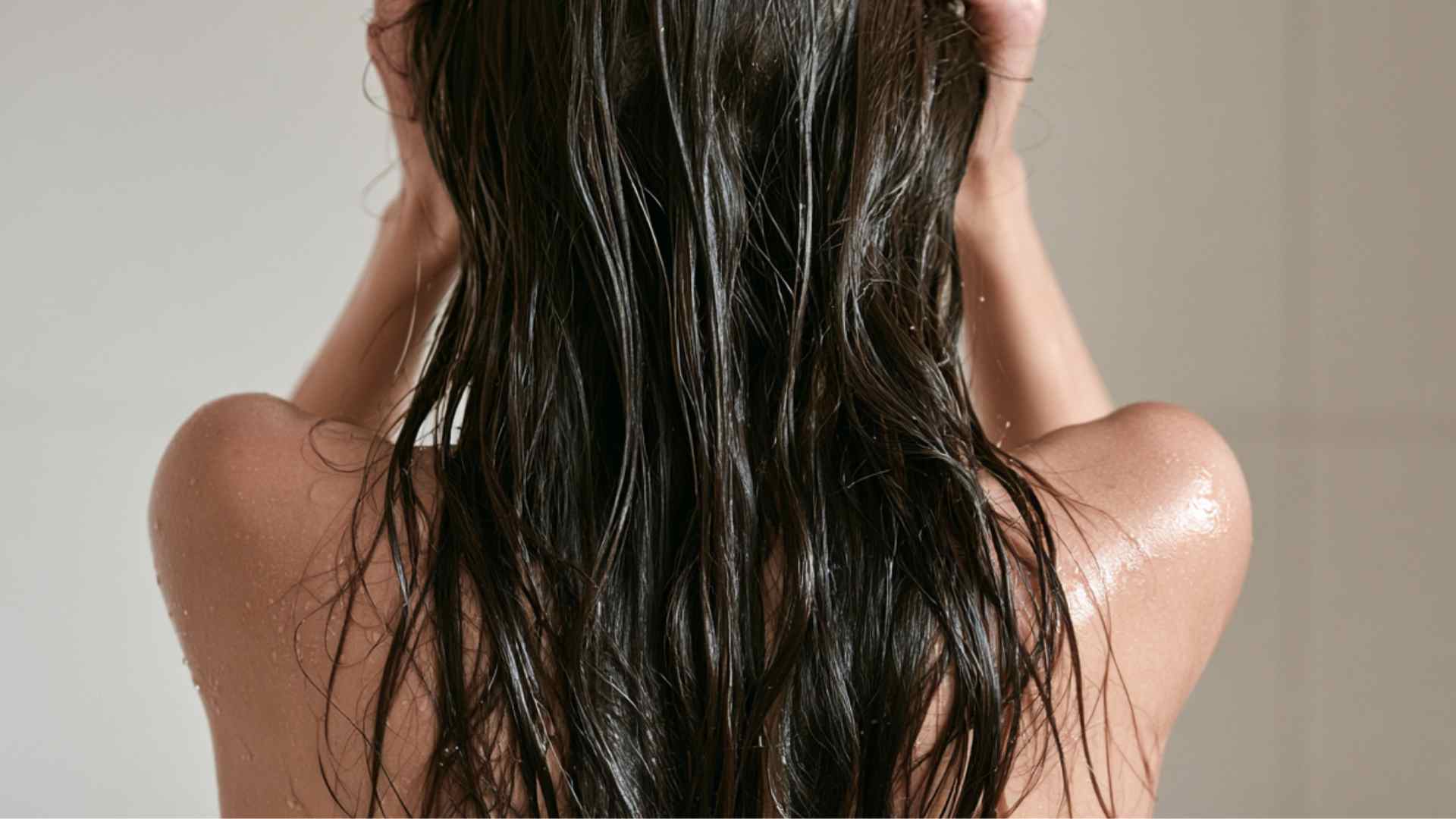
Shampoo first so the rinse isn’t competing with leftover product or scalp oil.
After shampooing, gently squeeze out excess water before applying the rice water. Applying it after shampoo and before conditioner is an easy place to begin.
Tip: Work the rinse in while hair is still dripping slightly, not soaking wet.
Apply Rice Water From Roots to Ends
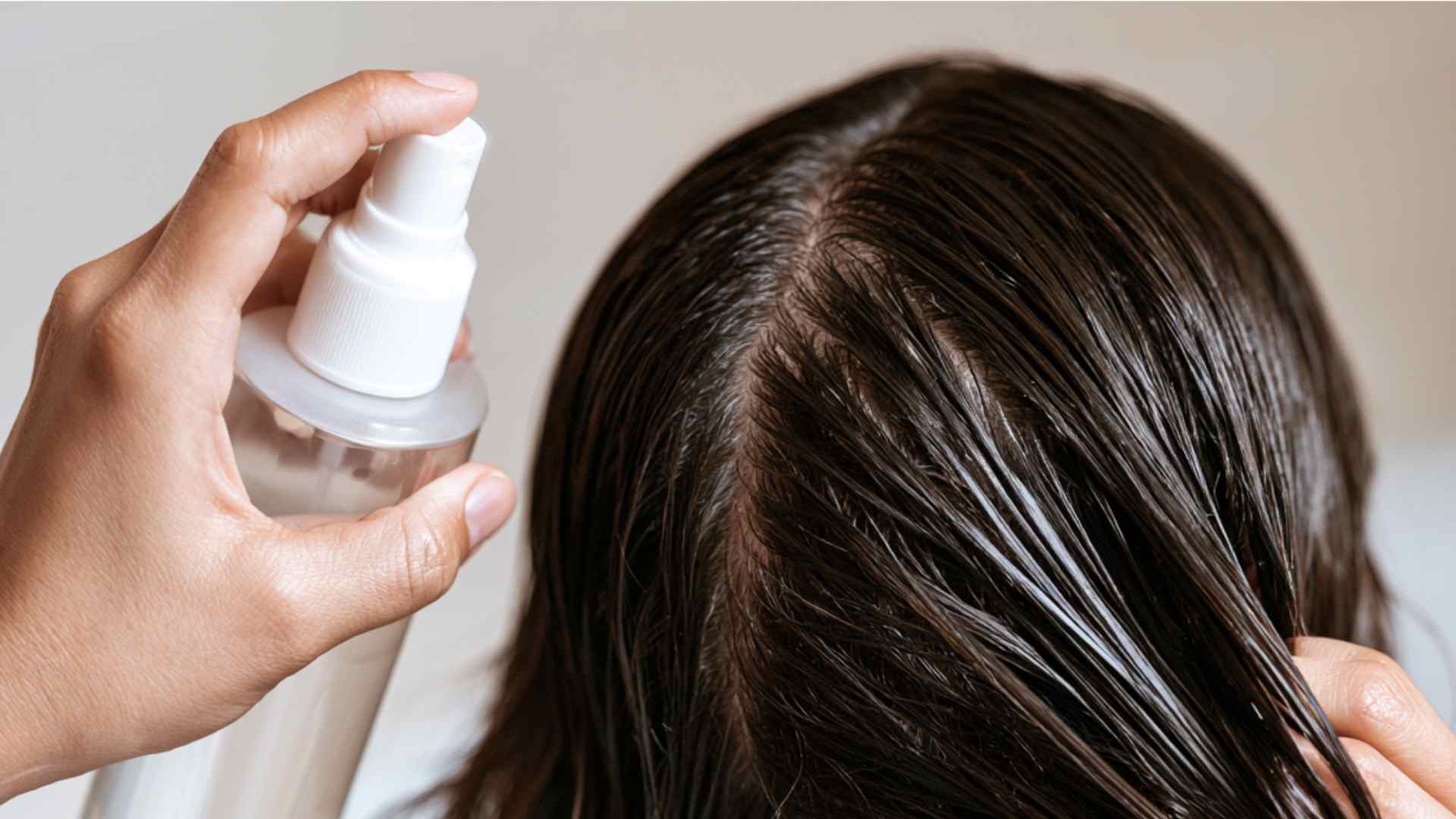
Pour or spray rice water over your hair, working in sections if it’s thick or long enough to need it.
Gently massage it into your scalp, then smooth it through the lengths and ends. The right amount depends on your hair’s length and thickness. The goal is even coverage, not dripping wet hair.
Tip: Use a spray bottle for more even, controlled coverage instead of pouring. Aim for full coverage, not a heavy soak.
Let It Sit Before Rinsing
Rice water doesn’t need hours to work its way into hair. For a first treatment, 5 to 10 minutes is plenty, and up to 20 minutes is a reasonable upper limit once your hair tolerates it well.
Medical News Today says to leave it on for up to 20 minutes, while Oriza gives a 5- to 20-minute range.
Tip: Set a timer instead of guessing, since it’s easy to lose track of time.
Rinse Thoroughly and Follow With Conditioner
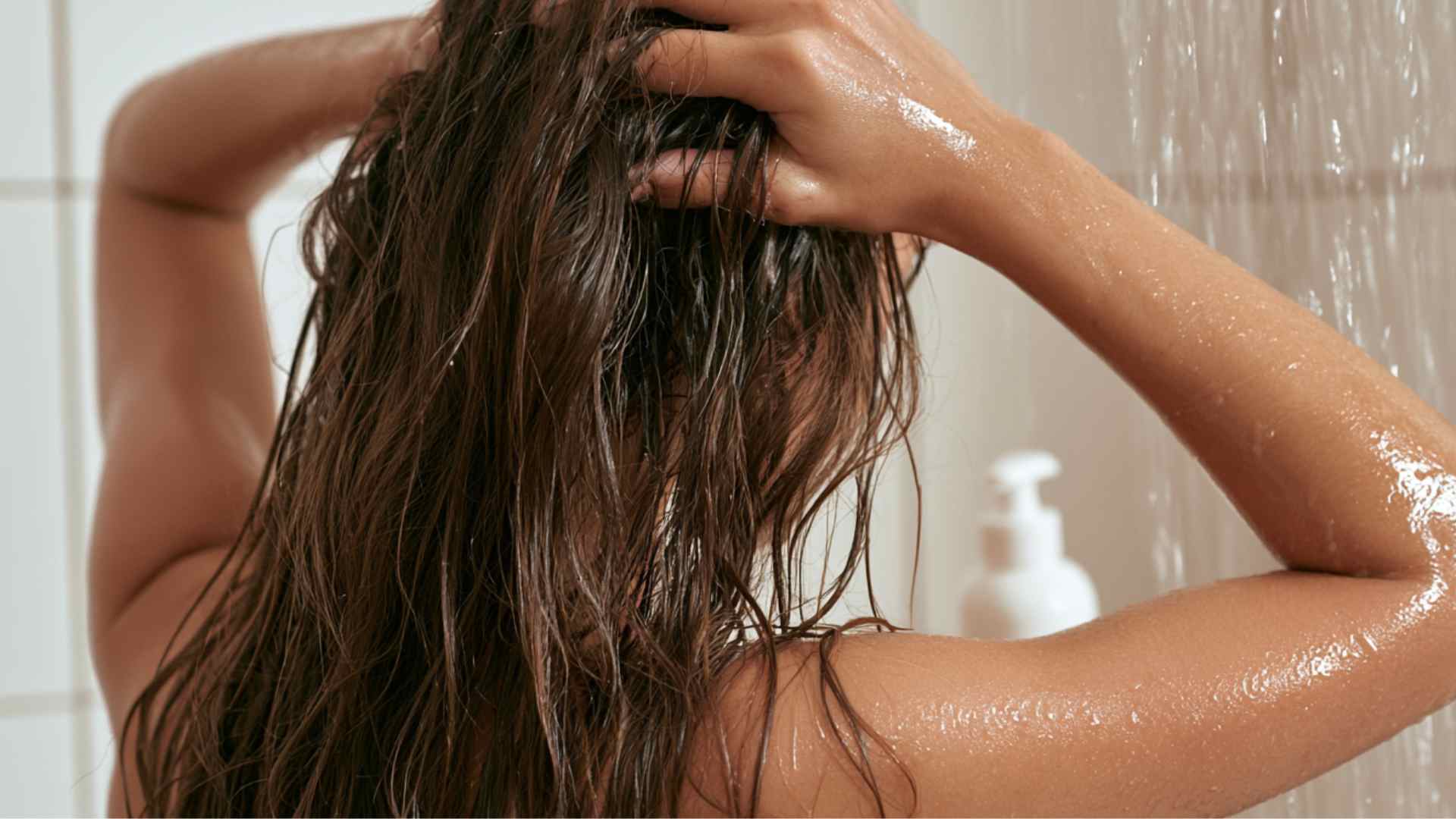
Rinse rice water out thoroughly with cool or lukewarm water rather than treating it like a leave-in product for the rest of the day.
Follow with your regular conditioner, especially if hair feels dry or stiff right after treatment. The American Academy of Dermatology recommends using a moisturizing conditioner after shampooing.
Tip: If your hair feels dry afterward, use a moisturizing conditioner or mask.
Adjust the Routine to Your Hair

Pay attention to how your hair feels after each treatment and adjust the routine if it becomes dry, stiff, or weighed down.
Fine, low-porosity hair may need less frequent use, particularly if it tends to feel weighed down or develop buildup.
Tip: Reduce or stop use if hair feels stiff, rough, or unusually dry.
Rice water works best as a simple part of wash day rather than an extra step that takes over your routine. Once you rinse it out and condition your hair, you can go back to your usual products and styling.
How Often Should You Use Rice Water?
Once a week is a reasonable starting point for trying rice water. If your hair responds well, you can decide whether it needs more frequent use.
There is no need to increase the frequency if your hair is already responding well to a weekly treatment.
Hair that’s shampooed often, or already leans dry or fragile, tends to do better with the more conservative end of that range. Excessive use is where dryness, stiffness, buildup, or breakage tend to show up.
|
Signs You Should Use It Less Often If your hair starts feeling stiff, rough, dry, tangled, heavy, coated, or more prone to breakage, cut back on rice water. Give your hair a break and focus on moisturizing products until it feels soft, flexible, and manageable again. |
If these show up, reduce use and focus on moisture instead.
Rice Water Benefits for Your Hair?
Rice water is best thought of as a hair rinse that can improve the look and feel of your strands, rather than a treatment that changes how quickly hair grows. Its appeal comes from the simple difference it can make to the hair itself.
- Smoother feel: Hair may feel easier to detangle and manage.
- More shine: Strands may look smoother and glossier.
- Less friction: Rice water may reduce surface friction during handling.
- Less breakage from handling: If hair is easier to detangle, there may be less mechanical stress on the strands.
Can rice water make hair grow faster? There isn’t enough evidence to show that rice water makes hair grow faster from the scalp. It may help reduce breakage, which can make it easier to retain the length your hair naturally grows.
For that reason, rice water is better viewed as an optional hair rinse for the existing hair rather than a proven hair growth treatment.
|
Rice water offers real benefits for skin too, not just hair. It can calm irritation and redness, making it helpful for sensitive or sunburned skin, while its natural antioxidants support a brighter, more even complexion over time. The starch content acts as a mild astringent, helping minimize the appearance of pores, and it hydrates without feeling heavy, which makes it a good fit for oily or combination skin. Amino acids and vitamins in rice water also help strengthen the skin’s barrier, improving resilience against daily stressors. To use it, apply cooled rice water as a toner or final rinse after cleansing, and patch test first if you’re using a fermented version. |
Rice Water Mistakes That Can Backfire
Rice water does not need to be complicated, but a few common habits can make the rinse less pleasant for your hair. Knowing the potential side effects of rice water can also help you decide how often to use it and when to cut back:
- Leaving it on overnight can increase dryness without adding extra benefits.
- Skipping the final rinse can leave starch and residue on the strands.
- Applying it to already dry hair without conditioning can make it feel rough.
- Using fermented rice water without diluting it may make the rinse more irritating or unpleasant for some hair and scalps.
- If your hair becomes dry, tangled, or brittle, reduce handling and adjust your routine; the American Academy of Dermatology recommends gentle combing and avoiding pulling or tugging on the hair.
Fine, low-porosity hair may need less frequent use because the starchy rinse can leave some strands feeling weighed down or coated. Dry or damaged hair may also need more moisture between treatments.
Conclusion
Rice water does not need to become a complicated part of your regular wash day. For me, the appeal is its simplicity and the fact that a small batch costs almost nothing to make.
The results are best judged by how your hair feels and looks over time, rather than expecting dramatic changes. If the rinse leaves your strands feeling smoother and easier to manage, it may be worth keeping around.
If it leaves them dry, stiff, or coated, there is no reason to force it. Curious about how to use rice water for hair?
Try it once, keep your expectations realistic, and see whether this old-fashioned rinse earns a place in your routine.
Frequently Asked Questions
What Type of Rice Should I Use to Make Rice Water?
Plain white or brown rice both work for a basic rinse. No specialty variety is needed; jasmine or basmati work just as well.
How Should I Store Homemade Rice Water?
Keep homemade rice water in a clean, closed container in the refrigerator and make small batches so you can use them while fresh. Discard it if you notice mold, unusual discoloration, or other signs of spoilage.
Is Fermented Rice Water Better Than Plain?
Many people find fermented rice water more effective, since fermentation lowers its pH and is thought to make its nutrients more available. If you try it, always dilute it with plain water first since the concentrated version can feel harsh on some scalps.
Can I Use Rice Water on Color-Treated Hair?
Rice water is not a hair color remover, but color-treated hair can respond differently to new treatments. If your hair has recently been colored or feels fragile, test it on a small section first.
Is Rice Water Safe for A Sensitive or Irritated Scalp?
Be cautious here. Starchy rinses can sometimes irritate an already inflamed scalp, so check with a dermatologist first if flare-ups are ongoing.
Can I Add Essential Oils to Rice Water?
You don’t need to add essential oils. They can irritate the scalp, and adding them has no established benefits for a homemade rice water rinse.