My skin used to swing between dry patches and random breakouts, and nothing I tried seemed to fix both at once.
A friend kept telling me to try jojoba oil, so I finally gave in and researched how to use jojoba oil for face care the right way.
Turns out it’s not really an oil at all; it’s closer to what our skin naturally produces, which explains why it sits so well on the surface instead of feeling greasy.
Once I understood how it works, applying it became part of my daily routine without much thought. If you’re on the fence about adding it to your shelf, here’s what I learned along the way.
What is Jojoba Oil?
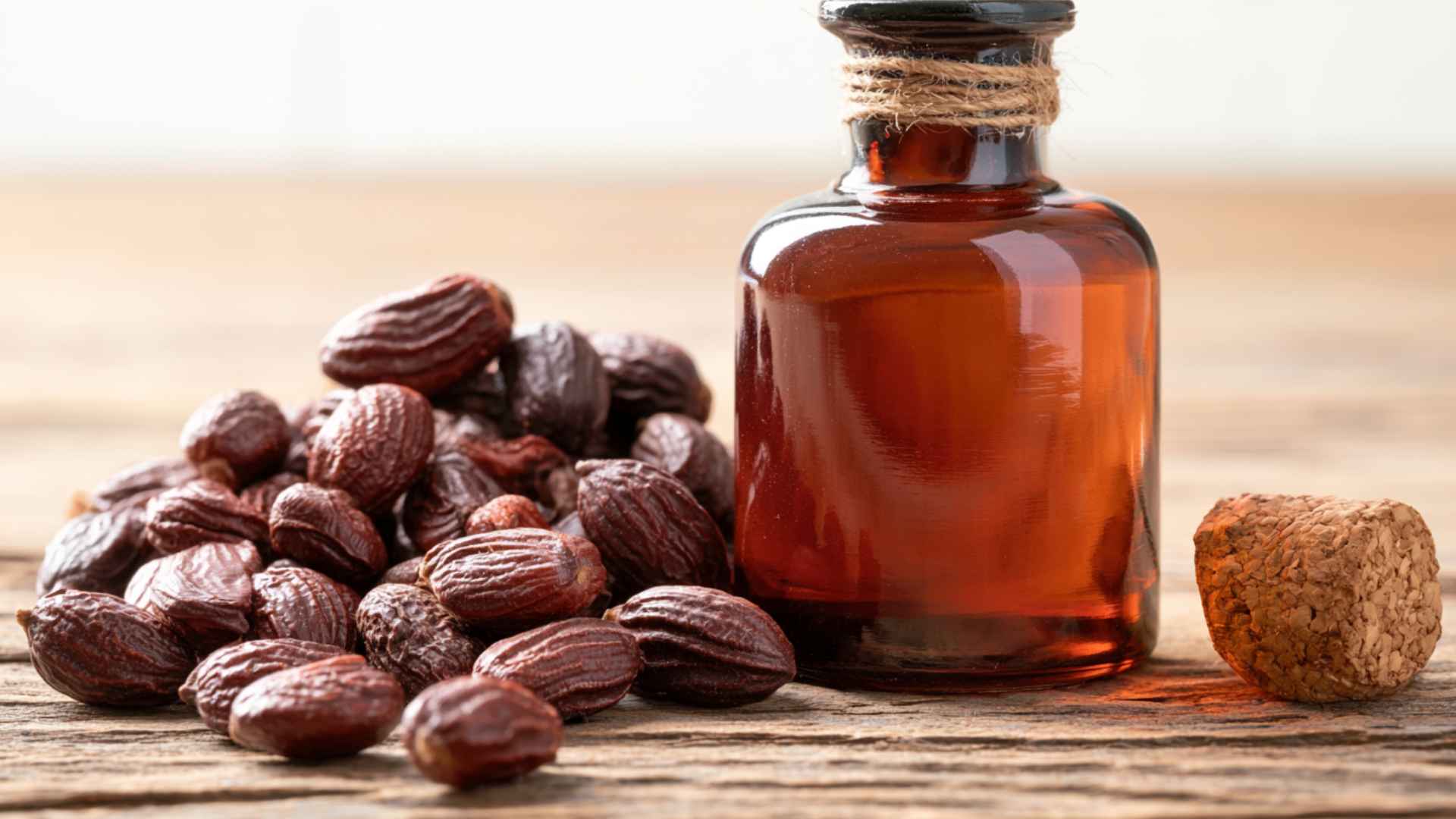
Jojoba oil is made from the seeds of the jojoba plant, a hardy shrub that grows in dry regions such as Arizona. Although it is commonly called an oil, it is actually a liquid wax ester.
This unique structure makes it similar to the natural oils produced by human skin. A published study on jojoba wax notes that its chemical composition closely resembles human sebum, which helps it absorb so easily.
Because of this, jojoba oil can blend well with your skin’s surface without leaving a heavy or greasy feel.
It is often used in skincare routines to help support dry, rough, or unbalanced skin. Its lightweight texture and skin-friendly properties make it a popular choice for moisturizing, protecting, and maintaining a healthy-looking complexion.
Is Jojoba Oil Right for Your Skin?
Jojoba oil has many skincare benefits, but it may not work the same way for everyone. Knowing its advantages and limitations helps you decide if it fits your routine.
| Pros | Cons |
|---|---|
| Keeps skin soft and hydrated | May feel heavy if overused |
| Feels lightweight and non-greasy | Can irritate very sensitive skin |
| Works well for many skin types | May not suit everyone |
| Helps calm dry, rough areas | Takes time to show results |
| Can remove makeup gently | Quality oils can be costly |
Pro tip: Apply a few drops of jojoba oil on damp skin to lock in moisture effectively.
Jojoba oil can be a useful addition to skincare when used correctly. Choose a quality product and adjust usage based on your skin’s needs.
The American Academy of Dermatology recommends testing new skin care products on a small patch of skin for seven to ten days before adding them to your full routine.
Top Benefits of Jojoba Oil for Skin
Jojoba oil earns its spot in a routine for a few solid reasons. It absorbs quickly, plays well with other products, and works across a wider range of skin types than most single-ingredient oils.
- Balances Oil Production: Because its structure mimics sebum, applying jojoba oil can signal to the skin that it doesn’t need to produce as much oil on its own, which helps with shine and breakouts over time.
- Deeply Moisturizes Without Clogging Pores: It’s non-comedogenic, so it hydrates without the heavy, greasy feel some oils leave behind.
- Supports the Skin Barrier: Its fatty acid profile helps reinforce skin’s natural protective layer, which can reduce moisture loss and improve resilience against irritants.
- Calms Redness and Irritation: Its anti-inflammatory properties make it a gentle option for reactive or sensitive skin, especially when fragrance-free.
- Multitasks Across Your Routine: One bottle can cleanse, moisturize, remove makeup, and even smooth flyaways, so you need fewer products for each step.
- Has a Long Shelf Life: Unlike many plant oils that turn rancid quickly, jojoba’s waxy structure makes it more stable, so it holds up longer in your cabinet.
None of this means jojoba oil is a fix for every skin issue, but for most people, it’s a low risk way to add moisture and balance without overhauling an entire routine.
Let me know if you want this placed right after “What is Jojoba Oil?” or somewhere else in the flow.
How to Use Jojoba Oil as a Cleanser
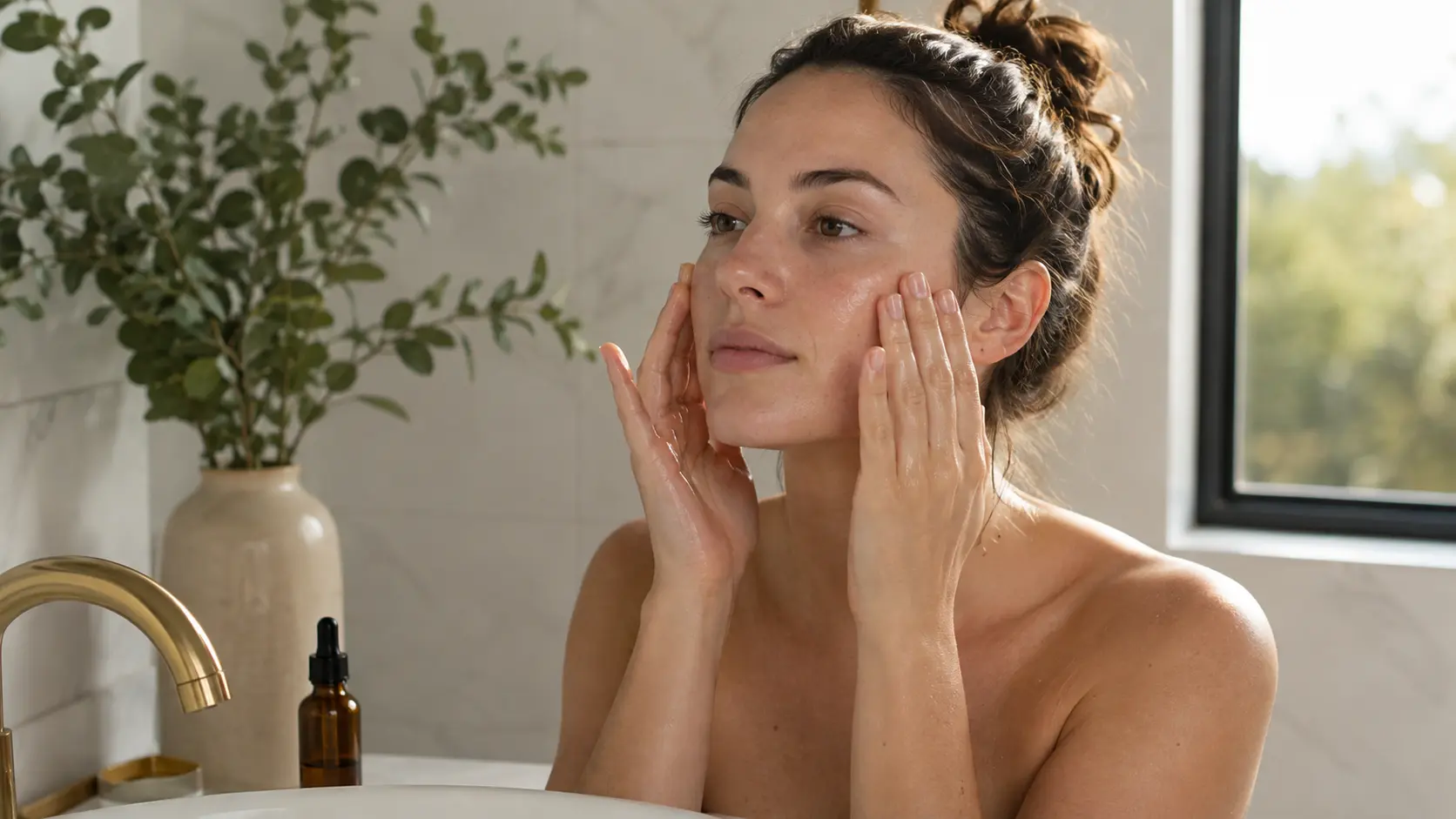
Washing your face with oil sounds backward, but it works. Oil breaks down oil, so it lifts dirt, sunscreen, and extra sebum without stripping your skin dry.
Here’s how to do it:
- Pour a small, coin-sized amount into your palm.
- Rub your hands together to warm the oil.
- Massage it into dry skin using soft, circular motions for about a minute.
- Wipe it off with a warm, damp washcloth.
- Splash your face with water to rinse away any residue.
Pro tip: Do this at night to melt off the day’s grime, then follow with your regular cleanser if your skin still feels like it needs a second wash.
How to Use Jojoba Oil as a Moisturizer
Apply jojoba oil after cleansing while your skin is slightly damp to help seal in moisture. Use it after your toner and serum, then follow with a heavier moisturizer if your skin needs more hydration.
Jojoba oil can fit into both morning and nighttime routines. Some people use it as their only moisturizing step because it feels lightweight while helping keep skin soft and comfortable.
Where Jojoba Oil Fits in Your Skincare Routine

One of the most common questions about jojoba oil isn’t whether to use it, but when. Skincare products generally work best when applied in order of texture: thinnest and most water-based first, richest and most oil-based last. Jojoba oil, being oil-based, typically goes near the end of your routine.
Recommended order:
- Cleanser: Remove dirt, makeup, and impurities (jojoba oil can double as this step too).
- Toner (if used): Balances skin and preps it to absorb what follows.
- Serum: Water- or gel-based treatments should always go on before oil, since oil can block their absorption if applied first.
- Jojoba oil: Apply 2–3 drops onto slightly damp skin to help seal in the hydration from previous steps.
- Moisturizer (optional): If your skin needs extra richness, especially in colder months or if you have very dry skin, a cream can go on top of or be mixed with jojoba oil.
- Sunscreen (AM only): Always the last step in a daytime routine; never apply sunscreen underneath an oil.
If your skin tends to be dry, apply jojoba oilbefore your moisturizer to boost hydration. If your skin is more balanced or oily, you can use jojoba oil as your only moisturizing step, applied last.
| Can it replace a step entirely? Yes, for some people. Those with normal to oily skin often skip a separate moisturizer altogether and use jojoba oil as their final step. Those with very dry skin usually get better results layering it underneath a heavier cream rather than using it alone. If you’re still unsure where the line is, it comes down to what your skin needs to feel comfortable through the day, not which product sounds fancier. |
How to Use Jojoba Oil as a Makeup Remover
Jojoba oil is gentle enough for the eye area, which most cleansers are not. This makes it a smart choice for removing mascara and eyeliner without tugging at your skin.
To remove makeup:
- Put a few drops on a cotton pad.
- Hold it against closed eyes for a few seconds to loosen stubborn makeup.
- Gently wipe outward, not side to side.
- Rinse your face once all the makeup is gone.
Jojoba oil makes makeup removal easier while keeping your skin feeling soft. Use gentle movements and avoid rubbing to protect the delicate areas around your eyes and keep your skin comfortable.
How Often Should You Use Jojoba Oil
Most people can use jojoba oil every day, morning and night, once their skin gets used to it. If you’re new to facial oils, start with once a day for the first week.
Your skin may need time to adjust, so don’t worry if it takes a couple of weeks to see the full effect. Always do a patch test first. Put a small drop on your inner arm and wait 24 hours before using it on your face.
How to Use Jojoba Oil for Common Skin Concerns
Jojoba oil can support different skin needs, from dryness to sensitivity. The way you apply it matters, so match your routine with your skin concern.
Research published in Pharmacological Research has looked at jojoba wax’s anti-inflammatory activity, which lines up with why it tends to sit well on reactive or acne-prone skin.
| Concern | How Jojoba Oil Helps | How to Apply |
|---|---|---|
| Dry patches | Softens rough, flaky skin | Dab a drop directly on the spot |
| Acne-prone skin | Balances oil so skin makes less on its own | Use a thin layer after cleansing |
| Fine lines | Adds moisture that plumps skin slightly | Pat gently around eyes and mouth |
| Sensitive skin | Rarely causes irritation | Patch test first, then use as usual |
Using jojoba oil based on your skin concern can help you get better results. Start with a small amount and adjust as needed.
For fine lines specifically, jojoba works well on its own, but if that’s your main focus, it’s worth looking at options formulated with aging skin in mind.
Things to Check Before Using Jojoba Oil
Not every jojoba oil offers the same quality, so checking a few details before buying can help you choose a better product for your skin.
Look for cold-pressed, unrefined jojoba oil because it retains more of its natural properties. Golden-colored oil is often less processed than clear versions.
If your skin is sensitive or reacts easily, avoid products with added fragrance or unnecessary ingredients. Always check the label for pure jojoba oil without fillers.
Jojoba tends to suit most people, but if you’re comparing it with other formulas, this analysis walks through how different oils perform across skin types.
Store the bottle in a cool place away from direct sunlight to maintain its freshness and quality. These simple steps can help you get the most from your jojoba oil skincare routine.
Conclusion
Jojoba oil earned its spot in my routine because it does a lot without asking much in return. Between cleansing, moisturizing, and removing makeup, it covers more ground than most products twice its price.
Learning how to use jojoba oil for face care properly made the biggest difference for me, since applying it at the right step changed how my skin responded almost immediately.
It won’t work miracles overnight, and sensitive skin still needs a patch test first, but given some time, it settles into a routine where it belongs.
Pick a pure, cold-pressed bottle, watch how your skin reacts, and adjust from there.
Frequently Asked Questions
Can I Use Jojoba Oil Every Day?
Yes, most skin types can use it daily. Start once a day if you’re new to it, then add a second use once your skin adjusts without irritation.
Is Jojoba Oil Good for Oily or Acne-Prone Skin?
Yes. It helps balance natural oil production, which can reduce breakouts over time. Use a thin layer so it doesn’t feel heavy.
Can Jojoba Oil Replace My Moisturizer?
For some skin types, yes. It locks in moisture well on its own. Dry skin may still need a heavier cream layered on top.