If you want to get rid of blackheads on your nose, the fix starts with understanding why they form.
Oil and dead skin cells build up inside a pore, and light reflecting off that buildup is what makes the plug look dark rather than the color of the debris itself.
The nose is especially prone to this since it has more oil glands than most of the face. Squeezing or picking at blackheads usually makes them worse, pushing debris deeper or leaving marks behind.
Gentle cleansing, salicylic acid, regular exfoliation, and a few safe removal methods can clear them within a few weeks, and a simple prevention routine keeps new ones from forming as often.
What are Blackheads on the Nose?
Blackheads are clogged pores that look dark because of how light reflects off the trapped oil and dead skin inside, not because the skin underneath is dirty. Knowing what’s actually happening in the pore makes it easier to pick a treatment that works instead of one that just irritates the skin.
How Blackheads Form on Your Nose
Skin naturally produces oil (sebum) to keep itself from drying out. On the nose, oil glands are larger and more active, so they release more sebum.
Combine that with dead skin cells that haven’t shed properly, and the two can mix together inside a pore, forming a soft plug. Because the top of the pore stays open, the plug is visible at the surface, which is what gives it that darker appearance.
What Do Nose Blackheads Look Like?
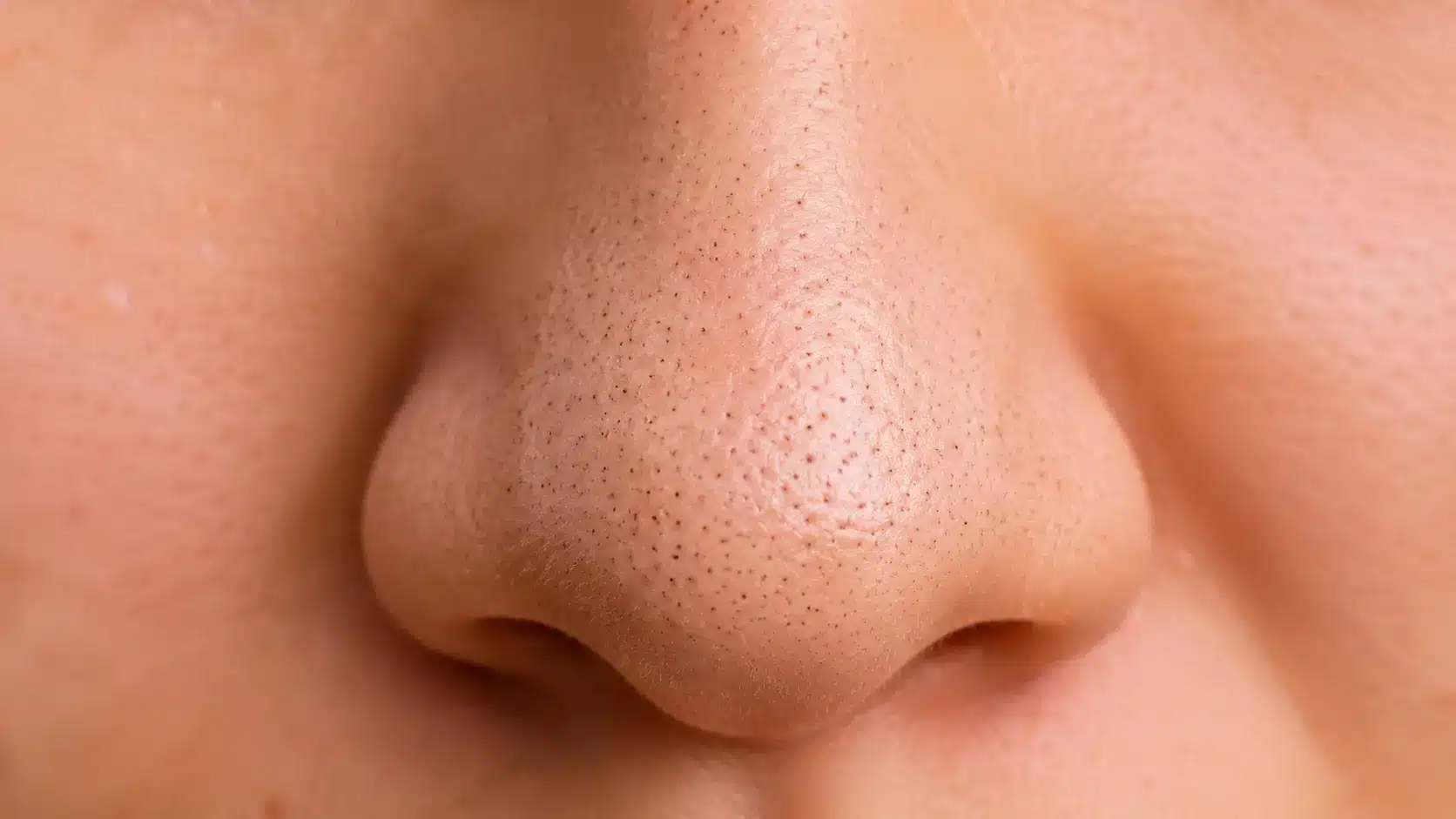
Blackheads on the nose have a distinct appearance that makes them easier to identify. They differ from pimples or other skin bumps because they usually stay on the surface and don’t cause swelling or discomfort.
- Small dark dots, usually appearing in clusters on the nose
- Slightly rough or bumpy texture when you run a finger over the skin
- Rarely painful or inflamed unless they become irritated
- Most common around the sides of the nose and nostril creases where oil buildup is higher
Recognizing true blackheads on your cheeks and nose helps you avoid unnecessary treatments and focus on gentle methods that clear clogged pores safely.
Home Remedies for Blackheads on the Nose
Plenty of natural options get passed around for clearing blackheads on the nose, and some are gentler on skin than others.
- Raw honey mask: Honey is naturally antibacterial and can sit on clean skin for 10 to 15 minutes before rinsing. That said, clinical evidence on honey for treating acne is limited, so treat it as a gentle add-on rather than a primary fix.
- Bentonite or kaolin clay: Mix with water into a paste and rinse off once it starts to dry; clay pulls oil out of the pore the same way the clay masks mentioned later on do.
- Warm steam: A few minutes over a bowl of hot water can soften the oil inside a pore before cleansing, though steam alone won’t unclog pores.
- What to avoid: Baking soda, toothpaste, and DIY sugar scrubs are too abrasive for the nose and can damage the skin barrier, which tends to make blackheads worse, not better.
If home remedies aren’t clearing things up after a few weeks, it may be time for stronger, proven ingredients.
Blackheads Vs Sebaceous Filaments on Nose
Many people mistake sebaceous filaments for blackheads, so this comparison should help you tell the difference before reaching for sebaceous filament products.
| Feature | Blackheads | Sebaceous Filaments |
|---|---|---|
| What they are | Clogged pores filled with oil and dead skin | Normal channels that carry oil to the skin’s surface |
| Color | Dark or black dots | Light gray or yellowish, small dots |
| Location | Scattered, more raised | Evenly spread, flat with the skin |
| Do they need extraction? | Can be treated, though they may return | No, they are a normal part of the skin and will refill on their own |
What Causes Blackheads on the Nose?
Blackheads form when oil, dead skin cells, and product buildup block pores. The nose is more likely to develop them because it has more oil glands and is a common area for clogged pores.
- Excess Oil Production: Extra sebum on the nose can mix with dead skin cells, clog pores, and cause blackheads.
- Dead Skin Cell Buildup: Poor shedding can trap dead cells in pores, creating blockages that lead to blackheads.
- Heavy or Pore-Clogging Products: Thick skincare or makeup can trap oil and debris inside pores.
- Sweat, Dirt, and Makeup Residue: Leftover sweat, dirt, and makeup can build up and clog pores.
- Hormonal Changes: Hormone shifts can increase oil production, making blackheads more likely.
How Common Are Blackheads on the Nose?
Blackheads are far from rare. Acne, which includes blackheads, is the most common skin condition in the United States, affecting up to 50 million Americans every year.
That figure leans heavily on teens and young adults, but blackheads don’t stop there. Some estimates put the number as high as 10 percent to 20 percent of adults who deal with them well past their twenties.
If you’re dealing with blackheads on your nose right now, you’re in the same boat as nearly everyone at some point in their lives.
For a closer look at how they form, along with whiteheads and other blemishes, see this explanation of the causes of clogged pores.
That makes blackheads a routine skin concern rather than an unusual problem. They often appear where oil production is highest, especially around the nose, chin, forehead, and nearby facial areas.
How Do Blackheads Affect My Body?
On their own, blackheads on the nose don’t put your health at risk.
According to this official government acne overview, blackheads form when trapped oil pushes toward the surface of a clogged pore and becomes visible as a darker plug.
The real risk isn’t the blackhead itself; it’s what happens when you squeeze or pick at one, which can push debris deeper into the pore and lead to inflammation, infection, or permanent scarring.
Physically, blackheads are harmless, but that doesn’t mean they’re weightless. Persistent breakouts on a visible spot like the nose can chip away at confidence, and it’s worth being kind to yourself about that instead of just the skin underneath.
Left alone and treated gently, blackheads on the nose are mostly a cosmetic concern.
Maintaining a simple skincare routine can help manage their appearance over time. Gentle cleansing, appropriate exfoliation, and non-comedogenic products may reduce buildup without irritating the skin barrier.
Ways to Remove or Reduce Blackheads on the Nose
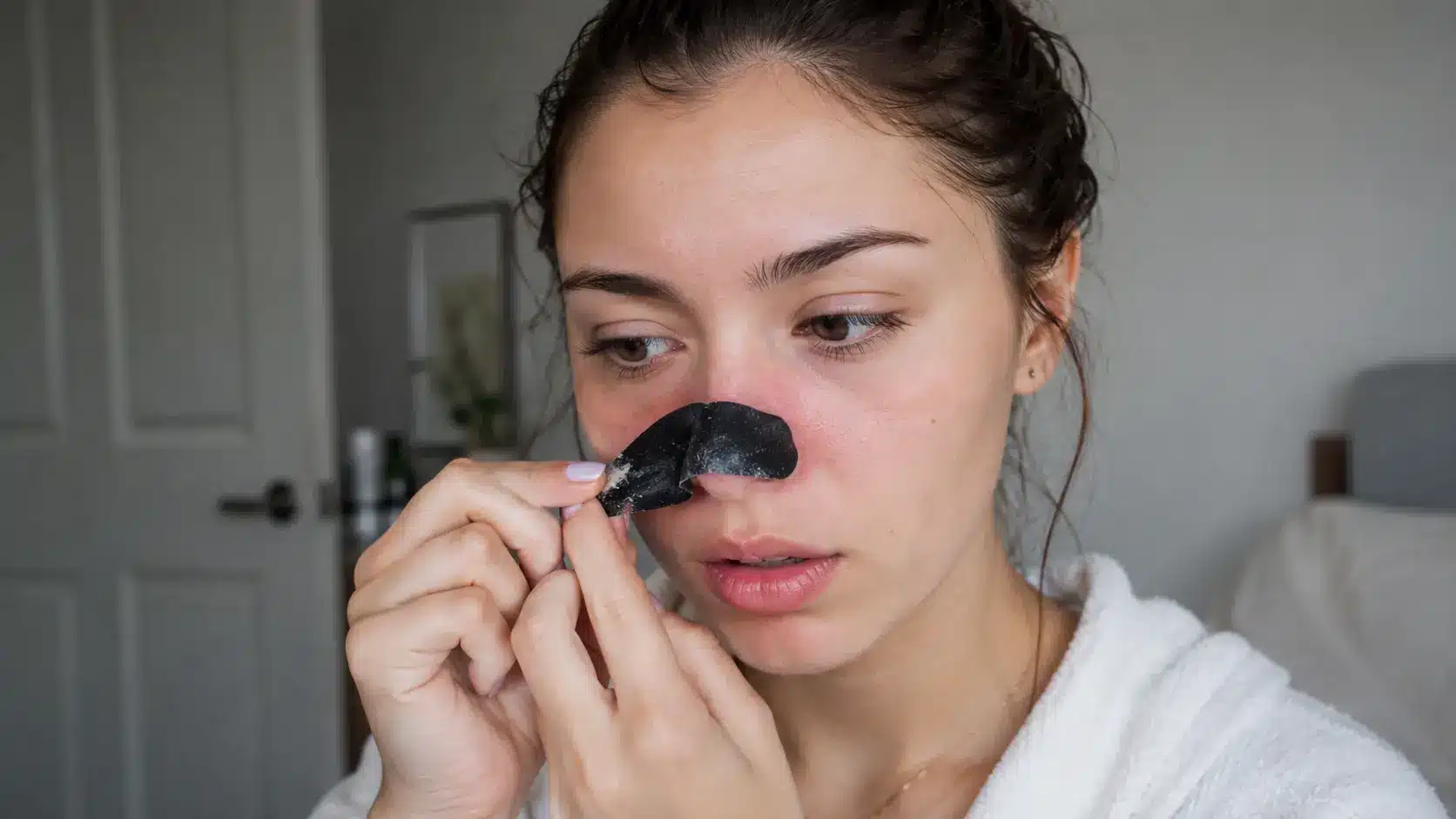
Blackheads on the nose form when oil, dead skin cells, and debris become trapped inside pores.
A consistent skincare routine with gentle cleansing, exfoliation, and pore-clearing ingredients can help reduce existing blackheads and prevent new ones.
Step 1: Cleanse Your Skin Gently
Start with a gentle cleanser to remove oil, sweat, dirt, and makeup residue from the nose area. Avoid harsh scrubbing, as it can irritate the skin and make clogged pores more noticeable.
Step 2: Use a Salicylic Acid Product
Apply a salicylic acid cleanser or leave-on treatment to help dissolve oil trapped inside pores and loosen dead skin buildup. Regular use can help keep pores clearer and reduce recurring blackheads over time.
Step 3: Exfoliate Regularly
Use a chemical exfoliant a few times a week to remove dead skin cells and prevent them from collecting inside pores. Ingredients like salicylic acid and glycolic acid can improve texture and reduce congestion.
Step 4: Apply a Clay Mask
Use a clay mask once or twice weekly to absorb excess oil and reduce buildup on the nose. Avoid using it too often, as over-drying the skin may lead to irritation and increased oil production.
Step 5: Add a Retinoid if Needed
A retinoid can increase skin cell turnover and help prevent dead cells from mixing with oil inside pores. Start with occasional use and gradually increase frequency to allow your skin to adjust. Pregnant women are generally advised to avoid retinol, so bakuchiol or rosehip oil are gentler swaps worth asking a dermatologist about instead.
Step 6: See a Dermatologist for Stubborn Blackheads
If at-home treatment doesn’t clear things up after several weeks, a dermatologist can offer chemical peels, microdermabrasion, or manual extraction, all safer than doing it yourself.
Step 7: Moisturize and Protect Your Skin
Finish your routine with a lightweight, non-comedogenic moisturizer and daily sunscreen. Keeping the skin barrier healthy helps prevent irritation while using blackhead treatments.
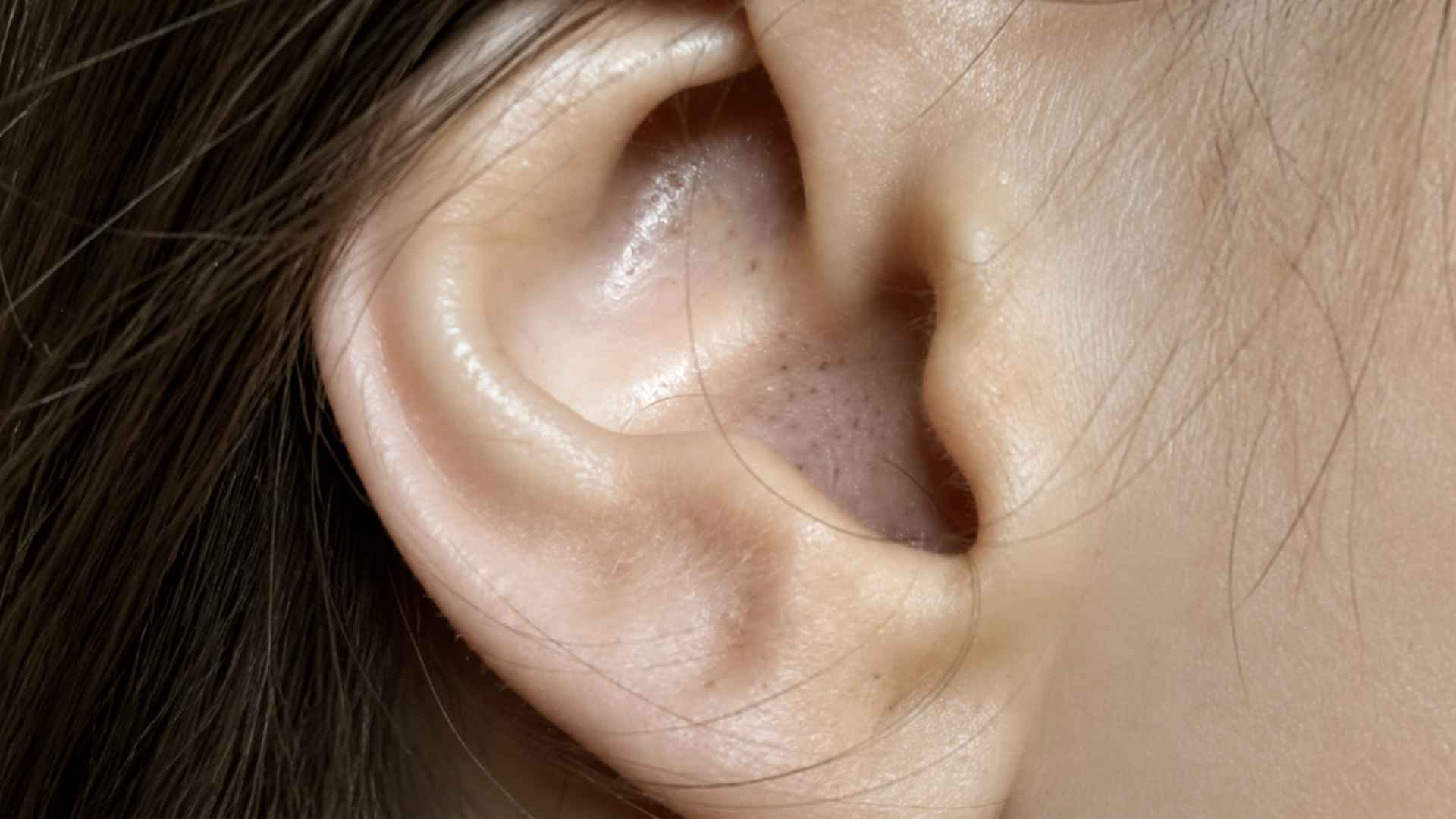
This routine can also help reduce blackheads in the ears. Results usually take time, so focus on gentle, regular care instead of quick fixes that may damage the skin.
Products That Help Reduce Blackheads on the Nose
The right products can help unclog pores, control excess oil, and prevent new blackheads. Look for ingredients like salicylic acid, retinoids, and clay for better results.
| Product Type | Benefits | Recommended Products |
|---|---|---|
| Salicylic Acid Cleanser | Clears oil and clogged pores | CeraVe Renewing SA Cleanser, The Ordinary Salicylic Acid 2% |
| Retinoid Treatment | Prevents pore buildup | Differin Adapalene Gel 0.1% |
| Chemical Exfoliant | Removes dead skin cells | The Ordinary Glycolic Acid 7% Exfoliating Toner |
| Clay Mask | Absorbs excess oil | The Inkey List Kaolin Clay Mask, Aztec Secret Clay |
| Moisturizer | Protects skin barrier | CeraVe PM Lotion, Neutrogena Hydro Boost |
Introduce one new product at a time and avoid combining too many active ingredients to prevent dryness and irritation.
Tips to Prevent and Manage Nose Blackheads
A few simple skincare habits can help reduce oil buildup, prevent clogged pores, and support clearer-looking skin. These steps work best when combined with a consistent routine and gentle blackhead treatments.
- Use Warm Water Before Skincare: A brief warm water rinse can soften surface buildup and help skincare products apply more evenly. Avoid hot water, as it can strip natural oils and cause irritation that may increase dryness or oil production.
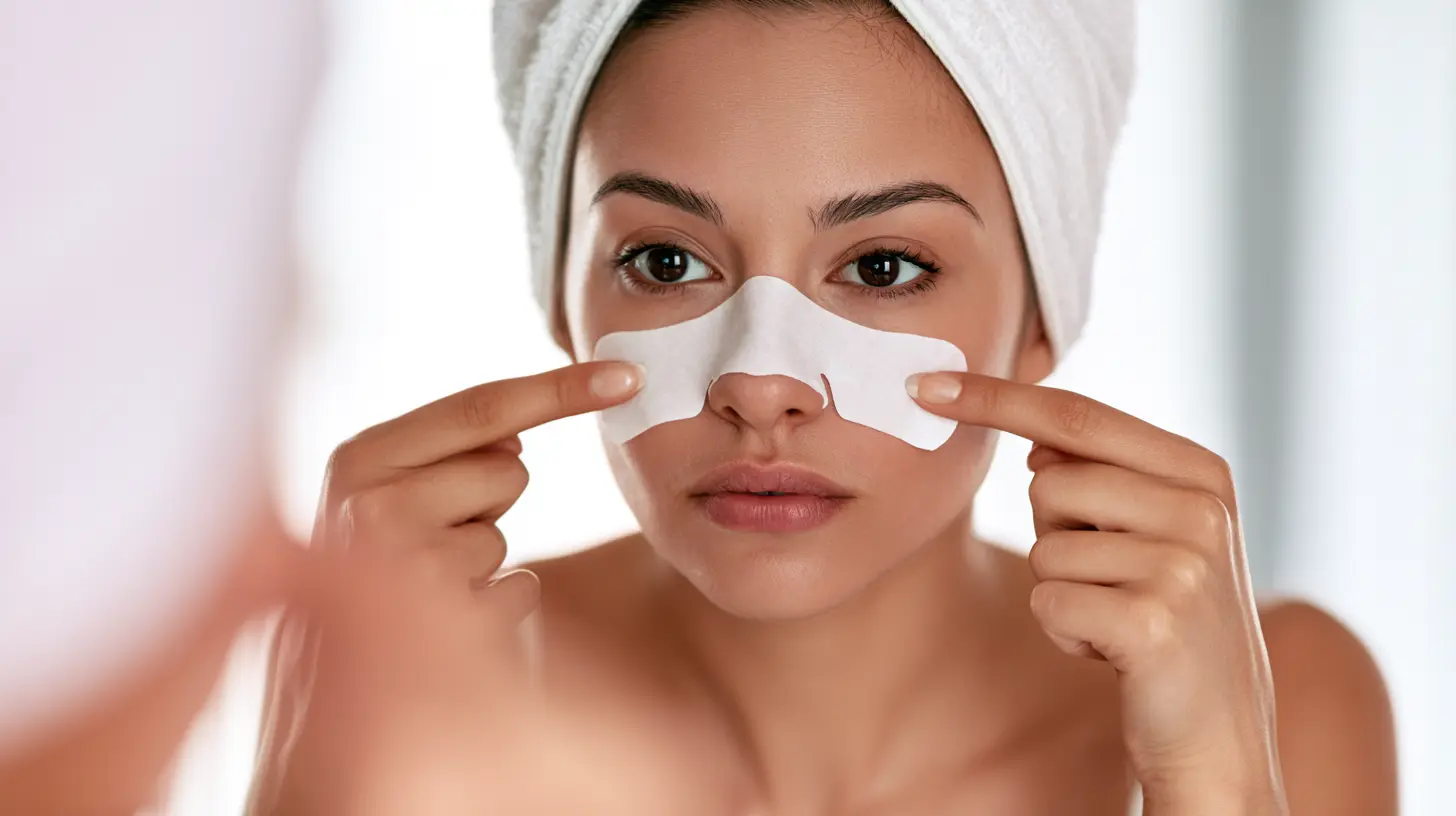
- Use Pore Strips Carefully: Pore strips can temporarily remove surface buildup and make the nose look smoother, but they do not prevent new blackheads. Use them occasionally to avoid irritation and follow with moisturizer to support the skin barrier.
- Apply Non-Comedogenic Moisturizer: A lightweight, non-comedogenic moisturizer helps maintain the skin barrier without adding pore-clogging ingredients. Skipping moisturizer can lead to dryness, which may trigger excess oil production and make clogged pores more noticeable.
- Avoid Over-Cleansing the Nose Area: Washing your nose too often can remove protective oils and irritate the skin. Cleanse gently twice daily to remove excess oil and buildup without causing dryness or sensitivity.
Skincare Routine to Prevent Nose Blackheads
| Morning Routine | Night Routine |
|---|---|
| Start your day by washing your face with a gentle cleanser, followed by a lightweight, non-comedogenic moisturizer. Finish with sunscreen (SPF 30 or higher) to protect your skin. | End your day by removing makeup, cleansing your skin, and applying a treatment like salicylic acid or a retinoid. Finish with a moisturizer to maintain hydration. |
Common Mistakes When Removing Nose Blackheads
Some popular habits actually work against clearer skin. Knowing what to avoid saves time and protects skin from unnecessary irritation.
- Scrubbing Too Hard: Harsh scrubbing can irritate the skin barrier without clearing deep pore buildup, making skin more sensitive over time.
- Using Too Many Active Ingredients: Combining multiple acids and retinoids can cause dryness, redness, and irritation. Introduce one active ingredient at a time for better results.
- Picking or Squeezing Blackheads: Pressing or scratching blackheads can damage the skin and force clogged material deeper into pores, increasing the chance of redness, irritation, and scarring.
- Skipping Sunscreen During Treatment: Some acne treatments can make skin more sensitive to sunlight. Daily sunscreen helps protect the skin barrier and prevents irritation or uneven pigmentation.
Avoiding these habits protects the skin barrier and helps other parts of a blackhead routine work better over time.
When Should You See a Dermatologist?At-home care handles most nose blackheads, but a few signs point to something a professional should look at instead. Consider seeing a dermatologist if blackheads do not improve after consistent care, painful acne appears, your skin becomes irritated from treatments, or you prefer professional extraction for stubborn clogged pores. The Cleveland Clinic notes that a healthcare provider can help determine the right treatment plan when over-the-counter options aren’t enough. |
Do Blackheads Go Away on Their Own?
Blackheads rarely disappear quickly on their own, and how fast one clears depends partly on how deep it sits.
A blackhead close to the surface is more likely to work itself out as skin sheds naturally, while one embedded deeper in the pore tends to stick around and often needs a dermatologist or aesthetician to remove it safely.
In many cases, another clog forms nearby before the original one fully disappears. Waiting for blackheads to fade without any care often leads to repeated buildup, especially in oilier areas like the nose.
A consistent skincare routine with gentle cleansing, exfoliation, and suitable products can help manage existing blackheads and reduce the chance of new ones forming. While results take time, regular care is more effective than harsh methods or picking at the skin.
Final Thoughts
I know how frustrating it is to look in the mirror and notice the same dots on your nose no matter what you try.
What actually works is less dramatic than you might expect: a gentle cleanser, a salicylic acid or retinoid treatment, and a bit of patience while your skin catches up.
Skip the squeezing and the harsh scrubs, since those tend to set you back rather than move you forward.
Stick with a routine for a few weeks before judging it, and if nothing seems to help, a dermatologist can offer options that go beyond what’s available over the counter. Clearer pores are a realistic goal. They just take steady care to get there.
Frequently Asked Questions
How Do I Get Rid of Blackheads on My Nose Overnight?
You can’t remove blackheads on your nose overnight. Salicylic acid and retinoids work best with consistent use over several weeks.
Does Benzoyl Peroxide Help with Blackheads?
Not much. Benzoyl peroxide targets the bacteria behind inflamed acne, but blackheads aren’t inflamed, so salicylic acid or a retinoid will do more.
Are Nose Strips Bad for Blackheads?
Nose strips are safe occasionally but only give temporary results. Frequent use may irritate skin or increase sensitivity.
Can Toothpaste Remove Nose Blackheads?
No. Toothpaste can irritate skin and cause dryness or redness without effectively removing blackheads.