A little nail glue on the skin is easy to overlook during a press-on manicure, but removing it the wrong way can leave behind dryness and irritation.
The best way to get nail glue off the skin is to soften the adhesive first instead of pulling at the dried layer.
Over the years of working with nail products, I’ve found that patience makes the biggest difference, especially when dealing with stubborn residue.
The right removal method depends on how much glue is stuck, how long it has been there, and where it has landed.
Why Does Nail Glue Stick to Skin So Fast?
Nail glue is built to cure the moment it meets moisture, and skin is never fully dry, so a single stray drop can bond in seconds.
It’s made mainly of ethyl cyanoacrylate, the same adhesive family used in medical skin glue and industrial super glue, just formulated to be more flexible.
Manufacturers often thicken it with agents like PMMA so it stays put instead of running, and some formulas add vitamin E or other conditioning oils to make it feel less harsh on skin.
This is also why yanking at it backfires: the bond sits in a thin layer right at the surface, not deep in the skin, so it lifts off easily once softened, which is exactly what acetone does best.
What Happens If Nail Glue Gets on Your Skin
Getting nail glue on your skin usually looks scarier than it actually is. Here’s what really happens once it makes contact.
- Minor tightness or irritation: The most common reaction, and it usually fades on its own.
- Torn skin from forcing a bond apart: Happens if two areas glue together and get pulled instead of soaked.
- Rare chemical burns: Possible if glue sits untreated on skin for an extended stretch.
- Blistering, raw, or unusually painful skin: A sign to stop home methods and get it checked.
Most of the time, a little patience is all your skin needs. Save the soaking and acetone for anything beyond mild irritation.
Safe Ways to Remove Nail Glue From Skin
Begin with the gentlest method and move to a stronger option only when the glue remains stuck. Avoid pulling or scraping the adhesive because this can irritate or damage the skin.
I always start with the softest method first, since jumping straight to acetone on skin that would have responded to a warm soak just dries it out for nothing.
The same soak-before-force approach applies if you’re taking off a press-on set and the glue is fighting you at the edges.
1. Soak the Skin in Warm Soapy Water
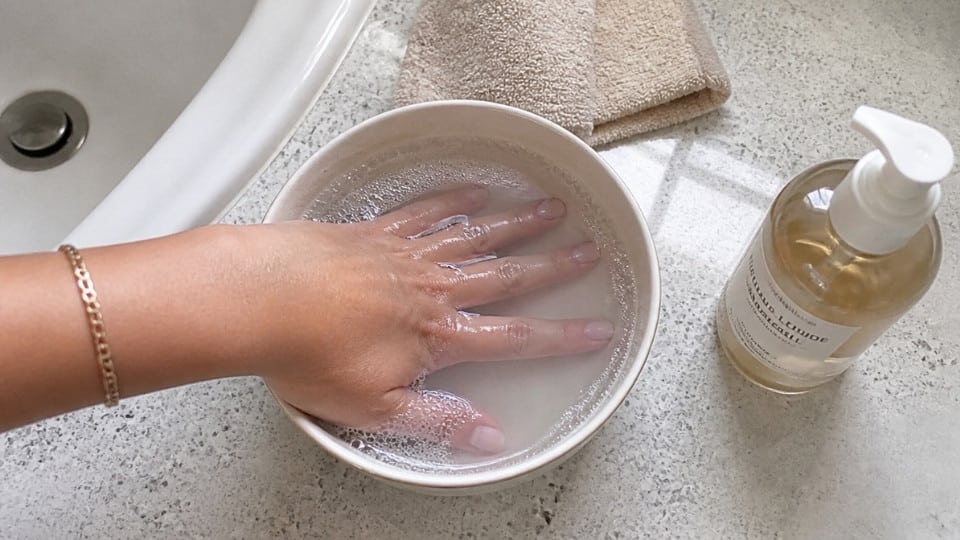
Warm soapy water is the easiest place to start when dealing with small amounts of nail glue. It helps soften fresh adhesive and allows you to remove it without putting extra stress on your skin.
- What you will need: A small bowl, warm water, mild hand soap or dish soap, and a soft washcloth.
- Steps to follow: Fill the bowl with warm water and add a few drops of soap. Soak the glued area for 10 to 15 minutes if the glue is still fresh, or up to 30 to 40 minutes if it has already dried, then gently rub the glue in small circular motions.
If the glue has not loosened after one soak, repeat for another 10 minutes rather than pulling at it, then wash the skin once the residue is removed.
2. Remove Stubborn Nail Glue With Acetone
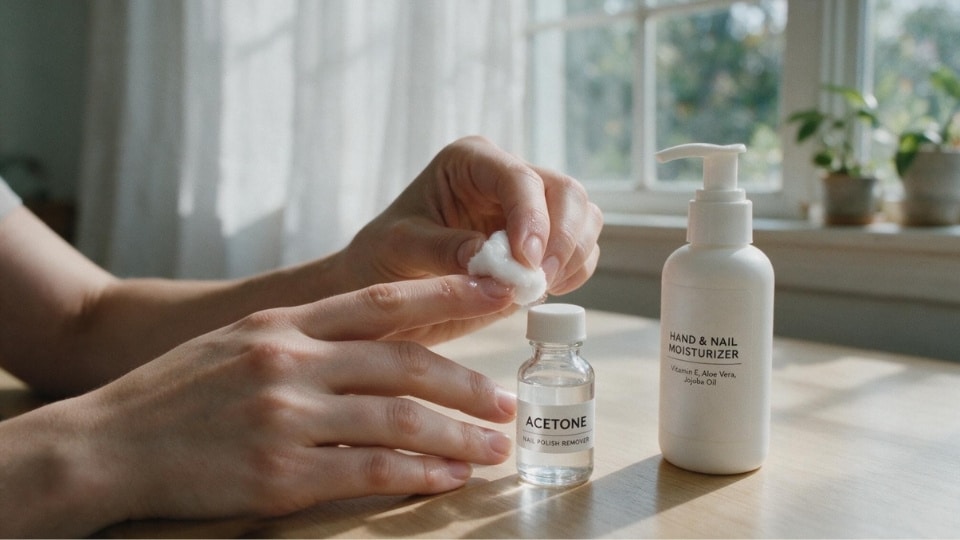
Acetone-based nail polish remover works well on dried nail glue because it can break down the adhesive bond. Use this method carefully and avoid applying acetone to broken, irritated, or sensitive skin.
- What you will need: Acetone-based nail polish remover, a cotton ball or cotton swab, mild soap, and a moisturizer or hand cream.
- Steps to follow: Apply acetone to a cotton ball or cotton swab and press it against the glued area for 30 to 60 seconds. Once the glue starts to soften, gently roll the residue away from the skin without pulling. Wash the area with soap and water afterward, then apply moisturizer to prevent dryness.
|
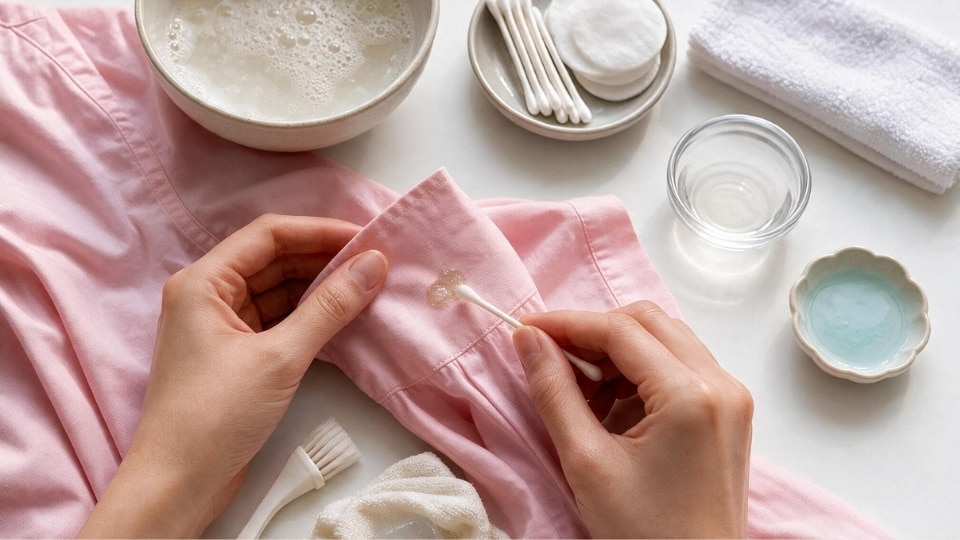
For glue that has already fully dried and hardened, thirty to sixty seconds of contact usually is not enough. Warm the acetone slightly by setting a small dish of it inside a bowl of hot water for a minute, keeping the water from mixing in, then soak the area in the warmed acetone for fifteen to twenty minutes. This works noticeably faster on cured glue than a quick cotton ball press, and it’s worth keeping this trick in mind if you ever end up with stray adhesive on fabric too. |
3. Loosen the Glue With Petroleum Jelly or Oil
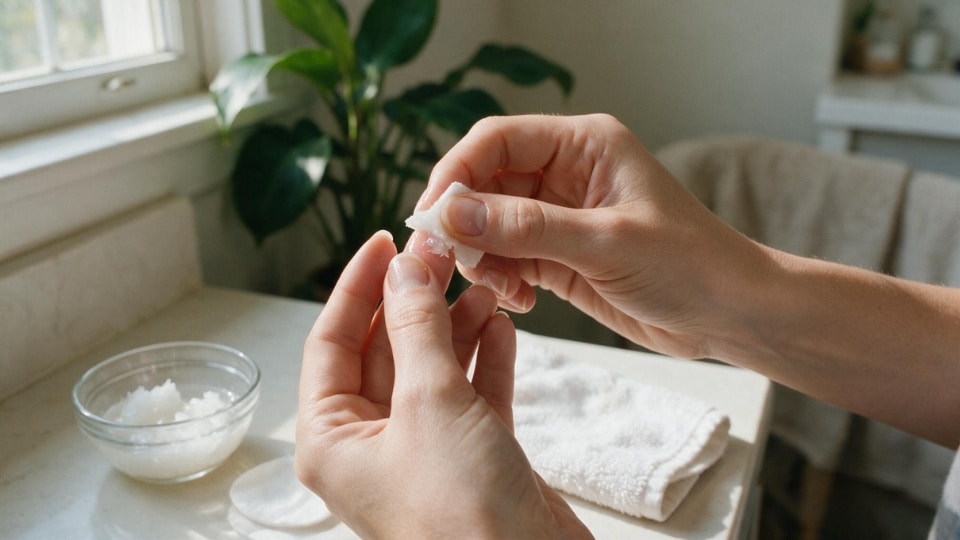
Petroleum jelly and oils are gentler alternatives when you want to avoid acetone or your skin feels sensitive. They do not dissolve nail glue as quickly, but they can help loosen the adhesive so it can be removed with less rubbing.
- What you will need: Petroleum jelly, coconut oil, olive oil, or another household oil, along with a soft washcloth or cotton pad and mild soap.
- Steps to follow: Apply a generous layer of petroleum jelly or oil over the glued area and let it sit for several minutes. Gently massage the skin around the edges of the glue until it begins to loosen. Wipe away the softened residue, wash the area with soap and water, and repeat the process if needed.
4. Buff Away Small Amounts of Softened Glue
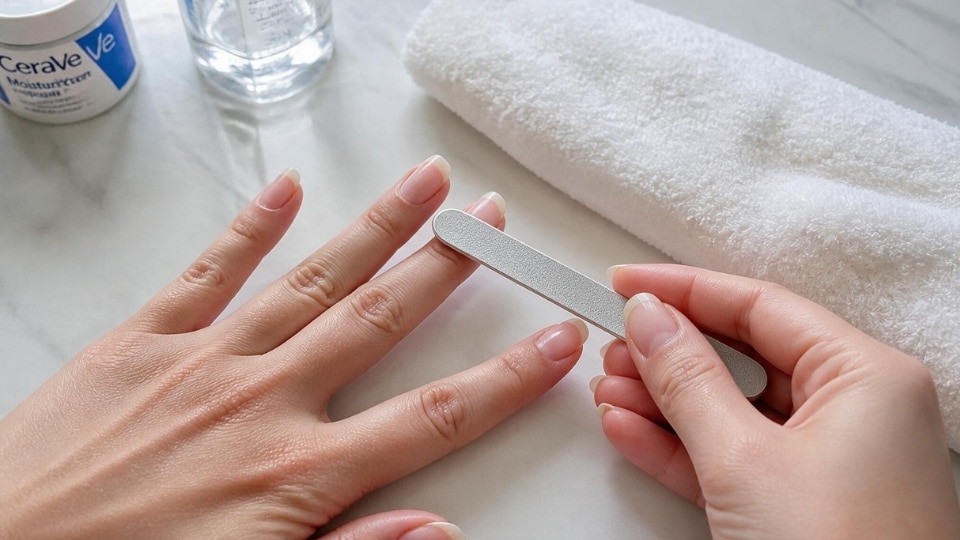
Buffing can help remove leftover nail glue that remains after soaking or oil treatments. This method works best on small patches of residue and should be done carefully to avoid irritating the skin.
- What you will need: A soft pumice stone or fine nail file, warm soapy water, a clean towel, and hand cream or petroleum jelly.
- Steps to follow: Soak the affected area in warm soapy water first to soften the glue. Use a soft pumice stone or nail file with light pressure and move in one direction instead of scrubbing back and forth. Stop as soon as the residue lifts or the skin feels tender, then rinse the area and apply moisturizer.
What About Baking Soda and Commercial Removers
Skip baking soda paste. It’s often floated as a home remedy, but baking soda actually works as a curing accelerant for cyanoacrylate, so it can strengthen the bond instead of breaking it down.
If you want a gentler option than straight acetone, try a dedicated nail glue remover.
These blend acetone with conditioning ingredients like panthenol or aloe, so they dissolve glue with less drying than a plain soak.
Just don’t confuse this with a generic super glue remover or debonder made for hardware repairs; those use stronger solvents that aren’t meant for skin.
|
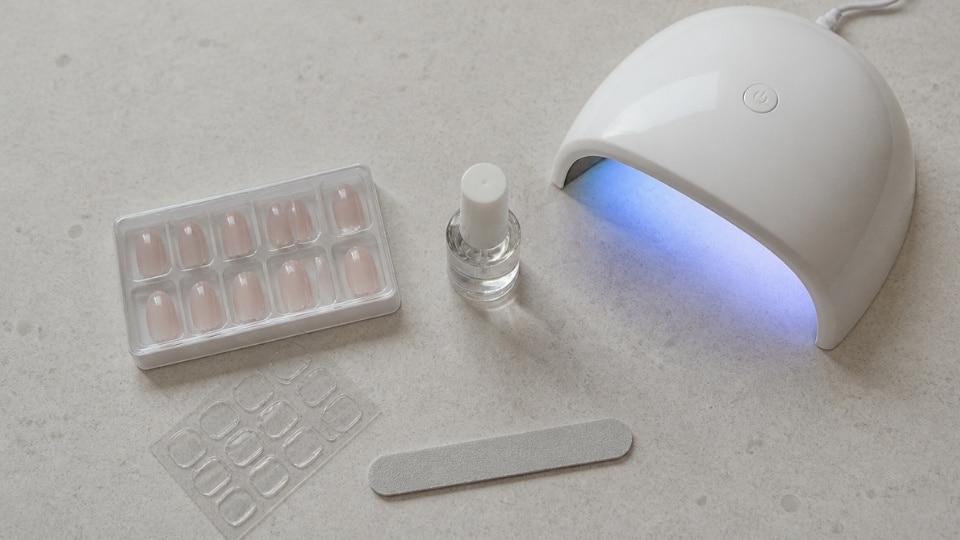
A Quick Note on Gel Nail Glue Gel-based nail glue cures under UV or LED light instead of just air and moisture, which makes it noticeably tougher to break down than regular cyanoacrylate glue. If you know you’re dealing with a gel formula, expect to need the warmed acetone soak rather than a quick cotton ball pass, and don’t be surprised if it takes a second full soak to fully loosen. |
Removing Nail Glue From Sensitive Areas
Some areas need a different approach entirely, since the skin there is thinner and acetone can do real damage if you are not careful.
- Lips: Skip acetone completely and use warm water with a mild lip balm to soften the glue over several short sessions rather than one aggressive attempt.
- Eyelids or near the eyes: Rinse with plenty of lukewarm water and never try to pry your eyelids apart. Call an eye doctor if the glue has sealed the lash line.
- Broken or cracked skin: Stick to warm water and soap only, since acetone will sting and can slow healing on any open area.
- Around the nostrils: Use a cotton swab dipped in warm soapy water for small, controlled dabbing instead of soaking the whole area.
These spots heal fastest when you treat them with patience instead of force, especially if the glue is anywhere near your eyes or mouth.
What Not to Do
- Do not pull or rip the skin apart to separate a bond, since this tears skin rather than the glue.
- Do not use razor blades, scissors, or any sharp tool to scrape glue off.
- Do not soak broken or bleeding skin in acetone.
- Do not use acetone near the eyes, mouth, or nostrils.
- Do not apply heat sources like a hair dryer directly to glued skin, since cyanoacrylate can release fumes when heated.
The National Capital Poison Center advises against separating bonded skin by force for exactly this reason, since it’s more likely to injure the skin than the glue itself.
How to Soothe Your Skin After the Glue is Off
Once the glue is off, your skin still needs a bit of attention, especially if you used acetone to get there.
- Wash thoroughly: Rinse the area with mild soap and lukewarm water to clear any leftover residue or acetone.
- Moisturize right away: Apply a thick, fragrance-free cream or ointment while skin is still slightly damp to lock in moisture.
- Skip exfoliants for a day: Hold off on scrubs, retinol, or acids on that spot until any redness settles.
- Watch for irritation: Mild pinkness is normal for an hour or two, but ongoing redness or itching means the skin needs a longer break from products.
A little aftercare goes a long way toward preventing the dry, cracked patches that acetone can leave behind.
When to See a Doctor
Most nail glue mishaps resolve at home within a day, but a few signs mean it is time to call a professional.
Seek medical care if glue has sealed your eyelids shut, if you swallowed any glue, or if skin under the bonded area shows blistering, spreading redness, or pus.
Burns from nail glue are rare and almost always involve a specific situation: glue soaking into fabric like a cotton shirt or glove and reacting with the material itself, which generates enough heat to burn the skin underneath.
This is different from glue simply touching bare skin, which is far less likely to cause a burn on its own. Still, if skin looks white, raw, or is unusually painful after removal, treat it as a burn and seek care.
If a bond will not budge after several gentle attempts, a dermatologist or urgent care clinic can remove it safely without damaging the skin underneath.
How to Prevent Nail Glue From Getting on Skin Next Time
A little prep before you even open the bottle saves you the whole ordeal later.
- Apply petroleum jelly around your cuticles first: I do this on myself before every press-on session, since dried glue wipes right off skin coated in jelly instead of bonding to it.
- Use the smallest amount of glue possible: A drop the size of a grain of rice is usually plenty. Excess glue is what ends up on clothes and skin in the first place.
- Work over a paper towel, not your lap: Stray drips land on paper instead of fingers or fabric.
- Keep a cotton swab with acetone nearby: Catching a fresh drop within seconds is far easier than dealing with glue that has fully cured.
- Let nails set undisturbed: Rushing to touch or adjust a nail right after applying glue is when most skin contact happens.
The American Academy of Dermatology also recommends knowing exactly what’s in your nail products before you use them, since the substances involved can trigger allergic reactions in some people.
Small habits like these are the difference between a clean application and a sticky cleanup afterward.
Final Thoughts
Removing nail glue from your skin doesn’t have to become a bigger problem than it started as.
The main things to remember are to avoid forcing the bond, choose a removal method that suits the situation, and care for your skin afterward.
Once you know how to get nail glue off skin safely, those small manicure accidents become much easier to handle.
A gentle approach will always leave you with better results than rushing through the process.
Frequently Asked Questions
Does Nail Glue Eventually Come Off Skin on Its Own Without Any Removal Method?
Yes, nail glue usually comes off within a few days to a week as the outer layer of skin naturally sheds.
Can Nail Glue Residue on Skin Cause a Long-Term Allergic Reaction?
It’s uncommon, but some people can develop an allergic reaction with redness, itching, or swelling. Stop using the glue and seek medical advice if symptoms continue.
Is It Safe to Use Rubbing Alcohol Instead of Acetone on Glued Skin?
Yes, but rubbing alcohol is much less effective than acetone. It may help loosen the glue, though it usually takes longer.
Why Does Nail Glue Seem to Bond Stronger to Certain Fingers Than Others?
Glue cures faster on areas with more moisture, such as fingertips. Drier areas usually give you a little more time before the bond fully sets.
Can I Use Nail Glue Remover Made for Artificial Nails on Skin Instead of Acetone?
Yes, most nail glue removers are safe for brief skin contact and often contain moisturizing ingredients that make them gentler than pure acetone.
How Long Should I Leave Acetone on Nail Glue Before It Starts Working?
Fresh glue may soften within 30 to 60 seconds, while fully cured glue can take 15 to 20 minutes. Check the glue every few minutes and avoid soaking longer than necessary.