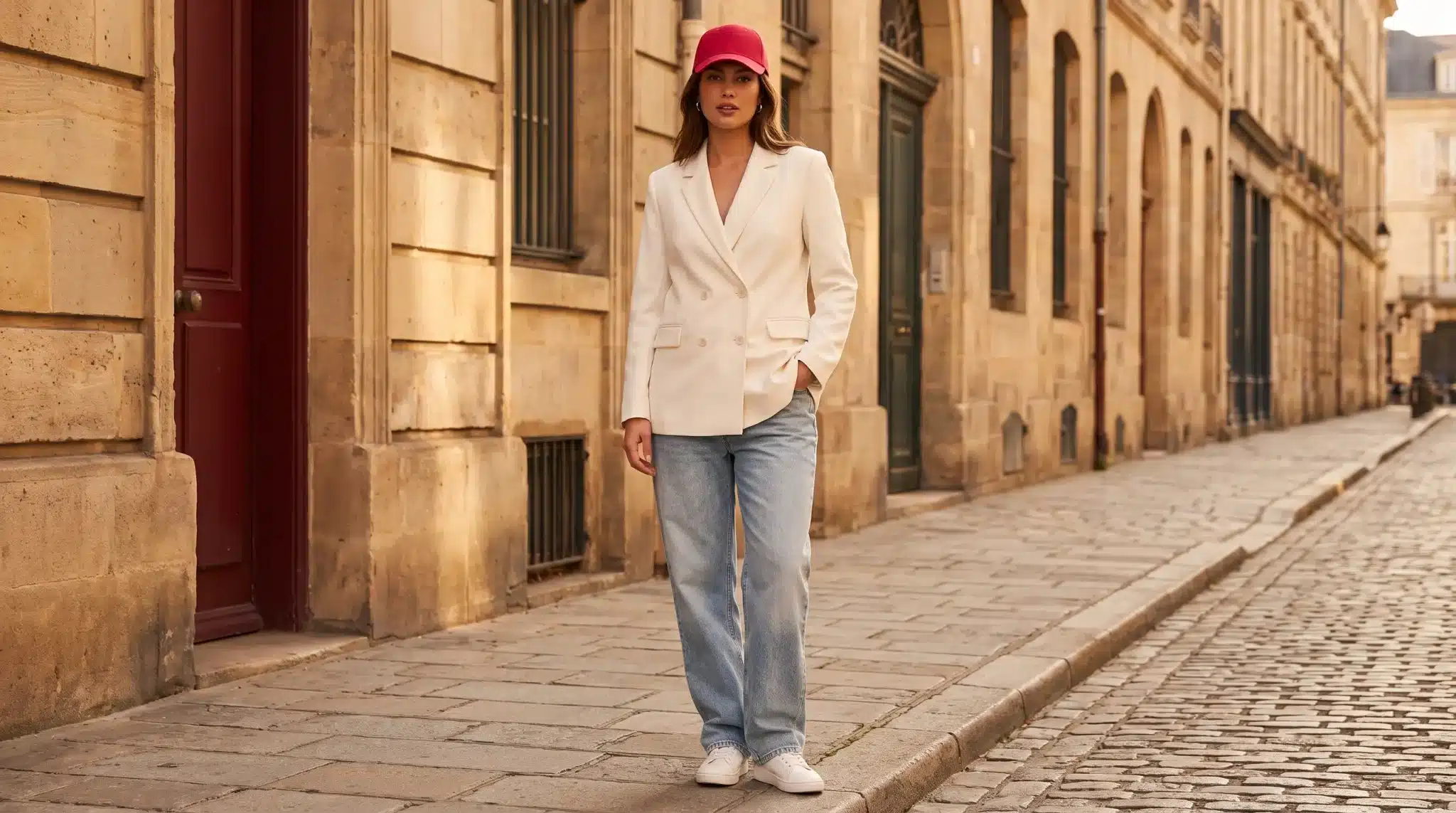
The first cool morning of the season has a funny way of making an entire closet feel obsolete. Yesterday, sandals and sleeveless dresses made perfect sense. Today, you are staring at the same clothes wondering how summer disappeared so fast. Fortunately, transitioning a wardrobe into fall and winter does not require packing everything away or buying an entirely new collection. Some of the best cold-weather outfits begin with pieces already worn throughout summer. The difference is in the layers, fabrics, colors and accessories that make those favorites feel right for a new season.
Start With Tops That Layer
Early fall rarely delivers consistently cold weather. Mornings can call for a jacket while afternoons feel warm enough for short sleeves, which makes versatile tops particularly useful. Casual tops for women with long sleeves or short in beautiful rich colors can bridge the seasonal gap without looking like leftover summer clothing. Burgundy, chocolate brown, forest green, navy, rust and deep plum immediately give familiar silhouettes a fall perspective.
Short-sleeve tops can stay in rotation beneath cardigans, blazers and lightweight jackets. Long-sleeve versions work alone on milder days and become base layers once temperatures drop. Instead of focusing only on sleeve length, pay attention to fabric and color. A substantial cotton tee, ribbed knit or soft jersey top in a saturated shade often looks more appropriate for October than a lightweight pastel blouse, even when the basic silhouette remains similar.
Keep Your Favorite Dresses
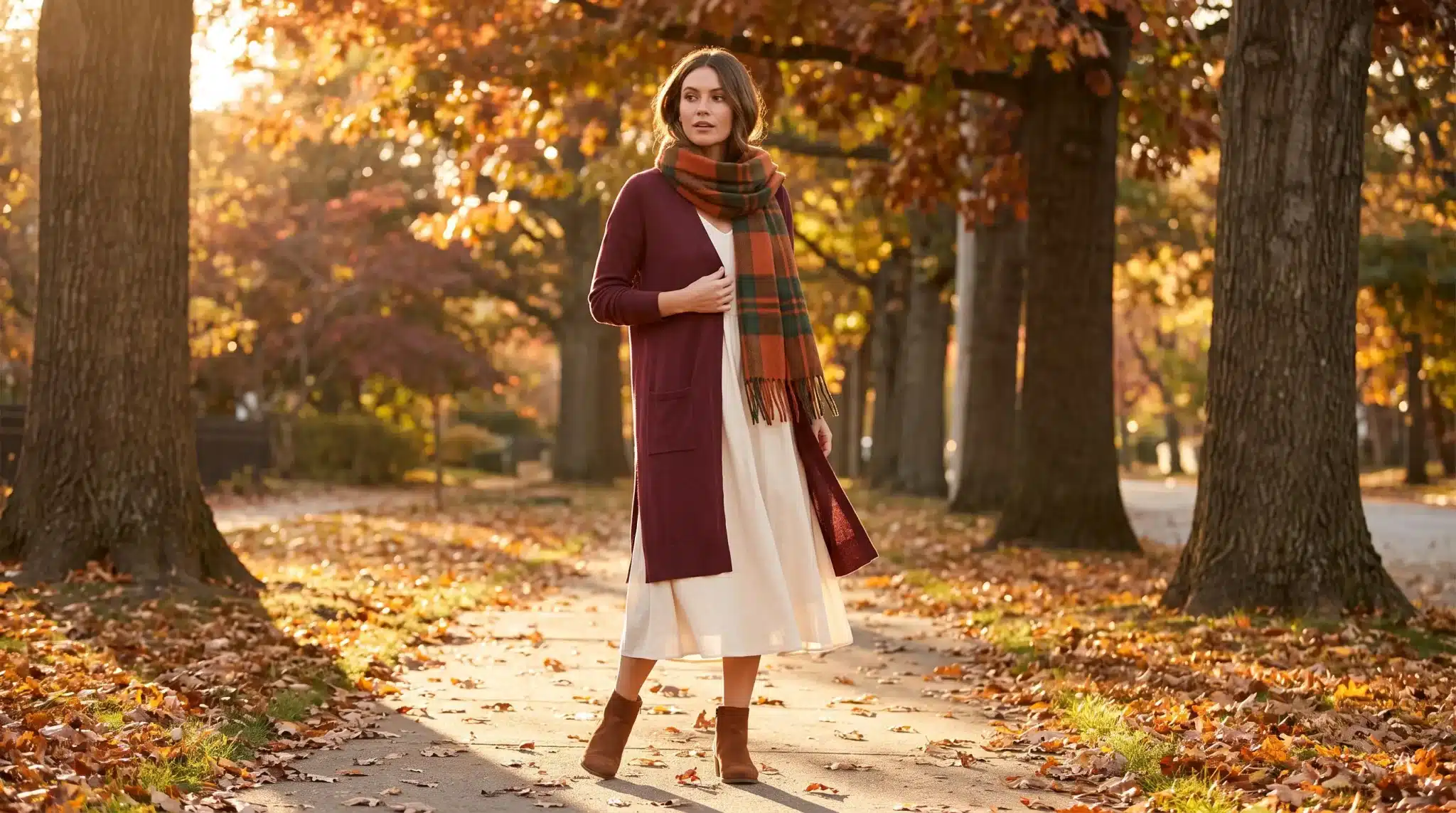
There is no reason to retire every dress after Labor Day. Many summer dresses become surprisingly useful when paired with fall layers. A simple midi dress can work with a cropped cardigan and loafers during early fall, then move into colder weather with boots, tights and a heavier coat. Shirt dresses are equally adaptable because they already have enough structure to work alongside seasonal accessories.
Print matters, but not as much as styling. Florals against darker backgrounds tend to transition naturally, while solid dresses offer an easy foundation for richer textures. A linen sundress may eventually need to go into storage, but cotton, denim, jersey and heavier woven dresses can often remain useful for months. Adding suede, leather, wool or chunky knit accessories changes the visual weight of an outfit and makes a warm-weather dress feel intentional rather than misplaced.
Let Texture Change the Mood
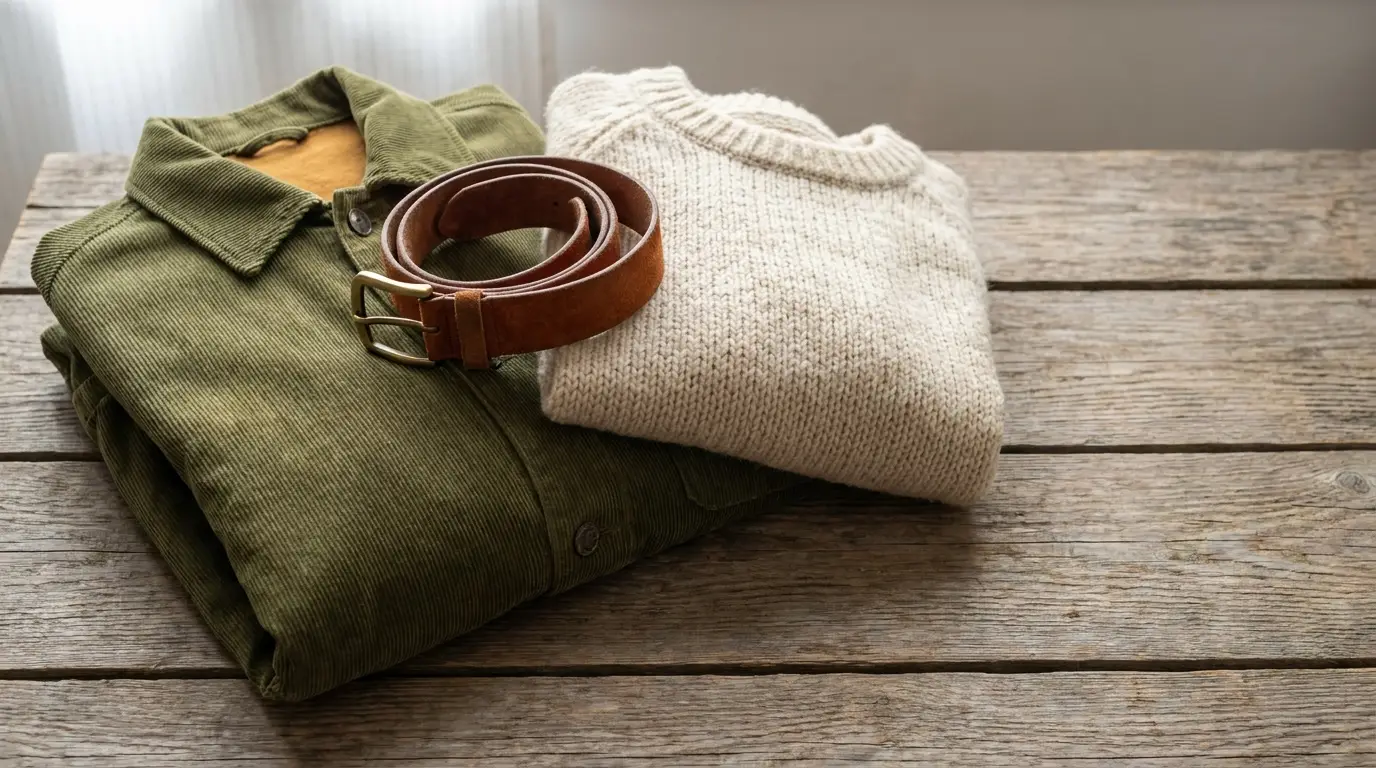
Fall fashion gets interesting when texture enters the picture. Summer wardrobes rely heavily on light cotton, linen and smooth fabrics because comfort takes priority in the heat. Cooler weather creates room for corduroy, suede, leather, wool, cashmere, velvet and substantial knits. You do not need all of them at once. One heavier texture can completely change an outfit.
Try wearing a summer blouse with corduroy trousers instead of shorts, or pair a basic cotton dress with suede boots. Denim also becomes more useful as temperatures fall. A denim jacket can cover a tank or dress in September before disappearing beneath heavier outerwear later in the year.
Accessories offer another inexpensive way to introduce texture. A leather belt, suede bag or wool scarf can make clothes you have worn for months feel fresh again. This approach also keeps transitional dressing practical because you are changing individual elements rather than replacing entire outfits.
Use Fall to Experiment
Seasonal changes provide a natural opportunity for finding your style because you are already reconsidering how different pieces work together. Instead of automatically buying whatever appears on a seasonal trend list, look at what you repeatedly choose from your own closet. Those habits reveal more than a rack of new arrivals ever could.
If you constantly reach for wide-leg trousers, build around them with fitted knits and structured jackets. If dresses dominate your wardrobe, experiment with boots, belts and coats instead of forcing yourself into jeans because they seem more seasonal. Someone who loves relaxed clothing might prefer oversized sweaters and soft trousers, while another person feels more comfortable in tailored blazers and straight-leg denim.
Trends are most useful when treated as possibilities rather than instructions. Try the ones that make sense with clothes you already enjoy wearing. Skip the rest without guilt. Personal style becomes easier when your wardrobe reflects your actual life rather than an imaginary version of it.
Finish With Smarter Outerwear
Outerwear eventually becomes the most visible part of a cold-weather wardrobe, so choose it carefully. During early fall, denim jackets, trench coats, leather jackets and lightweight wool layers provide enough warmth without overwhelming an outfit. As winter approaches, heavier wool coats and insulated jackets can take over.
Shoes deserve the same gradual transition. Loafers, ballet flats and sneakers can carry summer outfits into fall before ankle boots and taller boots become necessary. Even sandals may survive a few warm September afternoons, depending on the weather. A good seasonal wardrobe evolves with the weather, which means fewer unnecessary purchases and far more ways to wear the clothes you already own.