The choice between screen printing and embroidery comes up whenever a business is putting its brand on clothing or merchandise. Both have their place, and the decision is usually clearer once you understand what each method produces, where each one performs best, and what the practical differences are in terms of cost, durability, and visual outcome.
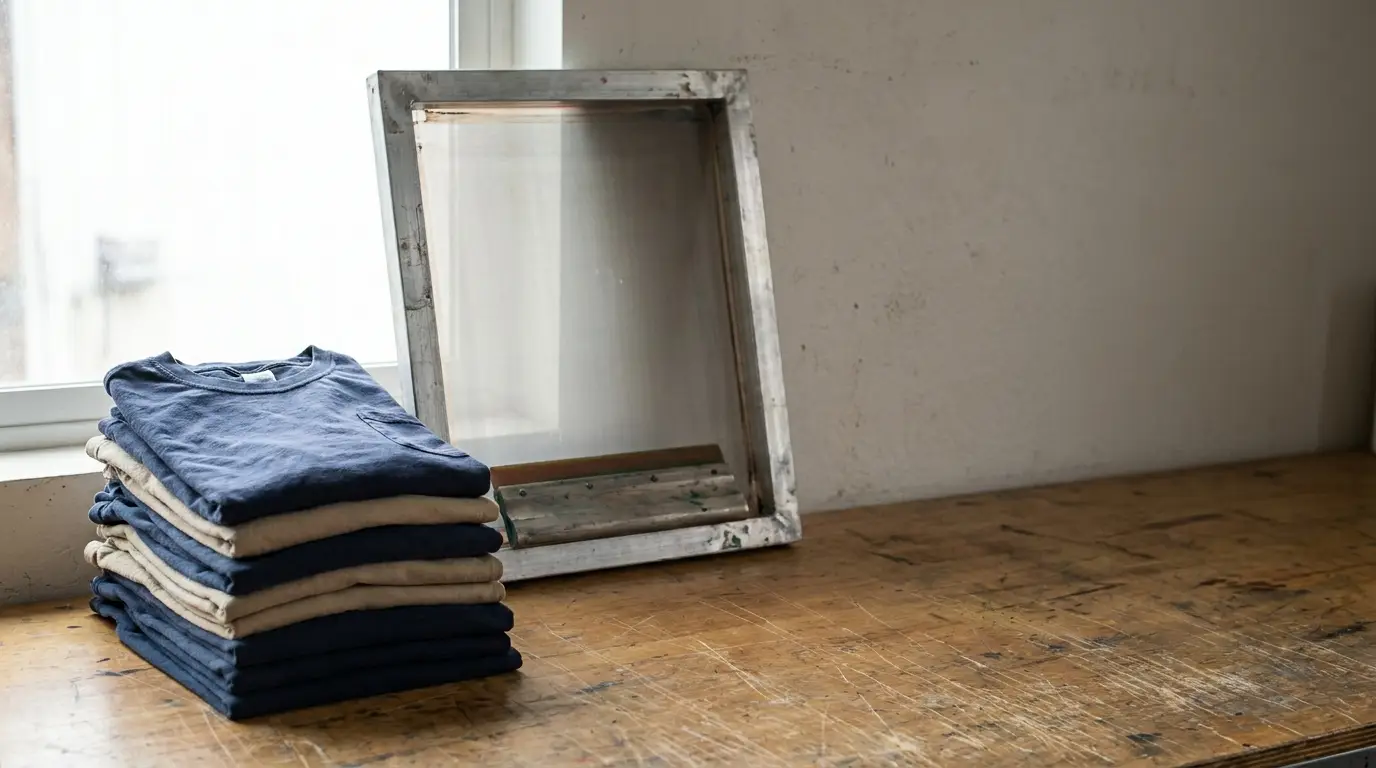
Screen printing transfers ink directly onto a surface through a mesh screen, with a separate screen created for each colour in the design. The method produces vivid, flat colour with exceptional durability, making it the standard choice for branded t-shirts, hoodies, and casual workwear where volume is involved and the design calls for bold, graphic treatment.
Where Screen Printing Outperforms Other Methods
The economics of screen printing change significantly with volume. Setting up the screens for a print run carries an upfront cost, which means the per-unit cost drops considerably as quantity increases. For a business ordering 50 or more pieces of the same design, screen printing is typically the most cost-effective option. For smaller quantities, the economics are different, and digital methods often make more sense.
The visual output of screen printing is distinct from embroidery or heat transfer. Colours appear saturated and graphic rather than textured, which suits logo-heavy designs with strong visual impact. Full-width designs across the chest or back of a t-shirt, for example, are natural territory for screen printing and would be prohibitively expensive or technically difficult to achieve through embroidery.
Durability is another genuine advantage. A well-applied screen print on a quality garment can withstand years of regular washing without significant fading or cracking, provided the correct inks are used and the printing is done properly. Discharge printing, which removes the existing dye from the fabric and replaces it with the print colour, is particularly durable and produces a soft hand feel that is different from traditional plastisol inks.
Businesses that offer custom screen printing also apply the method to non-garment substrates. Tote bags, aprons, promotional items, and corporate merchandise can all be screen printed effectively, making it a consistent method across many types of branded products.
Types of Printing Worth Knowing About
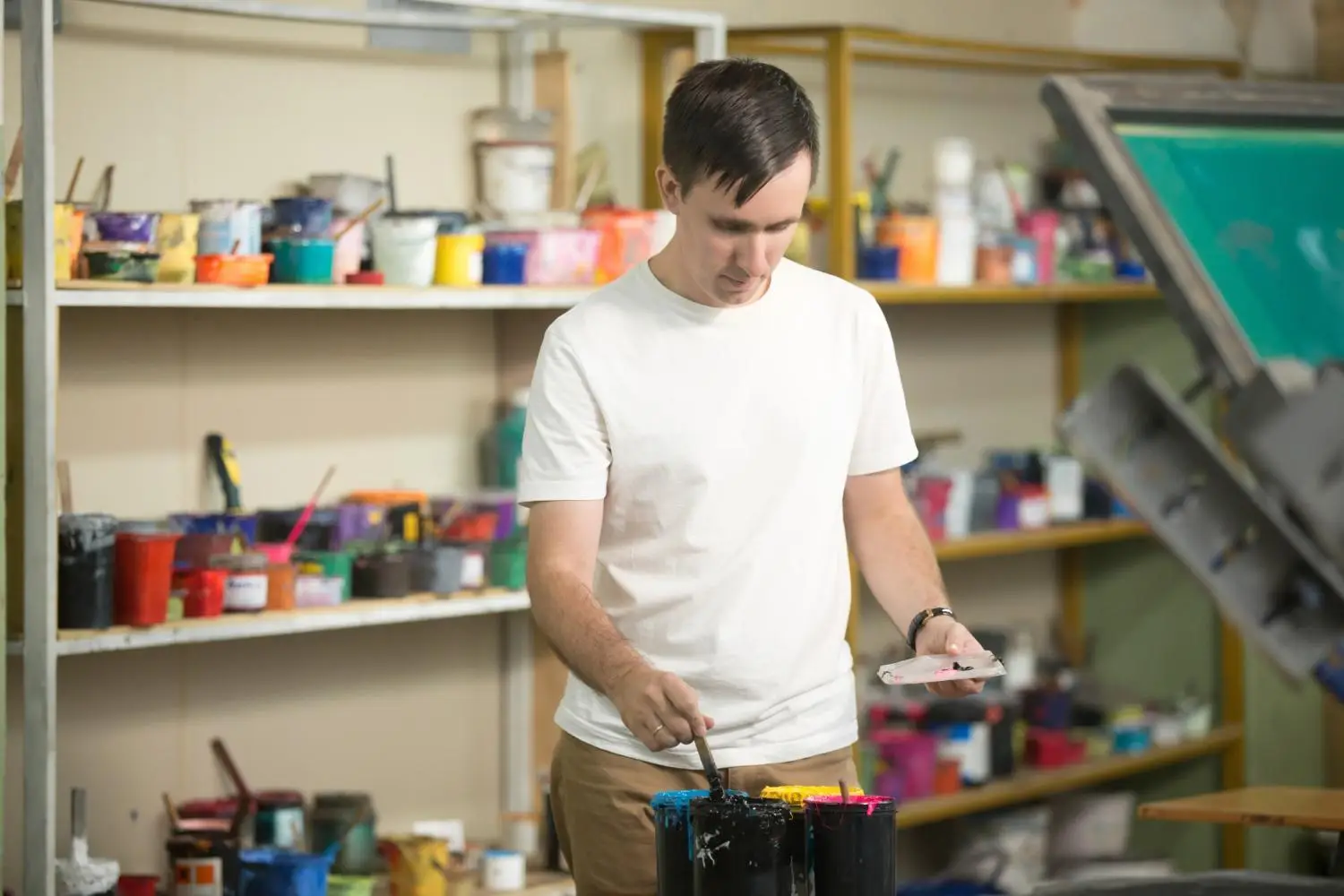
Plastisol is the standard ink for most commercial screen printing. It sits on top of the fabric, produces vivid colours, and holds up well over time when cured correctly.
Water-based inks absorb into the fabric rather than sitting on top of it, producing a softer feel and a more “vintage” appearance. They work better on lighter-coloured garments and are a popular choice for fashion-forward branded merchandise.
Discharge printing removes the dye from the fabric and dyes it with the print colour, producing results that are particularly suitable for dark-coloured garments where a soft, worn-in finish is the goal.
The Specialty Graphic Imaging Association tracks ink technology developments across the industry and publishes guidance on print quality standards. Specialty inks including metallics, glow-in-the-dark formulations, and puff inks that raise off the surface are available from most commercial printers. These add visual interest at a modest upcharge and are worth knowing about for promotional applications where differentiation matters.
What to Prepare Before Ordering
Artwork quality determines the quality of the final product more than almost any other factor. Screen printing works from vector artwork or high-resolution raster files separated into individual colours. A logo that exists only in a low-resolution format will need to be recreated as a vector before printing, which most providers offer as a service but which adds time and cost.
Colour matching is worth discussing with your printer before production. Screen printing colours are mixed from ink, not generated on-screen, and the same Pantone colour can vary slightly between different print runs and different printers. If your brand has specific colour standards, providing Pantone references rather than RGB or CMYK values gives the printer the clearest target to match.
Understanding the basics of print specifications before you engage a supplier helps you ask the right questions and set realistic expectations for the finished product.
A physical sample or press proof before full production is worth requesting for significant orders. It takes additional time but eliminates the risk of discovering a colour mismatch or production issue after the full run is complete.
Minimum Orders and Timing
Most commercial screen printers work with minimum order quantities, typically starting at 12 to 24 pieces for a single design. Below these minimums, the economics of screen setup don’t work efficiently, and digital printing becomes a more appropriate solution.
Lead times vary by provider and order complexity. Standard turnaround for a single-design screen print order is typically one to two weeks from artwork approval. Adding multiple placements, multiple garment types, or custom colour mixing extends this. Rush services are available from most suppliers but add cost.
For businesses ordering seasonal workwear, event merchandise, or promotional items on a predictable schedule, establishing a relationship with a single print supplier who knows your brand’s colour standards and artwork saves time on each successive order and reduces the chance of variation between runs.