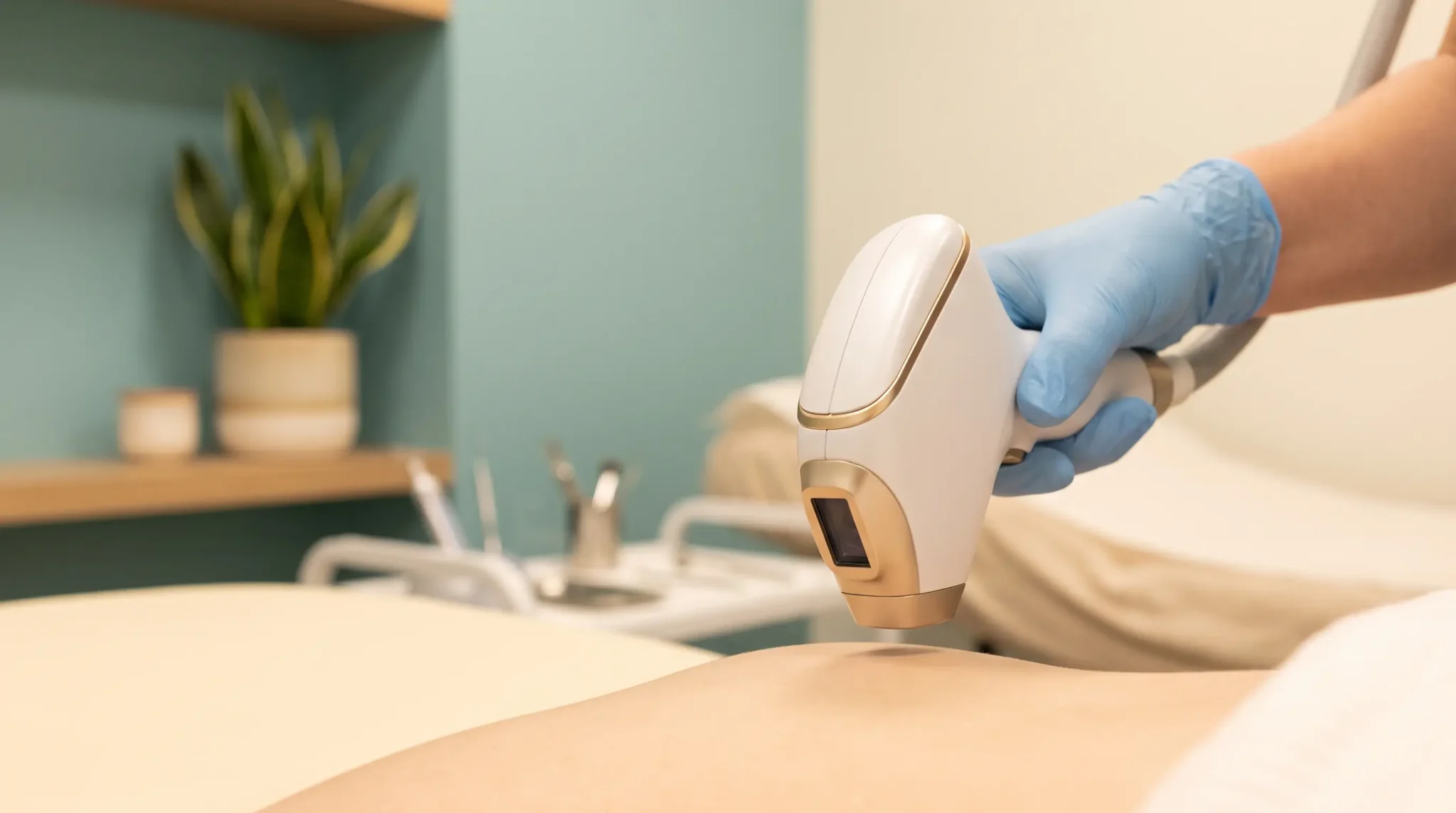
Aesthetic training shapes clinical judgment, patient communication, and injection technique long after a class ends. The right program should match a clinician’s license, experience, treatment goals, and schedule.
A registration page cannot answer every practical concern, so prospective attendees should examine the learning experience itself. Questions about instructors, hands-on practice, course content, and post-training support reveal whether a class fits professional needs before payment is made.
1. Who Teaches the Course?
Instructor experience affects the quality of clinical education. Prospective attendees should review each trainer’s clinical background, treatment focus, and experience teaching licensed clinicians.
The Skin Clique Academy training schedule lists separate sessions for neuromodulators, dermal fillers, Sculptra, and Radiesse. Reviewing those categories helps clinicians compare each course with their intended practice.
A trainer should explain injection decisions in clear clinical terms. The instruction should connect anatomy, patient assessment, product selection, treatment planning, and complication management.
The course page should also explain the teaching format. A class led by practicing clinicians can connect classroom instruction with patient consultations and treatment-room decisions.
2. How Much Hands-On Practice Is Included?
Aesthetic medicine requires more than watching demonstrations. Learners need time to assess facial anatomy, plan treatment, handle equipment, and practice technique under direct supervision.
Prospective attendees should ask whether models are included and how much time each participant receives. A large class with limited practice creates a different learning experience than a smaller session with repeated feedback.
The course should explain whether participants inject models, observe demonstrations, or do both. It should also identify the supplies, products, and equipment provided during training.
3. Does the Course Match the Intended Treatment Area?

Aesthetic courses differ by treatment type and clinical objective. Neuromodulator instruction focuses on injection technique, while dermal filler training addresses facial balancing and treatment planning.
The course title should match the skills a clinician wants to build. A participant seeking experience with Sculptra or Radiesse needs a course that covers those products directly.
4. What Does the Schedule Require?
Travel, time away from patients, and course duration affect the total cost of attendance. A prospective participant should confirm the training date, city, start time, and number of days before registering.
Some sessions take place over one day, while the listed Dallas neuromodulator course runs September 26 to 27, 2026. That difference affects hotel bookings, transportation, staffing, and appointment availability.
The schedule also lists training locations in Texas, Georgia, South Carolina, and Tennessee. Filtering by course and state helps clinicians identify a practical date and location.
5. What Is Included in the Registration Price?
The registration fee should be assessed against the actual learning experience. Clinicians should ask whether it includes models, injection supplies, educational materials, meals, certificates, or follow-up access.
The schedule lists prices of $1,300 for neuromodulator training and $1,700 for several dermal filler, Sculptra, and Radiesse sessions. Those figures provide a starting point for budget planning.
A participant should also review the cancellation, transfer, and refund terms. These policies matter when a clinical schedule changes or a course reaches capacity.
6. Is the Course Appropriate for the Clinician’s License?
Scope-of-practice rules differ by state and license type. A course provider cannot replace guidance from a state licensing board, employer, or supervising clinician.
Prospective attendees should confirm eligibility before purchasing a seat. The schedule identifies training for NPs, PAs, RNs, and MDs, but each clinician must verify current state requirements.
The course should support lawful practice and remain within a participant’s permitted scope. A license check belongs in the booking process.
7. What Happens After the Class?
A useful course gives learners a clear plan after the training day. Participants should ask whether they receive reference materials, technique guidance, case review, or access to future questions.
Post-course support does not replace independent clinical judgment. It helps a clinician revisit protocols, organize notes, and identify areas that require more education.
Prospective attendees should also ask how the course documents completion. A certificate, attendance record, or continuing medical education credit can matter for professional records.
Conclusion
Before booking aesthetic training, a clinician should compare the instructor’s experience, hands-on practice, treatment focus, schedule, price, license requirements, and post-course support.
The course title alone does not show how much practical education a participant receives. Reviewing the schedule, checking eligibility with the relevant state board, and requesting written details about included materials create a clearer decision. The next step is to ask these questions before securing a seat.