Hair dye doesn’t just color your hair. It can also leave stubborn stains on your forehead, ears, neck, or hands.
Since the pigment only clings to the outermost layer of your skin, most stains can be removed without harsh chemicals or aggressive scrubbing.
Knowing how to remove hair dye from skin starts with using ingredients that loosen the color while protecting your skin barrier, so you can get rid of the stain without creating a new skincare problem.
Why Hair Dye Stains the Skin
Hair dye is designed to stick to hair strands, but it doesn’t always stay where you want it. The pigments in the dye are strong and can easily cling to the outer layer of skin.
Areas such as the forehead, ears, neck, and hands are most at risk because they come into direct contact with the product during application.
Darker shades like black, brown, and red stain the worst. They hold more pigment, so they sit longer before fading. Dry skin makes it worse too, because it soaks up dye faster than moisturized skin.
How to Stop a Hair Dye Stain Before It Sets
The first few minutes after dye touches your skin matter most. Fresh dye lifts off easily. Wait too long, and it settles into your skin, turning into a stain that’s actually annoying to deal with.
If it happens, here’s what to do right away:
|
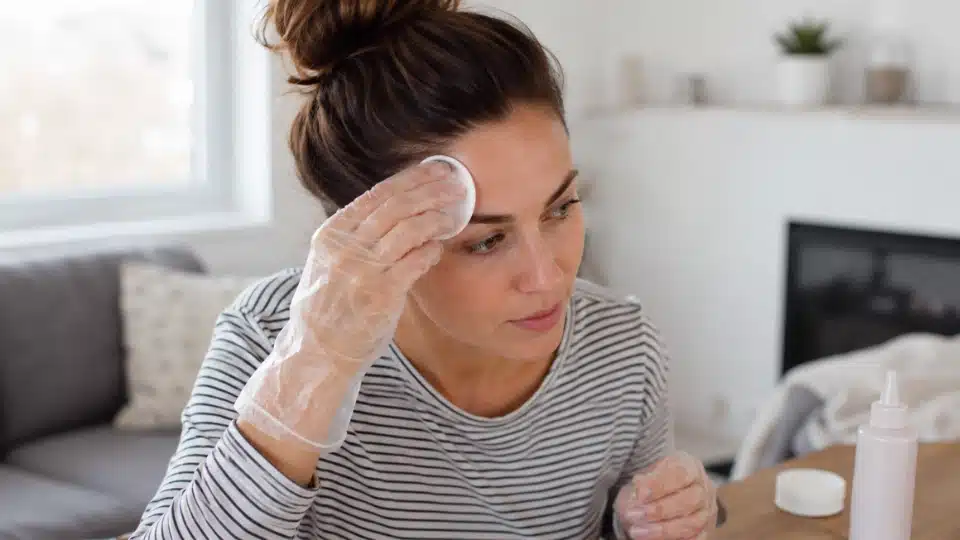
Rinse the spot with lukewarm water. Blot it with a damp cloth instead of rubbing; rubbing just spreads the color around. Add a little mild soap if the water alone isn’t cutting it. And go easy on yourself here: scrubbing hard feels productive, but it usually just irritates your skin without removing more dye. |
Catch it in the first ten minutes and you can get rid of hair dye on skin with plain water. Wait an hour and you’re picking through remedies.
Easy Home Remedies to Get Hair Dye Off Skin
You don’t need fancy products to get rid of hair dye stains. Many safe and gentle solutions can be found right in your home, no matter which hair color you’re removing.
1. Natural Oils (Coconut or Olive Oil)
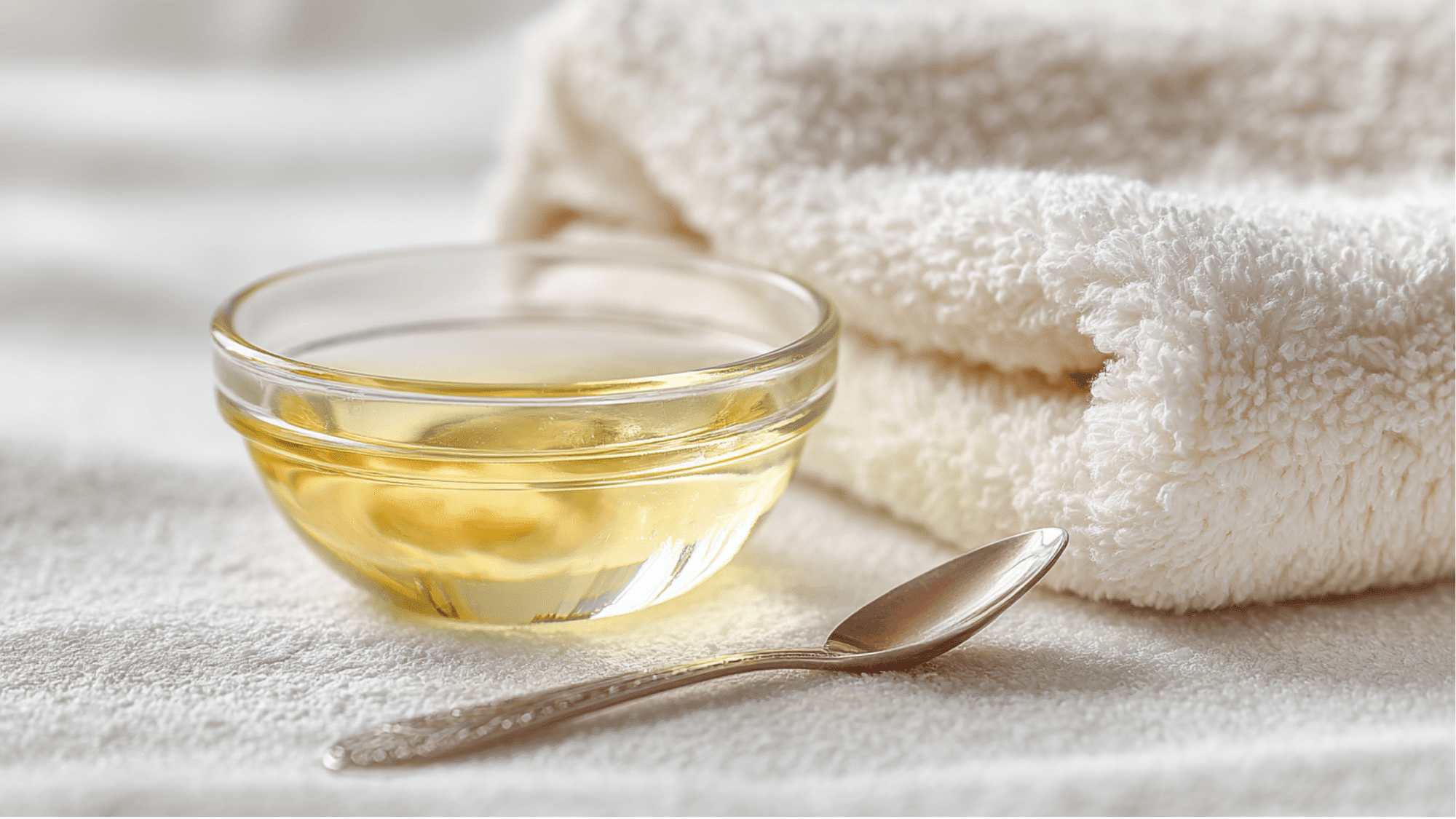
Oils are gentle on the skin and can loosen dye pigments without irritation. Apply a small amount of coconut or olive oil to the stained area and let it sit for several minutes.
Gently rub with a cotton ball or cloth, then rinse with warm water. This works best on fresh stains.
2. Baby Wipes or Makeup Remover Wipes
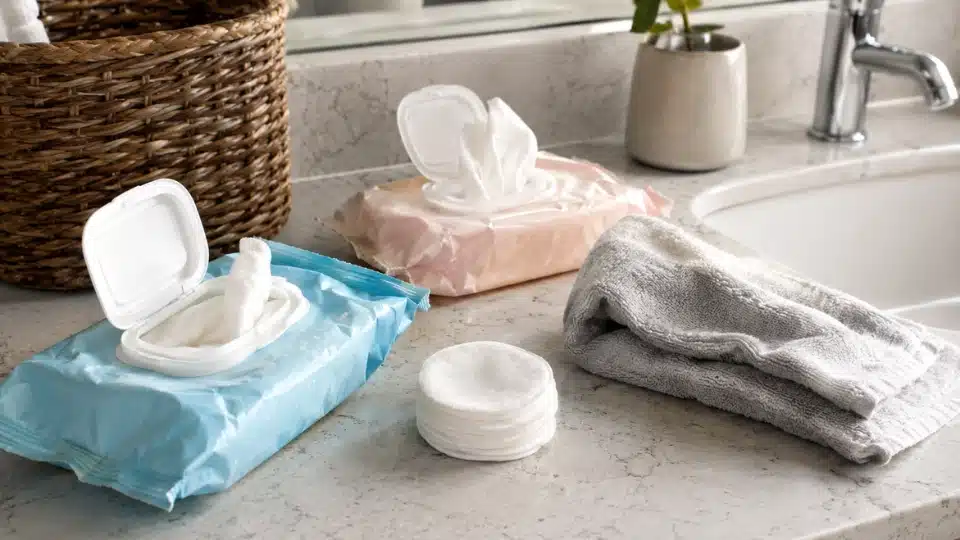
Soft wipes are handy for quick cleanups. They can gently lift surface stains without the need for harsh scrubbing. Rub the stained area with a wipe using light circular motions.
Since they are mild, wipes are safe for sensitive areas, such as the face or neck. They’re best used immediately after dye spills.
3. Baking Soda and Dish Soap Paste
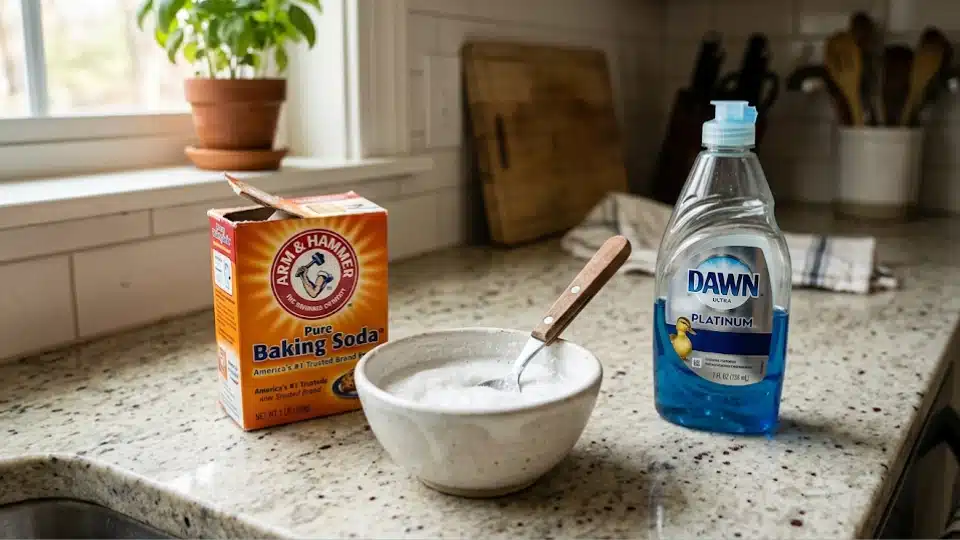
Mixing a small amount of baking soda with dish soap creates a gentle scrub that can lift stubborn dye. Apply the paste to the stain and gently rub in a circular motion.
Rinse thoroughly with water. Use this method sparingly to avoid irritation, as baking soda can be slightly abrasive on skin.
4. Non-Gel Toothpaste
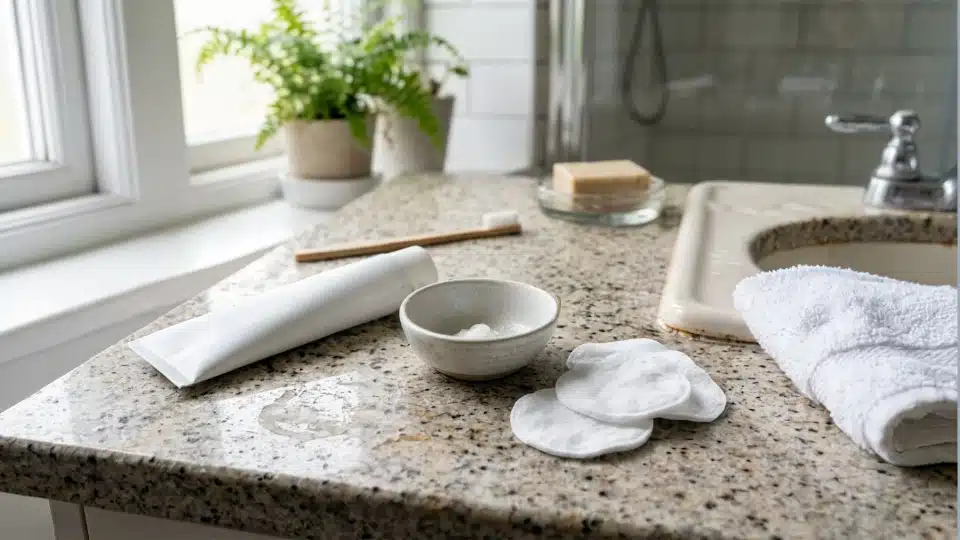
Regular white toothpaste works as a mild cleanser because it contains gentle abrasives that gently remove plaque. Apply a pea-sized amount to the stain and rub softly with a cotton pad or your fingertip.
Leave it on for a minute before rinsing. It’s a safe option for smaller spots and doesn’t usually cause dryness.
Keep in mind this is a popular home trick, not a scientifically proven method, so patch-test a small area first if your skin is sensitive.
5. Petroleum Jelly (Vaseline)
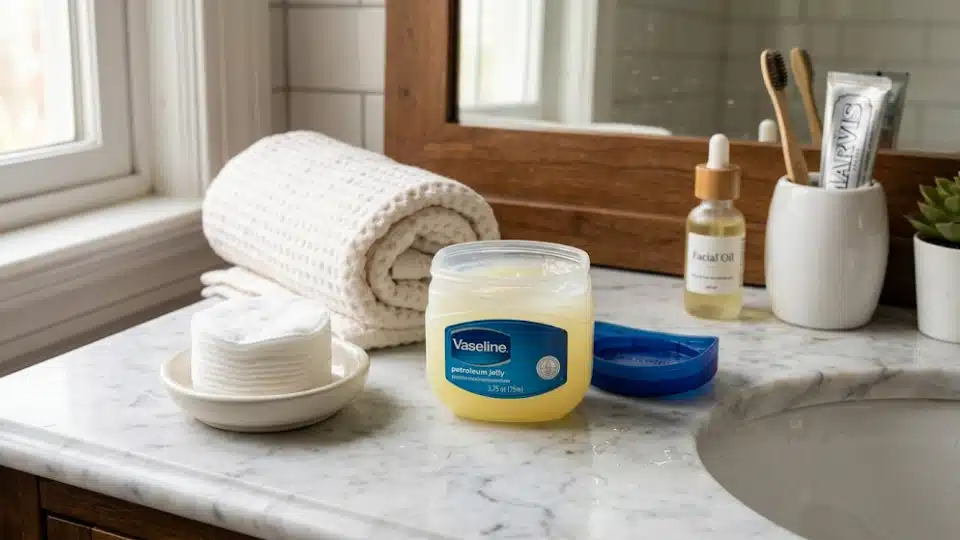
A thick layer of petroleum jelly can help soften dye stains. Apply it directly to the area and let it sit for several minutes, or even overnight if needed. Wipe it away with a damp cloth.
This method is especially useful for sensitive skin, as it’s soothing and non-irritating.
6. Diluted White Vinegar
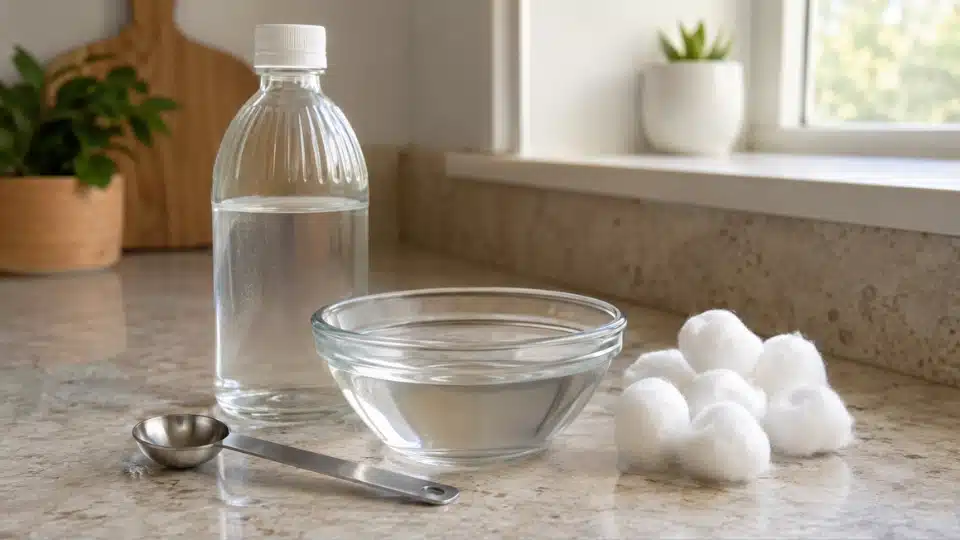
White vinegar can help break down dye, but it must be diluted first. Mix equal parts vinegar and water, then apply with a cotton ball.
Leave it on the stain for a short time before rinsing. Avoid using this method on broken or irritated skin, as vinegar can sometimes cause stinging.
7. Rubbing Alcohol and Nail Polish Remover (For Hands Only)
For tougher stains on hands, rubbing alcohol can be an effective solution. Dab a small amount on a cotton ball and gently rub the stained skin. Wash thoroughly with soap and water afterward, then apply moisturizer.
Hands can handle stronger methods than your face or hairline, since the skin there is thicker and less sensitive. If the stain is still stubborn, nail polish remover is another hands-only option.
Dab a small amount onto a cotton ball and rub gently over the stain for a few seconds, then wash immediately with soap and warm water and moisturize well afterward.
Avoid using alcohol or nail polish remover on the face or neck, since both can dry and irritate sensitive skin.
|
If you’ve tried several remedies and the stain still won’t budge, stop scrubbing. Continued rubbing can irritate your skin without actually removing more dye. At this point, a hairstylist or colorist is your best option. They have access to professional-grade dye removers that are stronger and safer than most household products, and they know how to use them without damaging your skin. Many salons will remove a stubborn stain for a small fee, even if you didn’t get your color done there. It’s a quick, low-effort fix when home remedies have reached their limit. |
Quick Comparison: Which Method to Use
Not every method suits every spot. Use this to pick the fastest safe way to remove hair dye from skin based on where the stain is and how long it’s been sitting.
| Method | Best For | Time Needed | Notes |
|---|---|---|---|
| Soap & warm water | Fresh, just-happened stains | Under 1 minute | Try this first, always |
| Coconut/olive oil | Sensitive skin, face | A few minutes to overnight | Gentle, safe for repeat use |
| Baby wipes | Quick cleanups | Under 1 minute | Best right after a spill |
| Baking soda + dish soap | Set-in stains | 5–10 minutes | Mildly abrasive, don’t overuse |
| Non-gel toothpaste | Small spots | 5–10 minutes | Anecdotal, patch-test first |
| Petroleum jelly | Sensitive skin, overnight treatment | Several minutes to overnight | Very gentle |
| Diluted white vinegar | Set-in stains, non-broken skin | A few minutes | Avoid on irritated skin |
| Rubbing alcohol | Hands only | Quick dabbing | Drying moisturize after |
| Nail polish remover | Hands only, stubborn stains | A few seconds | Never use on face/neck |
Harsh Methods You Should Avoid
When hair dye stains your skin, it can be tempting to grab the strongest cleaner you have at home. But not all products are safe for your skin.
Some can cause irritation, dryness, or even damage. Knowing what not to use is just as important as knowing the right remedies. Here are the main things to avoid:
|
Bleach is Too Harsh: Excessive use of bleach can cause burns and skin damage. Even a small amount may cause redness, dryness, or irritation. It’s not worth the risk. Avoid Rough Scrubbing Pads: Harsh pads or sponges can cause scratches and irritation, leading to soreness and discomfort. Gentle methods are always safer. |
Tips to Prevent Future Stains
Stains are far easier to avoid than to remove, and prep takes about two minutes.
- Apply a Barrier Cream: Use petroleum jelly, coconut oil, or a thick moisturizer to protect the sensitive areas around the hairline, ears, and neck.
- Wear Gloves: Protect your hands by wearing gloves from start to finish during the dyeing process.
- Do a Patch Test First: MedlinePlus explains that a patch test can help identify skin allergies before they cause a bigger reaction. Testing a small amount of dye on your skin and waiting 48 hours is a simple way to catch sensitivity early, especially with darker, permanent dyes.
- Use Old Towels or Clothing: Choose dark or worn-out items you won’t mind staining.
- Apply Dye Carefully: Use an applicator brush instead of fingers for better control and less mess.
- Keep Wipes Nearby: Have baby wipes or damp cloths readily available to clean up drips immediately.
- Cover Surrounding Areas: Place an old towel around your shoulders or use a protective cape.
- Moisturize Your Skin First: Apply a light moisturizer to your hairline and hands before you even start, so skin absorbs less dye.
- Dye Unwashed Hair: Color hair a day or two after washing. Natural scalp oils act as an extra barrier against skin staining.
Taking a few minutes to prepare can make the whole process smoother and less messy. Not only will you avoid stubborn stains, but you’ll also protect your skin and clothes.
With these small steps, you’ll be free to focus on your hair color results instead of cleanup.
When to See a Doctor
Most hair dye stains are harmless and fade on their own; however, the reaction can sometimes be more serious. If the skin becomes very red, hot, or starts to burn, it may be a sign of a chemical reaction.
Itching, bumps, or a spreading rash can point to an allergy and should not be ignored. Swelling near the eyes, lips, or face is also a warning sign that requires prompt medical attention.
Research published in the National Library of Medicine shows that hair dye ingredients like PPD are a well-documented cause of allergic contact dermatitis, so a spreading rash after dyeing your hair is worth taking seriously.
If the stained skin feels painful for more than a day or shows no improvement, it’s better to get it checked. Signs of infection, like pus, worsening redness, or fever, also mean you should see a doctor.
While most stains can be removed at home, your health comes first, and professional care will help keep your skin safe.
Final Thoughts
Hair dye stains are temporary, but the way you treat your skin has lasting effects.
Choosing gentle, skin-friendly techniques helps remove the color without compromising your skin barrier.
Now that you know how to remove hair dye from skin, you can tackle future stains with confidence and spend less time cleaning up after coloring your hair.
Frequently Asked Questions
Does Hair Dye Stain Fade on Its Own Without Any Treatment?
Yes, most hair dye stains fade on their own within 2 to 5 days as the skin’s outer layer naturally sheds.
Can Hair Dye Stains on Skin Become Permanent?
No, hair dye stains are usually not permanent because they only affect the outer layer of skin. If a stain lasts longer than a week, consult a healthcare professional.
Are Hair Dye Stain Remover Wipes Safe to Use?
Yes, hair dye remover wipes made for skin are generally safe and gentle. Follow the product instructions and avoid contact with your eyes.
Why Do Darker Dyes Like Black or Red Stain More Than Lighter Shades?
Darker and red hair dyes contain more concentrated pigments, which can stick to the skin more easily and take longer to fade.
What’s the Best Method for Sensitive Skin?
Oil-based options like coconut oil, olive oil, or petroleum jelly are usually the gentlest ways to remove hair dye stains without irritating sensitive skin.