Noticing clumps of hair in your brush, on your pillow, or in the shower drain after surgery can feel alarming.
Many people immediately search “does anesthesia cause hair loss” or worry about hair loss after anesthesia, especially when the shedding seems to start out of nowhere.
The timing alone can make anesthesia feel like the obvious culprit. In reality, most post-surgery hair loss has more to do with how your body responds to the stress of surgery and recovery than with the anesthesia drugs themselves.
While the experience can be frustrating and emotional, the good news is that this type of hair loss is usually temporary.
Understanding what’s happening can help you know what’s normal, what to watch for, and when to seek reassurance.
Why Does Hair Loss Happen After Surgery?
Hair grows in cycles: a growth phase, a short transition phase, and a resting phase before shedding. Usually, only a small percentage of hairs are resting at any time.
Surgery can act as a significant physical and emotional stressor, pushing many hairs into the resting phase all at once.
Because of this delay, shedding often appears 2–3 months after surgery, not immediately.
Recovery-related factors can intensify the effect, including blood loss, inflammation, sleep disruption, appetite changes, medication adjustments, or post-operative complications like infection or fever.
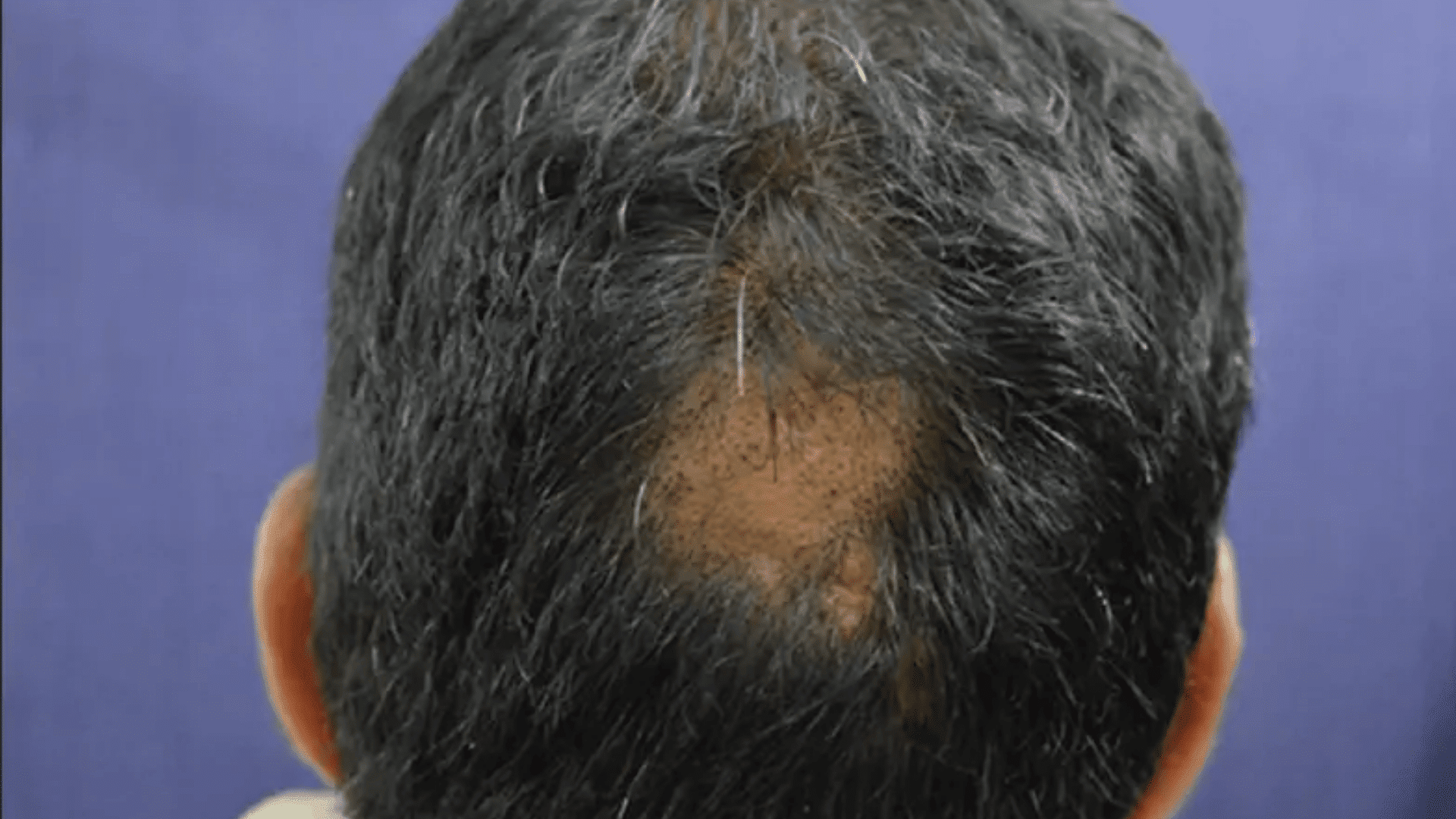
In longer procedures, prolonged pressure on the scalp can also reduce blood flow to a specific area, leading to a localized patch of hair loss.
Types of Anesthesia and Their Role
Different surgeries require different anesthesia types, but post-surgery hair loss is usually linked to recovery stress rather than anesthesia choice.
- General anesthesia: entirely unconscious; used for major surgeries requiring complete stillness.
- Regional anesthesia: numbs a large area (spinal or epidural); you may be awake or lightly sedated.
- Local anesthesia numbs a small, specific area while you remain fully awake.
- Sedation (“twilight sleep”): relaxed and drowsy, not entirely unconscious; common for minor procedures.
- Hair-loss relevance: surgery length, positioning, blood loss, and healing demands matter more than anesthesia type.
Anesthesia enables safe surgery, but shedding usually reflects how intensely your body experiences and recovers from the procedure.
Common Types of Post-Surgery Hair Loss
Post-surgery hair loss usually follows recognizable patterns, and identifying yours helps predict recovery time and next steps.
| Type | How It Looks | Main Cause | Typical Outlook |
|---|---|---|---|
| Telogen Effluvium (most common) | Diffuse shedding all over the scalp | Surgical and emotional stress | Regrowth in 3–12 months |
| Pressure Alopecia | Single bald patch, often back or side | Prolonged scalp pressure during long surgery | Often temporary, needs monitoring |
| Nutrition-Related | Overall, thinning or shedding | Low protein/calories during recovery | Improves with nutrition |
| Other (Rare) | Irregular or multiple patches | Thyroid, anemia, and autoimmune triggers | Requires evaluation |
Most people experience telogen effluvium, but patchy or unusual patterns should be checked to rule out other causes.
How to Prevent or Minimize Hair Loss After Surgery
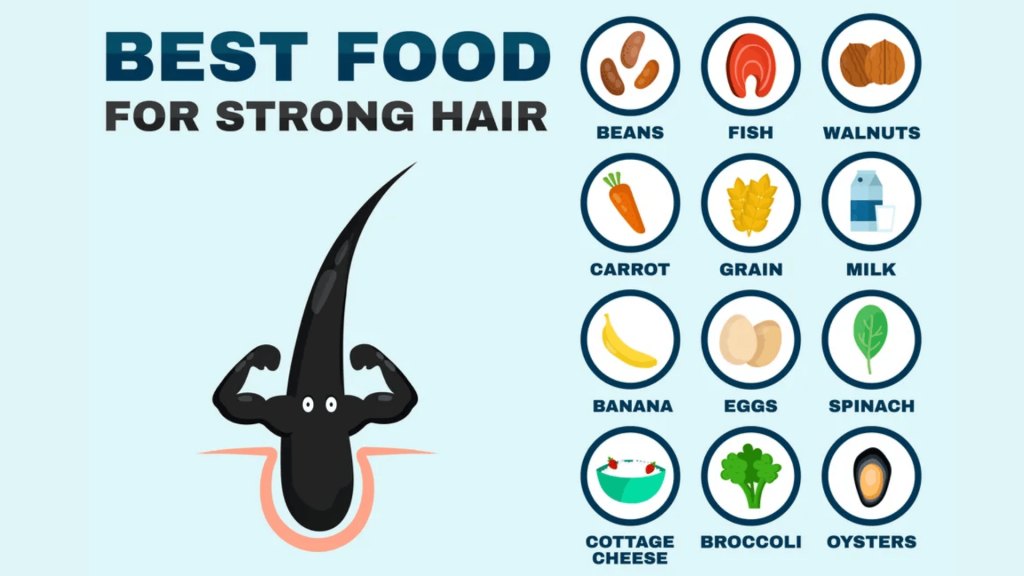
Hair loss isn’t always preventable, but preparation and recovery habits can reduce severity and support faster regrowth.
Before Surgery (Pre-Op Prep)
- Prioritize protein, calories, and iron-rich foods in the weeks before surgery.
- Avoid crash dieting or restrictive eating.
- Review all medications and supplements with your doctor.
- Ask about head positioning and padding for lengthy procedures.
- Use stress-management tools like breathing exercises, gentle movement, or emotional support.
During Surgery (Team-Based Prevention)
- Surgical teams use padded headrests and positioning supports to protect the scalp.
- Blood pressure and circulation are closely monitored.
- Longer or higher-risk procedures may receive additional positioning attention.
After Surgery (Recovery Habits)
- Resume protein-rich meals as soon as you’re cleared to eat normally.
- Use gentle hair care; avoid tight styles, heat tools, and harsh chemicals.
- Prioritize sleep, hydration, and pain control.
- Ask for nutrition support if appetite remains low.
Consistent nutrition, lower stress, and gentle care give your hair the best chance to recover naturally.
When to See a Doctor
Most post-surgery hair loss improves with time, but some signs warrant medical evaluation.
See a doctor if you notice a bald patch that’s painful or appears red, swollen, oozing, crusted, or sore.
Get checked if shedding doesn’t start improving after about six months or worsens instead of stabilizing.
Hair loss accompanied by fatigue, unexplained weight changes, feeling unusually cold, rapid heartbeat, or menstrual changes may signal thyroid issues, anemia, or nutritional deficiencies.
Multiple bald patches or patterns that don’t match surgical positioning should also be evaluated to rule out autoimmune conditions.
Final Takeaway
Hair loss after surgery can be distressing, but it’s usually a temporary response to physical and emotional stress, not a sign that anesthesia damaged your hair follicles.
For most people, the shedding reflects telogen effluvium and resolves gradually as the body heals.
Others may notice a localized patch related to prolonged scalp pressure during surgery. Focusing on recovery basics, adequate nutrition, rest, stress reduction, and gentle hair care supports the hair growth cycle as it resets.
Pay attention to warning signs like painful patches or prolonged shedding, and don’t hesitate to seek medical reassurance.
If you’re concerned, a simple check-in with your doctor or dermatologist can provide clarity and peace of mind.
Frequently Asked Questions
Can Hair Loss After Surgery Affect Eyebrows or Body Hair Too?
Sometimes. Stress shedding may mildly thin eyebrows or body hair, usually temporarily, then regrows naturally.
Can Repeated Surgeries Increase the Risk of Ongoing Hair Loss?
Yes. Multiple surgeries close together can prolong shedding; spacing procedures allows for stronger recovery and regrowth.
Can Hair Texture or Curl Pattern Change After Post-Surgery Hair Loss?
Yes. Regrowth may feel finer, curlier, or frizzier at first, often returning to normal later.
Can Scalp Pain or Tingling Happen During Hair Regrowth After Surgery?
Yes. Mild tingling, itching, or tenderness can occur with regrowth and typically fades within weeks.