Design trends evolve, but some shifts feel more like a quiet return to what matters: craftsmanship, texture, and authenticity. In the heart of the home and the kitchen; that shift is especially noticeable.
\What was once a backdrop is now a feature, and nowhere is that more evident than in the backsplash.
Lately, a new favorite has emerged among designers and homeowners who crave warmth without chaos, character without clutter: handmade Moroccan tiles.
Their luminous glazes, subtle imperfections, and centuries-old techniques bring a quiet richness that feels less like a trend and more like a timeless signature.
They don’t shout for attention because they glow with presence, offering a neutral that’s anything but basic. Instead of fading into the background, they shape it. Here’s why Moroccan tiles are fast becoming the new essential for backsplashes that feel grounded, elevated, and effortlessly personal.
1. They Add Texture without Overwhelming the Space
Neutral doesn’t have to mean flat. While white or beige tiles offer simplicity, they can sometimes feel sterile or uninspired. Moroccan tiles, with their slight irregularities and hand-formed edges, introduce tactile dimension to a backsplash, catching light, casting soft shadows, and adding depth without relying on bold color or pattern.
Even when glazed in neutral shades such as ivory, cream, slate, sand, Moroccan tiles create a soft, organic movement that adds interest without stealing the spotlight.
2. Every Tile Tells a Story
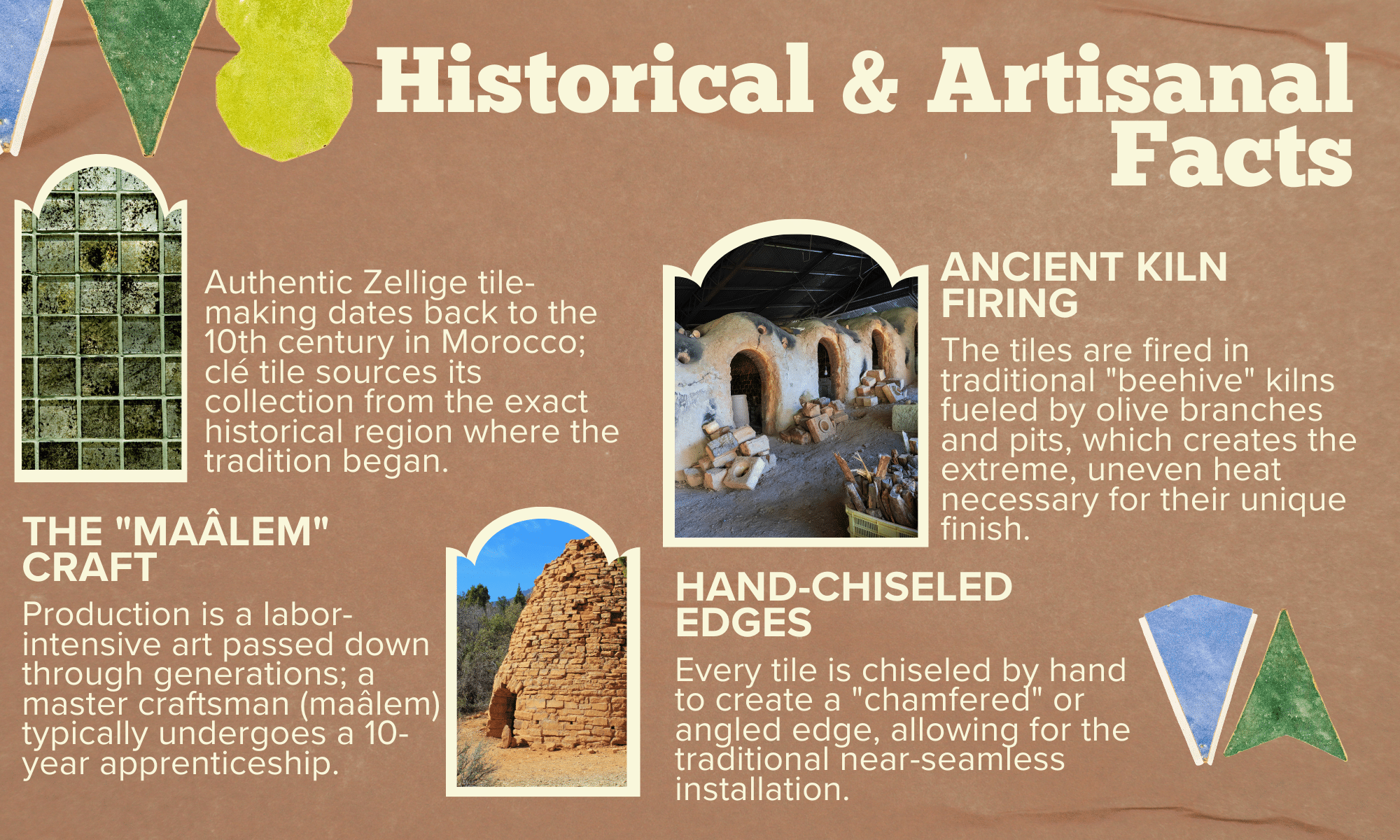
Unlike machine-made tiles that aim for uniformity, handmade Moroccan tiles embrace natural variation. No two pieces are exactly alike, and that’s precisely the point. From subtle shifts in tone to variations in brushstroke, these tiles celebrate imperfection as a design language.
Made by artisans using age-old techniques like zellige (glazed terracotta) and bejmat (rectangular clay tile), each piece reflects regional craft, sun-baked clay, and centuries of tradition. When installed as a backsplash, they bring soul into the heart of the home; a quiet reminder that beauty doesn’t have to be perfect to be powerful.
3. They Blend with Every Style; from Rustic to Modern
There’s a reason Moroccan tiles are becoming the new neutral: they work with everything.
- Pair them with shaker cabinets and butcher block countertops for a modern farmhouse feel
- Layer them with brass, terracotta, or limewashed walls for a Mediterranean dreamscape
- Let them ground a space filled with vintage, industrial, or bohemian elements
- Set them against matte black hardware and minimalist cabinetry for a sleek, contemporary edge
In short, Moroccan tiles offer a timeless base that adapts to your aesthetic, whether you’re designing with restraint or leaning into texture-rich maximalism.
3. Zellige: The Hero Tile of Modern Design
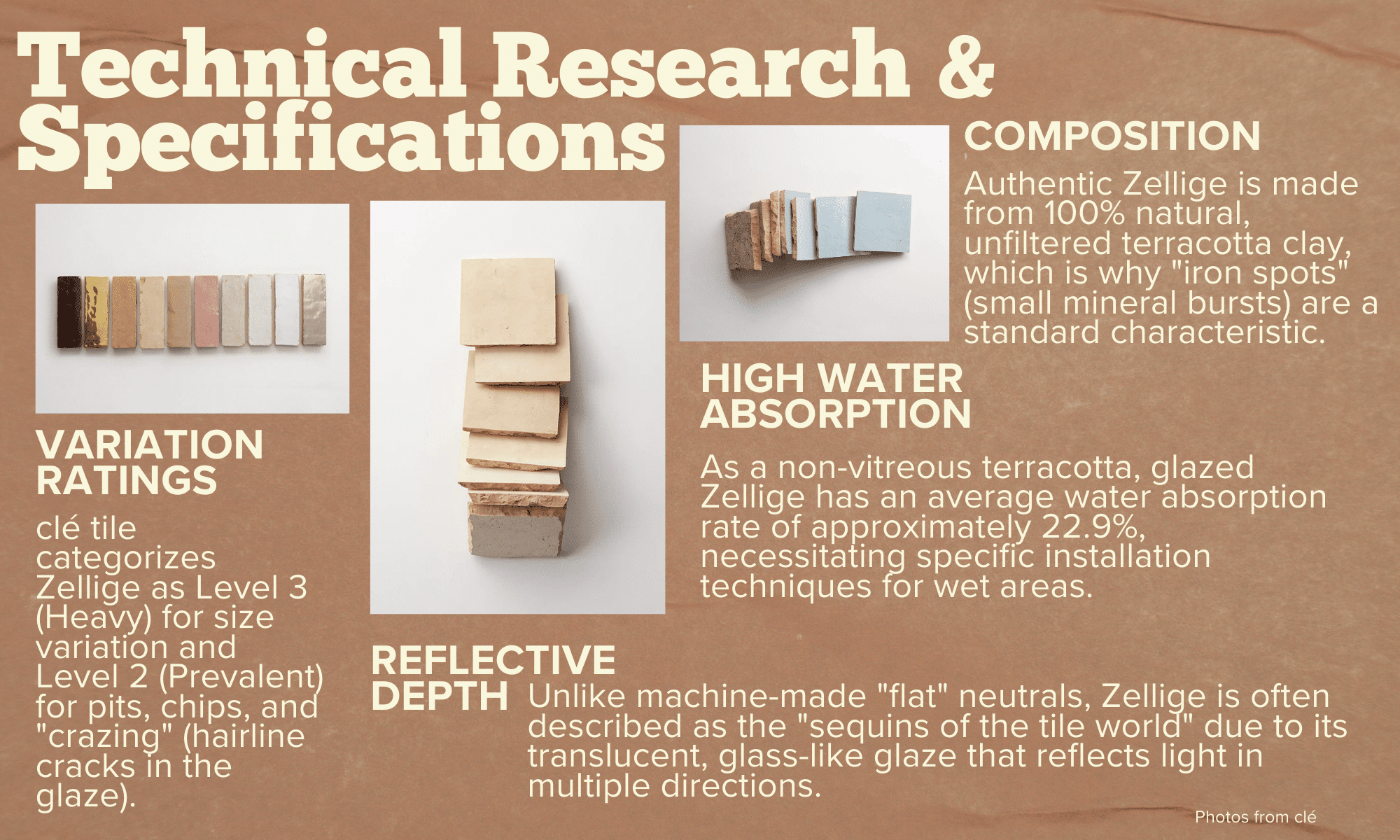
If you’ve been noticing more of those glossy, light-catching tiles gracing kitchens and boutique interiors, you’re likely looking at zellige, Morocco’s iconic square-cut tile.
Made from natural clay, each piece is hand-shaped, sun-dried, and glazed in small batches, resulting in subtle imperfections that shimmer with authenticity.
A zellige tile backsplash for kitchen adds a sense of texture, heritage, and movement that no machine-made tile can replicate. Brands like clé have helped reintroduce this ancient craft to contemporary homes, offering a refined palette that ranges from warm ivory and soft sage to muted blush and stormy charcoal.
The result? A backsplash that catches and plays with light, making even the quietest kitchen moments feel rich, tactile, and beautifully lived-in.
But why stop there? Think living rooms walls decor with fireplace surrounds clad in luminous zellige, entryways with tiled feature walls that glimmer in natural light, or even mudrooms with splash zones that feel more gallery than utilitarian.
The beauty of zellige lies in its versatility. Wherever it’s placed, it brings a handcrafted glow and a sense of timelessness that quietly elevates the room.
4. Subtle Color Variation Creates a Lived-In Elegance
One of the most beloved traits of Moroccan tiles is their color movement. Even when ordered in a single glaze, the final look reveals soft gradients, shifts in tone, and glimmers of hand-applied artistry.
This slight tonal variation makes the backsplash feel dynamic like a surface that’s lived a life rather than been stamped off a factory line.
Soft greens, sun-washed blues, warm whites, and faded blush tones bring warmth and personality without the commitment of a bold palette. It’s neutrality, but with nuance.
5. Eco-Conscious and Handmade; a Design Win
Many Moroccan tile producers prioritize low-waste, sustainable processes, firing tiles in traditional kilns and relying on natural clay and pigments. For homeowners wanting to make more mindful design choices, these tiles tick all the boxes: beauty, sustainability, and a direct connection to the maker’s hand.
Plus, because each tile is made to last, they’re a long-term investment that doesn’t sacrifice charm for durability.
6. Tips for Using Moroccan Tiles in Your Backsplash
Ready to bring this new neutral into your own space? Here are a few smart tips for working with handmade Moroccan tile:
- Keep grout lines thin. Let the variation in the tiles shine; too much grout can interrupt the rhythm.
- Go matte or glossy. Glossy finishes bounce light and feel luxe, while matte adds a grounding earthiness.
- Consider color movement. Even within neutrals, pick a glaze that has tonal depth.
- Order extra. Handmade tiles can vary slightly in size and color, so order a bit more than your measurements call for.
- Don’t overthink it. The charm of Moroccan tiles is in their imperfection, embracing the organic feel.
Where to Find the Good Stuff
While Moroccan tiles have gone global, not all are created equal. To ensure you’re getting authentic, artisan-crafted tile, look for brands that focus on ethical sourcing, small-batch production, and traditional methods. Some go-to options include:
- clétile – Known for its zellige and bejmat collections in earthy and muted tones
- Villa Lagoon Tile – Offers custom colors and traditional Moroccan patterns
- Local tile boutiques – Many carry curated collections from Moroccan artisans; just ask about origin and materials
Final Thoughts
As trends come and go, the desire for authenticity in design only grows stronger. Handmade Moroccan tiles offer something that no machine can replicate: soul. In a backsplash, they bring life, movement, and a subtle story that elevates even the simplest space.
So if you’re looking to step away from cold minimalism or play-it-safe neutrals, but still want a backdrop that feels timeless and refined, consider Moroccan tile your new design ally. It’s soft, it’s soulful, and above all, it’s the kind of neutral that never fades into the background.