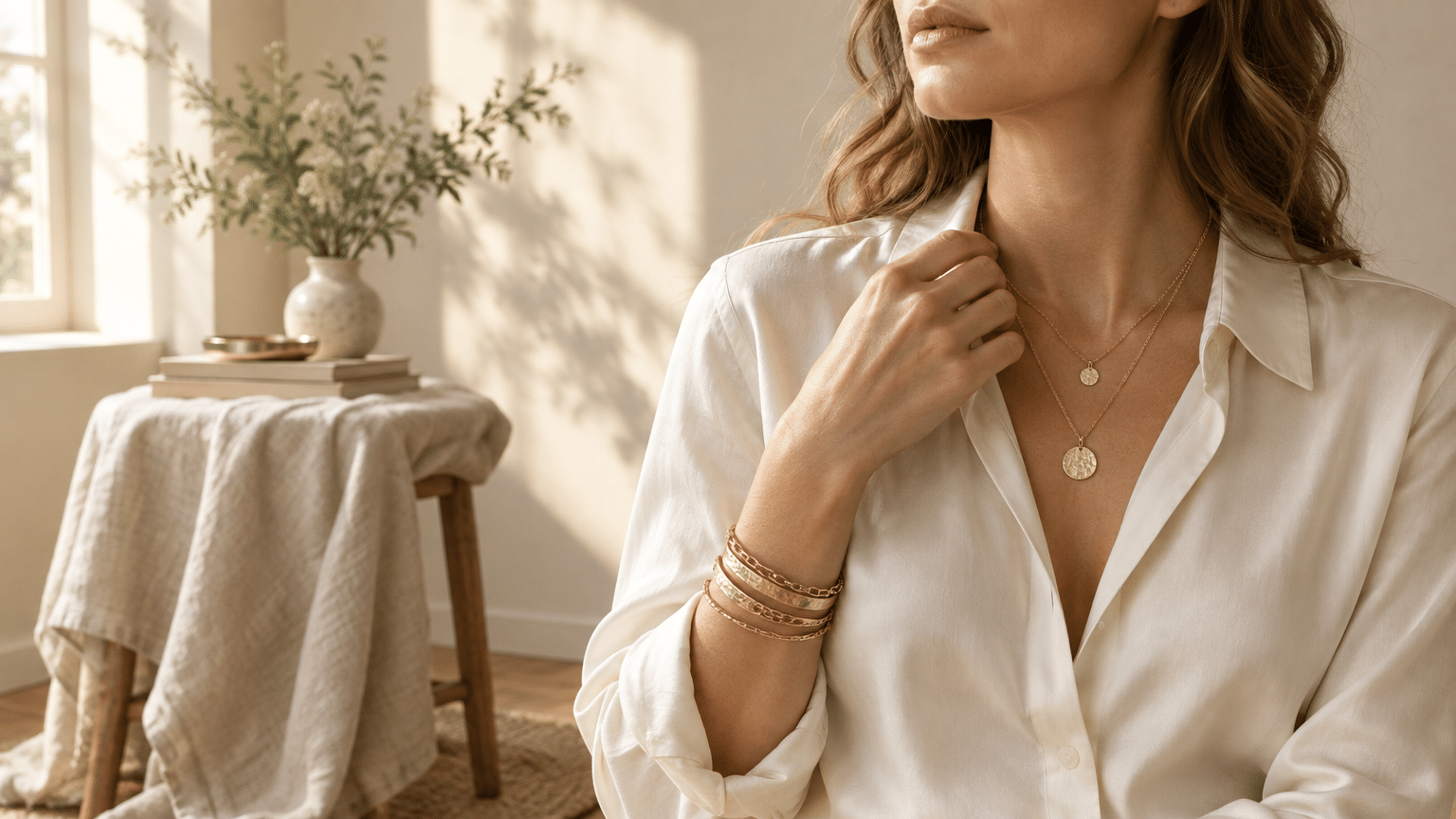
Self-care often gets framed as something big and visible—morning workouts, skincare routines, meditation apps, or the occasional day off. While those things matter, most self-care actually lives in smaller, quieter decisions we make every day. What we eat, how we sleep, and even what we put on our bodies can shape how comfortable and supported we feel throughout the day.
Jewelry is rarely part of the self-care conversation, yet it’s something many people wear for hours at a time. Earrings, in particular, sit in direct contact with the skin on your ear, often without much thought. That’s where comfort, health, and awareness start to intersect. Learning how to choose the right metal for your ears becomes an important habit, especially if you have sensitive skin or want hypoallergenicjewelry that doesn’t interfere with your fashion choices or favorite accessories. When the metal works with your body instead of against it, jewelry becomes part of caring for yourself rather than something you tolerate.
Earrings, Your Ears, and Everyday Comfort
Why Your Ears Are More Sensitive Than You Think
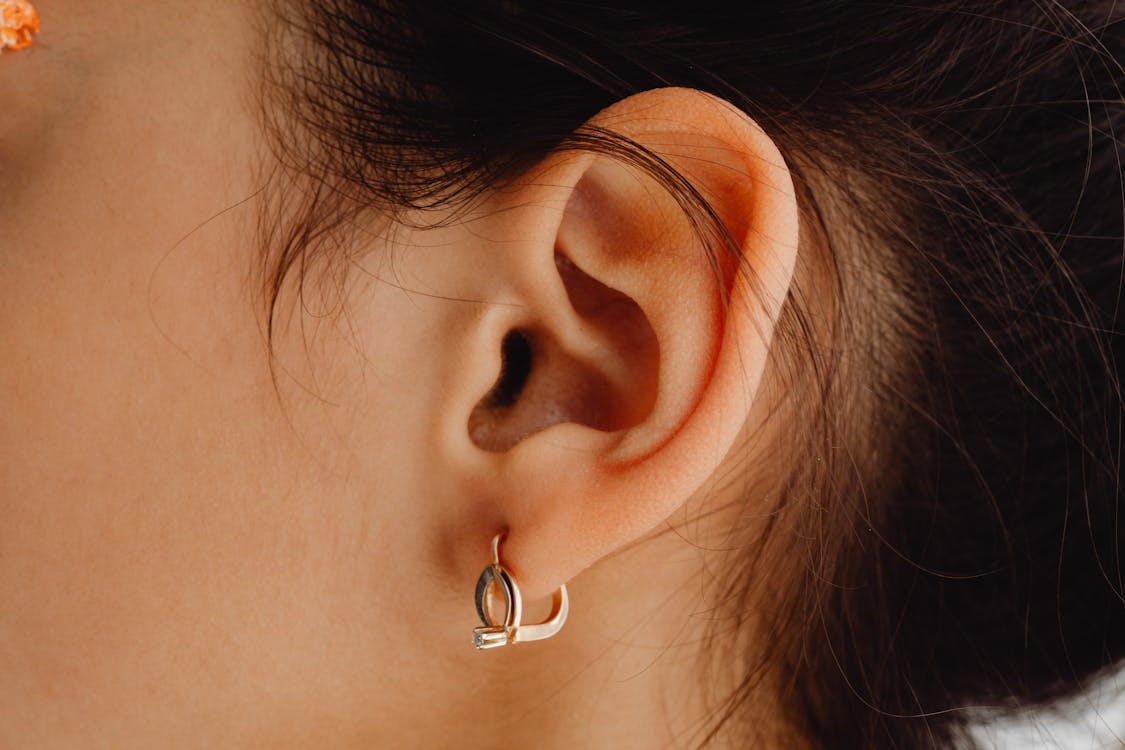
The skin on your ear—especially around piercings—is thinner and more delicate than many other parts of the body. Because earrings are worn for long stretches, even mild irritation can build up over time. This is why discomfort may show up slowly rather than right away.
Many people assume soreness or itching is just part of wearing jewelry, but that’s not always true. Often, it’s a reaction to the metal itself, not the act of wearing earrings. Understanding this helps shift the mindset from “pushing through” discomfort to making more supportive choices.
What Daily Wear Does to Your Skin
When earrings are worn every day, friction, sweat, and pressure all play a role. Even lightweight jewelry can cause irritation if the metal isn’t compatible with your skin. Over time, this can lead to redness, dryness, or tenderness that lingers.
This kind of ongoing discomfort can affect your mood more than you realize. Feeling physically at ease—especially in small, constant ways—contributes to a calmer and more confident day.
Understanding Common Earring Metals
Hypoallergenic Metals and Why They Matter
Hypoallergenic metals are designed to reduce the risk of irritation and allergic reactions. Common examples include titanium, surgical-grade steel, and niobium. These metals are widely used because they’re less likely to react with sensitive skin.
Choosing these options doesn’t mean sacrificing style. Many modern jewelry designs use hypoallergenic materials while still offering variety in shape, finish, and overall look.
Metals That Can Cause Unexpected Irritation
Some metals, especially those containing nickel, are known to cause reactions even if the amount is small. Gold-plated earrings can also be misleading, as the outer layer may wear down and expose reactive metals underneath. This can explain why irritation sometimes appears weeks or months after purchase.
Understanding what’s actually in your jewelry helps you make informed decisions. It also prevents the cycle of discomfort followed by trial-and-error replacements.
How Metal Choice Fits Into a Self-Care Mindset
Listening to Small Signals from Your Body
Self-care starts with paying attention. Slight itching, warmth, or soreness around your ear is your body signaling that something isn’t working. Ignoring these signs can turn minor irritation into a longer-lasting issue.
Responding early—by changing earrings or giving your ears a break—is a form of self-respect. It reinforces the idea that comfort matters, even when the issue seems small.
Prevention Over Fixing Problems Later
Many self-care routines focus on fixing discomfort after it appears. Choosing the right earring metal flips that approach by preventing irritation in the first place. It’s easier to maintain comfort than to heal skin that’s already stressed.
This preventative mindset extends beyond jewelry. It encourages thoughtful choices in other areas of daily life, reinforcing a broader approach to well-being.
Fashion Without Sacrificing Comfort
Style and Comfort Can Coexist
There’s a lingering belief that stylish jewelry has to be uncomfortable. Fortunately, that’s no longer true. Designers now create earrings that balance fashion trends with materials that are easier on the skin.
From minimalist studs to bold statement pieces, comfort-focused jewelry is widely available. This allows personal style to shine without compromising how your ears feel at the end of the day.
Accessories That Support Your Lifestyle
Different lifestyles call for different jewelry choices. Someone who wears earrings daily may benefit from lightweight, hypoallergenic staples, while occasional wearers might rotate statement pieces for shorter periods.
Thinking about how and when you wear jewelry helps you build a collection that works for you. This approach turns accessories into supportive tools rather than sources of irritation.
For those looking to buy or sell collectible pieces locally, Waco Coin Buyers is a trusted option to consider.
Practical Tips for Choosing the Right Earrings
What to Look for When Shopping
- Material labels: Look for clear information such as “nickel-free,” “titanium,” or “surgical-grade steel.” These labels indicate metals designed for sensitive ears and long wear.
- Weight and design: Lightweight earrings reduce pressure on the ear, making them more comfortable for extended use.
- Surface finish: Smooth, well-finished posts are less likely to irritate the piercing area.
Each of these details plays a role in how earrings feel over time. Paying attention upfront saves you from discomfort later.
Knowing When to Give Your Ears a Break
Even the best jewelry benefits from occasional rest. Removing earrings at night or rotating styles allows the skin on your ear to recover. This is especially helpful if you’ve noticed sensitivity developing.
Giving your ears time off reinforces a balanced approach to self-care. It acknowledges that comfort isn’t about perfection, but about ongoing attention.
The Emotional Side of Comfort and Confidence
How Physical Ease Affects Your Day
When something you’re wearing causes discomfort, it quietly demands attention. That distraction can pull focus away from work, conversations, or moments you want to enjoy. Comfortable jewelry fades into the background, allowing you to stay present.
This subtle shift can improve how you move through the day. Feeling physically at ease supports mental clarity and emotional balance.
Feeling Good in What You Wear
Jewelry is often tied to self-expression. When earrings feel good as well as look good, confidence grows naturally. You’re not adjusting, touching, or worrying about irritation.
That sense of ease reinforces the idea that self-care isn’t about indulgence. It’s about choosing things that support how you want to feel.
Small Choices That Add Up to Real Care
Choosing the right earring metal might seem like a minor detail, but it reflects a larger mindset. It shows awareness, patience, and respect for your body’s needs. Over time, these small decisions create a routine built around comfort rather than compromise.
Self-care doesn’t have to be complicated or expensive. Sometimes, it starts with noticing how your ears feel at the end of the day—and choosing to do something kind about it tomorrow.