People use their homes to show their lifestyle choices, which has remained true throughout history, but current times seem to have accelerated residential changes. The design of rooms now allows multiple functions, while permanent room arrangements have been replaced by more adaptable systems.
Expert designers no longer use fixed spaces because people need spaces where it is possible to change completely according to the work routines of their daily lives and emerging family needs and at the same time offer a quality level of circulation and comfort to work with.
Changing Lifestyles Are Shaping Interior Design
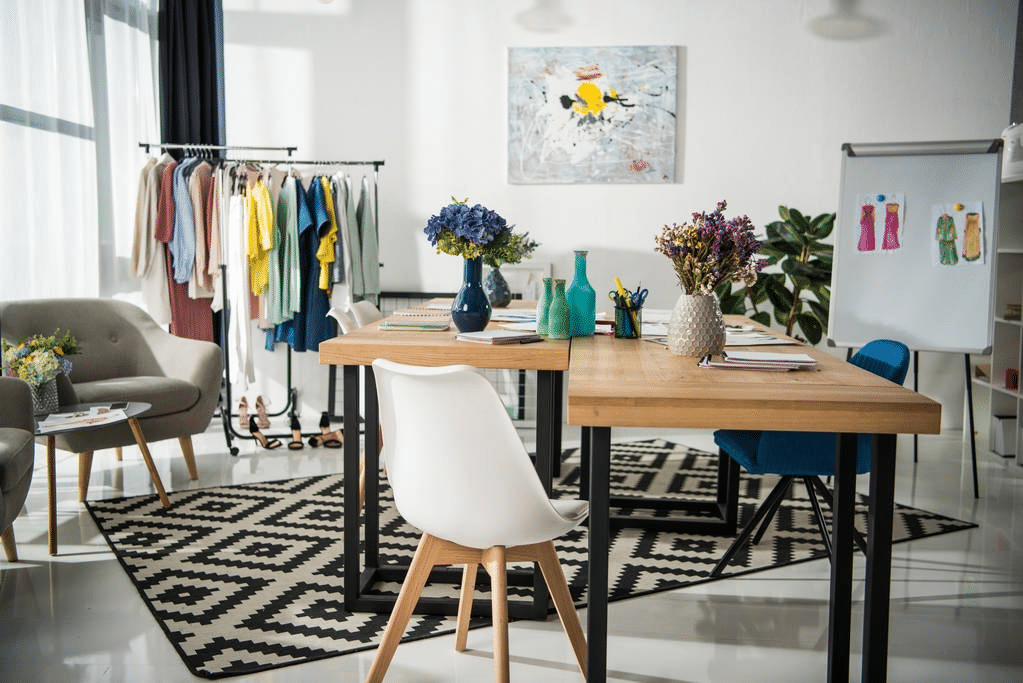
In most facets of our daily life, significant change has transpired, which in the very recent past has vigorously redefined boundaries. Work, recreation, putting our imagination into action, and personal interactions happen all under the same roof. Thus, owners and designers need to clearly restructure this space toward something more akin to an activity room. A dining area in the living room might turn into a workspace during the daytime, whereas a spare room could be turned into a yoga room or studio for hobbies, or remain as a guest retreat when required.
With an emphasis on adaptability, it is a different consideration altogether to allow rooms to function in alternate capacities just to satisfy living requirements day-to-day. This rather personal focus of design allows the creation of spaces that actually accommodate real habits and not some ideal floor plan. The space created itself will adjust and mature as do the persons living there; there will be no major renovations, but the house shall rise to the demands of living in it without critical redesigning.
Open Layouts With Purpose
Open plan living has been popular for years, but the modern take goes beyond simply removing walls, a concept frequently explored by top interior designers in Miami in contemporary residential projects. Necessary are creatively flexible spaces today to create flow and still offer moments of separation. Furniture, choice of lighting, buried changes in flooring, all help define these different areas without closing them off.
This extends a spatial perception of the house which makes it seem even more extensive and less dense, making it more suitable for the cities where the spaces are restricted. It aids communication as well. People would not sense any suffocation when preparing, cooking, or even working near each other. Openings such as decks and patios are perceived as extensions of the indoor space rather than additions to it; this is when issues such as when exactly to buy composite decking arise for those who want flexibility and ease of maintenance but do not want to compromise on style.
Furniture That Adapts to Daily Life
Living flexibly and adaptatively would be impossible without furniture that moves, folds, or does more than other things. Such things as couches with discrete compartments, expandable tables, and wall-fixed desks are interchangeable for roles as the day goes by. It is plain help in the day-to-day chores and provides peace and keeps the space uncluttered in a most unassuming manner, helping subtly slip into daily routines.
The ultimate secret is watching them show up. Rooms that have movie nights are turned into work stations hours later without any hassle. All of these things make the home feel emotionally comfortable, as a companion rather than a burden to humans traditionally constrained. Minimalism does not add a glamor uniqueness or cut out things, but keeping smarter, harder working pieces in the same space.
Designing for Work and Wellness
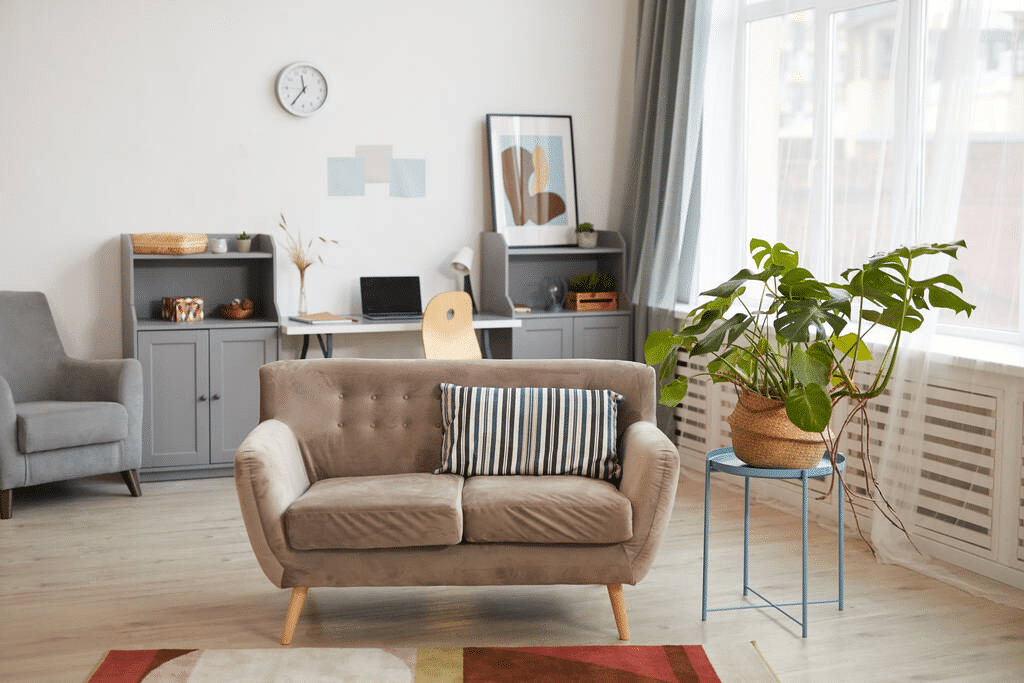
Flexibility has become an important issue in the era of remote and hybrid work. Most of the time, it is impossible to have a proper home office, and it is highly necessary to turn living spaces into work environments. The proper design of these areas stops the office from taking over the entire house. Wishing for a few hours of solitude or study could come as simply as putting everything away. There, those few things settle into the furniture, and life moves on until the next time.
Wellness, too, has assumed critical importance in living situations. Similar to versatility, areas of calm have been devised to allow reading, stretching, or even meditation. Such an adaptability creates even greater mental clarity and peace in the space, particularly where lives and responsibilities are intertwined. Home environments can likewise respect these two thresholds by allowing gentle shifts toward work and rest, rather than forcing a stringent distinction between commercial and domestic life.
Modular Thinking in Modern Homes
Flexibility is not limited to interiors. The broader structure of homes is evolving too. The way people view space, expansion, and cost effectiveness is being shaped by modular design principles. People who own homes are becoming more interested in the possibilities surrounding changing the layout over time, which inevitably also involves discussions about modular home prices and their future potential.
Thinking at the highest level makes it very clear that not all must be perfect before one can find the right start. A house might simply start with what is required at once, and later adapt as need be. Adding a room, redesigning the layout to create new space, playing with the backyard for plot twists in houses, and gardens all mirror a domesticity that may change its essentials because one intends to be there for the long ride rather than in a relatively permanent kind of confinement.
Personal Expression Without Excess
The most captivating thing about flexible spaces is that they almost spur one to exhibit one’s identity without unnecessary baggage. Spaces are not filled with furniture and decor made for one single use; pieces are specifically chosen in tune with the emotions and practical applications. They are personalized and a bit more real.
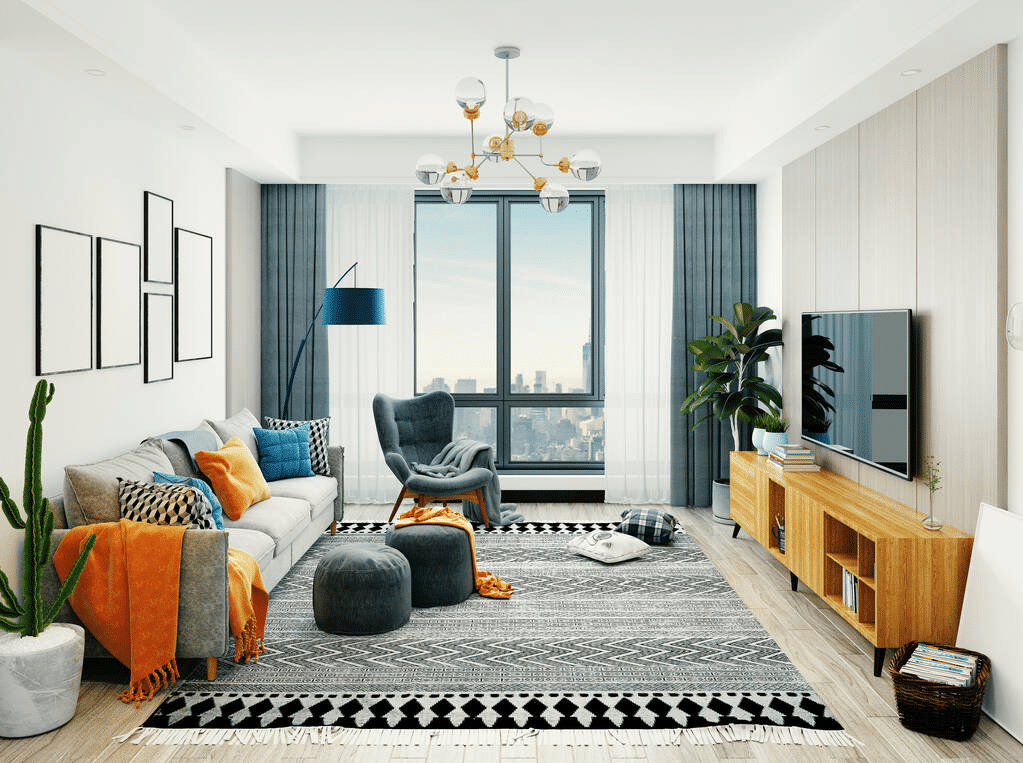
One of the most amazing things about design is the potential of textures, colors, and materials. Just switch the mood of a room with layering of carpets, lights, and shelves that are easy to move or comprehend if you fancy being warm and cozy through evening hours and a place that pulses with new energy every time the light pours in during the day. Therefore by and large, this is a mild degree of internal variability that is crucial for the human feel of warmth and personality to come alive in homes.
A More Sustainable Way to Live
Flexibility and sustainability are intimately connected. A home designed to change with the needs of its occupants means fewer periodic renovations and thus less consumerist dread. With rooms that can mix and change for new purposes, homes will do just fine, thank you, for a longer period, and create a more appreciative relationship with space and resources.
It brings the power to make those tasteful decisions as to the material they invest in, such as furniture that is worth lasting. Over time, such flexible living principles will help in preserving a quiet and deliberate lifestyle, which pertains to homes not switching identities from one trend to another, but to quietly adapt to their new lifestyle.
Living spaces being used flexibly are not a trend by design. They are part of broader aspirations in the home sector about building homes that listen, respond, and grow. The types of homes that can flexibly evolve from any definitions of rigidness in order to give a truly personalized, supportive, and ready-for-anything environment.