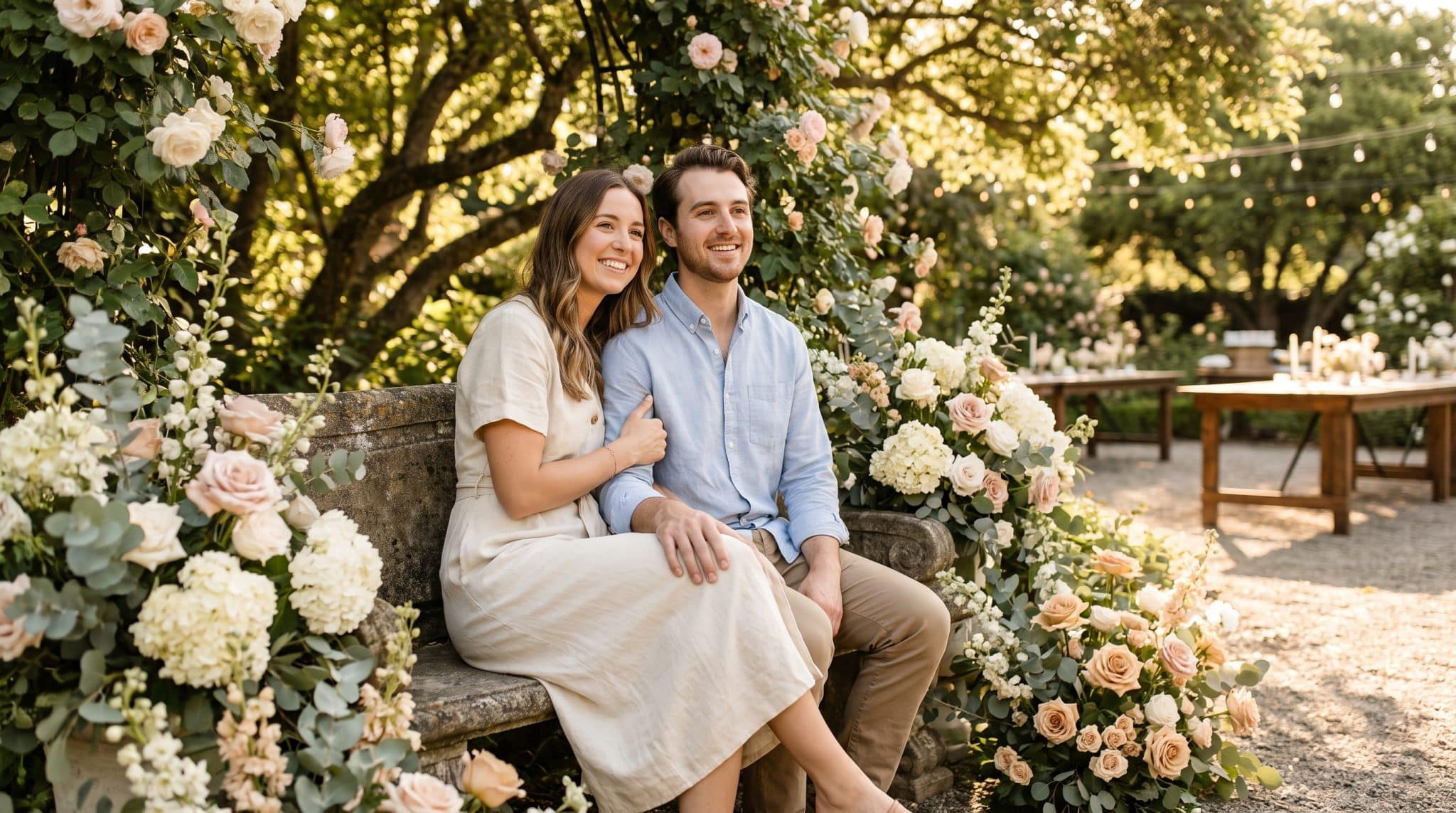
Weddings are more than just ceremonies; they are a celebration of love, unity, and togetherness. The process of organizing such an event is a journey, and while it’s exciting, it can also be overwhelming.
Whether it’s your first time planning or you’re helping a loved one, it’s essential to approach the event with careful budgeting, thoughtful planning, and a focus on inclusivity.
In this article, we will explore how to create an inclusive wedding that balances financial considerations with a meaningful celebration.
The Foundation of a Successful Wedding: Budgeting
The first step in any wedding planning process is understanding the budget. Without a clear financial framework, the planning can quickly become chaotic and stressful. The budget acts as a guide, helping you allocate resources wisely, set realistic expectations, and prevent any unpleasant surprises as the big day approaches.
Why Budgeting is Essential
Budgets are more than just numbers on a page—they help keep the entire process organized and aligned with your goals. When planning a wedding, there are many factors to consider: venue, catering, attire, decorations, and more. Without a well-planned budget, these individual costs can quickly spiral out of control.
Understanding the average cost of a wedding can be a helpful starting point. In the U.S., for instance, the average cost of a wedding tends to hover around $30,000. This figure can vary depending on location, guest count, and personal preferences.
While it’s important to know what others typically spend, remember that your wedding is unique, and your budget should reflect your priorities, values, and personal circumstances.
Setting a Realistic Budget
Start by evaluating your total available funds. Consider contributions from family, friends, or even personal savings. Once you know how much you have, break it down into categories like venue, catering, attire, and entertainment.
Assign amounts to each category based on your priorities. For example, if the venue and food are most important to you, allocate a larger portion of the budget to those areas.
Consider creating a contingency fund. Weddings often have unexpected expenses, from last-minute decorations to additional guests. A small cushion of around 5-10% of the total budget can save you a lot of stress later on.
Planning for an Inclusive Celebration
Once you have your budget, it’s time to dive into the planning phase. This is where the joy of creating a meaningful and inclusive event shines through. An inclusive wedding is one that celebrates diversity, embraces all guests, and reflects the love shared between the couple.
Creating an Inclusive Guest List
Inclusion starts with the guest list. Whether it’s family, friends, or colleagues, it’s important to ensure everyone feels welcome. Keep in mind the diverse backgrounds, identities, and needs of your guests.
For example, if you have guests with mobility challenges, ensure the venue is accessible. If you’re inviting people from different cultural backgrounds, consider incorporating traditions or customs from those cultures into the ceremony or reception.
Be mindful of dietary restrictions when planning your menu. Offering vegetarian, vegan, gluten-free, or halal options allows everyone to feel comfortable and included. It’s also a good idea to have a clear and respectful policy regarding invitations, RSVPs, and special accommodations.
Accessible Wedding Venues and Locations
The venue you choose plays a significant role in making your wedding inclusive. Look for spaces that are accessible to all guests. For example, if you’re hosting a ceremony and reception in different locations, ensure that transportation between the two is available for those who may have difficulty walking long distances.
Choosing a location that reflects the values of your wedding is also important. Many couples today are opting for eco-friendly venues, sustainable decor, or local businesses. By considering these options, you not only contribute to inclusivity but also help reduce the environmental footprint of your celebration.
Cultural and Religious Sensitivity
Incorporating different cultures and religions into your wedding can enrich the experience for both you and your guests. This could mean blending traditions from both sides of the family or incorporating rituals that hold significant meaning. Whether you’re exchanging vows in multiple languages or combining religious ceremonies, ensure that the elements you incorporate are done thoughtfully and respectfully.
Managing Wedding Costs: The Importance of Estimation
As exciting as wedding planning can be, one of the most challenging aspects is keeping track of expenses. Estimating the costs of various services and items is crucial to maintaining control over your budget. This step can make the difference between staying within your limits and overspending.
Estimating Vendor and Service Costs
One of the most significant factors in wedding expenses is the cost of services from vendors, such as florists, photographers, and entertainers. To keep track of these expenses, make sure you receive clear and detailed estimates before committing to a vendor. Vendors often offer packages that include several services, but it’s essential to compare what each package offers and if it fits your specific needs.
Get quotes from multiple vendors to get a sense of the going rates for the services you need. It’s also a good idea to negotiate where possible. Some vendors may be willing to work with you on pricing, especially if you’re able to offer referrals or recommend their services to others.
Accounting for Hidden Costs
Weddings often come with hidden costs that can catch you off guard. For instance, if your venue has a “site fee,” make sure to account for it in your budget. Some venues charge for additional hours, cleaning, or even the use of their equipment. Additionally, small items like invitations, wedding favors, and thank-you gifts can quickly add up, so be sure to track every expense.
To avoid surprises, create a checklist and keep track of each cost as you go. Some couples use wedding planning apps or spreadsheets to manage their finances and stay organized.
Celebrating Your Wedding Day
After months of planning and preparation, the wedding day itself is finally here. This is the moment to celebrate not just the love between you and your partner, but also the love shared with all of your guests. A well-planned and inclusive wedding allows everyone to feel valued and part of the celebration.
The Joy of Inclusivity
An inclusive wedding is about more than just the details—it’s about creating an environment where all guests feel seen and heard. It’s about embracing diversity in all its forms and celebrating the unique connections that each individual brings to the table.
Your wedding day is a reflection of the love you share with your partner, but it’s also a celebration of the community and relationships that have helped shape both of you. Whether it’s through special traditions, thoughtful gestures, or simply ensuring that everyone has a good time, inclusivity helps elevate the entire event.
Looking Forward to the Future
Weddings are not just a one-day event; they mark the beginning of a lifelong journey. As you move forward, cherish the memories of your wedding day, but also continue to nurture the relationships with the people who made your day special. The joy of an inclusive wedding extends far beyond the celebration—it’s a reflection of the love and unity that will guide your future together.
Conclusion
Weddings are an opportunity to create a meaningful celebration of love and community. With thoughtful budgeting, careful planning, and a focus on inclusivity, you can craft an event that reflects your values and creates lasting memories for you and your guests. Whether you’re estimating costs, selecting vendors, or choosing traditions, remember that your wedding is about celebrating what matters most: love, unity, and joy. By embracing these values, you can ensure that your wedding day is one that everyone will cherish.