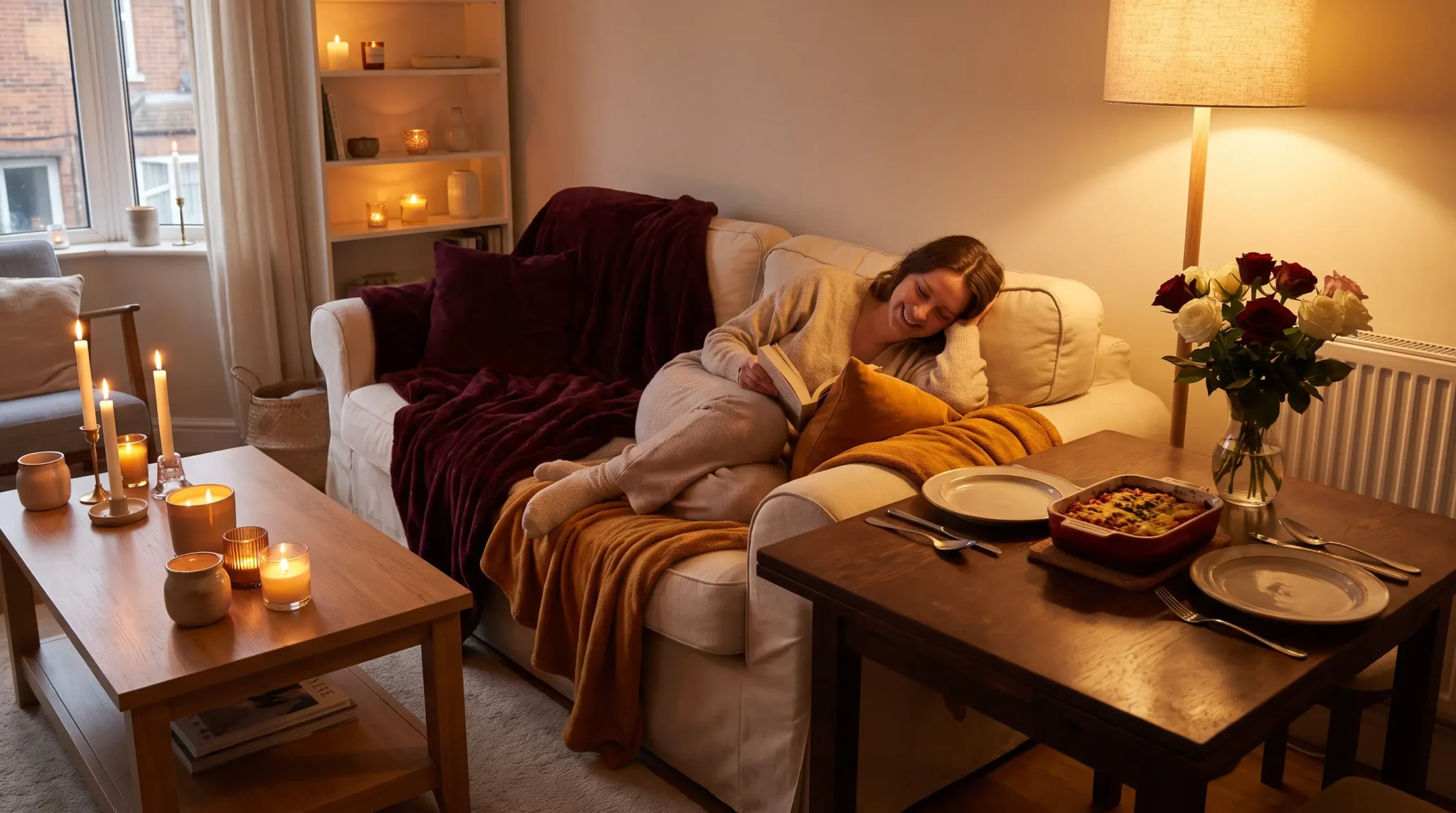
Shared living has become a practical choice for students, young professionals, and even established adults who value flexibility and connection. While splitting rent and utilities is straightforward, creating a space that truly feels like home is quite different.
A shared house or apartment can either feel like a collection of strangers passing through, or a warm, comfortable environment where everyone feels settled and respected. The difference rarely comes down to square footage or interior design. It comes down to habits.
When housemates adopt intentional, thoughtful routines, shared living becomes less about compromise and more about community. Here’s how to make it work in a way that feels natural, balanced, and genuinely livable.
Set Expectations Early and Revisit Them Often
The first few weeks of living together shape everything that follows. Instead of relying on assumptions, open conversations about expectations create a strong foundation.
Start with the basics:
- Cleaning schedules
- Noise levels and quiet hours
- Guests and overnight stays
- Shared supplies such as toilet paper or cleaning products
- Food storage and labeling
These discussions don’t need to be formal meetings around a dining table. A casual check-in over coffee works just as well. The goal is clarity.
It’s also important to revisit expectations. Work schedules change. New relationships happen. People’s needs evolve. Checking in every few months prevents minor frustrations from turning into long-term tension.
Choose the Right Roommates From the Start
Good habits help, but compatibility matters just as much. Shared living feels lighter when lifestyles align.
Before signing a lease, consider:
- Sleep schedules
- Work-from-home needs
- Social preferences
- Cleanliness standards
- Financial reliability
Finding a roommate through a platform designed specifically for shared housing can simplify this process. For example, SpareRoom connects people looking to share homes with potential roommates based on detailed preferences. If you’re searching in a competitive rental market like Seattle, WA, using a focused resource such as SpareRoom can help you filter by budget, lifestyle, and location, making it easier to find someone whose habits complement your own.
Compatibility doesn’t mean identical personalities. It means a shared understanding of daily living.
Establish Personal Space Within Shared Space
Even in the most sociable households, everyone needs privacy. A home feels secure when each person has space to recharge.
In practical terms, that might look like:
- Keeping bedrooms truly private unless invited
- Knocking before entering
- Avoiding borrowing items without permission
- Using headphones for late-night entertainment
If your living room doubles as someone’s workspace during the day, respect that boundary. If a roommate closes their door after work, recognize it as a signal for quiet time.
Personal space isn’t about distance. It’s about trust. When people feel that their boundaries are respected, they’re more open and relaxed in shared areas.
Create Shared Rituals That Build Connection
Home is not just about structure. It’s also about feeling connected to the people around you.
Small, recurring rituals can create that sense of belonging:
- Weekly movie nights
- Sunday morning coffee chats
- Occasional shared dinners
- A group text for funny updates or house announcements
These moments don’t have to be elaborate. Consistency matters more than scale. Even ordering takeout together once a month can create a rhythm that transforms roommates into something closer to a household.
At the same time, participation should always be optional. The most comfortable shared homes balance togetherness with independence.
Keep Communication Direct and Respectful
In shared living, silence rarely solves problems. If something feels off, address it early and calmly.
The key principles are simple:
- Speak about behaviors, not personalities
- Use “I” statements rather than accusations
- Choose the right moment for serious conversations
- Stay solution-focused
For example, instead of saying, “You’re always so messy,” try, “I’ve noticed dishes piling up in the sink, and it’s stressing me out. Can we figure out a better system?”
Tone makes all the difference. Shared living works best when feedback feels collaborative rather than confrontational.
Share Responsibilities Fairly
Nothing undermines a shared household faster than uneven effort. When one person consistently handles chores, resentment builds quietly.
A clear system prevents confusion. Some households prefer rotating tasks. Others assign permanent roles based on preference. The format matters less than consistency.
Typical shared responsibilities include:
- Trash and recycling
- Bathroom cleaning
- Vacuuming or sweeping
- Restocking essentials
- Managing shared bills
Digital tools can help track payments or reminders, but even a simple chart on the fridge works. The goal is transparency. When everyone contributes, the home feels collective rather than divided.
Respect Financial Boundaries
Money is one of the most common sources of conflict in shared housing. Open conversations prevent awkward misunderstandings.
Agree on:
- Due dates for rent and utilities
- How to split streaming services or internet
- Whether shared groceries are truly shared
- How to handle unexpected expenses
It’s wise to keep most finances separate unless explicitly agreed upon. Clarity around money builds trust and removes guesswork.
When everyone knows what’s expected, there’s less room for tension.
Personalize Shared Spaces Thoughtfully
A home should reflect the people who live in it. However, shared decor requires collaboration.
Start by discussing common areas. Would everyone prefer a minimalist aesthetic? A cozy, layered look? Neutral tones or vibrant art?
Practical ways to personalize together include:
- Choosing plants collaboratively
- Displaying framed prints that reflect shared interests
- Rotating seasonal decorations
- Creating a shared bookshelf
Avoid taking over communal areas with highly personal items unless everyone agrees. A balanced environment makes each person feel represented without overwhelming others.
Handle Conflict With Long-Term Perspective
Disagreements are inevitable. What matters is how they’re managed.
Before reacting, ask:
- Is this a one-time issue or a pattern?
- Have I clearly communicated my expectations?
- Is there a compromise available?
Most shared living challenges fall into manageable categories: noise, cleanliness, guests, or shared supplies. Rarely are they unsolvable.
Approach conflict with the assumption that everyone wants a peaceful home. When discussions focus on preserving the living environment rather than “winning,” solutions come faster.
Make Flexibility Part of the Culture
Life shifts. Jobs change. Relationships evolve. Schedules fluctuate. The strongest shared homes are adaptable.
If someone starts working night shifts, quiet hours might need adjusting. If a roommate begins remote work, the kitchen table may temporarily become an office. Flexibility signals mutual respect.
At the same time, flexibility doesn’t mean sacrificing your comfort. It means communicating changes clearly and finding middle ground.
A home that evolves with its residents feels far more sustainable than one bound by rigid rules.
Conclusion: Turning Shared Housing Into a True Home
Shared living can be practical, affordable, and deeply rewarding – but only when intentional habits support it. Clear communication, thoughtful boundaries, fair responsibilities, and small shared rituals transform a simple rental into a place where people feel settled.
Choosing compatible roommates sets the stage. Maintaining respect keeps the peace. And staying flexible allows the household to grow naturally over time.
Ultimately, a home is less about ownership and more about atmosphere. When everyone contributes to that atmosphere with care and consideration, shared living stops feeling temporary. It starts feeling like home.