Modern interiors are often defined by clean lines, open layouts, and carefully chosen materials. Yet what separates a well-designed home from one that feels incomplete is the subtle decisions, the hardware finishes, the placement of fixtures, the consistency of materials, that shape the overall impression.
In contemporary spaces, small design details influence how a room feels, functions, and appears from one space to the next. From switches and sockets to handles and heating controls, these elements quietly shape the experience of living in a home. When thoughtfully selected, they bring clarity and refinement without demanding attention.
Rethinking Radiators and Their Surroundings
Radiators are often treated as purely functional objects. In many homes, they’re installed and forgotten, left with standard fittings that do little to complement the surrounding décor. However, as contemporary interiors place greater emphasis on visible design elements, heating components deserve the same scrutiny as any other fixture.
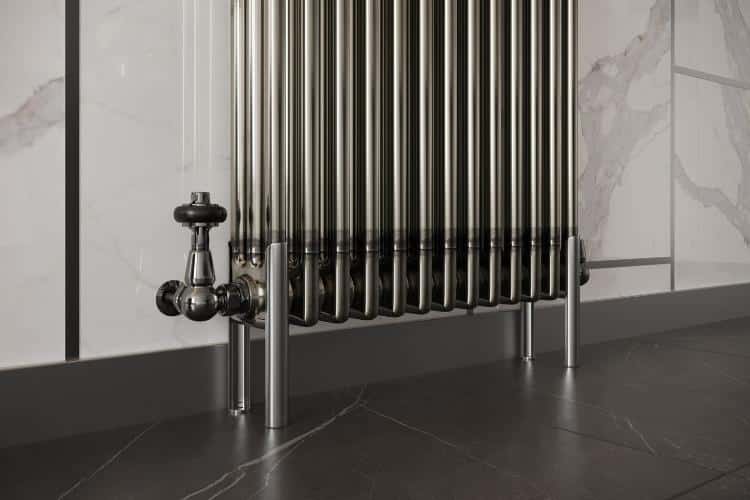
Modern radiators often double as architectural features, particularly in open-plan living areas or hallways, and their valves and controls are part of that visual composition. Clunky or outdated fittings can interrupt otherwise refined interiors.
Modern radiator brands have responded to this shift by offering a broader range of heating accessories that prioritise both performance and design. Instead of hiding heating systems, homeowners are beginning to explore designer styles as part of the overall aesthetic.
For example, selecting coordinated finishes for radiator valves ensures they align with other metal accents in the room. In a space with brushed brass lighting and hardware, matching valve finishes maintain visual continuity. In industrial-style interiors with exposed pipework, darker finishes can reinforce the theme rather than detract from it.
Instead of treating valves as an afterthought, incorporate well-designed fittings to create a more resolved look.
Hardware as a Design Language
Interior designers often talk about visual consistency. While furniture and paint colours set the tone, it’s hardware that reinforces it. Door handles, cabinet pulls, tapware, and even visible pipework contribute to a unified design language.
In a modern interior, finishes tend to be deliberate rather than accidental. Matte black creates contrast in minimalist spaces, brushed brass introduces warmth without overpowering neutral palettes, and polished chrome offers a clean, timeless look. The trick here is repetition. When similar finishes appear across different elements, the space feels intentional.
This principle applies to every visible fixture. A room with carefully chosen lighting but mismatched handles and outdated fittings can feel disjointed. Conversely, subtle alignment across these details creates quiet sophistication.
Switches, Sockets, and Everyday Touchpoints
Beyond heating elements, switches, and sockets, another category of overlooked detail is represented by the wiring. They’re touched daily yet rarely chosen with the same care as furniture or lighting.
Standard white plastic fittings can disrupt darker walls or textured finishes. In contrast, metal or colour-matched plates blend more naturally into the background or intentionally stand out as a design feature. Slim profiles and flush installations further reduce visual clutter.
The same attention applies to dimmer controls and smart home panels. Oversized or mismatched units can distract from otherwise clean walls. Selecting cohesive designs maintains visual order, particularly in minimalist spaces where every element is visible.
Thoughtful placement is equally important. Aligning switches at consistent heights and ensuring symmetry around architectural features prevents subtle imbalances. While these adjustments may seem minor, they contribute to a sense of precision that defines modern interiors.
The Role of Proportion and Scale
Small details don’t operate in isolation. Their effectiveness depends on proportion and scale. Oversized handles in a compact kitchen can overwhelm cabinetry, while tiny fittings in a spacious room may appear lost.
Balancing scale requires observing the room as a whole. Larger spaces can accommodate bolder hardware and visible fixtures, while smaller rooms often benefit from understated elements. The goal is harmony rather than uniformity.
Radiator valves, for instance, should suit both the radiator’s size and the room’s proportions. Sleek, compact designs complement slimline radiators in contemporary apartments. More substantial finishes may work better in larger living areas where radiators form part of the visual framework.
Consistency Across Rooms
One hallmark of well-designed homes is continuity. Moving from one room to another should feel natural rather than abrupt. This doesn’t mean every space must look identical, but shared design threads create cohesion.
Repeating finishes across different rooms establishes rhythm. For example, if brushed brass appears in kitchen hardware, echoing it in bathroom fittings and heating components creates a sense of flow. Similarly, consistent colour choices for valves and fixtures help unify multi-room renovations.
This approach extends to hallways and transitional spaces. Corridors often feature radiators, switches, and lighting that connect multiple rooms. Coordinating these elements reinforces a sense of completeness.
UK Radiators provides options that support this kind of consistency, making it easier for homeowners to maintain a unified finish across various spaces. By planning details holistically rather than room by room, interiors feel curated rather than assembled.
Why Details Shape Perception
The impact of small design decisions is psychological as much as visual. Humans respond to patterns and coherence. When finishes align and fixtures feel intentional, a space appears calm and considered. When elements clash or feel outdated, even subtle tension can make the environment feel less comfortable.
In modern interiors, where ornamentation is limited, every visible element carries more weight. There’s less room for distractions to hide inconsistencies, and this places greater importance on selecting fittings and fixtures that support the overall concept.
Investing time in these choices doesn’t necessarily require a large budget. Often, replacing standard hardware or upgrading visible controls yields noticeable improvement without major renovation.
Conclusion
Modern interiors are defined not just by furniture or layout, but by the quiet decisions that bring everything together. Hardware finishes, heating controls, switches, and proportional choices all contribute to the overall experience of a home.
By approaching these details with the same care as larger design elements, you create spaces that feel deliberate and refined. Small upgrades, from coordinated metal finishes to thoughtfully selected radiator valves, can shift a room from functional to cohesive.
When planning a renovation or refresh, step back and assess the overlooked components. The transformation often begins with the smallest changes, and those details can redefine how an entire space is perceived.