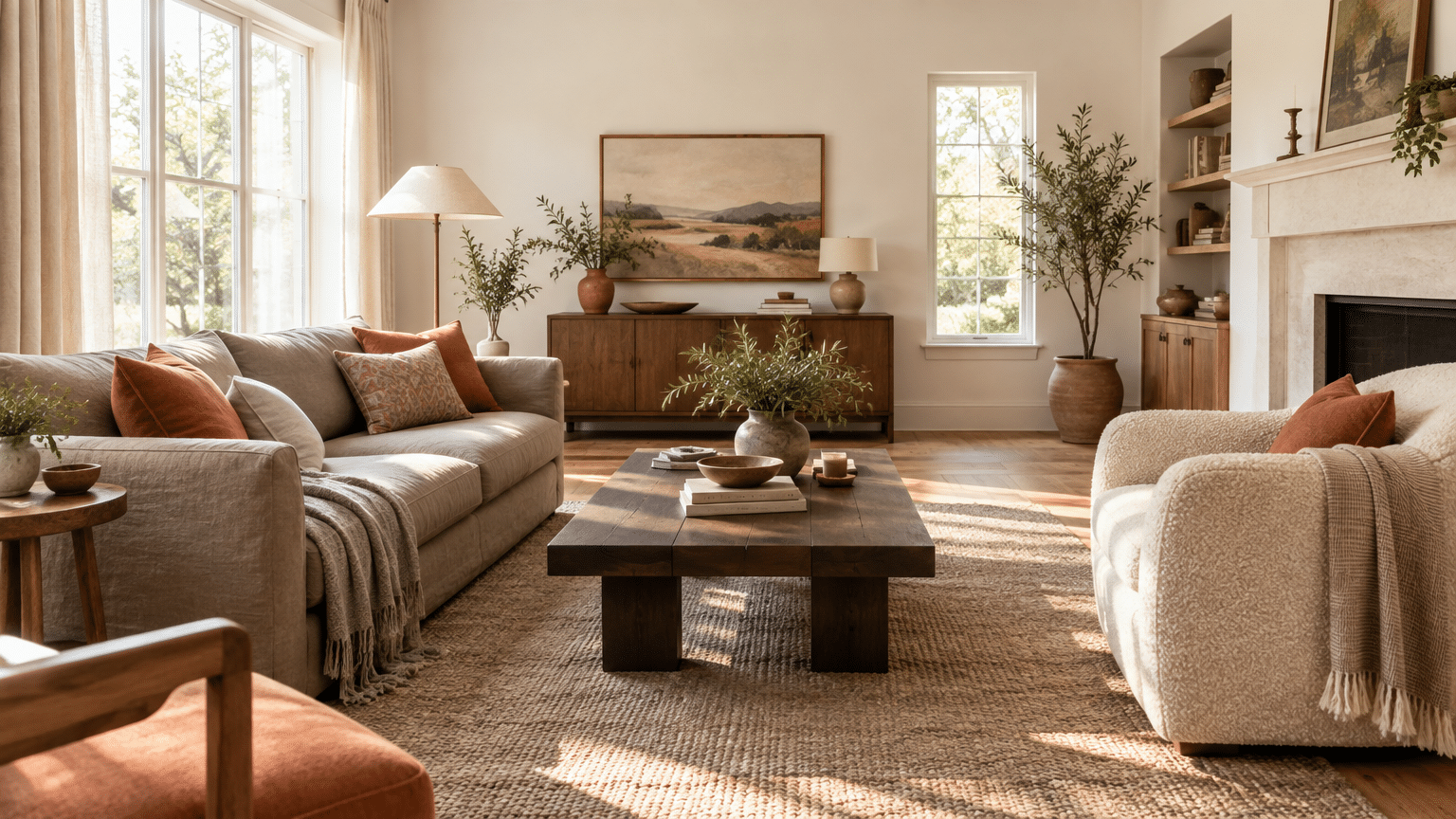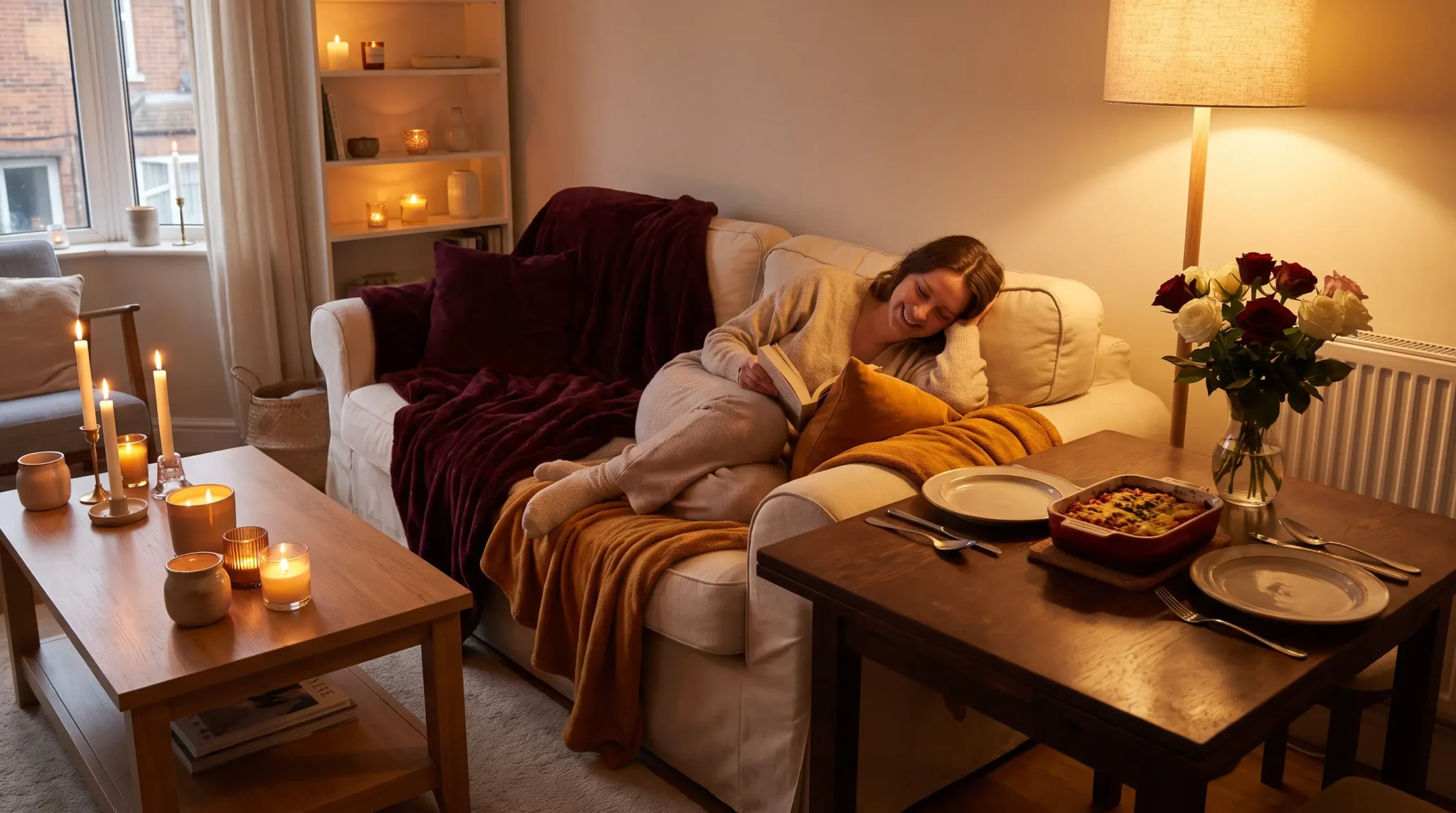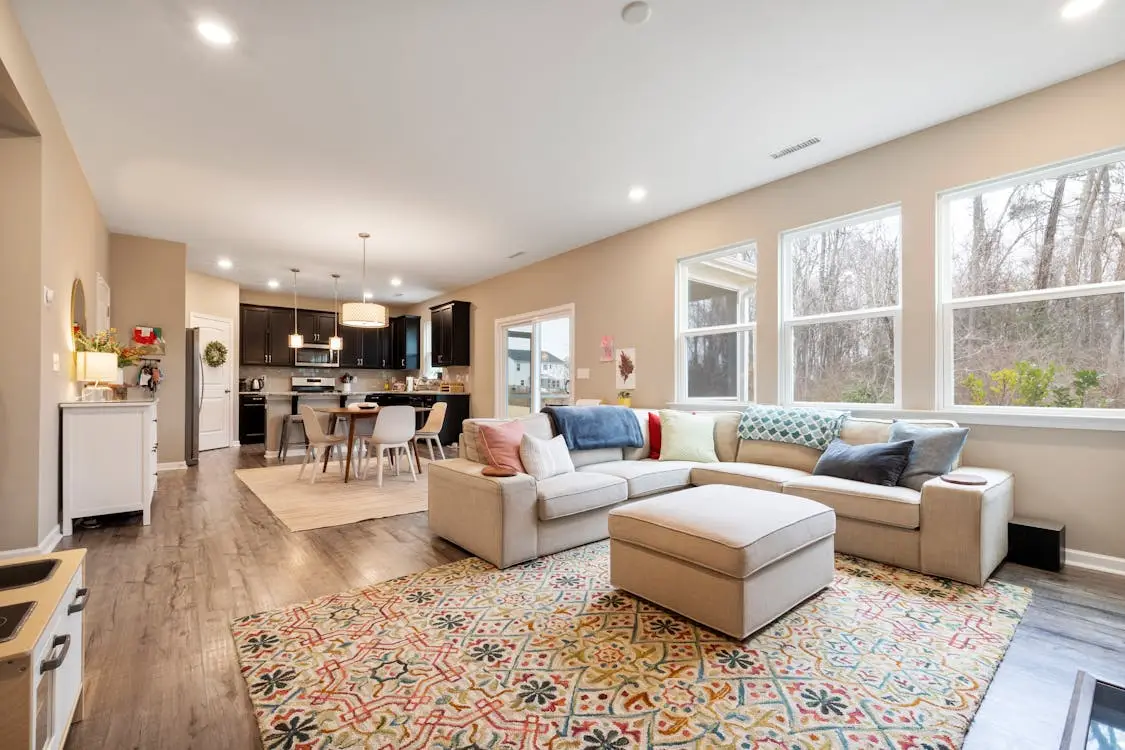
Home should feel comfortable, functional, and easy to live in every day. However, many homeowners struggle with layouts that no longer support their routines or lifestyle needs. Unused rooms, unfinished lower levels, and cluttered living areas often create unnecessary stress and limit how much families enjoy their homes. Remodeling projects can solve these issues by improving how spaces are used while also making the home feel more welcoming and organized.
A thoughtful remodel can create better flow, increase storage, and make daily routines more efficient. It can also provide dedicated areas for relaxation, entertainment, or quiet work. While some upgrades can be completed over a weekend, larger renovations often require professional planning to ensure the final result feels cohesive, practical, and comfortable for years to come.
Unlocking the Hidden Potential of Unfinished Spaces
Many homes contain valuable square footage that remains unused for years. Basements, attics, and bonus rooms often turn into overcrowded storage areas because homeowners are unsure how to use them effectively. As families grow and daily routines change, this unused space can limit comfort and functionality throughout the home. Converting these areas into practical living spaces helps homeowners improve organization, increase flexibility, and make better use of the property they already have.
Among these spaces, unfinished basements often offer the greatest opportunity for transformation because they provide large amounts of adaptable square footage. However, creating a lower level that feels comfortable and connected to the rest of the home requires more than simple cosmetic improvements. Homeowners must consider insulation, moisture control, lighting placement, ventilation, and layout design to ensure the space feels inviting year-round. Because of these technical and design challenges, many homeowners choose to work with top basement remodelers who can create customized spaces that combine comfort, functionality, and long-term durability. With the right planning and professional execution, a finished basement can become one of the most useful and enjoyable areas in the home.
Creating Entertainment Zones That Encourage Relaxation and Connection
Modern homeowners are placing greater value on spaces that encourage relaxation and social connection. Dedicated entertainment areas give families a place to unwind without disrupting the rest of the home. Whether it is a home bar, media room, or casual lounge, these spaces create opportunities for more comfortable hosting and quality time together.
The design of an entertainment space plays a major role in how functional and inviting it feels. Comfortable seating, built-in storage, and carefully planned layouts help maximize usability while preventing clutter. Sound control and layered lighting can also improve the atmosphere, making the space suitable for both large gatherings and quiet evenings at home. A well-designed entertainment area often becomes one of the most frequently used parts of the house because it supports both relaxation and daily connection.
Improving Comfort With Better Lighting and Temperature Control
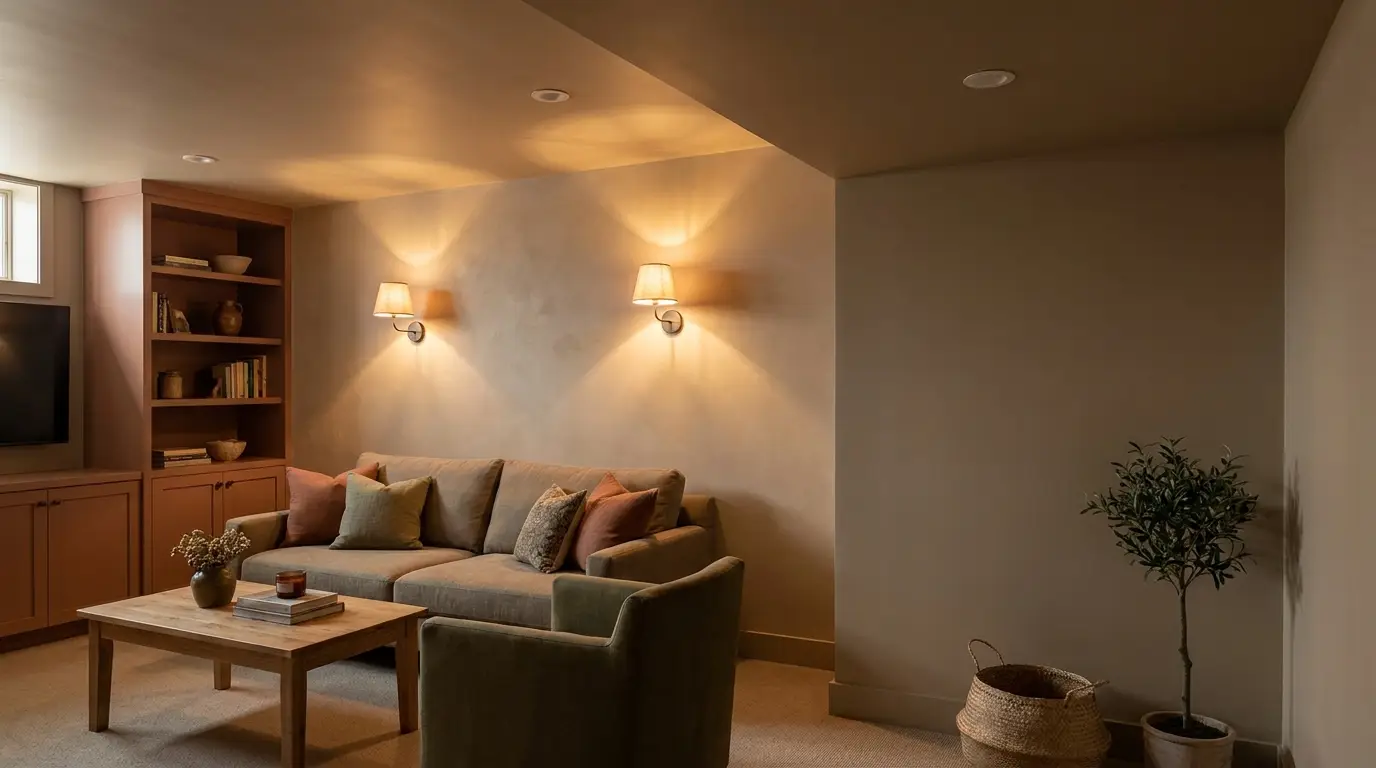
Lighting and temperature significantly affect how comfortable a space feels throughout the year. Lower-level rooms and unfinished areas often feel cold, dark, or disconnected from the rest of the home. Strategic remodeling upgrades can completely change that experience by creating a brighter and more balanced environment.
Layered lighting solutions such as recessed fixtures, wall sconces, and dimmable lights help make previously dark spaces feel open and inviting. At the same time, insulation improvements and upgraded HVAC systems help regulate temperature more effectively. Moisture control solutions are also important for maintaining long-term comfort in basement spaces. Together, these upgrades create rooms that feel comfortable in every season while improving energy efficiency and making the home more enjoyable overall.
Reducing Daily Stress Through Smart Storage Solutions
A cluttered home can quickly make everyday routines feel more stressful and disorganized. Many homeowners struggle with limited storage, especially in busy family areas where items accumulate throughout the day. Remodeling projects that include built-in storage solutions help create cleaner and more functional living spaces without sacrificing style. Custom shelving, under-stair storage, and hidden cabinetry can make a significant difference in keeping frequently used items organized and accessible.
Smart storage planning also improves how efficiently a home functions. Instead of relying on bulky furniture or overcrowded closets, homeowners can incorporate storage directly into the layout of the space. Multifunctional furniture and customized storage zones help reduce visual clutter while making rooms feel larger and more comfortable. These upgrades support a calmer home environment and simplify daily routines for busy households.
Upgrading High-Traffic Areas for Better Everyday Functionality
Kitchens and bathrooms are some of the most frequently used spaces in any home, making them important areas to prioritize during a remodel. Poor layouts, limited counter space, and outdated fixtures can make daily tasks feel less efficient. Thoughtful renovations improve workflow while also enhancing comfort and appearance. In kitchens, homeowners often focus on creating better movement between cooking, cleaning, and storage areas.
Bathrooms also benefit from upgrades that improve both function and relaxation. Features such as walk-in showers, improved lighting, heated flooring, and better ventilation can create a more comfortable experience each day. Durable materials and practical layouts also help these spaces remain easier to maintain over time. When designed carefully, high-traffic areas support smoother routines while adding long-term value to the home.
Blending Style with Function in Multi-Purpose Living Spaces
Modern homes often need to support several activities within the same space. Families may need areas for remote work, fitness, entertainment, or overnight guests without making the home feel crowded. Because of these changing needs, homeowners are prioritizing flexible layouts that improve both comfort and efficiency. Remodeling projects that focus on adaptability help maximize available square footage while maintaining a clean and organized appearance. Open layouts, movable furniture, and built-in workstations can make spaces easier to use throughout the day while supporting a more practical lifestyle.
At the same time, thoughtful home design helps these multi-purpose spaces feel cohesive instead of overwhelming. Consistent flooring, coordinated color palettes, and integrated storage solutions create better visual flow between different areas of the room. As a result, homeowners can combine multiple functions within one space without sacrificing comfort or style. Flexible living areas are especially valuable for growing families because they can continue adapting to changing routines and long-term lifestyle needs.