Have you ever looked around your place and thought, this home works against me more than it helps? Many people feel that way now as work, family, and daily tasks all compete for space under one roof. Housing costs are high, moving is expensive, and flexibility matters more than ever. In this blog, we will share practical ways to set up a home that fits your real life instead of an ideal picture.
Start With How You Actually Live
Before buying new furniture or tearing down walls, pause and watch your routine for a week. Notice where clutter piles up, where cords stretch across floors, and where people gather most. A home that works well begins with honest observation rather than design trends.
Remote and hybrid work have changed how rooms function. Dining tables double as desks, and living rooms host video calls. Instead of fighting that reality, create zones. Use a slim desk against a wall or a fold-down table that closes when work ends. Add a small cabinet nearby to store office supplies so they do not spread across shared space.
Traffic flow also matters. Rearrange furniture so you can walk from one room to another without weaving around obstacles. Keep daily-use items such as keys, bags, and shoes near the entry in baskets or wall hooks. This small shift reduces the daily scramble when you leave the house.
Lighting plays a quiet but powerful role. Replace dim bulbs with bright LED options that reduce eye strain. Add task lighting near reading chairs and desks. Good lighting improves mood and productivity, especially during shorter winter days.
The goal is not perfection. It is function. When each area supports a clear purpose, stress drops and daily tasks feel smoother.
Make Smart Choices About Essential Equipment
Appliances often determine whether a home feels convenient or frustrating. Rising interest rates and tighter budgets mean many households delay large purchases. Still, certain tools remain essential for comfort and hygiene.
Laundry is a prime example. For renters or families in transition, the option to rent a clothes washer offers flexibility without the high upfront cost of ownership. This approach allows you to have reliable access to clean clothes while avoiding long-term financial strain or installation complications. It also works well in apartments where space is limited or where plumbing setups vary.
Beyond laundry, evaluate kitchen equipment. If you cook often, invest in a quality stove and refrigerator with enough storage. Energy-efficient models lower monthly bills, which matters as utility prices fluctuate. Look for appliances with clear settings and simple controls so they serve everyone in the household.
Storage solutions also support equipment use. Install shelving in utility areas to keep detergents, tools, and cleaning supplies organized. Label bins clearly so items return to the same spot after use. This simple habit prevents clutter from spreading into living spaces.
Consider maintenance as part of setup. Clean appliance filters regularly and check hoses for leaks. Small actions extend the life of equipment and reduce surprise repairs. In a time when replacement costs continue to rise, preserving what you have makes financial sense.
When essential tools operate smoothly, daily life becomes less of a juggling act.
Design for Flexibility and Growth
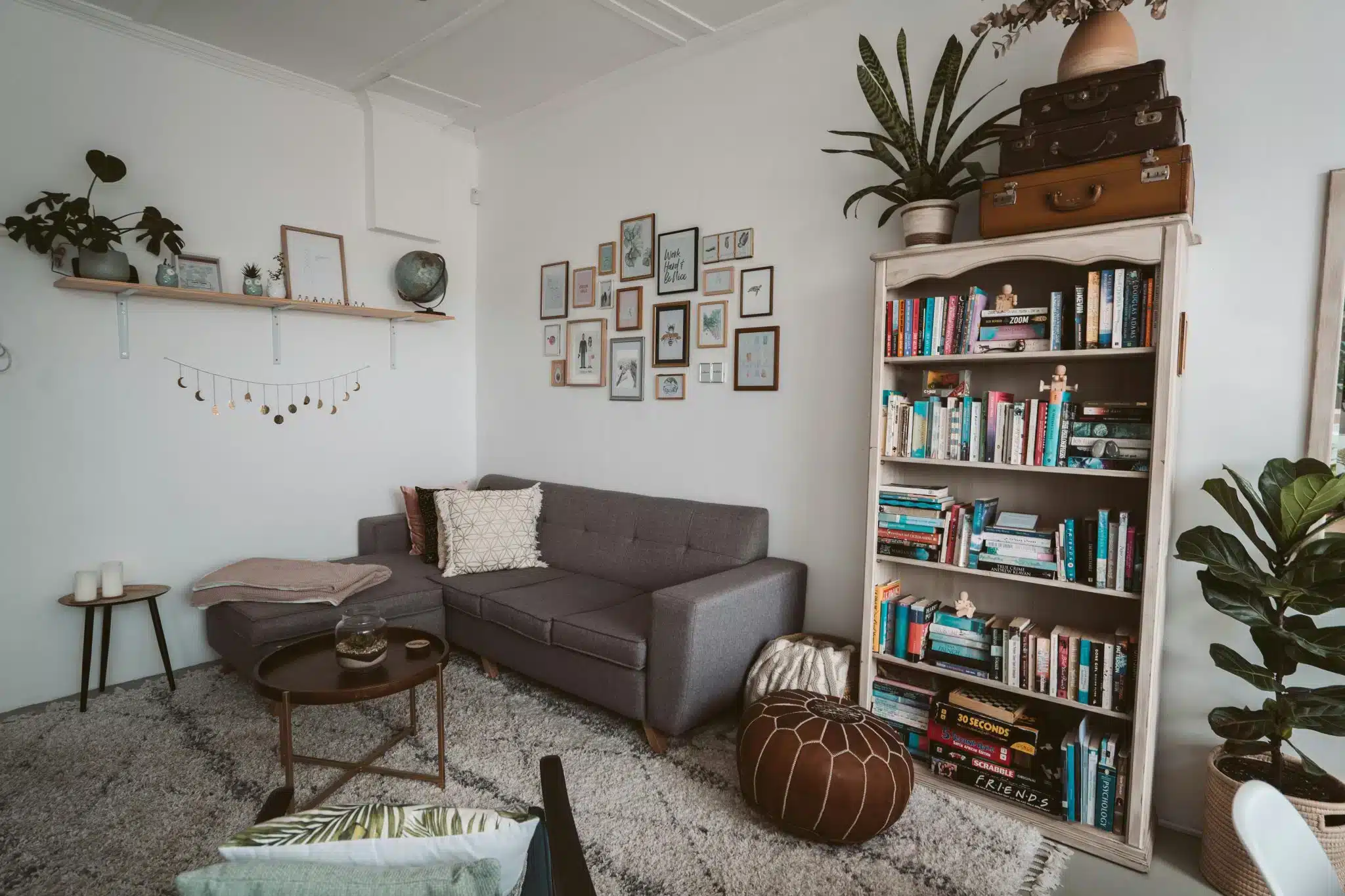
A home that works today may not fit tomorrow. Families grow, jobs change, and aging relatives may move in. Planning for flexibility protects you from constant renovation.
Start by choosing furniture that adapts. A sofa bed provides space for guests without dedicating a full room. A dining table with extendable leaves accommodates both daily meals and larger gatherings. Modular shelving adjusts as storage needs change.
Open floor plans once dominated design magazines, yet many households now appreciate partial separation for noise control. If full walls feel restrictive, consider sliding panels or room dividers that can open or close as needed. This approach balances connection and privacy.
Create multi-use rooms. A spare bedroom can serve as an office during the week and a guest room on weekends. Install wall-mounted desks or fold-down beds to maximize space. Even small closets can convert into compact workstations with proper lighting and ventilation.
Think ahead about accessibility. Install lever-style door handles instead of knobs, and add brighter lighting in hallways. If you plan renovations, reinforce bathroom walls so grab bars can be added later without major reconstruction. Preparing early reduces stress down the road.
Flexibility does not require dramatic change. It means choosing layouts and furniture that adapt to shifting needs.
Support Health, Comfort, and Energy Efficiency
Comfort extends beyond layout and furniture. Air quality, temperature control, and sound management shape how a home feels each day.
Invest in a programmable thermostat to manage heating and cooling based on your schedule. Seal drafts around windows and doors to prevent wasted energy. Add insulation in attics or crawl spaces if levels fall below recommended standards. These upgrades lower utility bills and improve comfort during extreme weather.
Air quality has gained attention in recent years. Replace HVAC filters regularly and consider adding an air purifier if allergies or pollution affect your area. Open windows when possible to increase ventilation. Clean surfaces often to reduce dust buildup.
Sound control also improves comfort. Rugs, curtains, and upholstered furniture absorb noise in rooms with hard flooring. If you share walls with neighbors, weatherstripping and heavy drapes can reduce outside sound.
Water use deserves review as well. Install low-flow showerheads and faucets that maintain pressure while conserving water. Check for leaks under sinks and around toilets. Small drips add up over time and waste resources.
By focusing on these practical elements, you create a home environment that supports both physical health and financial stability.
Keep Systems Organized and Easy to Manage
A home that works for you should not require constant troubleshooting. Organization and clear systems reduce daily friction.
Create a central spot for important documents such as warranties, manuals, and service records. Store them in a labeled binder or digital folder. When something breaks, you will know exactly where to look.
Set reminders for routine maintenance tasks such as changing filters, testing smoke detectors, and cleaning gutters. Digital calendars or reminder apps can handle this easily. Regular upkeep prevents small issues from turning into costly repairs.
Use simple cleaning schedules that divide tasks across the week rather than cramming everything into one day. Assign responsibilities clearly if you share the home with others. Clear expectations reduce conflict and keep spaces tidy.
Technology can assist when chosen wisely. Smart plugs, leak detectors, and security cameras offer monitoring without overwhelming the home with gadgets. Choose devices that solve specific problems rather than adding clutter.
Setting up a home that works for you requires attention to real habits and realistic budgets. By organizing space, selecting practical equipment, planning for flexibility, and maintaining core systems, you create an environment that supports daily life instead of complicating it.