Red light therapy has gone from fringe curiosity to something you now see in gyms, dermatology offices, physical therapy clinics, and even living rooms. It sits at that intersection people tend to squint at, part wellness trend, part legitimate medical tool. The real question is not whether it looks futuristic or feels relaxing, but whether it does anything measurable for the body. The answer is more interesting than hype and more nuanced than skeptics often admit.
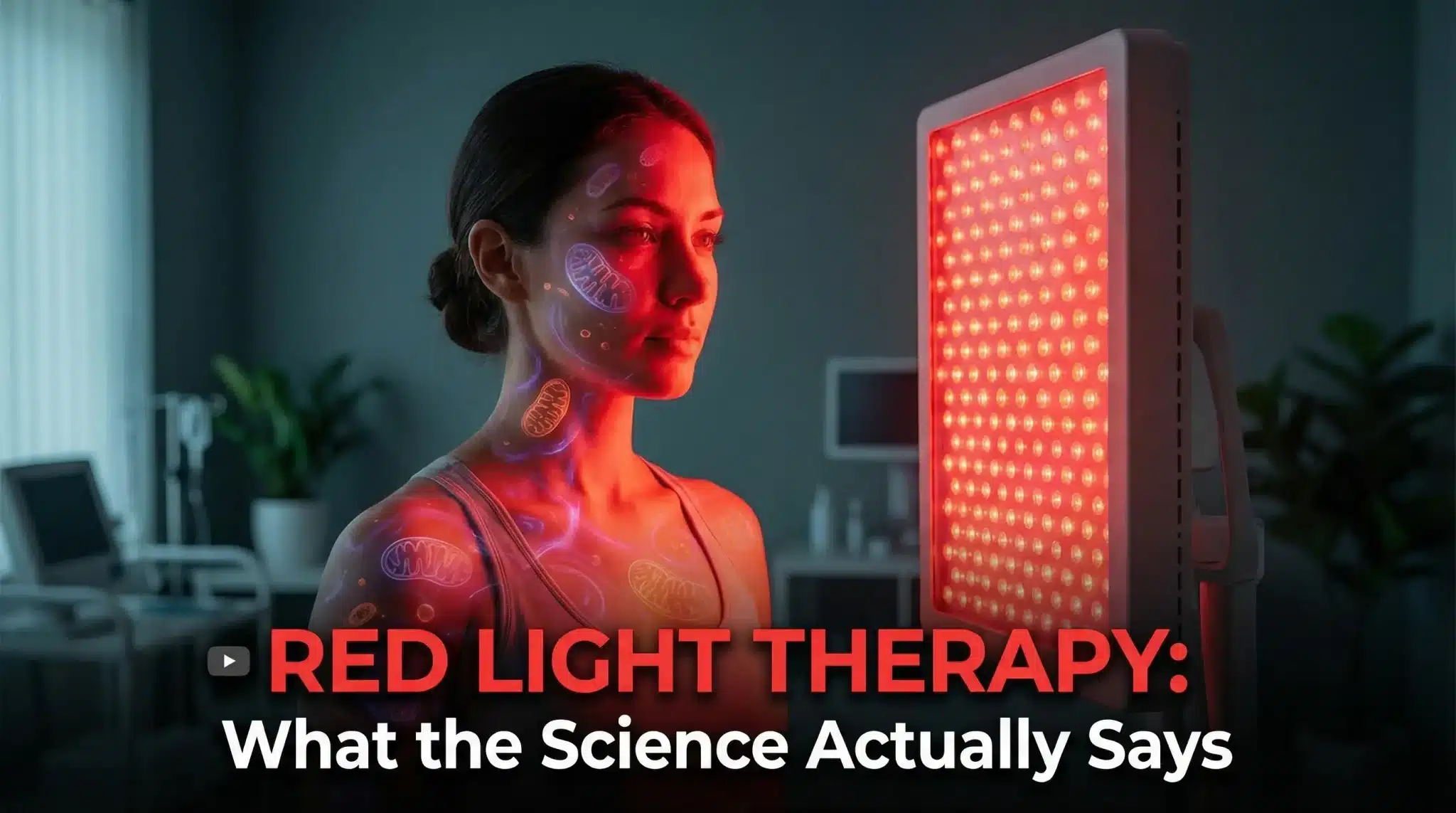
At its core, red light therapy uses low-level wavelengths of red and near-infrared light to interact with cells. Unlike ultraviolet light, this is not about burning or damaging tissue. The goal is cellular stimulation, specifically encouraging mitochondria to function more efficiently. When that happens, cells may produce more energy, inflammation may dial down, and healing processes can get a boost. Those claims sound big, but they are rooted in decades of clinical research across dermatology, pain management, and rehabilitation.
What Red Light Therapy Does at a Cellular Level
The science starts inside the cell. Mitochondria, often described as the cell’s energy producers, rely on oxygen and nutrients to create ATP, the fuel your body runs on. Certain wavelengths of red and near-infrared light appear to help mitochondria work more effectively by improving electron transport and reducing oxidative stress.
That cellular efficiency matters because inflammation and tissue damage often involve energy-starved cells. When cells function better, they repair themselves more efficiently.
This is why red light therapy has shown promise across such a wide range of uses, from skin health to muscle recovery. It is not a miracle switch, but it supports the systems your body already uses to heal. This is also why consistency matters. One session is not transformative. Repeated exposure over time is where most of the documented benefits show up.
Skin Health and Hair Changes People Notice Over Time
One of the most visible areas where red light therapy gets attention is skin. Studies suggest it can stimulate collagen production, improve circulation, and reduce inflammation, all of which can influence skin texture and tone. Dermatologists often use it alongside other treatments rather than as a standalone fix.
Hair is another area where interest keeps growing. For people dealing with hair loss, red light therapy has been studied as a way to support follicle activity and scalp circulation. The light does not create new follicles, but it may help existing ones stay active longer and function better. Results tend to be gradual, and outcomes vary, but the mechanism makes sense within what we know about cellular energy and inflammation.
It is worth noting that these effects tend to be subtle at first. People often notice changes in skin resilience or hair shedding patterns before seeing obvious cosmetic shifts. That timeline is normal and aligns with how the body regenerates tissue.
Pain, Inflammation, and Recovery Applications
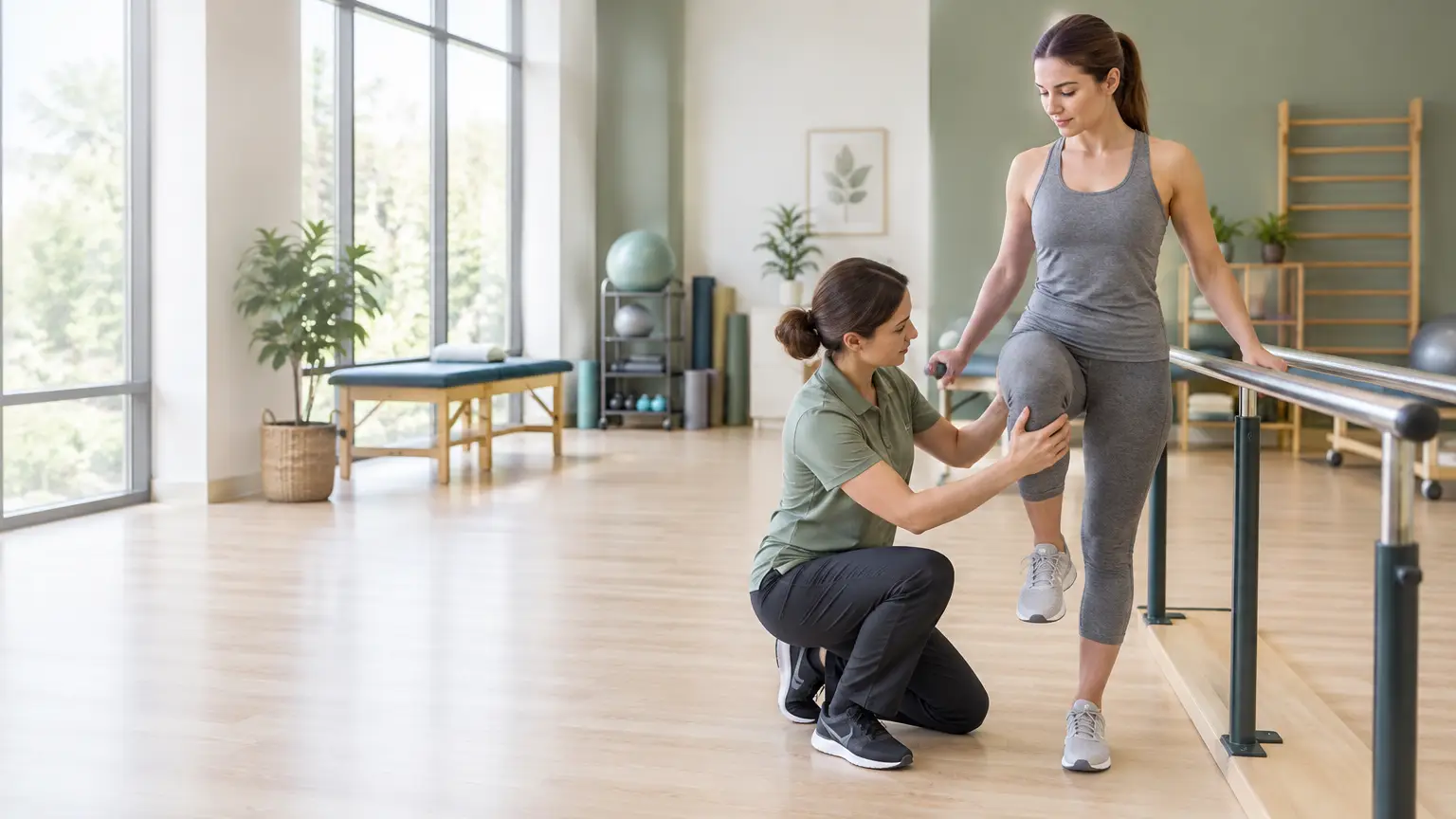
Beyond appearance, red light therapy has a solid foothold in pain management and recovery settings. Physical therapists and sports medicine providers have used similar light-based treatments for years to support muscle recovery, joint pain, and soft tissue injuries.
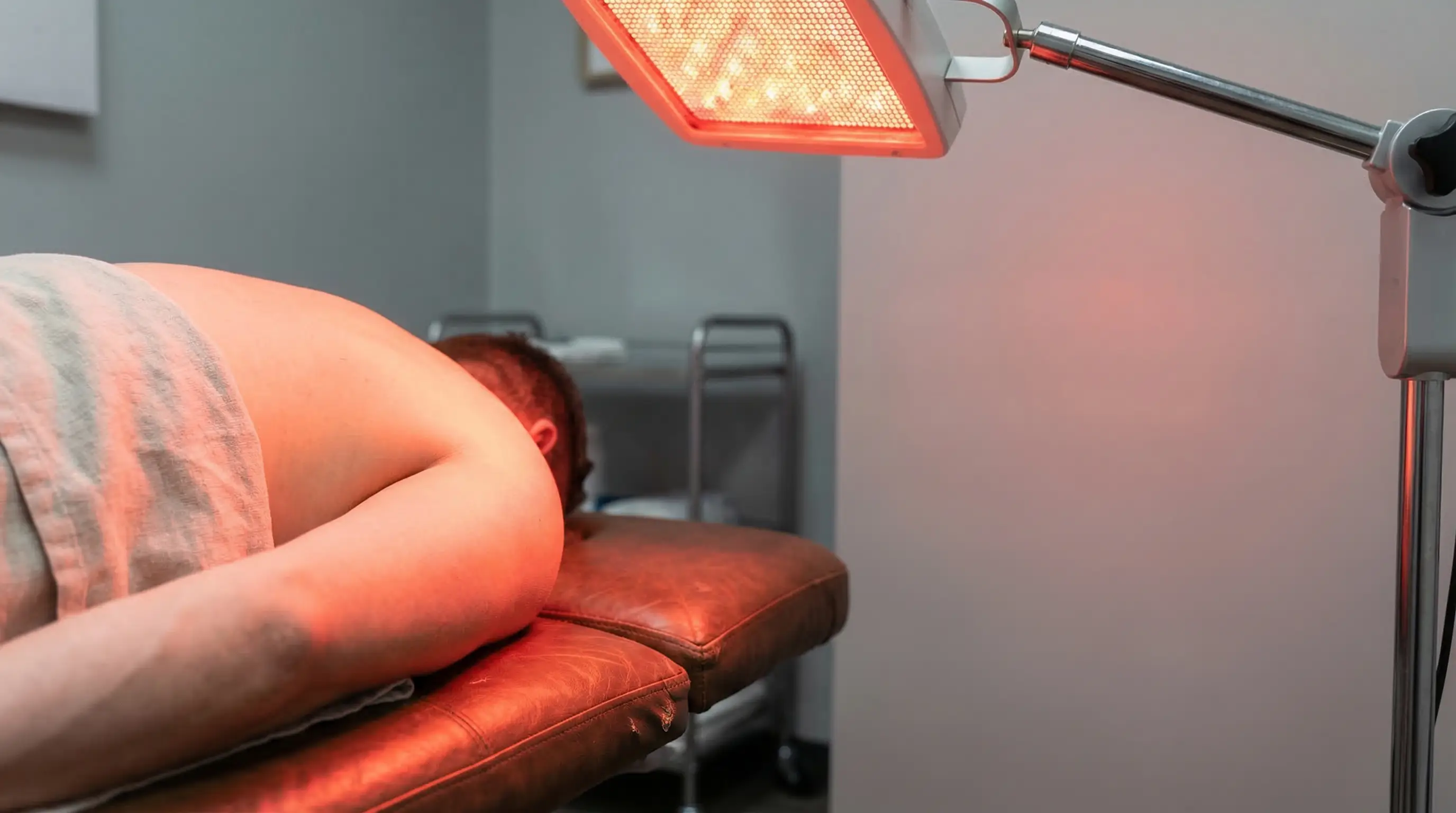
The anti-inflammatory effects are key here. By influencing cytokine activity and blood flow, red light therapy may reduce swelling and discomfort without the side effects associated with long-term medication use. This is one reason athletes and people with chronic joint or muscle pain often incorporate it into broader recovery plans.
Again, it works best as part of a system. Movement, proper rest, and medical guidance still matter. Red light therapy can support recovery, not replace the fundamentals.
Mental Well-Being and Energy Levels
While red light therapy is not a mental health treatment, some people report improvements in energy levels, sleep quality, and overall sense of well-being. These effects may connect to reduced inflammation, better circulation, and more efficient cellular energy production rather than any direct effect on mood.
Near-infrared light has also been studied for its ability to penetrate deeper tissues, including areas near the brain, though this research is still evolving. What seems consistent is that people who use red light therapy regularly often describe feeling less physically run down, which naturally influences how they feel day to day.
This is not about instant calm or dramatic emotional shifts. It is more about supporting the body in ways that can indirectly improve how someone feels moving through daily life.
In-Office Treatments vs At-Home Devices
Access has expanded quickly. Medical offices tend to use higher-powered devices with professional oversight, while at-home panels, masks, and handheld tools are designed for convenience and regular use. Both can be effective when used correctly, though power output, wavelength accuracy, and treatment protocols vary widely.
Professional settings often appeal to people looking for targeted treatment plans or combining red light therapy with other services. At-home devices offer flexibility and consistency, which can matter just as much. Whether you’re looking for red light therapy in NYC, LA or anywhere in between, there are centers that can help you and start your journey, but many people also build routines around home use.
The key is understanding what a device is designed to do and setting realistic expectations. More is not always better, and improper use does not speed up results.
A Practical Way to Think About It
Red light therapy sits in a rare category where visible trends and legitimate science overlap. Its benefits come from supporting basic biological processes rather than forcing dramatic change. For people looking to improve skin health, support recovery, or address inflammation, it offers a low-risk option with a growing evidence base.
Red light therapy works best when expectations stay grounded. It does not override biology, but it can support it. Used consistently and thoughtfully, it offers a tool that fits into modern life without demanding extremes. That balance is likely why it has moved from niche curiosity to something many people now consider part of long-term health maintenance.