A luxurious home is often associated with large renovation budgets, designer furniture, and custom décor. In reality, many elegant interiors rely more on thoughtful styling than on expensive purchases. Small design decisions (lighting, textures, color coordination, and layout) can dramatically change how a space feels.
For lifestyle-minded homeowners and renters, the challenge is finding ways to introduce sophistication without overspending. The good news is that luxury often comes down to the details rather than the price tag. When you focus on a few strategic upgrades and styling techniques, even a modest space can feel polished and refined.
This cheat sheet walks through practical ways to create a high-end atmosphere while staying within budget. Each section focuses on simple, actionable ideas that transform everyday spaces into something that looks intentional and well-designed.
Focus on Lighting First
Lighting has one of the biggest impacts on how a room feels. Poor lighting can make even beautiful décor look flat, while well-placed lighting instantly adds warmth and depth.
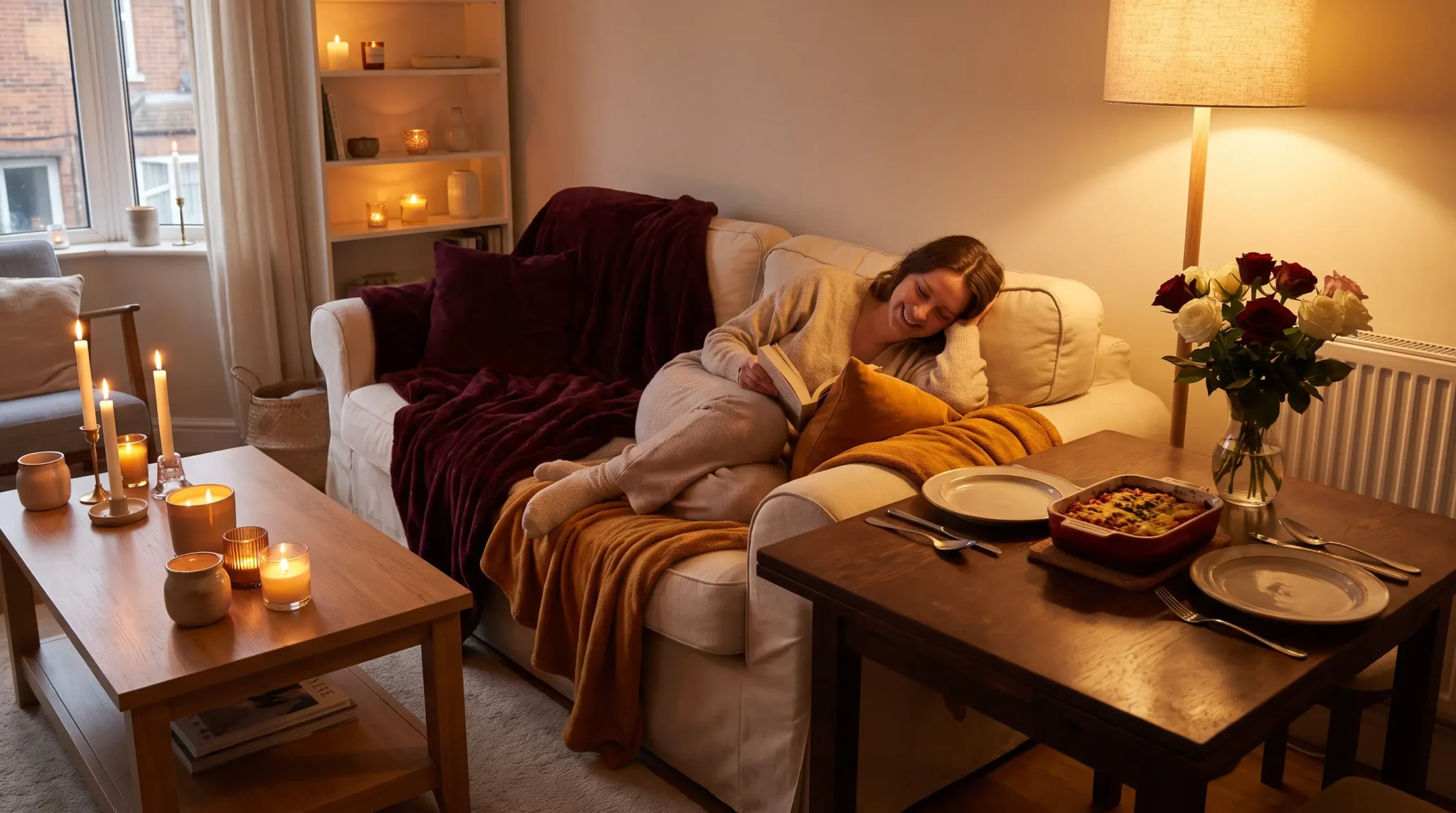
Instead of relying on a single overhead light, aim for layered lighting throughout the room. This approach creates a softer, more inviting environment.
Consider adding:
- Table lamps for reading corners
- Floor lamps near sofas or armchairs
- Accent lighting for shelves or artwork
- Candles to create a soft evening glow
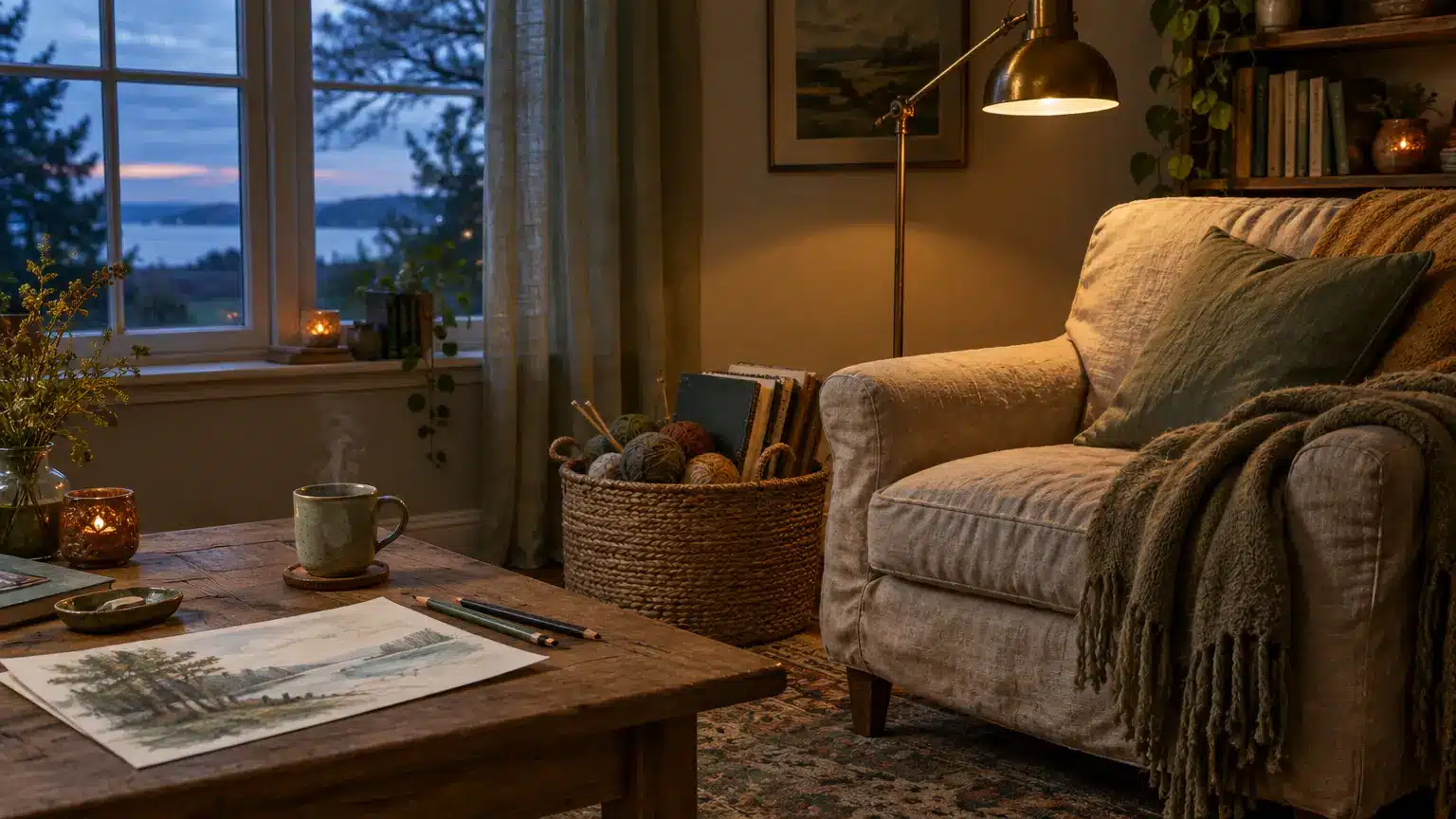
Candlelight in particular adds a sense of calm and refinement. It introduces gentle movement and warmth that electric lights cannot replicate. Thoughtful candle placement on dining tables, sideboards, or coffee tables often gives a room a more curated appearance.
Interior stylists frequently use decorative holders from brands like Jamali Garden to create balanced tabletop displays. Even simple candle arrangements can make a living space feel intentional rather than purely functional. Many homeowners look for wholesale candle holder prices when building these arrangements, especially when decorating multiple spaces. Selecting complementary holders in different heights helps create a layered look that feels cohesive across the room.
Use Texture to Create Depth
Luxury interiors rarely rely on a single material. Instead, they layer textures that add visual interest and comfort.
You do not need expensive materials to achieve this effect. What matters is contrast. A few affordable ways to introduce texture include:
- Mixing linen, velvet, or cotton throw pillows
- Adding a textured area rug
- Using woven baskets for storage
- Placing ceramic or stone décor pieces on shelves
Layering these materials helps a room feel fuller and more thoughtfully designed. For example, a neutral sofa becomes far more inviting when paired with a soft throw blanket and a few contrasting pillows.
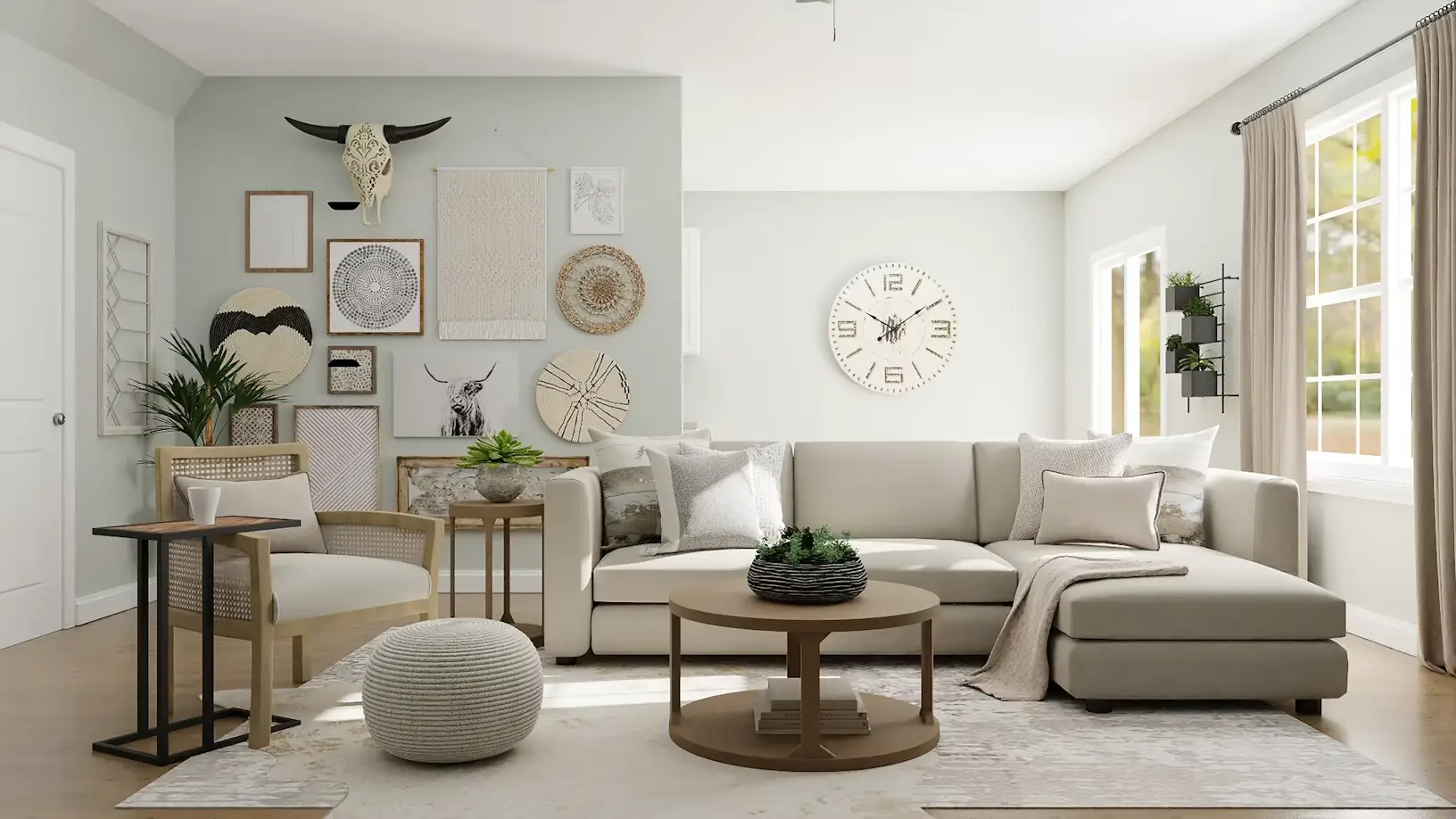
The same principle applies to walls and surfaces. Framed art, mirrors, and floating shelves create dimension while keeping the room visually balanced.
Style Surfaces Like a Designer
Professional interior designers often follow a simple styling rule: every surface should feel purposeful.
Coffee tables, console tables, and shelves offer perfect opportunities to introduce elegant styling without purchasing new furniture. Try the “group of three” approach when arranging objects:
- One decorative item with height (like a vase)
- One functional object (such as a book or tray)
- One smaller accent piece
This combination creates visual balance while avoiding clutter.
Choose a Simple, Cohesive Color Palette
One common mistake in budget decorating is using too many colors at once. Luxury interiors typically rely on restrained palettes that allow textures and shapes to stand out.
A simple formula can help:
- One primary color (walls or large furniture)
- One secondary color (accent furniture or rugs)
- One neutral tone to tie everything together
Neutral palettes, such as soft whites, warm beige, gray, or muted earth tones, often create a calm and timeless environment. These colors also make rooms appear more spacious.
Once the base palette is set, accents like artwork, candles, or textiles can introduce small color variations without overwhelming the space. This strategy prevents the room from feeling chaotic while still allowing personality to shine through.
Rearrange Before You Replace
Creating a luxurious environment does not always require buying new furniture. Sometimes the most effective upgrade is simply rearranging what you already own.
Start by evaluating how the room flows. Walkways should feel open, and furniture should encourage conversation or relaxation. A few simple adjustments can make a surprising difference:
- Pull furniture slightly away from the walls
- Center seating around a focal point
- Use rugs to define specific zones
- Remove pieces that feel unnecessary
Decluttering is particularly powerful. When surfaces and walkways are clear, each remaining item becomes more noticeable and intentional.
Many interior stylists recommend rotating décor seasonally rather than filling every space at once. This keeps rooms feeling fresh without additional spending.
Incorporate Small Statement Pieces
A luxury home does not mean filling every corner with expensive items. Instead, it often features a few carefully chosen statement pieces.
These might include:
- A striking mirror above a console table
- A large piece of wall art
- An elegant centerpiece on the dining table
- Decorative candle arrangements that add warmth and structure
Because these items draw attention, they shape the entire mood of the room. When placed thoughtfully, they help a space feel designed rather than decorated randomly.
Pay Attention to the Finishing Details
Luxury interiors succeed because they consider the small details that people notice subconsciously.
These finishing touches often require very little investment but have a significant impact. Some examples include:
- Swapping basic cabinet handles for modern hardware
- Upgrading curtain rods or tiebacks
- Adding framed artwork rather than leaving walls bare
- Using matching trays or containers for organization
Scent also plays a role in the atmosphere of a home. Soft candle fragrances or subtle diffusers can make a space feel welcoming and comfortable for both residents and guests.
When these details come together (lighting, texture, organization, and scent), the home begins to feel more intentional and refined.
Final Thoughts
Creating a luxurious home does not require a large decorating budget. The difference between an ordinary room and an elegant one often comes down to styling choices, thoughtful lighting, and careful use of textures and color.
By focusing on layered lighting, cohesive palettes, and curated décor arrangements, it becomes possible to transform everyday living spaces into something that feels calm, welcoming, and visually polished.
Start small. Rearrange what you already have, introduce a few decorative accents, and pay attention to how surfaces are styled. Over time, these simple adjustments add up, shaping a home that feels comfortable, balanced, and quietly sophisticated.