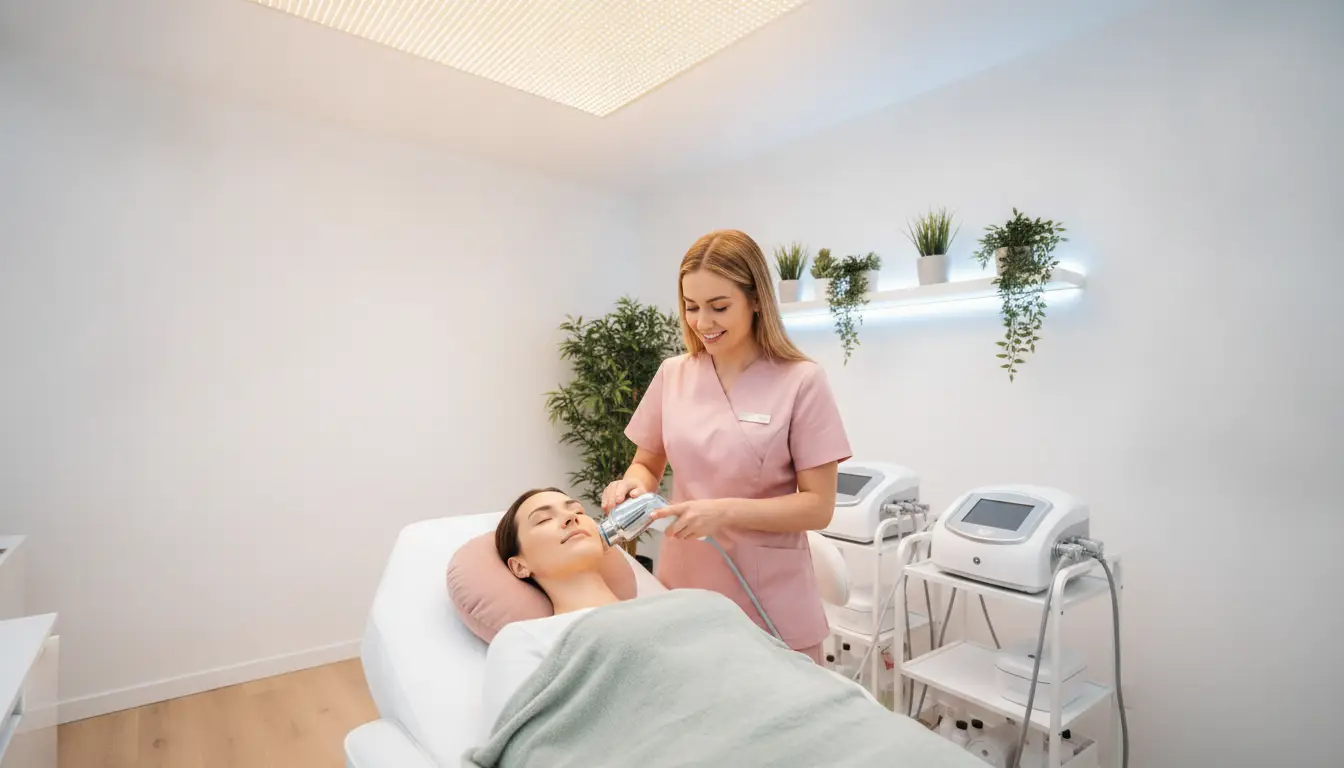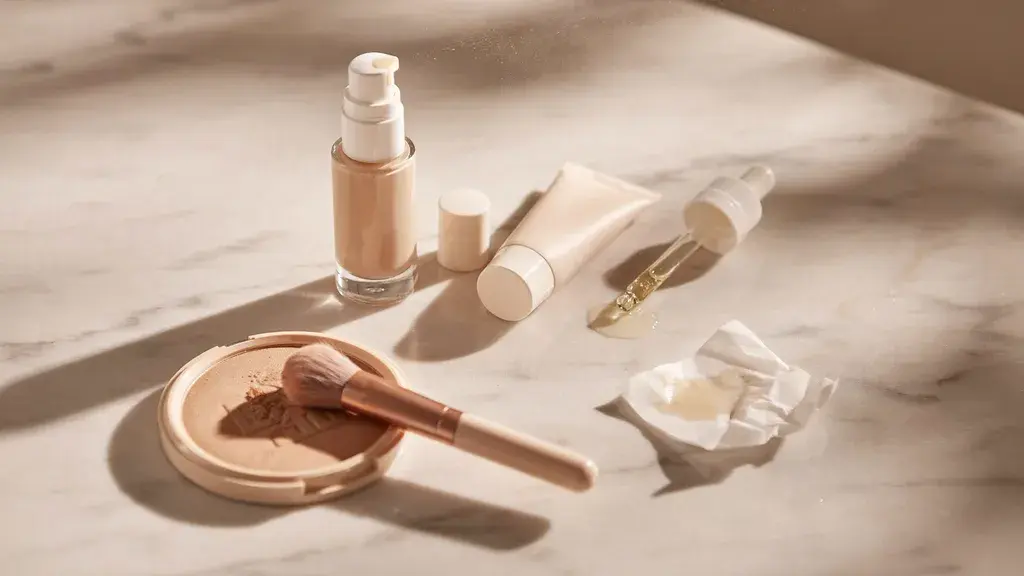
In 2026, Korean skincare is increasingly built around dermatologist-valued actives: barrier lipids, stabilized vitamin C, retinal, and targeted peptide systems.
The market is drawing a sharper line between “sensory” textures and clinical performance, so it’s important to evaluate formulas, concentrations, and compatibility with your skin type.
Barrier Lipids and Microbiome Balance in 2026 Formulas
In 2026 formulas, there’s a growing shift away from the “single hero ingredient” toward rebuilding barrier architecture: a physiologically similar ratio of ceramides (NP, AP, EOP), cholesterol, and free fatty acids. In dermatology practice, it’s emphasized that it’s not only the presence of lipids that matters, but also their proportions and the formation of lamellar structures, because this reduces transepidermal water loss and reactivity.
As a result, more emulsions appear with lamellar emulsifiers and “skin-identical” lipids that behave more like true barrier supplementation than a surface-level softener.
The microbiome topic is also becoming more specific: instead of vague claims about “probiotics in creams,” you more often see combinations of postbiotics (ferment filtrates, short-chain fatty acid analogs) and prebiotics (inulin, alpha-glucan oligosaccharides) designed to support commensal dominance.
An interesting contrast: harsh surfactants and high doses of denatured alcohol can give a temporary “clean” feel, but they may shift pH and the lipid matrix, indirectly affecting microbiota stability. In your routine, do barrier-strengthening lipids come before actives, or do they only “put out the fire” after irritation?
How to Tell Sensory Texture from Clinical Performance
“Silky” slip, fast absorption, or a “matte” finish is often the result of silicones, ester oils, acrylate film formers, and powder fillers (e.g., silica). This can improve the user experience and even reduce friction, but the feel itself is not a reliable indicator of barrier repair, reduced pigmentation, or acne control.
Dermatologists note that clinical outcomes are better predicted by the type of active ingredients, concentration, pH, and delivery system (e.g., liposomes, microemulsions), not by how a product “feels” on the skin.
A practical test is to separate an immediate cosmetic effect from a biological one: does the change persist after cleansing, is it visible after 4–12 weeks, do TEWL, redness, and comedone count decrease.
It’s worth looking not only for “consumer perception” claims, but also for instrumental measurements (corneometry, colorimetry) and clearly stated active doses. How much do your choices depend on sensation, and how much on evidence and measurable results?
Does Stabilized Vitamin C Make a Real Difference for Pigmentation and Collagen
Stabilized forms of vitamin C (e.g., 3-O-ethyl ascorbic acid, ascorbyl glucoside, magnesium ascorbyl phosphate, tetrahexyldecyl ascorbate) are often chosen for better tolerance and a longer shelf life than pure L-ascorbic acid.
However, the clinical difference depends on whether the form truly converts into active ascorbic acid in the skin and reaches a sufficient concentration.
Dermatology literature emphasizes that for pigmentation reduction, not only antioxidant action matters, but also tyrosinase inhibition and inflammation control, which is why formulas often pair ferulic acid, vitamin E, niacinamide, or tranexamic acid.
In the context of collagen synthesis, vitamin C acts as a cofactor for hydroxylating proline and lysine, but that doesn’t mean any “stable C” form will automatically deliver the same result. pH, solvents, penetration-enhancing components, and packaging (airless dispensers reduce oxidation) become significant.
A practical question when choosing: does the brand provide a clear concentration and stability data, or only a generic “vitamin C” label?
Retinal or Retinol for Sensitive Skin and Acne
Retinal (retinaldehyde) is biochemically one step closer to retinoic acid than retinol, so it often works faster at reducing comedones and inflammatory lesions. In dermatology practice, it’s valued as a compromise between efficacy and tolerability: lower concentrations (e.g., 0.05–0.1%) can provide noticeable acne control, yet still require a slow introduction.
Retinol is usually gentler, but results may come more slowly, especially if the formula isn’t optimized (encapsulation, stabilizers, suitable pH).
For sensitive skin, the difference often lies not only in the molecule, but also in the base: calming lipids, niacinamide, panthenol, and fewer fragrance components can reduce the risk of retinoid dermatitis. A practical criterion: if burning, flaking, and a sense of barrier “breakdown” appear, it’s worth reducing frequency (2–3 times per week), using the “sandwich” method with a cream, and avoiding acids or benzoyl peroxide on the same night.
Do Peptide Systems Work or Is It Just Marketing
Peptides in cosmetics don’t work as “miracle collagen building blocks,” but as signaling molecules that can modulate skin response when they reach the right depth and concentration.
In dermatology literature, palmitoyl pentapeptide-4, copper tripeptide-1, and acetyl hexapeptide-8 are most often mentioned, but their results depend on the delivery system (liposomes, polymer encapsulation) and formula stability. If a peptide appears on the label after the “tail” of fragrance or preservatives, the real dose may be too low for a noticeable effect.
Marketing often oversimplifies: “peptides = collagen,” although in practice subtle changes (a feeling of elasticity, a finer texture) are more likely than dramatic “wrinkle smoothing.”
It’s valuable to look not only for the INCI name, but also for the brand’s data: in vivo studies, dosage, placebo comparisons, instrumental measurements. Where do peptides fit into your routine: as a long-term strategy alongside SPF and retinoids, or as a quick fix without a clear evidence base?
Compatibility with Skin Type and Common Active-Mixing Mistakes in A Daily Routine
Compatibility starts not with the “skin type” label, but with barrier condition and the tolerance window: for oily yet dehydrated skin, too-frequent layering of foaming surfactants, acids, and retinoids often backfires, while for dry skin, alcohol-based serums can provide a brief sense of lightness but increase TEWL.
Dermatologists often suggest the rule “one strong active per night”: e.g., a retinoid or an AHA/BHA, but not together (especially if there is erythema or flaking).
In acne, a common mistake is combining benzoyl peroxide with a retinoid without adaptation, then “rescuing” the skin with heavy occlusives, which for some can increase comedogenicity.
In practice, rotation and clear roles help: antioxidants + SPF in the morning, a retinoid or exfoliant at night, and on the remaining days—barrier-repairing lipids and humectants. Niacinamide, azelaic acid, and tranexamic acid are often “bridging” actives because they’re typically better tolerated and suit multiple goals (inflammation, pigmentation, sebum).
Does your routine have “stop signals” (when you reduce frequency and return to basics), or do actives always increase regardless of how your skin responds?
The clearest 2026 skincare shift is from “a stronger active” toward better solution design: barrier-lipid ratios, microbiome support, stability, and delivery systems (often determining more than the active ingredient itself).
Dermatologists consistently remind us that results are predicted not by how it feels on the skin, but by the tolerance window, TEWL, inflammation control, and time (4–12 weeks), so it’s worth evaluating concentrations, pH, packaging, and study type—not only marketing promises.
When a routine has clear “stop signals” and logic (antioxidants + SPF in the morning, one active at night, and barrier rebuilding on the remaining days), the irritation spiral decreases and there is room for real clinical effect rather than constant “firefighting.”