Healthy hair is something many of us chase through products – the right shampoo, a nourishing conditioner, the latest styling treatment. These things do matter, but they only go so far.
The real foundation of strong, resilient hair is built from the inside, shaped by what we eat, how we sleep, and how we look after ourselves day to day.
Hair follicles rely on a constant supply of nutrients carried through the bloodstream.
Those nutrients fuel the production of keratin, the structural protein that makes up each strand. So it follows that diet has a genuine, measurable influence on how our hair grows and how it looks over time.
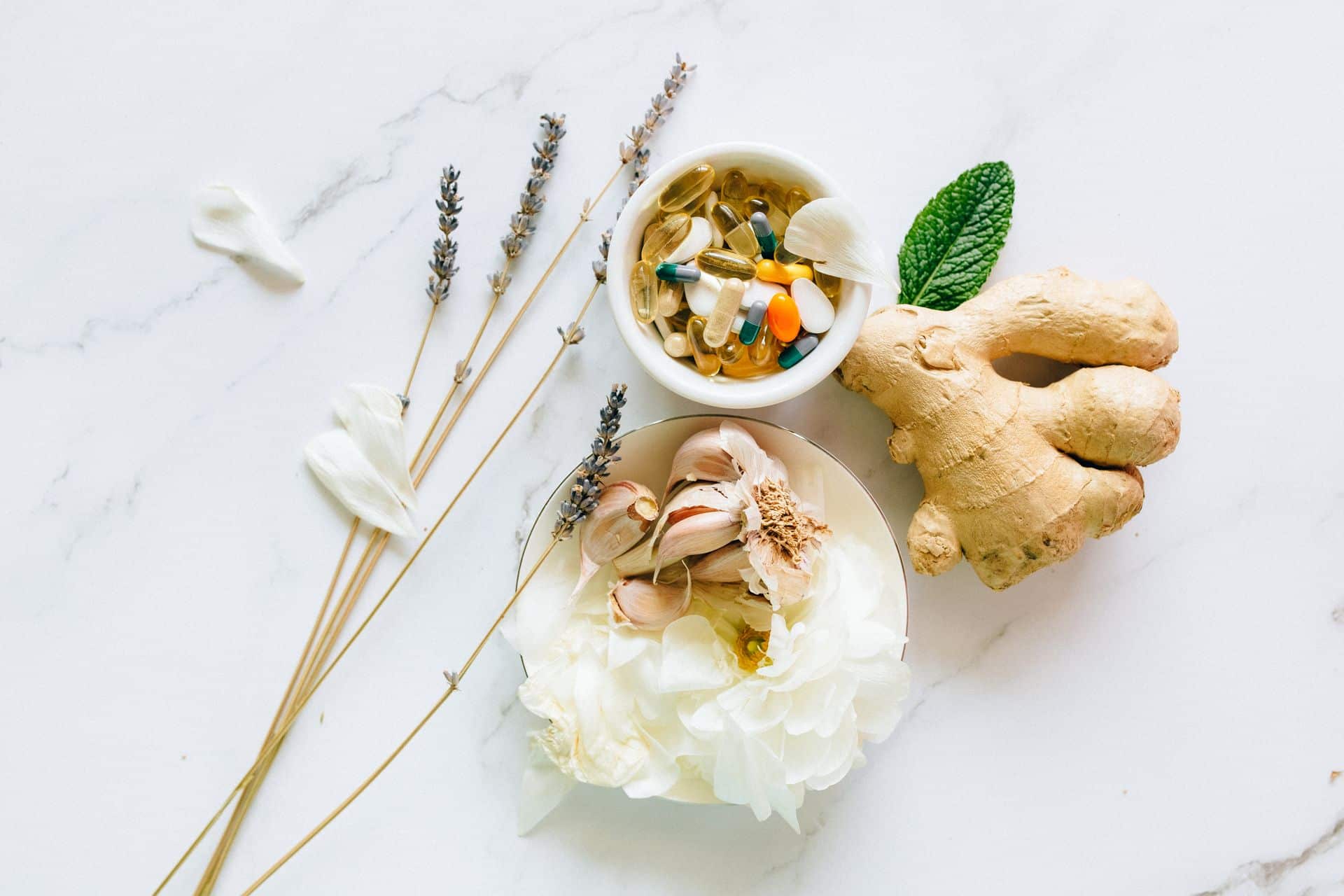
Some people, alongside eating well, also bring in hair growth supplements or hair vitamins as part of a wider approach to wellness. Either way, understanding the nutrition-hair connection is a good place to start.
How the Hair Growth Cycle Works
Hair doesn’t just grow continuously – it moves through three distinct phases, each serving a specific purpose.
The anagen phase is where active growth happens. Follicles produce new cells that build into a strand of hair, and this stage can last several years. How long your hair can grow is largely determined here.
Next comes the catagen phase – a brief transitional period of just a few weeks. Growth slows, the follicle shrinks slightly, and the strand gets ready to rest.
Then there’s the telogen phase, the resting stage. The hair sits in place while the follicle prepares to start fresh. Eventually the old strand sheds and a new one begins to grow through.
This whole cycle is sensitive to what’s happening inside the body. Nutrition, hormones, stress levels, general health – all of it can affect how smoothly things run. When key nutrients are in short supply, follicles can struggle to keep up.
Nutrients that Support Healthy Hair
Hair needs a range of nutrients to grow well and stay strong. A varied diet tends to cover most of the bases, but it helps to know which ones matter most.
Protein is arguably the most important. Since hair is made primarily from keratin – itself a protein – not eating enough can sometimes result in weaker strands or more shedding than usual.
Iron helps carry oxygen through the blood to the follicles. When levels are low, follicles may not function as well as they should.
Zinc supports cell growth and tissue repair, both of which keep follicles healthy and functioning normally.
Biotin (vitamin B7) is probably the best-known hair nutrient. It helps the body process the amino acids involved in keratin production, which is why it appears in so many hair-focused conversations.
Vitamin D supports cell growth more broadly and may also play a role in how active follicles are.
Good dietary sources include eggs, nuts, leafy greens, oily fish, whole grains and lean meat. Nothing exotic – just a reasonably varied, balanced diet.
The Role of Overall Diet in Hair Health
It’s not just about individual nutrients, though. The overall quality and balance of what you eat sets the tone for how well the body can support hair growth. Diets built around whole foods naturally provide the vitamins and minerals the body needs to keep its many processes ticking along – including those in the follicles.
Very restrictive diets or rapid weight loss can disrupt this. When the body isn’t getting enough fuel, it tends to prioritise critical functions, and hair production isn’t one of them. Follicles may shift into the resting phase earlier than they should, which shows up as increased shedding weeks or months later.
Hydration matters too. Water doesn’t directly stimulate growth, but it underpins circulation, scalp health and plenty of other processes that do.
Consistency in eating habits, more than any single superfood, is what creates the stable internal environment hair follicles need.
Stress and Lifestyle Factors

Diet is only part of the picture. How you manage stress, how well you sleep, and whether you move your body all feed into hair health as well.
Stress is a well-documented disruptor. It can push a higher-than-normal number of follicles into the resting phase – a condition called telogen effluvium. The result is noticeable shedding, often appearing two to three months after the stressful period itself, which can make it tricky to connect cause and effect.
Sleep is when the body does much of its repair work. Consistent, decent sleep supports hormonal balance and general recovery, both of which influence how follicles behave.
Regular physical activity improves circulation, helping oxygen and nutrients reach the scalp and follicles more efficiently. It doesn’t need to be intense – consistent movement of any kind makes a difference.
These factors don’t operate in isolation. They work alongside nutrition to either support or hinder the conditions hair needs to grow well.
Supporting Hair Health from The Inside Out
External products can improve how hair looks and feels, but they can’t alter what’s happening inside the follicle itself. That’s determined by internal health – and that’s where the real work happens.
A more holistic approach means thinking about both sides. Eat well, manage stress where you can, sleep properly, and go easy on the heat styling and chemical treatments. None of this is particularly complicated, but it does require a bit of consistency.
This kind of thinking tends to move people away from looking for quick fixes and towards sustainable habits. When the body is well nourished and not running on empty, follicles simply have more to work with.
A Balanced Approach to Hair Health
Hair growth is shaped by genetics, hormones, nutrition and lifestyle – all working together, or against each other, depending on how things are going.
There’s no single guaranteed fix for thicker or faster-growing hair, but giving the body what it needs generally helps things along.
Building good daily habits – eating a varied diet, moving regularly, getting enough rest, keeping stress manageable – creates the right internal conditions for hair to grow as consistently and strongly as it can. Over time, that tends to show.
The link between nutrition and hair is really just a specific expression of something broader: look after yourself well, and it usually shows on the outside too.