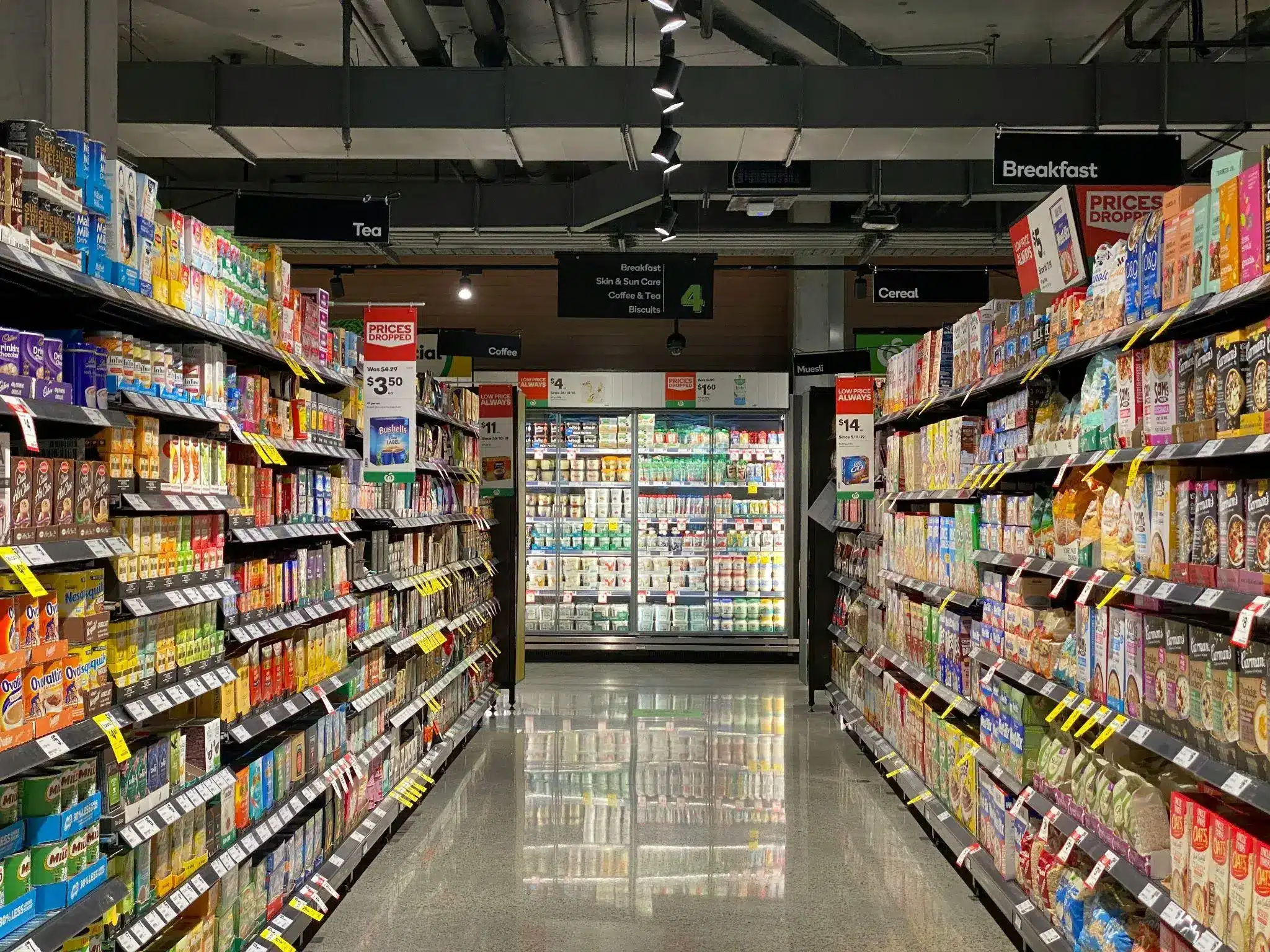
Running a business from a physical location involves far more than just showing up and doing the work.
From the very first day you move in to the moment you hand back the keys, every decision you make about your commercial space shapes how your business is perceived and how smoothly operations run.
First Impressions Start Before Anyone Walks Through the Door
The physical environment of a business communicates its values before a single conversation takes place.
Customers, clients, and staff all form impressions of a business based on how professional, clean, and well-organised its space looks.
Many business owners focus heavily on stock, pricing, and service, but overlook the basics of physical presentation.
A well-maintained, clearly branded space does a significant amount of work in building trust and encouraging people to engage with what is on offer.
Signage Is One of the Most Powerful Tools in a Physical Space
Whether you are running a retail shop, a medical clinic, a corporate office, or an industrial facility, clear signage serves a critical communication function.
It directs, informs, promotes, and reinforces your brand without requiring any human interaction at all.
Many businesses invest in expensive fit-outs but forget that the messaging on the walls, windows, and noticeboards needs to be just as polished as everything else.
Signage that looks dated, misaligned, or poorly presented can undermine an otherwise impressive physical setup.
Why Snap Frames Are the Smart Choice for Displayed Signage

One of the most effective and cost-efficient ways to manage displayed signage in a commercial space is through purpose-built wall-mounted frames.
Using a quality snap frame allows businesses to update their displayed content in seconds without tools, without damage to walls, and without replacing the frame itself.
This is particularly useful in environments where promotions, safety notices, menus, or staff information change regularly.
The ability to swap out printed inserts quickly means your signage stays current, which sends a message to everyone who enters that your business is active, attentive, and detail-focused.
The Range of Snap Frame Applications Across Different Industries
Snap frames are not limited to retail environments. They are widely used in gyms, hospitals, schools, warehouses, government offices, and hospitality venues across Australia.
Any space that needs to display updated information in a clean, professional format can benefit from a reliable snap frame solution.
Their versatility in size and finish means they integrate naturally with virtually any interior design style without looking out of place.
Setting Up Your Space for Long-Term Success
Getting the setup right from the beginning saves significant time and money over the course of a tenancy.
Investing in quality commercial fitouts ensures your space has clearly defined zones, good lighting, well-maintained surfaces, and a layout that reflects how the business actually operates day to day.
It is also worth documenting the condition of the space at the start of the tenancy with photographs and written records.
This becomes critically important when it comes time to vacate, as it establishes a clear baseline against which the final inspection will be measured.
Building a Strong Online Presence to Complement Your Physical Space
A physical business location and a well-functioning website work best when they reinforce each other. Customers who walk past your space, see your signage, or receive a referral will almost always search for you online before taking further action.
If your website is outdated, hard to navigate, or missing key information, you risk losing the trust that your physical space has worked hard to build.
Working with a specialist like any digital marketing agency ensures your online presence is as professional and credible as your physical one.
The Hidden Costs of Neglecting Your Space During the Tenancy
One of the most common mistakes commercial tenants make is allowing wear and damage to accumulate without addressing it throughout the lease period.
Small issues like scuffed walls, unpatched bolt holes, dirty floors, and neglected fixtures are easy to ignore during busy operations, but become significant problems at the end of a lease.
Proactive maintenance during a tenancy is always cheaper and less stressful than trying to address years of neglect in the final weeks before handover.
Building regular space maintenance into your operational schedule from the outset protects both your security deposit and your relationship with the landlord.
Understanding Your Make Good Obligations as a Tenant
Most commercial leases in Australia include make-good clauses that require tenants to return the space to its original condition at the end of the tenancy.
This typically means removing any fixtures, fittings, or equipment that were installed during the lease and repairing any damage caused to floors, walls, or structural elements.
Many tenants are caught off guard by the scope and cost of their make-good obligations, particularly in warehouse and industrial settings where installed racking, bolted machinery, and concrete damage can be extensive.
Reading and understanding your lease obligations early gives you the time to plan and budget appropriately.
Why Professional Help Makes All the Difference at the End of Lease
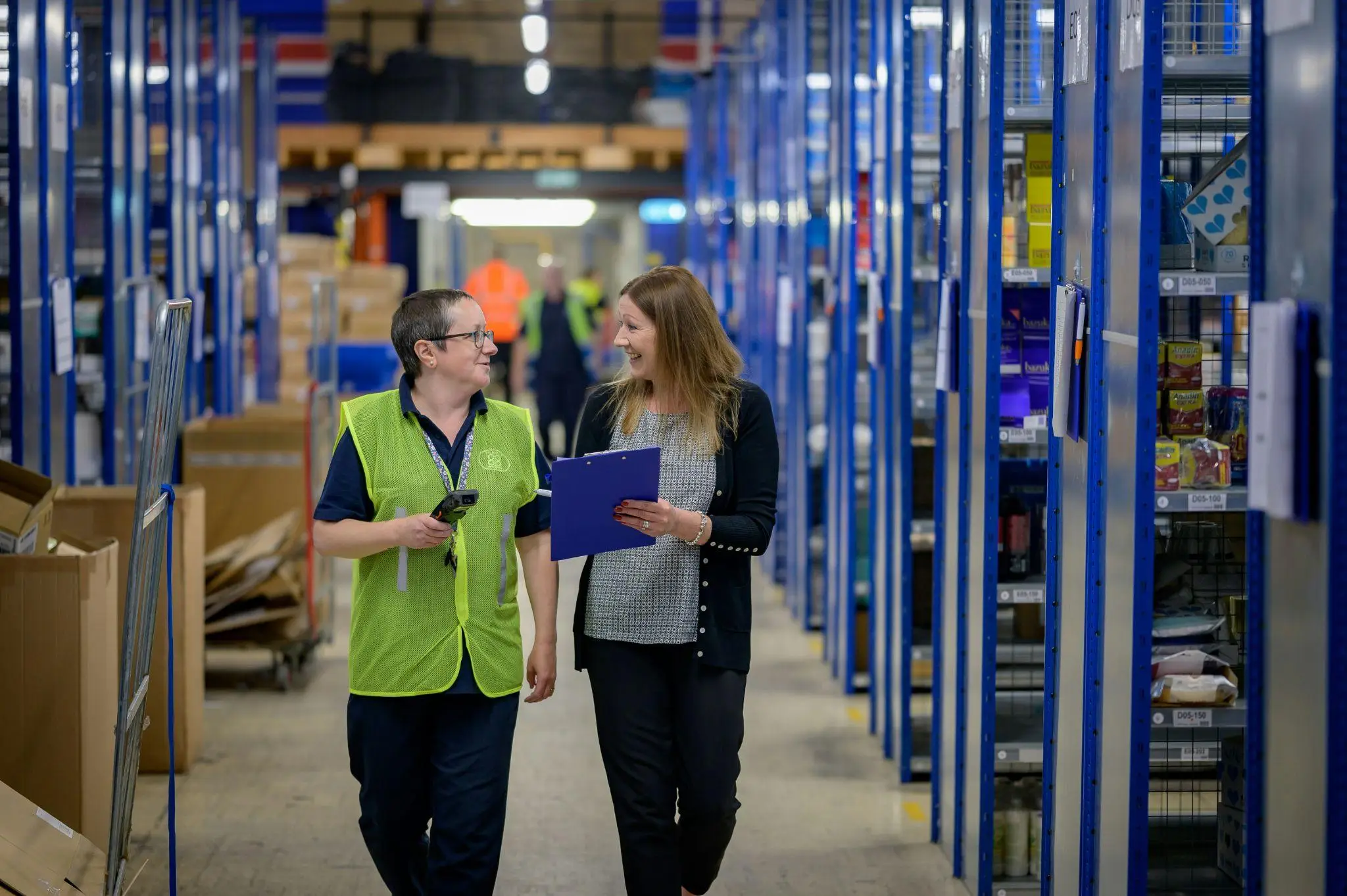
Attempting to coordinate end-of-lease restoration without specialist support is a common source of stress, delays, and unexpected costs for commercial tenants.
Different aspects of a make-good project require different skills, and managing multiple trades independently adds significant time and complexity to an already demanding process.
Engaging a specialist provider of warehouse make good services means all aspects of the restoration, from racking removal and bolt extraction to concrete repairs, floor grinding, cleaning, and handover documentation, are handled by a single experienced team.
This approach consistently delivers faster turnaround times, better quality results, and fewer disputes at the final landlord inspection.
What a Thorough Make Good Project Actually Involves
A professionally completed make good is more involved than most tenants initially expect. It typically covers the full dismantling and removal of shelving, racking, and mezzanine structures, followed by patching the concrete slab, repairing any wall damage, removing line markings, and conducting a detailed cleaning of the entire facility.
In many cases, additional floor restoration work, such as epoxy filling, concrete grinding, and surface preparation, is required to meet landlord standards.
A specialist team handles all of these stages in a coordinated sequence, ensuring the job is completed efficiently without the delays that come from relying on multiple unrelated contractors.
Planning Your Exit as Carefully as Your Entry
The businesses that handle commercial tenancy transitions most successfully are those that plan the exit with the same level of care they gave to the initial setup.
Starting the make-good planning process well in advance of the lease end date allows time for proper scoping, quoting, and scheduling without the pressure of a tight deadline.
Giving yourself adequate lead time also means you can address any disputes about scope or condition calmly and professionally, rather than under the pressure of a looming handover date. A well-planned exit protects your finances, your reputation, and your ability to secure future leases.
The Full Picture of Managing a Commercial Space Well
From choosing the right signage display solutions to ensuring the space is restored correctly when you leave, every stage of a commercial tenancy requires thoughtful decision-making.
The businesses that manage these transitions well tend to be those that treat their physical environment as an extension of their brand rather than just a functional necessity.
Whether you are fitting out a new space, maintaining one that is already operating, or preparing for a departure, the right tools, services, and professional support make the entire process more manageable and more cost-effective.
Investing in quality across every stage of a tenancy, from the first snap frame on the wall to the final make good inspection, pays dividends in ways that go well beyond the immediate transaction.