Flowers have been around as gifts for as long as anyone can remember. Centuries of birthdays, funerals, anniversaries, and quiet Tuesday afternoons have all been marked with a bunch of blooms.
But why, exactly, do they hit so differently to other gifts? What is it about a bouquet that can reduce someone to happy tears, dissolve an awkward moment, or say something you’ve been struggling to put into words?
It’s worth digging into the psychology of flower gifts – because there’s genuinely more going on than just pretty petals.
The Emotional Impact of Flowers
Flowers do something to us. Research consistently shows that receiving them can lift mood, reduce stress, and leave people feeling genuinely cared for. There’s a warmth to it that’s hard to replicate with a gift voucher or a box of chocolates.
Part of what makes flowers so effective is how completely they engage our senses. The visual impact is obvious – colour, shape, the way light catches a petal. But scent plays a huge role too.
The smell of roses, sweet peas, or fresh-cut stems is directly tied to emotional memory. It can take you somewhere instantly, without warning. That combination of sight and smell creates something far more immersive than most gifts manage. And it lingers, in the best possible way.
Different flowers bring different feelings with them.
A big, sunny arrangement of sunflowers feels cheerful and energising. A softer collection of lilies carries a kind of quiet calm. Flowers aren’t one-size-fits-all emotionally, which is part of what makes choosing them feel so personal.
Why Flowers Make Meaningful Gifts
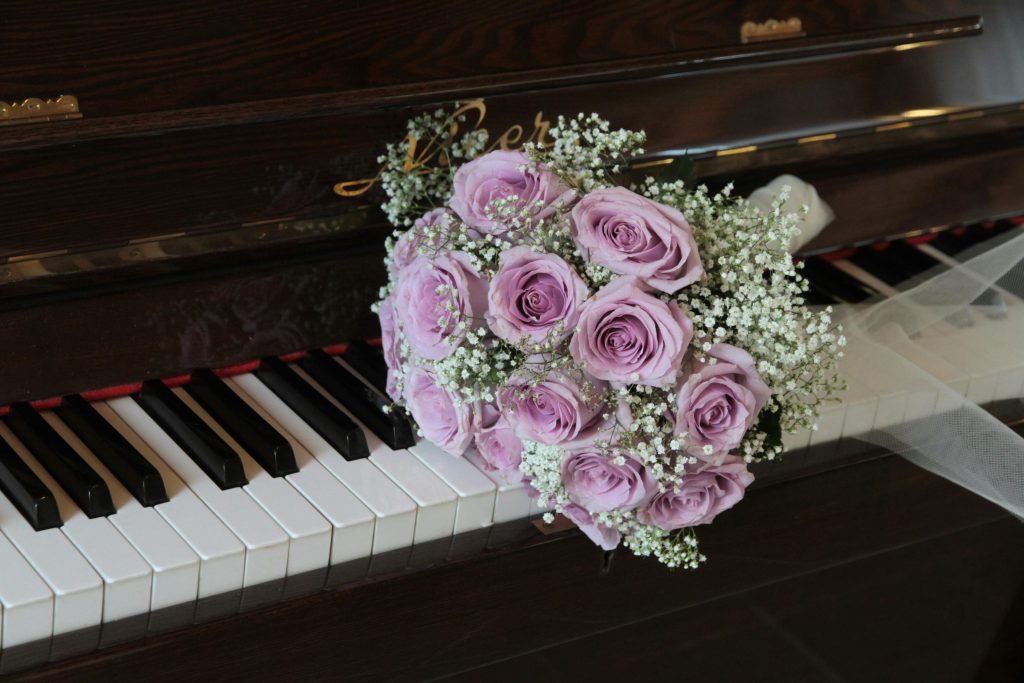
There’s a reason flower gifts have survived every trend, every cultural shift, every period of history. They carry meaning in a way that feels both ancient and immediate.
Red roses for love and passion. Yellow roses for friendship. White lilies for peace and purity. Daffodils for new beginnings. These associations aren’t arbitrary – they’ve built up over generations and feel genuinely embedded in how we understand the world.
When you give someone flowers, you’re not just handing them something nice to look at. You’re sending a message. You’re saying: I thought about you.
I chose this for you specifically. That emotional dimension is what separates a flower gift from something you’ve grabbed off a shelf without much thought.
Flowers also have a lovely universality to them. They don’t require shared language, cultural context, or a particular set of experiences to land.
Their beauty and symbolism translates remarkably well across all sorts of different backgrounds and relationships, which might explain why, after all this time, they remain one of the most instinctively chosen gifts there is.
The Role of Colours in Flower Gifts
Colour psychology is a real thing, and flowers offer one of the most natural ways to put it into practice. Different colours carry different emotional weight, and being thoughtful about which shades you choose can make a bouquet feel far more considered.
- Red flowers: Bold, romantic, and passionate. Red roses or carnations are an obvious choice for expressing deep affection, and they carry that meaning without any need for explanation.
- Yellow flowers: Joyful and warm. A bunch of sunflowers or daffodils is a genuinely lovely way to say you’re thinking of a friend, or simply to bring a bit of brightness into someone’s week.
- White flowers: Clean, calm, and symbolic of new beginnings. White lilies or roses work beautifully for weddings, christenings, or moments of remembrance.
- Pink flowers: Gentle and appreciative. Pink roses or peonies carry a real sense of gratitude and admiration, making them perfect when you want to say thank you and actually mean it.
- Purple flowers: A little regal, quietly impressive. Orchids or lavender suggest respect and admiration – they’re a thoughtful choice when you want to honour someone without making a big fuss about it.
It’s not about following rules, more about being intentional. Choosing colours that reflect how you actually feel about someone adds a layer of meaning that people tend to notice, even if they can’t quite articulate why.
The Surprise Factor: Why We Love Surprises
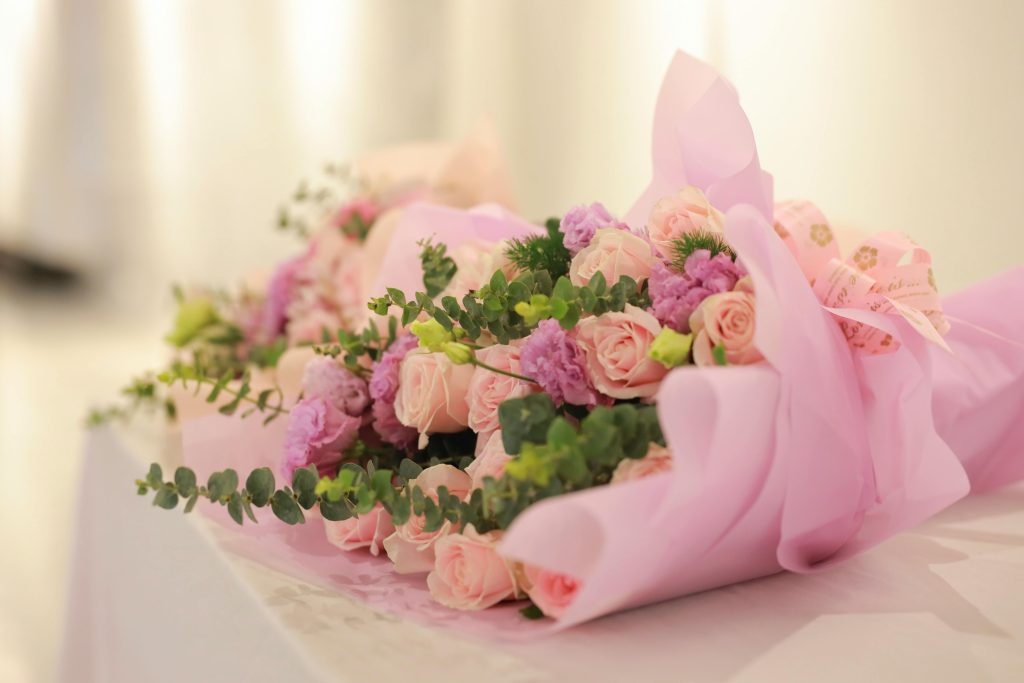
Unexpected flowers are something else entirely. There’s a particular delight in receiving a bouquet when you weren’t anticipating one – no birthday, no anniversary, no obvious occasion. Just someone thinking of you on an ordinary day.
Surprises activate the brain’s reward system and trigger a release of dopamine. That’s the neurological version of the story, anyway. The felt experience of it is simpler: you feel seen.
You feel like you matter to someone enough that they thought of you unprompted.
That’s a genuinely lovely thing to give another person. It doesn’t require an elaborate gesture or a significant spend. It just requires a bit of thoughtfulness and good timing.
This is arguably why flower gifts remain so effective – they carry the possibility of surprise in a way that feels natural and unpretentious.
Flowers and Their Connection to Nature
Most of us are spending increasing amounts of time indoors, staring at screens, disconnected from anything growing or green.
Flowers offer a small but meaningful corrective to that. Bringing them into a home or workspace introduces something living, something that belongs to the outside world.
And research backs up what most people already sense intuitively – being around natural elements, even just a vase of flowers on a kitchen table, has a measurable calming effect.
There’s something grounding about it. Flowers are vivid and intricate and completely indifferent to deadlines. They exist on their own schedule, opening and fading in their own time.
Keeping them nearby is a quiet reminder that not everything runs at the pace of a notification feed. Hospitals, offices, and homes have all leant on flowers for this reason – they soften spaces and make them feel more human.
Flower Gifts for Different Occasions
One of the genuinely practical things about flowers is how adaptable they are. There’s almost no occasion they can’t suit, provided you’ve thought about the choice. Weddings, graduations, bereavements, birthdays, “just because” – flowers fit all of it, without feeling like a cop-out.
At weddings, they carry the weight of symbolism beautifully, marking a beginning and celebrating a commitment. At funerals, they provide comfort and a tangible way to honour someone’s memory.
For birthdays and anniversaries, they’re a way of saying: this moment matters, and so do you. And sometimes, the best flower gift is the one sent for no particular reason, on an unremarkable Wednesday, simply because someone crossed your mind.
Flower gifts work because they operate on several levels at once.
They’re beautiful, they engage the senses, they carry symbolic weight, and they communicate something genuine about the relationship between the person giving and the person receiving. That’s a lot to ask of a bunch of flowers, and yet somehow they consistently deliver.
If you’re stuck on what to give someone, or simply want to do something kind without overcomplicating it, flowers remain one of the most reliably meaningful choices available.
They connect us to nature, to other people, and to feelings we don’t always have the words for. That’s not a bad return on a bouquet.