Okay, real talk, cleaning your hairbrush probably isn’t something you think about. I didn’t either, not for years.
I’d wash my hair, style it, and still wonder why it looked greasy again so quickly. I blamed my shampoo, my products, even my hair type, but the actual problem was sitting right in my bathroom.
Your hairbrush collects everything your hair leaves behind, and if you never clean it, all that buildup goes right back onto freshly washed strands.
Once I started cleaning mine regularly, my hair felt fresher for longer, and the brush itself worked better too.
A few simple steps are all it takes to remove the buildup and keep your brush from working against your hair.
Benefits of Cleaning Hairbrush
A nice shampoo can’t fix a dirty brush. Same shampoo, same routine, yet your hair still looks a little flat. That’s usually your brush’s fault, not your hair.
Keeps Hair Looking Fresh: A clean brush removes less buildup onto your strands, helping freshly washed hair stay lighter and cleaner for longer.
Protects Your Scalp: Regular cleaning removes trapped oils, dead skin cells, and residue that can contribute to irritation or unpleasant odors.
Improves Brush Performance: Removing trapped hair and product buildup helps bristles move smoothly through your hair without unnecessary pulling.
Makes Your Brush Last Longer: Routine cleaning prevents hardened residue from weakening bristles and damaging the brush over time.
None of this is really about vanity. It’s basic hygiene, the same reason you wash your makeup brushes or swap your pillowcase, just one more small habit that quietly protects your hair.
What Happens If You Don’t Clean Your Hairbrush?
Over time, a neglected brush becomes less effective. Hair can snag more easily, styling products may spread unevenly, and your brush may start carrying an unpleasant smell. In severe cases, trapped moisture and residue can encourage bacterial growth.
What You’ll Need to Clean Your Hairbrush
Before you start cleaning your hairbrush, gather these basic supplies. Most items are probably already in your home, making this an easy and affordable task. If your scalp reacts easily to products, the logic behind a gentler cleansing routine for curls applies just as well to the tools you use on your hair.
| CATEGORY | ITEMS | PURPOSE |
|---|---|---|
| Tools | Wide-tooth comb, old toothbrush, scissors | Remove hair, scrub bristles, cut tangles |
| Cleaners | Mild shampoo, baking soda, and white vinegar | Basic cleaning, remove buildup, disinfect |
| Natural Options | Castile soap, apple cider vinegar, tea tree oil | Gentle cleaning for sensitive scalps |
Pick whatever suits your hair and skin. If you’re prone to allergies or just prefer to keep things natural, the gentler options work just as well.
Step-by-Step Guide to Cleaning Your Hairbrush
Cleaning your hairbrush is easier than you might think. Follow these simple steps to get your brush looking and working like new again. The whole process takes about 20 minutes, including soaking time.
Step 1: Remove All the Hair
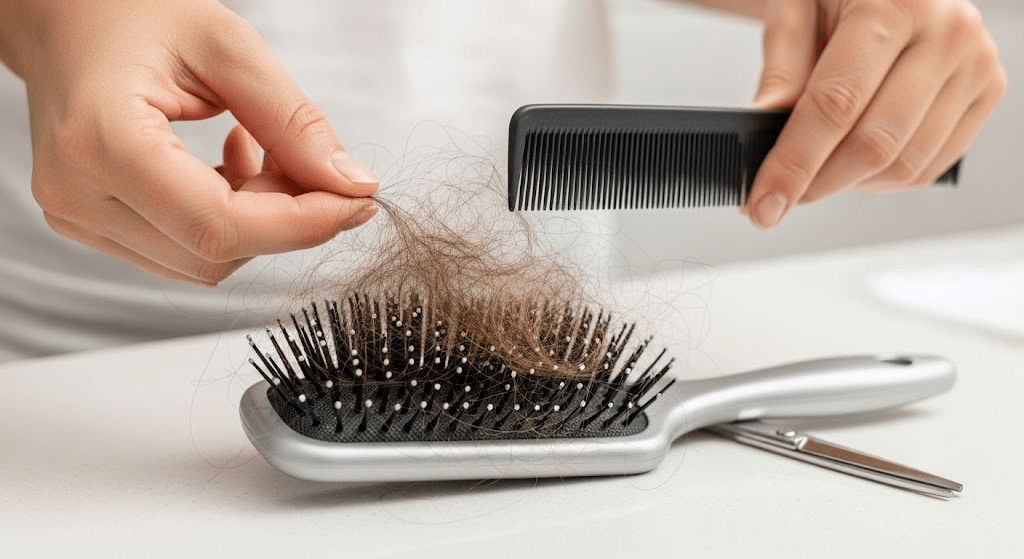
First things first, pull out all the loose hair sitting in your brush. Fingers work fine for most of it; just grab the clumps and lift them out.
For the tangled bits that won’t budge, a wide-tooth comb usually does the trick. If a chunk is really stuck in there, don’t fight it; just snip it with small scissors.
Get every last strand out before moving on, or you’ll be fishing hair out of soapy water later, which is not fun. This is also where leftover styling residue tends to hide, packed in tight around the base of the bristles.
Step 2: Prepare Your Cleaning Solution
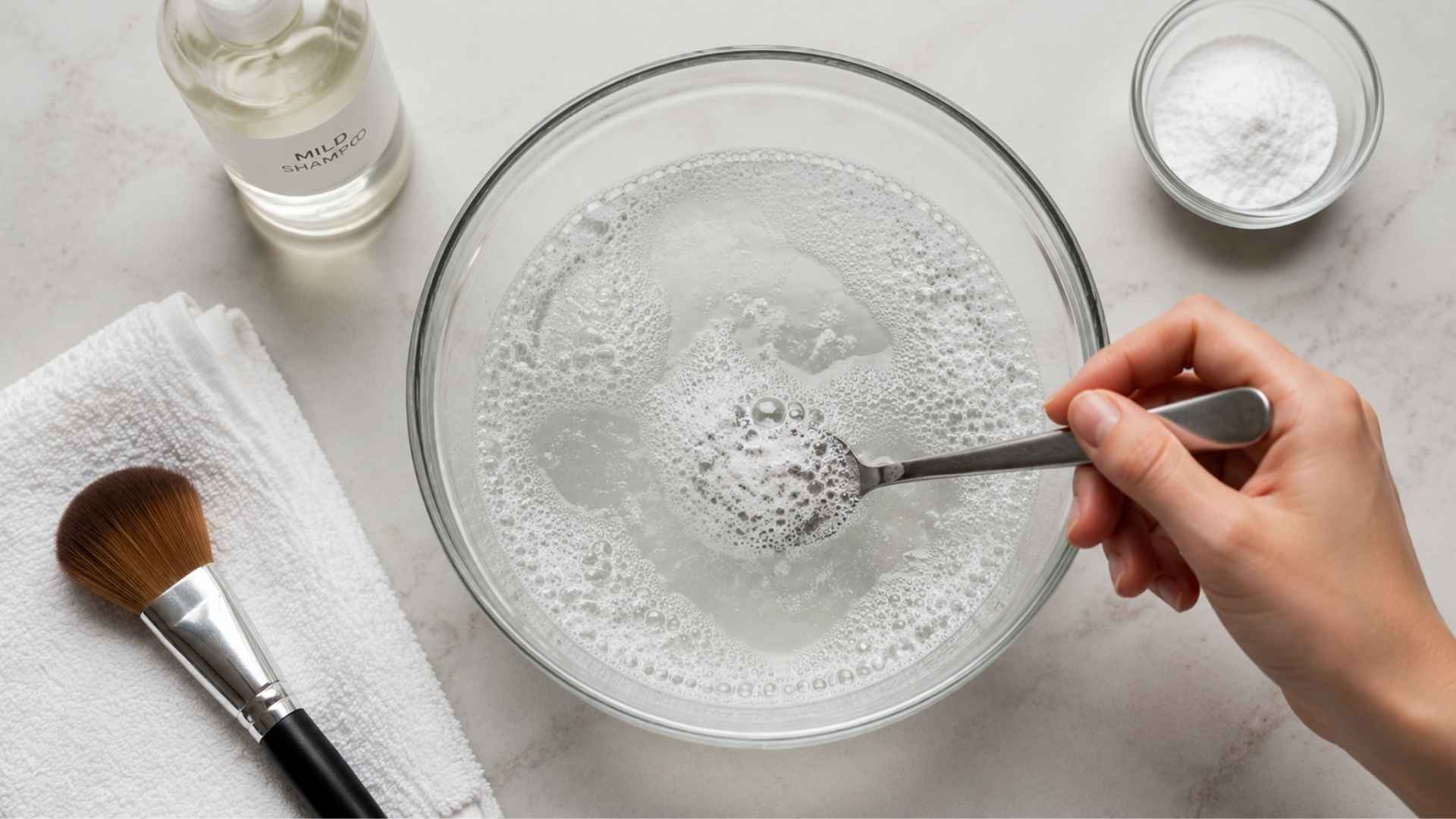
Fill a bowl with warm, not hot, water; you’re not trying to poach an egg. Add a few drops of mild shampoo or a tablespoon of baking soda.
Give it a stir until it’s sudsy or the baking soda’s dissolved. This is your cleaning solution, and it’ll break oil and gunk without wrecking your bristles.
Step 3: Soak Your Hairbrush
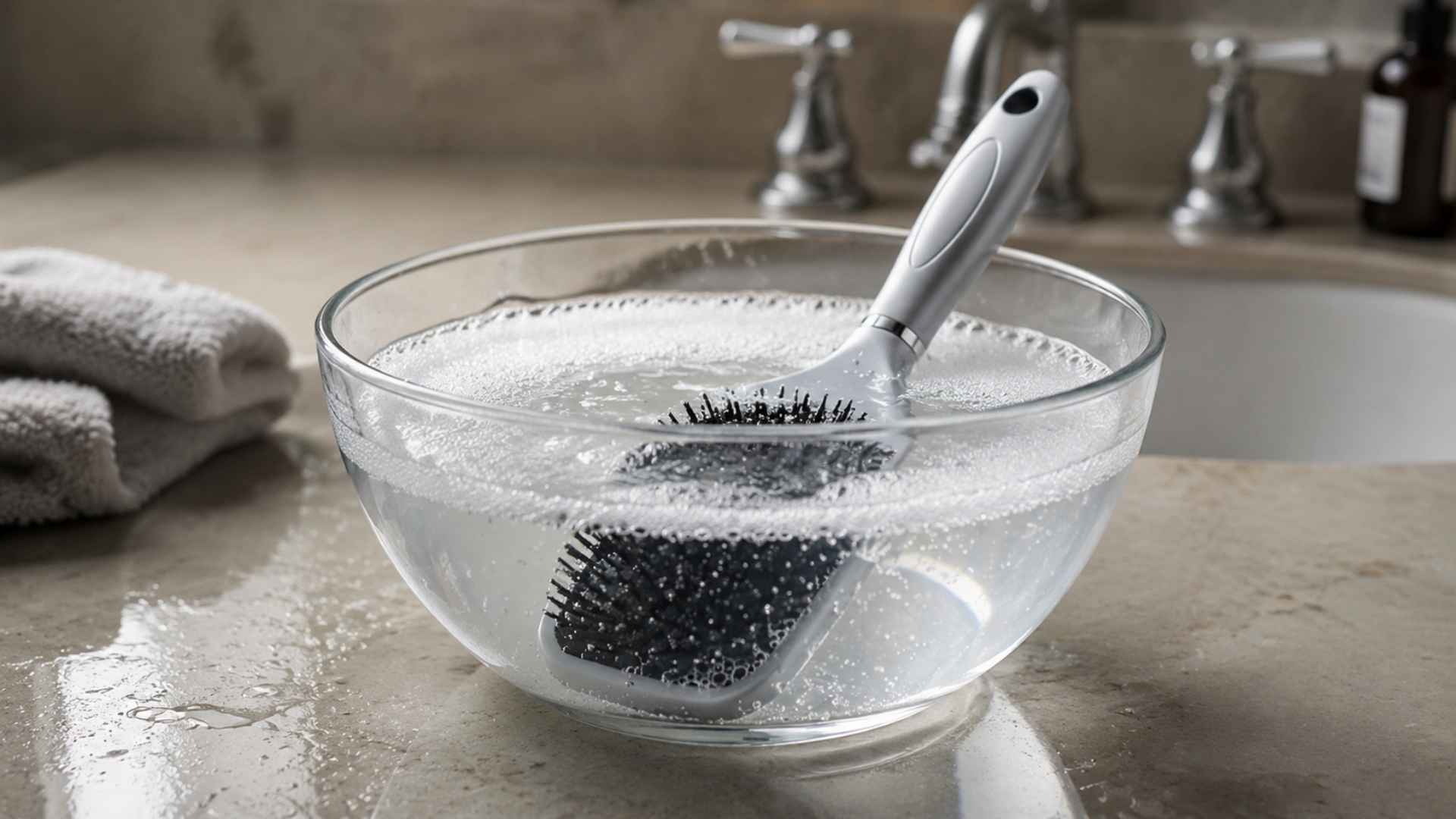
If your brush is plastic or synthetic, drop it fully into the solution and let it sit for 10 to 15 minutes. Go make tea, scroll your phone, whatever; just let it do its thing.
Wooden brush or real boar bristles? Don’t dunk the whole thing. Just dip the bristles in briefly. Water and wood do not get along, so a full soak is how you end up with cracks later.
Step 4: Scrub Away the Residue
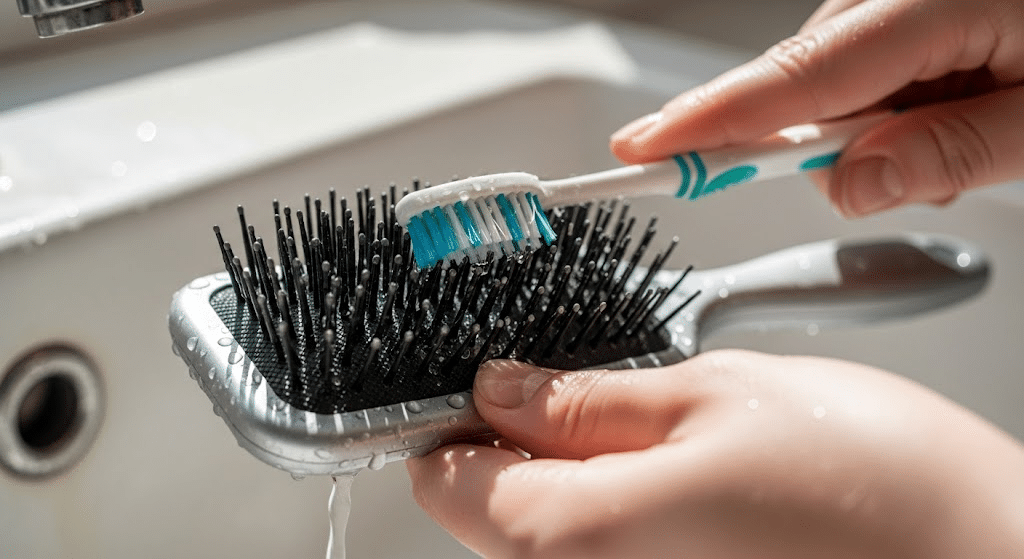
Grab an old toothbrush (please, not your current one) and scrub between the bristles, especially the base; that’s where all the grime hides.
A clean comb works for the tight spots too. Go in a few different directions, so you’re not missing anything. You want it gone-gone, not just surface-clean.
Step 5: Rinse and Air Dry
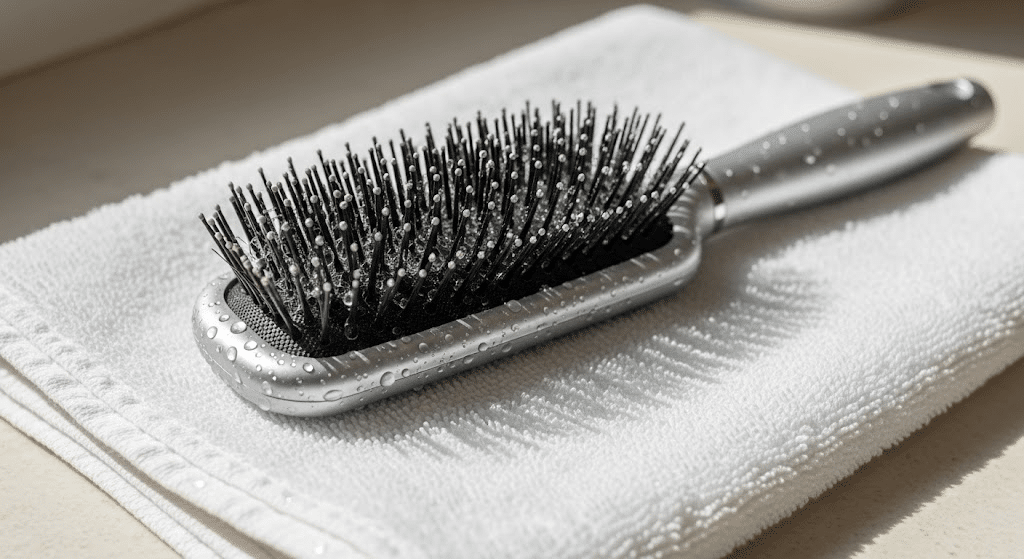
Rinse under lukewarm water until every trace of soap is out. If it feels even slightly slippery, keep going.
Shake off the extra water, then lay the brush bristles-down on a towel. This part matters more than people think; drying it upright traps water in the base, and that’s how you get mold. Bristles-down, always.
What Is That Gray Fuzz on Your Hairbrush?
Not gonna lie, this part grosses me out every time, but you deserve to know what it is. That soft gray fuzz at the base of your bristles isn’t mold. It’s just dust, dead skin cells, and dried product that’s built up over time.
Hair sheds every day; that’s normal. The American Academy of Dermatology notes losing 50 to 100 hairs daily is typical, and a good chunk of that ends up trapped in your brush along with everything else it collects. That’s the gray fuzz, and no, it doesn’t mean anything’s wrong with your hair.
A wide-tooth comb or the pointed end of a rat-tail comb sweeps it right out before you get to the soapy water step.
Mistakes to Avoid When Cleaning Your Hairbrush
Many people make simple mistakes when cleaning their hairbrushes that can damage the bristles or reduce the brush’s lifespan. Avoiding these common errors will keep your brush in great condition for years.
- Don’t soak wooden brushes; water can crack the wood
- Avoid harsh cleaners like bleach or dish soap
- Don’t skip regular cleaning; the buildup gets harder to remove
- Never dry bristles; water collects and causes mold
- Avoid hot water; it can melt synthetic bristles
Remember these simple tips and your hairbrush will stay clean, effective, and last much longer. Taking a few extra minutes to clean properly is always worth the effort.
How Often Should You Clean Your Hairbrush?
Pull out trapped hair every few days. Deep clean weekly if you use gel, cream, or hairspray often, every two to three weeks if you don’t, and monthly at the very latest. Brush looking dull or smelling off? It’s an easy habit to fold into a regular haircare routine, right alongside washing and conditioning.
Tips & Tricks from the Community for Cleaner Brushes
Real people share their favorite methods for keeping hairbrushes spotless. These tried-and-tested tips from online communities might give you some new ideas to try.
“I soak the combs and brushes in water mixed with baking soda. Then I use a toothbrush for thorough cleaning. I found this method cleaned the brushes really well and kept them fresh.” Indus Ladies
“Soak overnight in a cup of warm water and a little shampoo. Next day use a toothpick to clear hair from it then rinse.” Reddit
“Remove hair from the brush first, then soak it in warm water with a bit of shampoo or dish soap for 10–15 minutes. Use an old toothbrush to scrub away buildup, rinse well, and air dry with bristles down. This keeps brushes clean from dirt, oil, and product residue.” Quora
These community tips show that there are many effective ways to clean your hairbrush. Try different methods to find what works best for your brush type and cleaning routine.
When to Replace Your Hairbrush Instead of Cleaning
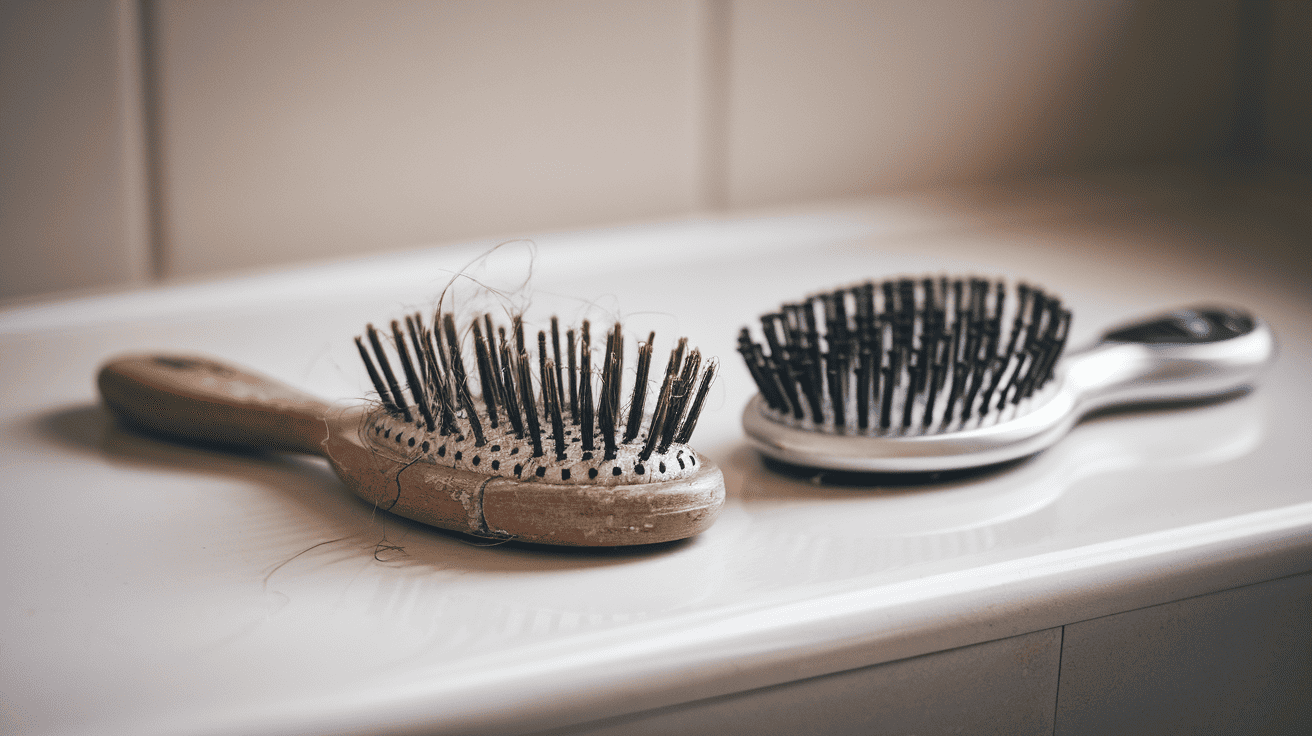
Sometimes cleaning isn’t enough, and you need to replace your hairbrush completely.
Look for signs like broken or bent bristles, cracks in the handle, or a base that’s falling apart. If your brush still smells bad after deep cleaning, bacteria may be growing inside where you can’t reach.
Old, damaged brushes can actually hurt your hair by causing breakage, tangles, and scalp irritation. When buying a new brush, choose one that matches your hair type – wide-tooth combs for curly hair, boar bristles for fine hair, and paddle brushes for thick, straight hair.
A good quality brush should last you several years with proper care.
That’s a Wrap
So that’s the full rundown on how to clean a hairbrush; no more excuses. Regular cleaning keeps your hair looking its best and stretches your brush’s life for years, and once it’s part of your routine, it barely feels like a chore.
Remember to remove hair after each use, deep clean weekly if you’re a daily brush user, and replace your brush when it shows signs of damage. Simple soap and water works just as well as natural cleaning solutions. Staying consistent is what actually matters.
I clean mine every Sunday now, right along with my skincare reset. A clean brush means healthier hair, and it takes way less effort than you’d think.
What’s your favorite method for cleaning hairbrushes? Share your tips in the comments below!
People Also Ask
Can I Use Vinegar to Clean My Hairbrush?
Yes. A splash of white vinegar or apple cider vinegar in your soapy water helps cut through product buildup and works as a mild natural disinfectant. Rinse well afterward so no vinegar smell lingers on the bristles.
Is It Okay to Clean a Hairbrush with Dish Soap?
Dish soap works fine on plastic and synthetic-bristle brushes because it’s effective at cutting through oil. Skip it on wooden or natural-bristle brushes, since it can dry them out faster than a mild shampoo would.
Can I Put My Hairbrush in The Dishwasher or Washing Machine?
No. Dishwashers and washing machines use water that’s too hot for most bristles and can warp handles or melt synthetic bristles. Hand-cleaning with warm water stays safer for the brush.
How Long Does a Soaked Hairbrush Take to Dry?
Most brushes air dry within a few hours when left bristles-down on a towel. For a fully dry base, give it closer to a full day before using it again.