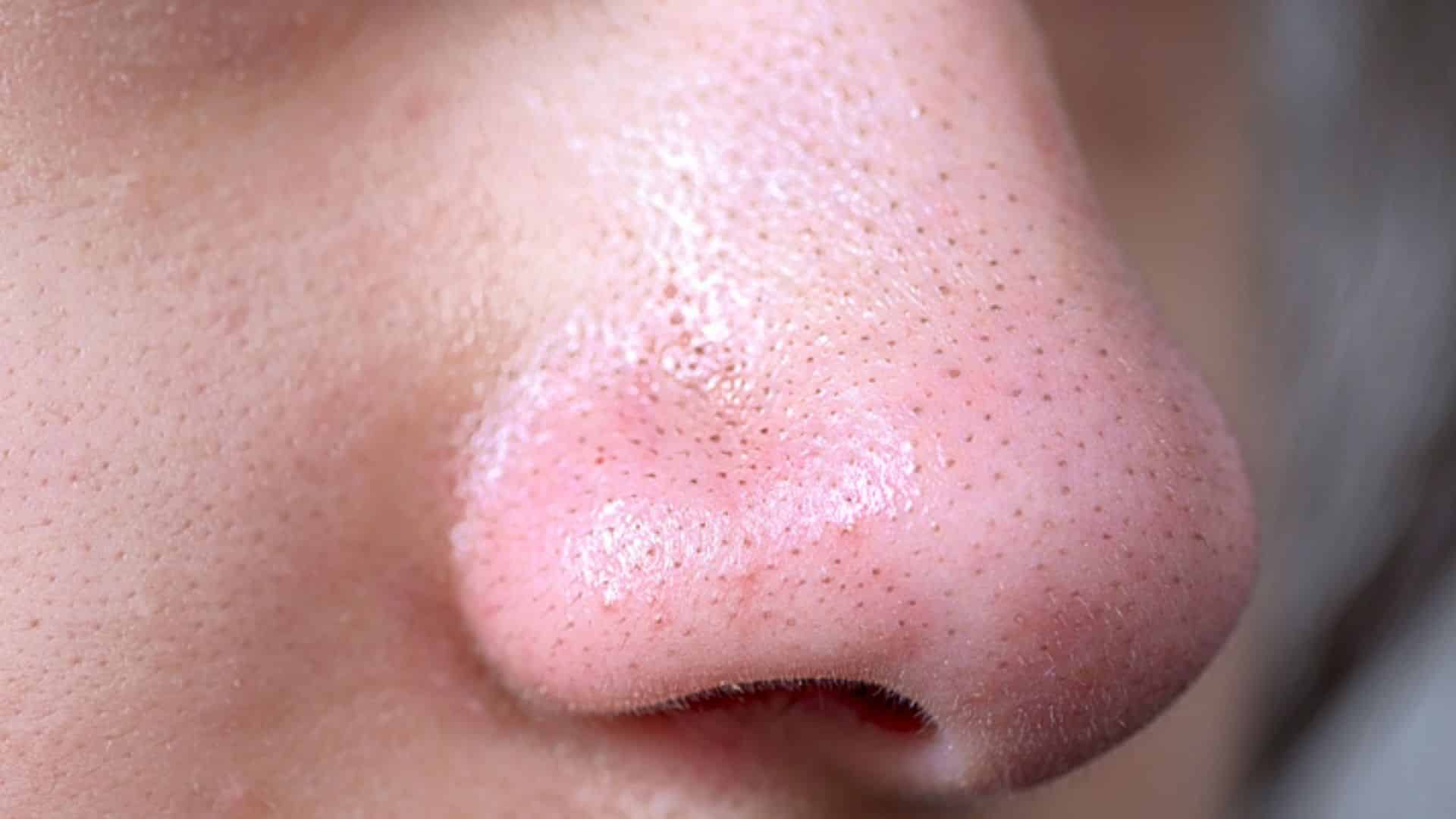
You wake up, look in the mirror, and your skin looks tired, dull, uneven, maybe a few dark spots that weren’t there last year. Sound familiar?
Most people dealing with these concerns end up cycling through product after product, never quite sure what’s actually working. What if one ingredient could address most of it at once?
That’s exactly where vitamin C comes in. Whether your concern is fading dark spots, smoothing fine lines, fighting dullness, or protecting against daily sun damage, vitamin C has clinical research behind every single one of those claims. It’s not hype.
It’s one of the most studied skincare actives available, and dermatologists recommend it for good reason.
What Is Vitamin C?
Vitamin C, or ascorbic acid, is an essential water-soluble nutrient required for tissue repair, collagen formation, and immune system function. Because the human body cannot produce or store it, daily intake via foods like citrus, peppers, and broccoli is crucial to prevent deficiencies like scurvy and provide antioxidant protection.
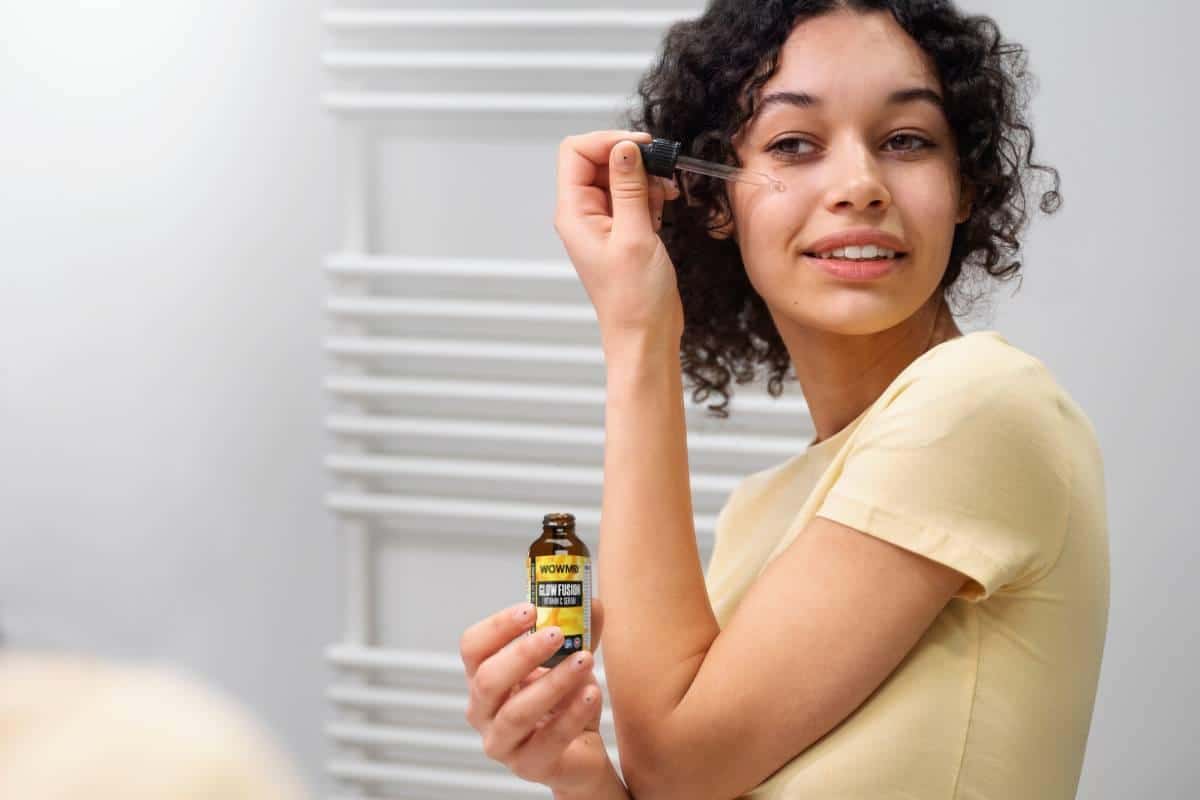
Nowadays, Vitamin C serums such as WOWMD Glow Fusion Vitamin C Serum are quite popular in the beauty industry, a potent antioxidant skincare staple used in the morning to brighten skin, stimulate collagen, and provide a protective shield against UV rays and pollution
How Vitamin C Works on the Skin
Your skin is constantly exposed to UV rays and pollution, as well as metabolic byproducts. These generate free radicals, unstable molecules that break down collagen and speed up aging. Before irreversible damage occurs, vitamin C neutralizes them.
Vitamin C is required by the skin fibroblasts to produce collagen and to maintain the collagen-elastin ratio in the dermis. To top it all off, it suppresses tyrosinase, the enzyme that helps to stimulate excess melanin production.
Key Benefits of Vitamin C in Skincare
Brighter Skin Tone
Vitamin C reduces melanin. A PubMed study reveals that the majority of people applying topical vitamin C experience improvement in their dark spots with very little irritation or side effects.
Anti-Aging Support
Vitamin C formulation for at least three months improves the appearance of fine and coarse wrinkles of the face and neck, as well as overall skin texture.
Sun Damage Defense
Vitamin C doesn’t replace sunscreen, but it enhances your protection. Combining vitamin C with ferulic acid and vitamin E can reduce redness and help protect the skin from long-term UV-induced damage.
Acne and inflammation
Topical Vitamin C is an effective, antioxidant-rich treatment for acne and associated inflammation, reducing red, swollen breakouts and treating post-acne dark spots (hyperpigmentation).
Wound healing
It supports all phases of healing, from the initial inflammatory response to the proliferation of fibroblasts, with deficiencies resulting in poor healing, weak scars, and fragile skin.
Anti-Aging
Reduces the appearance of fine lines by both stimulating collagen and protecting against photoaging. L-ascorbic acid at 10–20% concentration is the gold standard form.
Anti-Inflammatory
Helps calm redness, rosacea flares, and general skin irritation by suppressing pro-inflammatory cytokines.
How to Use Vitamin C in Your Skincare Routine
Apply it in the morning. As an antioxidant, it primes your skin to fight oxidative stress throughout the day. Application of vitamin C prior to sunscreen in the morning is most advantageous. Order of application:
Cleanser → Vitamin C Serum → Moisturizer → Sunscreen
Apply to dry skin to reduce the risk of irritation.
Results take time. Stick with consistent daily use for at least six to eight weeks before judging effectiveness.
Possible Side Effects and Precautions
Vitamin C has a strong safety record, but a few things to keep in mind:
- L-ascorbic acid has a low pH and can cause temporary stinging on sensitive skin; this often settles with continued use.
- If your serum turns orange or brown, it has oxidized. Replace it and store future products in a cool, dark spot.
- Avoid combining high-strength vitamin C with AHAs, BHAs, or retinoids in the same application. Use them at different times of day.
- Common when first introducing vitamin C, particularly at concentrations above 15%. Usually settles within 1–2 weeks as skin adjusts. If redness persists, drop to a lower concentration or reduce frequency.
- A small percentage of people are genuinely allergic to ascorbic acid or other formula ingredients. Signs include persistent redness, swelling, itching, or hives. Discontinue use immediately and consult a dermatologist.
Vitamin C vs. Other Skincare Ingredients
- Vitamin C and Retinol can be used in combination: Vitamin C in the morning and Retinol at night to prevent and repair photodamaged skin. They complement each other rather than compete.
- Against Niacinamide: The concern that they cancel each other out is largely overstated at typical skincare concentrations. If you have reactive skin, just use them at different times.
- Against AHAs/BHAs: Exfoliants resurface the skin while vitamin C protects and brightens. Use both — just not at the same time.
- With Hyaluronic Acid: One of the safest combinations in skincare. Hyaluronic acid draws moisture into the skin while vitamin C works on the surface, layering them together improves absorption and leaves skin more plump and even-toned.
- With Peptides: Generally compatible, but avoid mixing them in the same step if your vitamin C formula is very low pH. Acidic environments can break down certain peptides before they have a chance to work. Apply vitamin C first, wait for it to absorb, then follow with peptides.
Tips for Choosing the Right Vitamin C Product
- Look for a Vitamin C Serum between 10–15% — below 8% is too weak to make a real difference, above 20% increases irritation risk without added benefit.
- The most effective formulas pair vitamin C with 1% vitamin E and 0.5% ferulic acid; this combination improves stability and doubles photoprotection, according to Consumer Health Digest.
- If your serum has turned orange or brown, it’s already oxidized — toss it and start fresh.
- Choose airless pumps or dark amber/opaque bottles. Clear glass dropper bottles expose the formula to light and air every time you open them, speeding up oxidation.
- L-ascorbic acid works best at a pH of 2.5–3.5. A formula outside this range, even at the right percentage, won’t absorb or function properly.
Is Vitamin C Worth Adding to Your Routine?
Is a vitamin C serum a worthwhile investment if you are concerned about uneven and aging skin?
Yes, indeed! By fading pigmentation, enhancing skin firmness, illuminating the complexion, and protecting the skin against daily damage, vitamin C packs years of anti-aging benefits in one potent ingredient.
In addition to the well-documented effectiveness of vitamin C to achieve all the above, hardly any other skincare ingredient can be mentioned here. Starting with a 10-15% vitamin C serum applied daily in the morning and layering sunscreen over it is my recommendation.
Consistent use of the right formula is one of the simplest, most effective upgrades you can make for your skin.