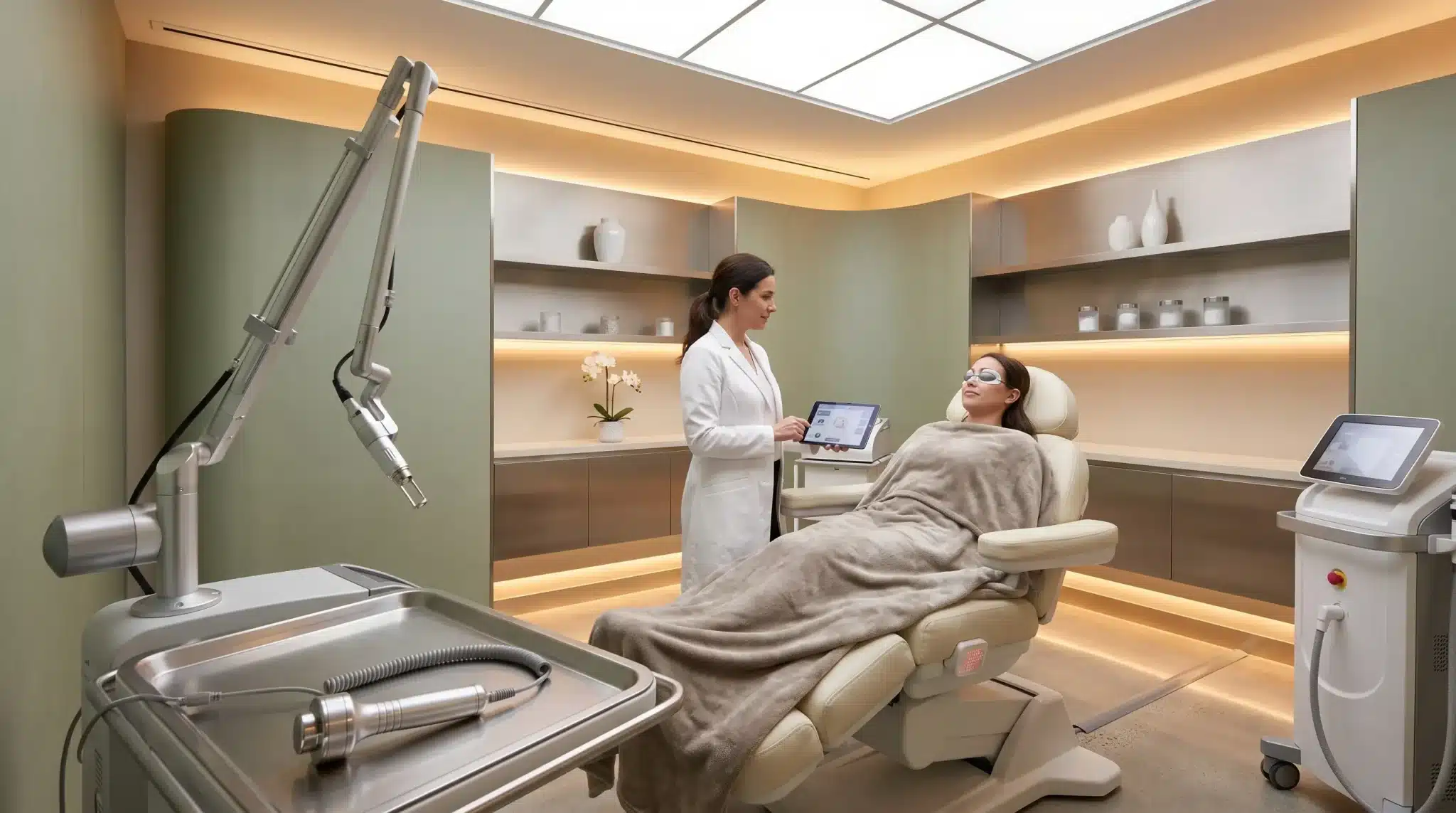
A modern medical spa occupies a middle ground between a traditional spa and a physician-led office. That position has widened the menu far beyond cleansing, exfoliation, and moisturizing. Many clients now seek help for pigment change, lax tissue, acne scarring, unwanted hair, body contour, and thinning hair. Those concerns rarely exist in isolation. Sun exposure, hormonal shifts, inflammation, sleep quality, and weight change often shape what appears on the skin.
Beyond the Facial
That broader scope appears clearly in current treatment menus. Practices such as Amason Aesthetics may place injectables, laser procedures, body contouring, scalp care, and medical weight support beside facials. Such variety reflects a practical clinical model. One consultation can review several concerns, compare recovery time, and align options with skin type, budget, and daily routine. Care now centers on linked goals, rather than one surface issue alone.
Injectables With Precision
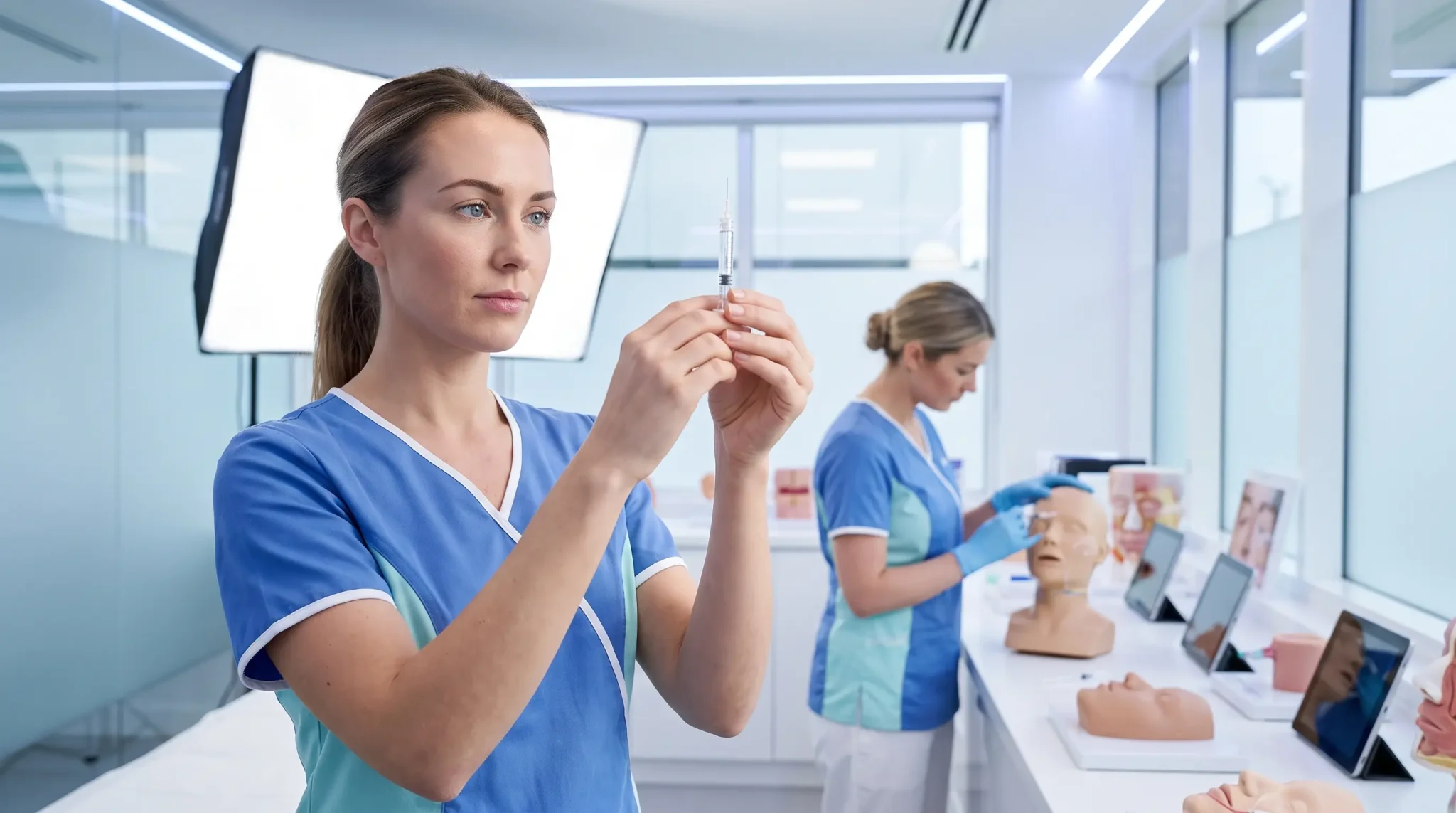
Injectables now serve far more than a simple wrinkle discussion. Neuromodulators can soften repeated muscle contraction across the forehead, between the brows, and beside the eyes. Dermal fillers address volume loss, lip contour, chin projection, and cheek support. Safe use depends on anatomy, movement patterns, and product selection. Experienced clinicians study facial balance first because dose and placement shape expression, symmetry, and lift as much as line reduction.
Devices That Resurface
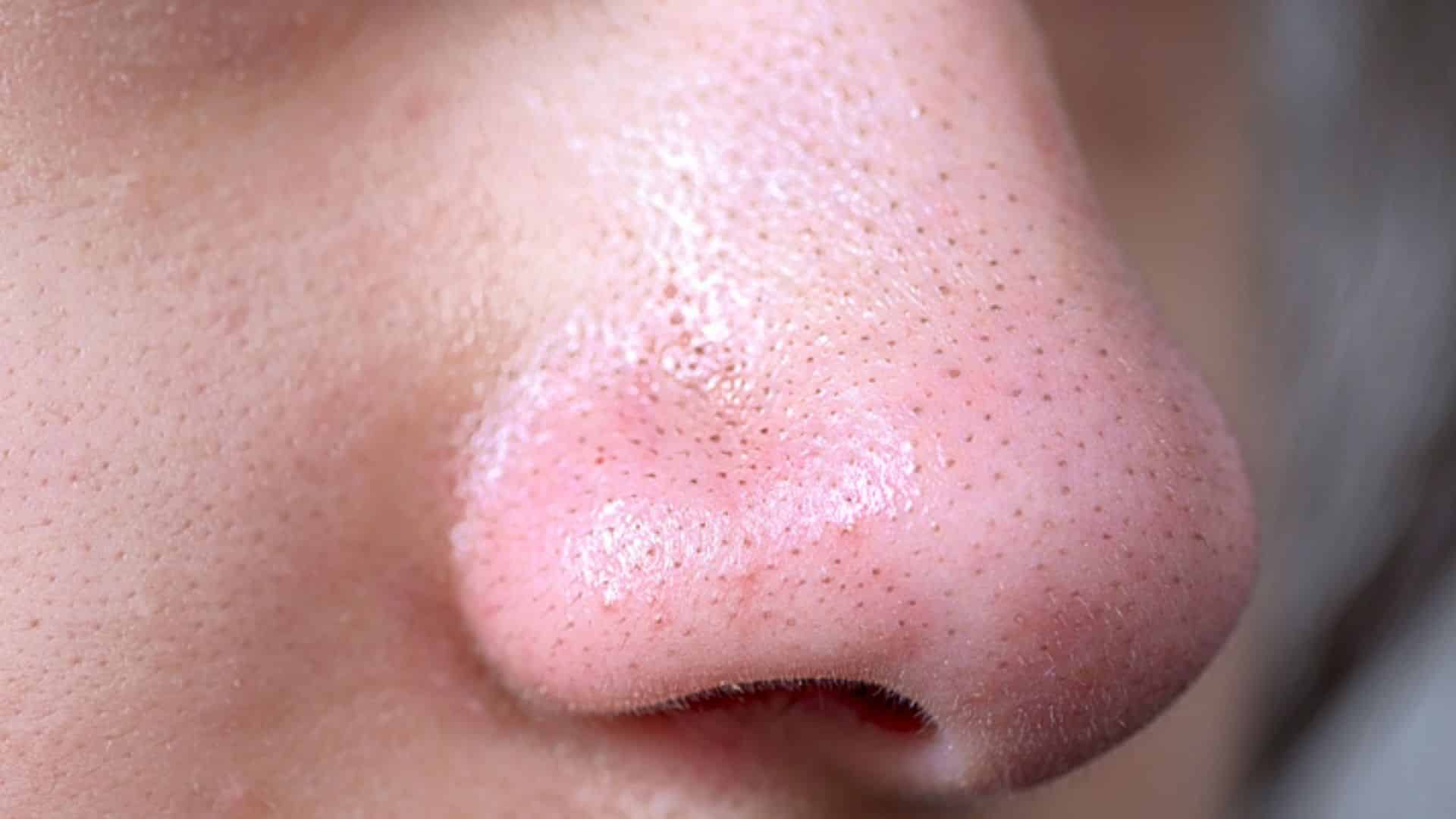
Energy-based treatments address problems that a standard facial cannot reach. Radiofrequency microneedling, resurfacing lasers, and broad-spectrum light systems can improve rough texture, enlarged pores, acne scars, redness, and early laxity. Each device works at a different depth within the skin. Some trigger collagen remodeling. Others target excess pigment or visible vessels. Choosing correctly matters because skin tone, healing capacity, and prior sun damage all influence safety and final appearance.
Hair Removal and Tone

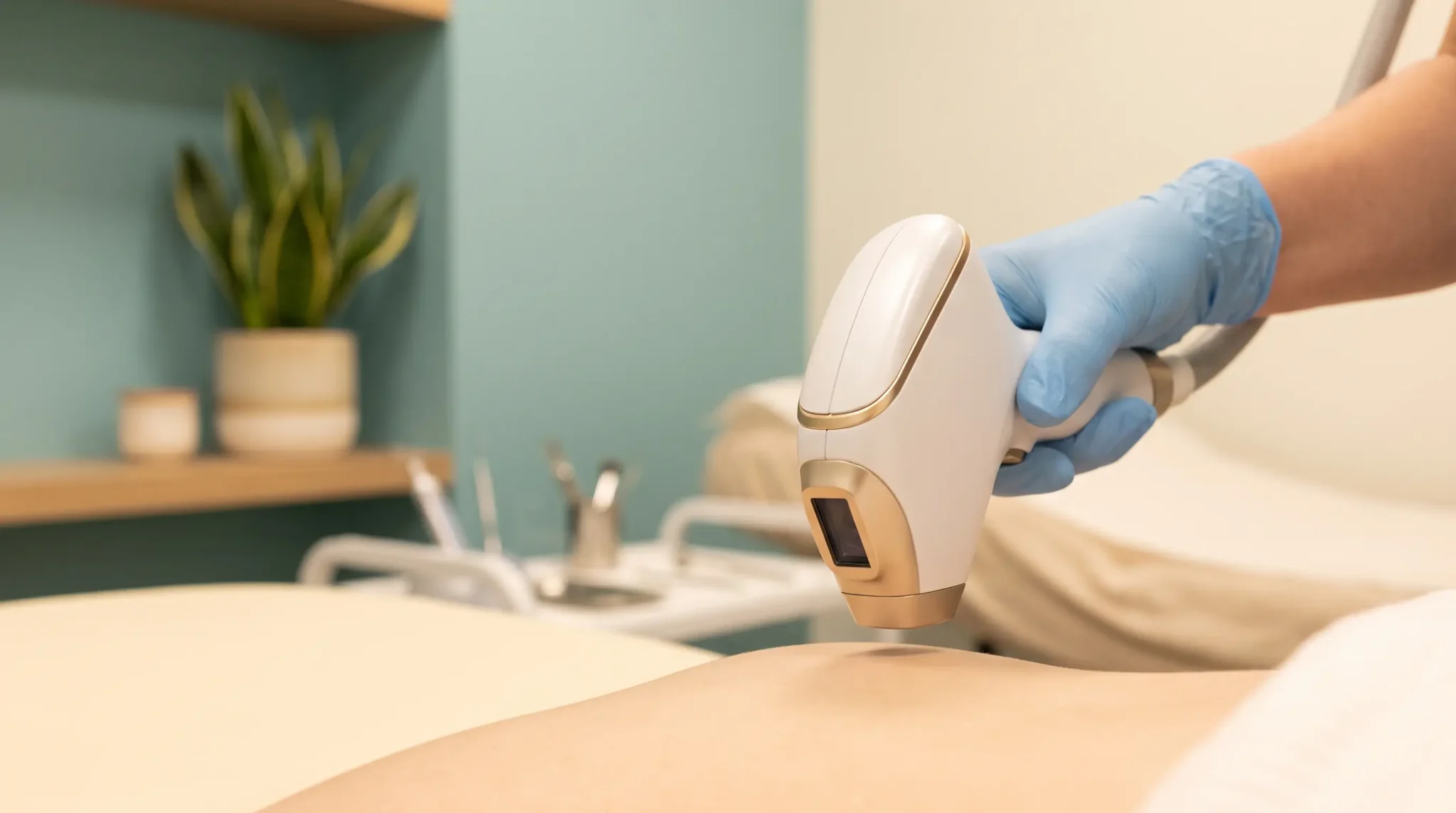
Laser hair removal treats a separate concern from skincare, but often belongs in the same plan. The light targets follicles during active growth, which lowers future regrowth over time. Similar platforms can also reduce diffuse redness, broken capillaries, and brown spots caused by ultraviolet exposure. That dual role helps people dealing with razor bumps, uneven tone, or visible vessels. Clinical screening remains important because hair color and skin depth affect response.
Body Services Matter Too
Modern medical spas also care for areas below the face and neck. Body-contouring platforms may reduce stubborn fullness, tighten loose skin, and improve crepey texture after pregnancy or weight change. Certain offices add muscle-stimulating treatments or selected injectables for contour refinement. These visits matter because many people judge progress by fit, posture, and skin smoothness. A broader plan can support confidence where topical products have limited reach or effect.
Wellness in the Same Setting
Some medical spas now include hormone evaluation, nutrition counseling, or physician-supervised weight treatment. That expansion reflects how internal physiology affects outward appearance. Insulin resistance, sleep disruption, chronic stress, and sex hormone shifts can influence acne activity, hair shedding, pigmentation, and fat distribution. Addressing those drivers may more reliably improve visible concerns than topical care alone. For appropriate patients, laboratory review and follow-up visits create a clearer path for steady maintenance.
Hair and Skin Renewal
Hair restoration has become another major service category. Clinics may offer microneedling for the scalp, growth-factor injections, or light-based support to encourage stronger follicle activity. Traditional skin treatments still hold value. Hydrating facials, dermaplaning, and collagen-focused procedures can improve comfort, texture, and brightness. The key difference lies in context. These appointments work best within a documented plan that considers timing, healing, and the patient’s broader clinical picture.
Follow-Up Creates Results
Results rarely depend on a single visit. After lasers, microneedling, or injectables, tissue response unfolds in stages over days or weeks. Strong practices track healing, review photographs, and adjust timing before the next step. That monitoring reduces guesswork and helps catch early warning signs, including prolonged swelling, post-inflammatory pigment change, or limited response. Ongoing review also protects the patient experience, because expectations stay grounded in physiology rather than short-term enthusiasm.
Conclusion
A strong medical spa now offers much more than a polished skincare menu. It may address muscle-driven lines, volume loss, acne scars, unwanted hair, body contour, scalp thinning, and internal factors that influence appearance. That wider model matters because visible concerns often share biological roots. With proper assessment, treatment selection, and follow-up, patients receive a more coherent plan. That integrated approach defines the modern medical spa far better than facials alone.