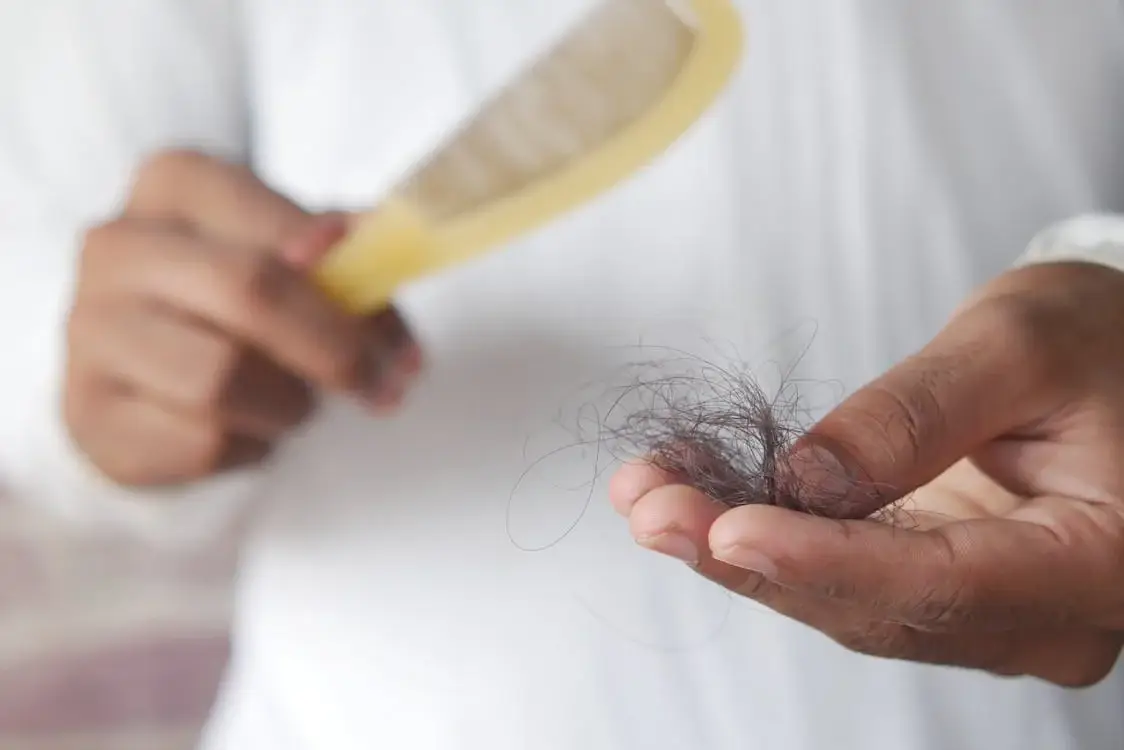
Has the amount of hair in your brush, shower drain, or on your pillow increased lately? If so, you are far from the only one. Almost 40% of women will experience fair amounts of visible hair thinning before they hit 50, and millions of men notice their hair starting to thin even sooner!
Fortunately, most cases of thinning hair don’t require costly treatments. You can develop healthy habits at home to minimize shedding, strengthen weak strands, and promote healthier hair growth. Here are tips for treating thinning hair at home.
Know When to Seek Professional Assistance
Thinning hair can be treated with simple home remedies and by making lifestyle modifications. However, in certain instances, professional assistance is required. Certain medications are sometimes necessary after determining the cause of the hair loss.
Consultation with a dermatologist is a good first step to identify whether hormonal imbalances or thyroid problems are present. They may test for an iron deficiency or an autoimmune condition such as alopecia. Your dermatologist may prescribe medications to treat the identified condition.
Prescription hair-loss medications can be costly, but patients can save money by comparing prices and verifying medication legitimacy through a certified online Canadian pharmacy. Patients get access to regulated medications while keeping their expenses in check.
Find Out If You Are Experiencing Shedding or Breakage
The mistake most people make while experiencing hair loss is treating everything the same way. Shedding and breaking can appear identical, but they usually arise from various issues.
Shedding occurs when hair falls from its root as part of the growth cycle, but in larger amounts than usual. You might notice full-length hair strands in the shower or on brushes, often with a white bulb at the tip. Shedding may happen due to the following reasons:
- Stress
- Illness
- Hormonal changes
- Rapid weight loss
- Nutrient deficiency
Usually, you can resolve the reason for shedding and get your hair to grow back properly.
Hair breakage occurs when the hair shaft breaks before reaching its full length, resulting in lost length. Signs of breakage include frizziness, uneven ends, and thinner areas around the edges compared to the rest of the hair.
The most significant causes of breakage are frequent heat styling, bleaching hair, using chemicals on hair, being too rough in brushing the hair, or hairstyles that are too tight.
Improve Your Diet and Reduce Stress
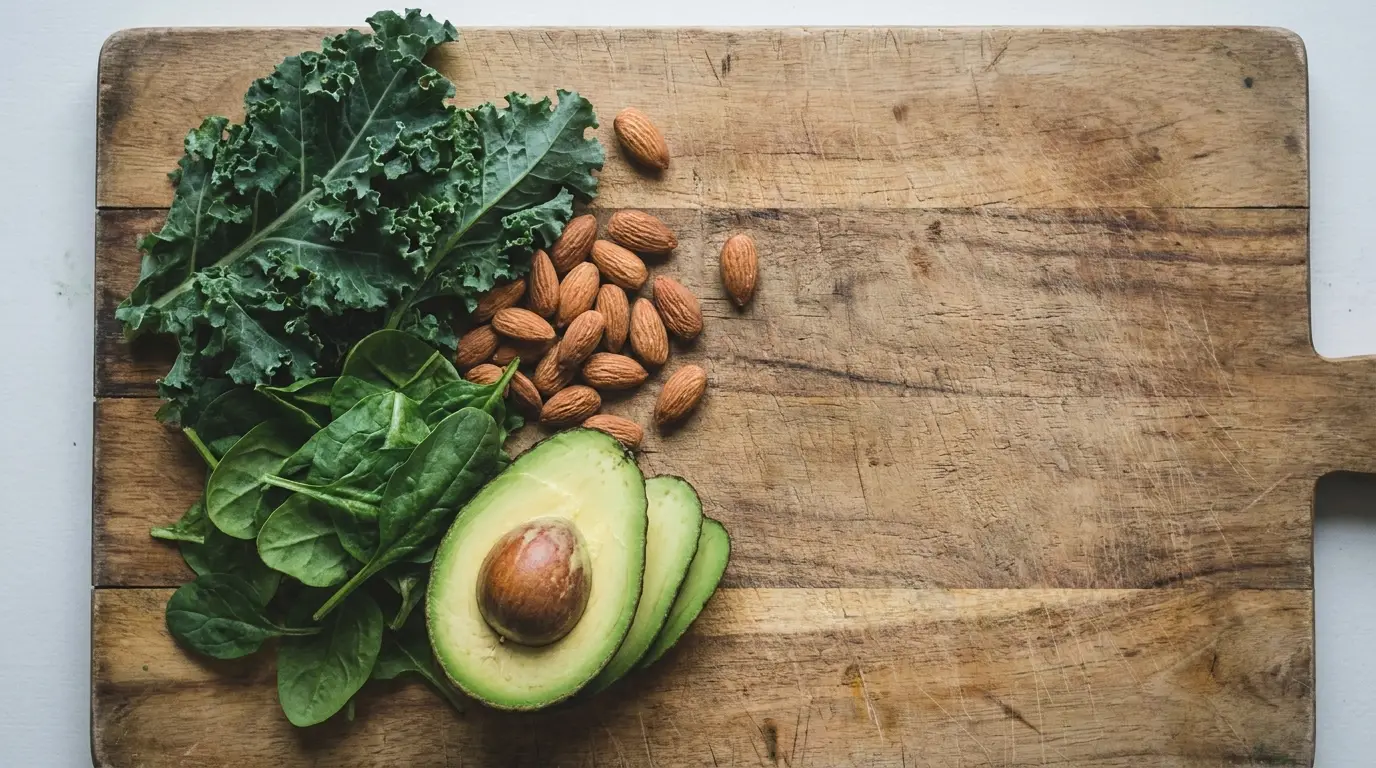
A well-balanced diet rich in protein, iron, zinc, vitamin D, omega-3 fatty acids, and healthy fats improve the health of your hair growth. Focus on nutrient-dense meals with lean proteins, vegetables, legumes, fruits, nuts, and seeds instead of trendy supplements for quick results.
It is also important to manage your stress levels, as chronic stress can impact the hair cycle and increase hair loss. Getting adequate sleep, regularly exercising, spending time outside, and reducing emotional burnout will all support the recovery of your hair.
Avoid High-Tension Hairstyles
Thinning hair can be worsened by certain styling habits, including tight ponytails, heavy extensions, and braids that stress the scalp. While high tension styles may appear polished, the tension can weaken hair follicles over time.
Choosing low-tension hairstyles can greatly reduce tension on the scalp and eventually lead to thicker hair. Loose braids, soft scrunchies, claw clips, and more relaxed natural hairstyles promote healthy hair growth.
Take Care of Your Scalp Barrier
Healthy hair grows from healthy scalps. If your scalp is irritated and inflamed, dry, or has clogged hair follicles, it can become difficult for the hair follicles to function properly. Many people only look at their hair when they should pay just as much attention to their scalps.
Using harsh shampoos too frequently can cause your scalp to lose its natural moisture, which can lead to irritation. If you have thinning hair, you will struggle with hair growth.
Excessive build-up of products in the scalp can create an unhealthy environment for hair follicles. Products like oil, dry shampoo, heavy creams, and styling products can build up and eventually damage your hair. A good, balanced scalp-care routine is necessary.
Consistency Matters More Than Perfection
Treating thinning hair successfully isn’t usually about one miracle treatment. Most people see the most significant improvements when they consistently practice healthy habits.
The rate of natural hair growth can be slow, so patience is very important. Even small daily changes often cause lasting change more than a quick solution.