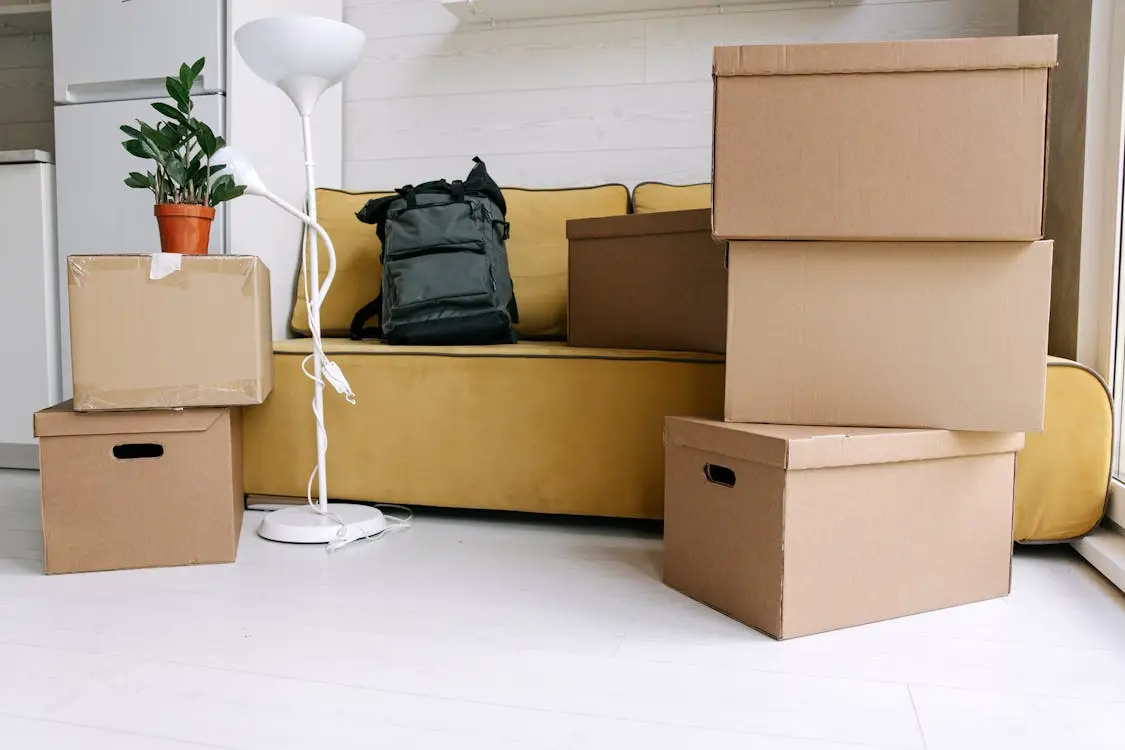
Moving to a new home sounds exciting at first. A fresh start, a different neighborhood, maybe more space, or a better location. But once the packing begins, the reality of the process usually feels much more stressful than people expect. Boxes pile up quickly, schedules change, paperwork gets misplaced, and small tasks start turning into long checklists that seem impossible to finish.
This is especially common in fast-growing cities like Dallas, where residential moves happen year-round because of job changes, expanding neighborhoods, and competitive housing markets. Families often juggle work schedules, school responsibilities, lease deadlines, and moving appointments all at the same time. Without a plan, the process can become chaotic very quickly.
One of the biggest mistakes people make during a move is assuming organization only matters on moving day itself. In reality, staying organized starts weeks before the first box is packed. It involves planning timelines, reducing clutter, managing important documents, and creating systems that make unpacking easier later.
The good news is that residential moves become much more manageable when homeowners approach them step by step instead of trying to handle everything at once. A little preparation early can prevent a lot of stress later.
Choosing the Right Moving Help Early Makes a Big Difference
One of the smartest decisions homeowners can make during a move is arranging professional help as early as possible. Waiting until the last minute often creates unnecessary stress, especially during busy moving seasons when schedules fill quickly.
In larger cities like Dallas, moving demand stays high throughout much of the year because so many families relocate between neighborhoods, apartments, and suburban communities. That is why many homeowners choose to work with experienced local movers in Dallas who can help manage packing, transportation, scheduling, furniture handling, and overall move coordination more efficiently during residential relocations.
Professional movers can make a major difference when it comes to time management and physical strain. Large furniture, fragile belongings, and tight schedules become much easier to handle when experienced teams are involved. Many moving companies also provide packing assistance, storage options, and transportation services that reduce the pressure homeowners feel during the process.
Before hiring movers, homeowners should still do some research. Reading customer reviews, confirming licensing and insurance, comparing pricing structures, and asking about additional fees can help avoid surprises later.
Booking early also gives homeowners more flexibility with scheduling. Last-minute reservations often limit options and may increase costs significantly.
Start Decluttering Before Packing Begins
One of the easiest ways to make a move less stressful is to reduce the number of things that actually need to be packed. Many homeowners do not realize how much unused clutter they have until they start opening closets, cabinets, and storage areas.
Moving creates the perfect opportunity to sort through belongings honestly. Items that have not been used in years usually do not need to move into the new home.
Old clothing, broken furniture, unused kitchen appliances, outdated paperwork, and duplicate household items often take up more space than people realize. Donating, recycling, or selling unnecessary belongings reduces both moving costs and packing time.
Decluttering also helps the new home feel more organized from the beginning. Instead of unpacking boxes full of items that no longer serve a purpose, homeowners can focus on setting up only what they truly need.
Trying to organize clutter after the move is usually much harder.
Create a Detailed Moving Timeline
Successful moves rarely happen without planning. A moving timeline helps homeowners stay organized by breaking the process into manageable steps instead of leaving everything for the final week.
The timeline should include major deadlines like utility transfers, moving company reservations, address changes, lease agreements, and packing schedules. Smaller tasks matter too. Cleaning appointments, donation pickups, and furniture disassembly should all be planned ahead of time.
Many people feel overwhelmed because they try to handle too many moving tasks at once. Creating weekly goals helps reduce that pressure. Packing one room at a time often feels much more manageable than trying to organize the entire house in a single weekend.
Confirming appointments early also helps avoid scheduling problems later. Movers, utility companies, cleaning services, and storage facilities may all have limited availability during busy seasons.
Labeling Systems Save Time Later
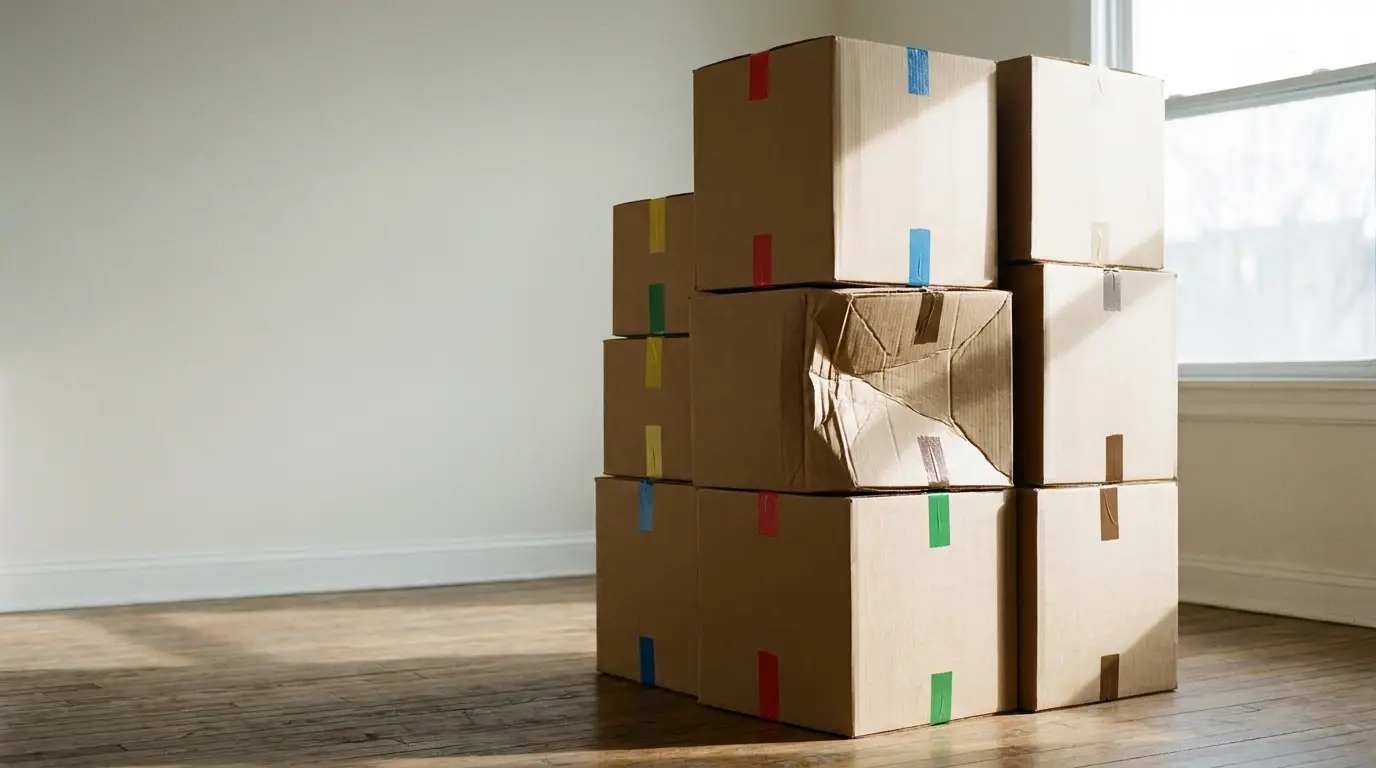
Packing boxes without labels may seem faster in the moment, but it usually creates major frustration later when unpacking begins.
A simple labeling system makes the entire moving process easier. Boxes should clearly identify which room they belong in and what types of items are inside. Some homeowners use color-coded labels, while others create numbered inventory lists to track important belongings.
Priority labels are also helpful. Boxes containing daily essentials should be marked clearly so they can be unpacked first.
One common mistake is labeling boxes as “miscellaneous.” That usually creates confusion because nobody remembers what is actually inside those boxes later.
Clear labeling saves time for both homeowners and movers during unloading and unpacking.
Keep Important Documents and Essentials Separate
Certain items should never disappear into general moving boxes. Important documents, medications, chargers, financial paperwork, and basic personal items need to stay easily accessible throughout the move.
Many families prepare an essentials bag for the first few days after arriving at the new home. This often includes toiletries, clothing, medications, phone chargers, snacks, pet supplies, and important paperwork.
Having quick access to these items prevents unnecessary stress while unpacking. Nobody wants to search through twenty boxes trying to find prescription medication or phone chargers on the first night in a new house.
Important records such as identification documents, passports, moving contracts, and financial information should stay with the homeowner rather than inside the moving truck whenever possible.
Pack Strategically Instead of Randomly
Packing becomes much easier when homeowners stay organized, room by room. Random packing usually creates confusion later and increases the risk of damaged belongings.
Heavy items should go into smaller boxes to prevent lifting problems. Fragile items need protective wrapping and careful placement. Overfilling boxes may seem efficient at first, but it increases the chances of boxes breaking during transport.
Keeping similar items together also speeds up unpacking. Kitchen items should stay with kitchen items. Office supplies should remain grouped together. Mixing unrelated belongings into the same box creates unnecessary frustration later.
Furniture hardware, cables, and assembly parts should be labeled clearly and stored safely. Small missing pieces often create major delays when setting up furniture again.
Residential moves become much easier when homeowners focus on preparation and organization instead of trying to manage everything at the last minute. Decluttering, planning timelines, labeling boxes, keeping essentials accessible, and arranging professional help early all contribute to a smoother experience.
Moving will probably never feel completely stress-free, but staying organized helps reduce confusion, save time, and make the transition into a new home feel much more manageable. Taking the process step by step usually leads to better results than trying to handle everything at once.