The failure usually starts small. A missing hair tool here, a wrinkled seasonal dress there, a box of skin-care backups tucked somewhere it should not be. Nothing looks urgent until the morning routine stretches longer than it should and the damage is already done.
For people who care about personal style and self-care, the issue is rarely just space. It is order, condition, and the ability to get to what you actually use. Once those basics slip, the fallout shows up as wasted time, avoidable replacements, and the low-grade irritation that comes from not trusting where things are kept.
That is why storage choices deserve attention before they become a problem. Beauty products and fashion pieces are part of a living routine, not static belongings. They get pulled, rotated, packed, borrowed, and put back in a hurry. A system that cannot handle that pace will eventually show its weak points.
Why Disorganization Becomes a Real Cost
In beauty and fashion, weak storage decisions do more than create clutter. They expose products to heat, humidity, dust, bending, and loss. A bag can collapse. A candle can warp nearby fabric. A set of extensions can be tangled beyond saving. These are not dramatic failures, just the kind that quietly drain money and continuity.
That matters because appearance routines tend to run on timing. If a work event, trip, or photoshoot gets close and essentials are scattered across a dresser, closet, and spare room, the search itself becomes operational drag. There is also a liability angle when sentimental or high-value items are involved: if people cannot account for what is where, trust in the whole system starts to erode.
The pressure is not only personal. For stylists, resellers, beauty professionals, or anyone managing a rotating wardrobe, poor organization can create missed appointments, duplicate purchases, and avoidable staffing friction when someone else has to locate inventory fast.
Even for someone with a simpler routine, the cost shows up in smaller ways. Mascara gets replaced before it should. Shoes lose their structure. A favorite blouse develops wrinkles because it was crammed into the wrong spot. Over time, those little losses add up to more spending and less ease, which defeats the point of having well-chosen items in the first place.
The Details that Usually Decide Whether Things Stay Usable
Most storage mistakes are less about volume and more about conditions. Three practical checks tend to matter most.
It helps to think about the items in categories rather than as one big collection. Different materials and product types age differently, and the right setup for one category can be the wrong setup for another. The goal is to protect finish, shape, and usability without creating a system so complicated that nobody maintains it.
Temperature and Texture Are Not Abstract Concerns:
Cosmetics, leather, silk, and adhesive-backed accessories all react badly to the wrong environment. Heat can shorten the life of certain products. Humidity can make fabrics feel off before they look damaged. Even items that seem sturdy, like boxes of shoes or wrapped handbags, can pick up odor and shape distortion if they are packed too tightly or left in a damp corner.
Product packaging matters too. Bottles can separate, creams can change consistency, and pressed powders can crack if they are stacked under pressure or exposed to repeated temperature swings. A collection that seems fine on the outside may still be slowly degrading inside the container.
Access Matters More than Extra Square Footage:
A well-organized setup is not the one with the most bins. It is the one you can actually use on a weekday morning. Items that are seasonal, occasion-only, or backup stock should be easy to reach without pulling apart the rest of the system. If access is awkward, people stop putting things back correctly and the arrangement starts to degrade.
A modest trade-off is worth naming here: the most secure or climate-stable option may not be the most convenient for daily retrieval. That is manageable if you separate active items from long-term items and accept that the system needs a little discipline.
One useful test is whether another person could find the right item in under a minute. If the answer is no, the setup may be too dependent on memory. Labels, visible groupings, and clear placement rules can make a big difference.
The Common Habit that Causes the Most Damage:
The biggest mistake is treating everything as equally replaceable. It is easy to toss perfume, shoes, formalwear, and makeup backups into the same general stack because it feels temporary. In practice, that is where breakage, leaks, and forgotten pieces start.
Three patterns show up again and again:
- Storing delicate fabrics with heavy boxes that crush them.
- Leaving liquids uncapped or loosely closed near textiles.
- Assuming you will remember what is inside a container without labeling it.
A Cleaner Routine with Less Guesswork
A little structure prevents a surprising amount of waste. The point is not perfection; it is making sure your routine can survive a busy week. This is where the difference becomes clear between average options and well kept storage in Banning that actually work long term.
The best systems usually start with one honest pass through the collection. People often know what they love, but not what they actually use. That gap is where clutter builds. A brief reset gives the whole routine a clearer shape.
- Sort items by how often you use them, then separate daily pieces from seasonal or special-occasion items. That keeps the most useful things close at hand and reduces the chance that a rushed search turns the whole space upside down.
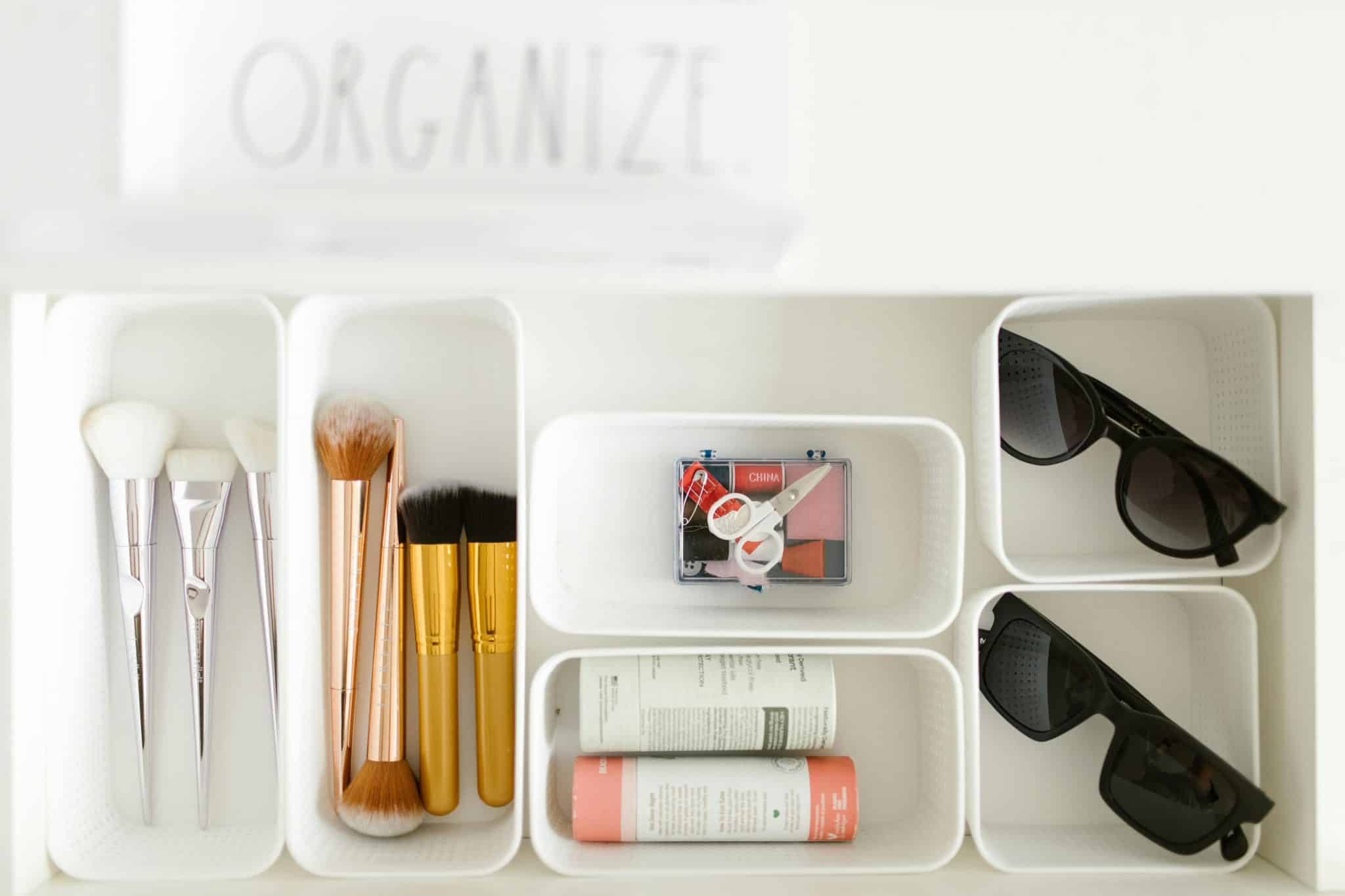
- Use containers that match the item. Breathable garment bags for certain clothing, padded dividers for accessories, and sealed bins for products that need protection from dust are all more effective than one catch-all box.
- Review the setup before anything gets put away for long periods. Check closures, clean surfaces, and label containers in plain language. If a manager, partner, or assistant needs to find something, the system should still make sense without a guessing game.
Style Habits Reveal how Much Friction a System Can Tolerate
People often think appearance maintenance is about taste, but the quiet reality is that it is also about system design. If a wardrobe or beauty collection is hard to reach, hard to see, or hard to trust, the routine slowly becomes more expensive. You buy duplicates. You postpone repairs. You wear the same few items because the rest feel too messy to deal with.
There is no perfect setup, and that is the nuance worth keeping in view. A highly controlled arrangement can save money and time, but it can also become fragile if it is too rigid. The better approach is one that leaves a little room for change: a seasonal coat here, a new product launch there, a pair of shoes that has to stay accessible for a few weeks. Stability helps, but flexibility keeps the whole thing usable.
That flexibility also supports better habits over time. When a system is easy to maintain, people are more likely to return items to the right place, rotate stock before it expires, and notice problems early. In that sense, good storage is less about perfection and more about reducing the number of decisions required just to get ready.
Order Is What Keeps the Routine Believable
The real value in better storage is not the container itself. It is the confidence that a bag will still hold its shape, a dress will still be wearable, and a skin-care stash will still be in the right place when you need it.
For beauty and fashion, that kind of reliability has a practical edge. It protects purchases, reduces daily friction, and lowers the odds that a small oversight becomes a bigger cleanup later. Once the system stops fighting you, getting ready feels less like recovery work and more like a routine that actually fits your life.