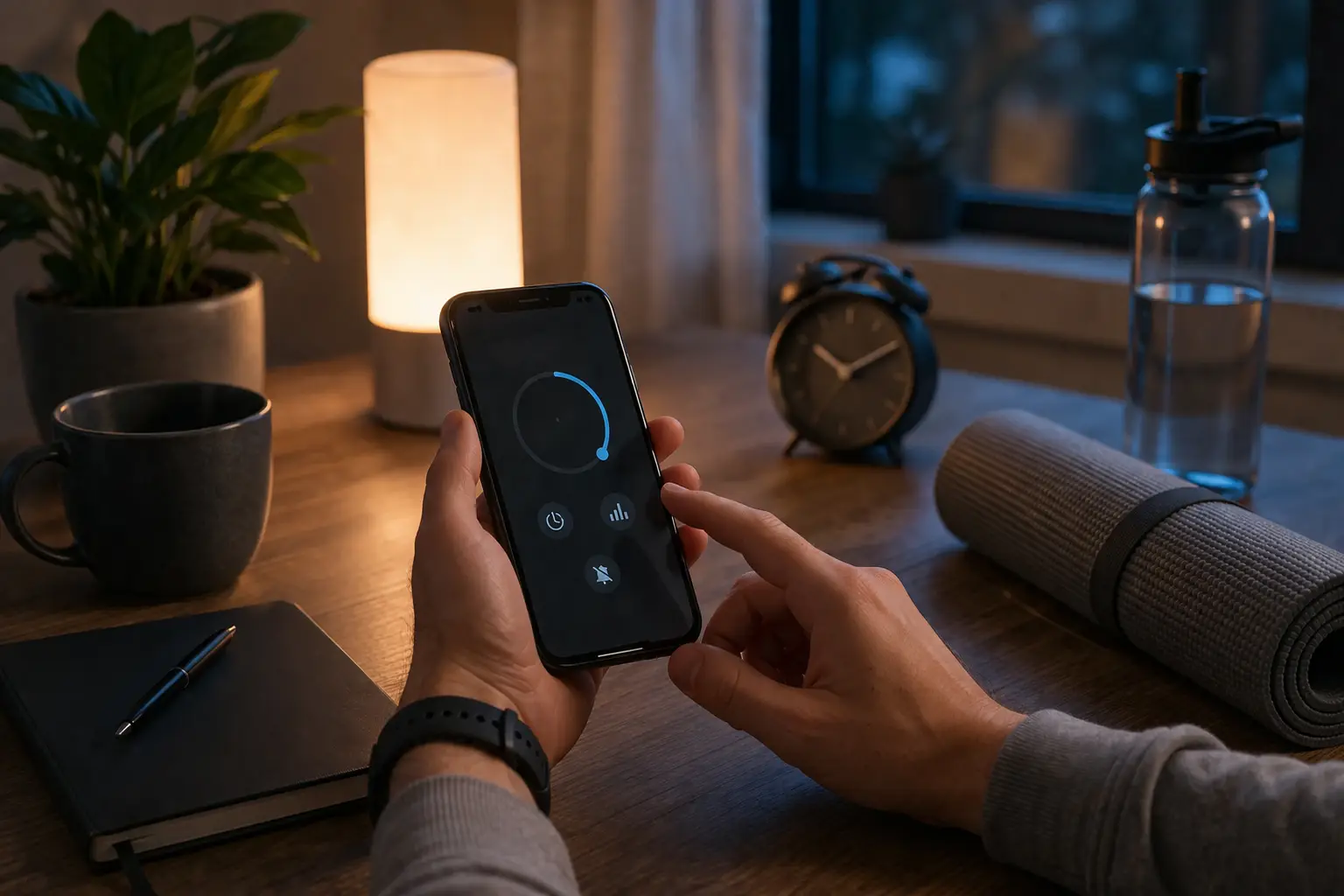
Maintaining a healthy work-life balance has become increasingly important in today’s fast-paced world. Many people struggle to manage work responsibilities, personal goals, family time, and self-care all at once. As digital entertainment and online activities continue to grow, platforms related to Color Game Online also reflect how modern lifestyles are becoming more connected through technology and daily digital interaction. Developing smart lifestyle habits can help individuals create a healthier balance between professional responsibilities and personal well-being.
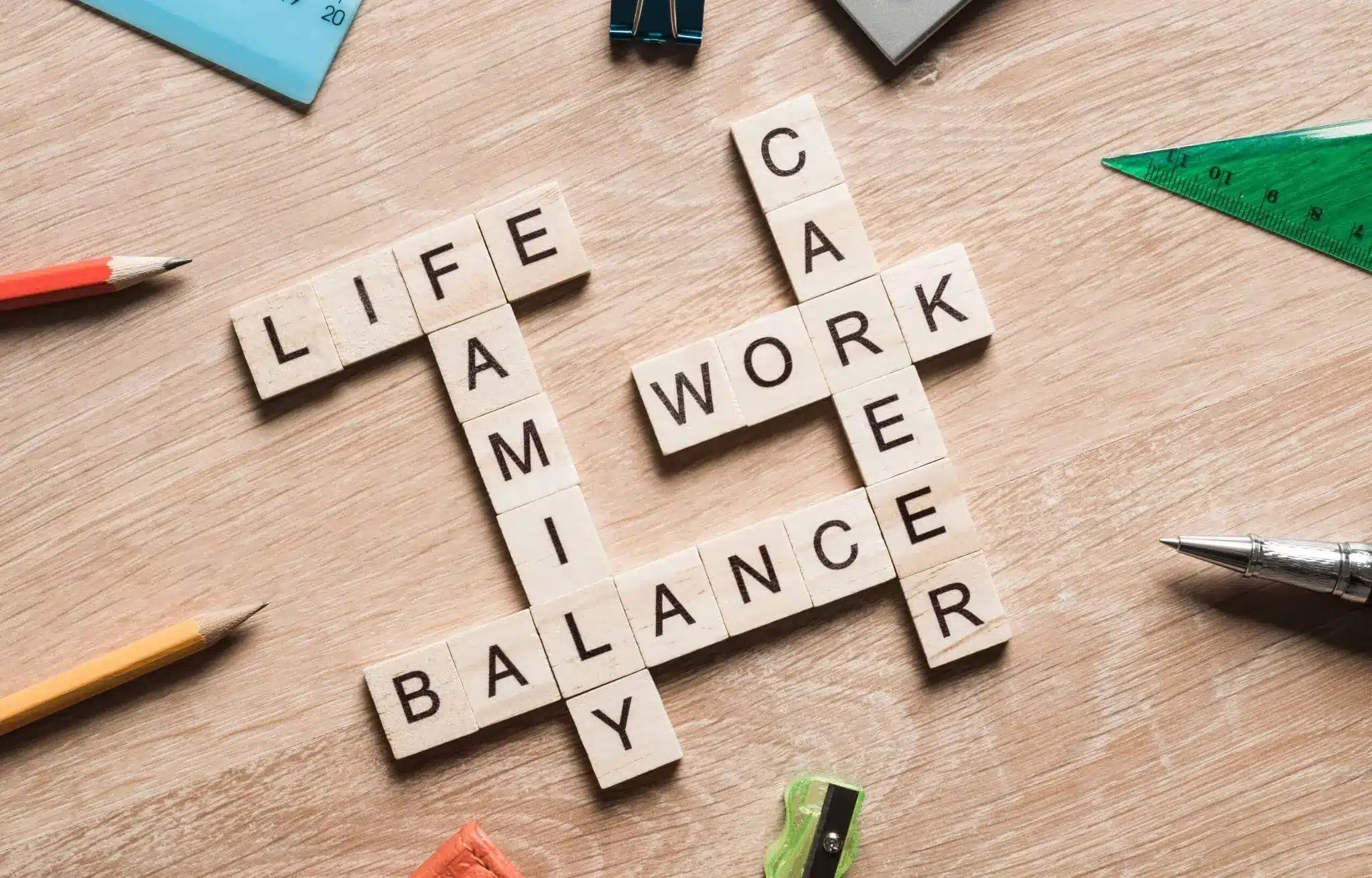
Understanding Work-Life Balance
Work-life balance refers to the ability to manage work commitments while still having enough time for personal activities, relaxation, relationships, and health.
A balanced lifestyle helps people:
- Reduce stress
- Improve productivity
- Maintain better mental health
- Strengthen relationships
- Increase overall happiness
Without proper balance, individuals may experience burnout, fatigue, and reduced motivation.
Creating healthy daily habits is one of the most effective ways to improve long-term work-life balance.
Time Management Helps Reduce Stress
One of the most important lifestyle habits for work-life balance is effective time management.
People who organize their schedules properly often:
- Complete tasks more efficiently
- Avoid unnecessary stress
- Maintain better focus throughout the day
Simple time-management strategies include:
- Creating daily schedules
- Prioritizing important tasks
- Setting realistic goals
- Avoiding procrastination
Using calendars, planners, or productivity apps can also help individuals manage responsibilities more effectively.
Good time management allows people to separate work hours from personal time more successfully.
Setting Boundaries Between Work and Personal Life
Many people struggle with balancing work and personal activities because they fail to establish clear boundaries.
Healthy boundaries may include:
- Avoiding work emails after office hours
- Limiting overtime when possible
- Creating dedicated personal time
- Separating workspace from relaxation areas
Remote work and digital communication have made it easier for work responsibilities to extend into personal time.
Setting boundaries helps individuals protect their mental health and maintain healthier routines.
Prioritizing Sleep Improves Daily Performance
Sleep plays a major role in maintaining work-life balance and overall wellness.
Healthy sleep habits help improve:
- Energy levels
- Concentration
- Mood stability
- Productivity
Experts recommend maintaining consistent sleep schedules and reducing screen exposure before bedtime.
Poor sleep can increase stress and reduce the ability to manage daily responsibilities effectively.
Smart lifestyle habits such as limiting late-night work and creating relaxing bedtime routines can improve sleep quality significantly.
Regular Exercise Supports Physical and Mental Health
Exercise is another important part of maintaining balance in daily life.
Regular physical activity helps:
- Reduce stress
- Improve mood
- Increase energy
- Support overall health
Even simple activities like:
- Walking
- Stretching
- Home workouts
- Light jogging
can positively affect mental and physical well-being.
Exercise also helps people disconnect temporarily from work-related stress and focus on personal wellness.
Healthy Eating Habits Improve Focus and Energy
Nutrition has a strong impact on productivity and emotional health.
Healthy eating habits help support:
- Better concentration
- Stable energy levels
- Improved mood
- Long-term health
Balanced meals that include:
- Fruits
- Vegetables
- Lean proteins
- Whole grains
can improve daily performance and overall wellness.
Skipping meals or relying heavily on unhealthy food may increase fatigue and reduce focus during work hours.
Smart lifestyle habits often begin with maintaining consistent and balanced nutrition.
Digital Wellness Is Becoming More Important
Technology provides convenience, but excessive screen time can negatively affect work-life balance.
Constant notifications and digital distractions may:
- Increase stress
- Reduce focus
- Interrupt personal time
Digital wellness habits include:
- Limiting unnecessary screen time
- Taking breaks from devices
- Reducing social media distractions
- Scheduling offline activities
Managing digital habits helps people maintain better control over their time and mental energy.
Creating healthier relationships with technology is becoming increasingly important in modern lifestyles.
Taking Breaks Improves Productivity
Many people believe working longer hours automatically improves productivity, but regular breaks are essential for maintaining focus and efficiency.
Short breaks help:
- Refresh the mind
- Reduce stress
- Prevent burnout
- Improve concentration
Simple habits such as:
- Stretching during breaks
- Walking briefly
- Drinking water
- Resting eyes from screens
can improve daily performance significantly.
Balanced productivity depends on maintaining both mental and physical energy throughout the day.
Spending Time with Family and Friends Matters
Healthy relationships are important for emotional wellness and work-life balance.
Spending time with family and friends helps:
- Reduce stress
- Improve happiness
- Strengthen emotional support systems
People with strong social connections often manage work-related stress more effectively.
Simple lifestyle habits such as:
- Sharing meals together
- Having regular conversations
- Participating in hobbies with loved ones
can improve emotional health and create a stronger sense of balance.
Hobbies and Personal Interests Support Mental Wellness
Personal hobbies help individuals relax and recharge outside of work responsibilities.
Popular stress-relieving hobbies include:
- Reading
- Gardening
- Gaming
- Music
- Cooking
- Traveling
Hobbies provide opportunities for creativity, enjoyment, and relaxation.
Maintaining personal interests helps prevent work from becoming overwhelming or emotionally exhausting.
Mindfulness and Stress Management Improve Balance
Stress management is an important part of maintaining healthy routines.
Mindfulness practices such as:
- Meditation
- Deep breathing
- Journaling
- Quiet reflection
can help reduce anxiety and improve emotional stability.
Stress becomes easier to manage when people develop healthy coping strategies and self-awareness.
Practicing mindfulness regularly can improve focus, patience, and emotional control in both work and personal situations.
Flexible Work Arrangements Support Modern Lifestyles
Flexible work options have become increasingly common in many industries.
Remote work and hybrid schedules can:
- Reduce commuting stress
- Improve personal scheduling
- Increase family time
However, flexibility also requires discipline and routine to maintain proper balance.
People who create structured schedules while working remotely often manage work-life balance more effectively.
Consistency Is the Key to Long-Term Balance
Building healthy lifestyle habits requires consistency.
Small daily improvements often produce better long-term results than sudden extreme changes.
Examples of consistent habits include:
- Sleeping at regular times
- Exercising weekly
- Taking daily breaks
- Managing screen time
- Maintaining organized schedules
Sustainable habits help individuals create healthier routines that support long-term well-being.
Conclusion
Smart lifestyle habits play a major role in improving work-life balance by helping individuals manage stress, maintain productivity, and protect personal well-being. Healthy routines such as proper sleep, exercise, time management, and digital wellness can create more balanced and fulfilling lifestyles.
As modern life becomes increasingly connected and fast-paced, maintaining balance is becoming more important than ever. By developing consistent and healthy habits, individuals can improve both professional performance and personal happiness while creating a healthier approach to daily living.