Beach vacations are often associated with relaxation, but many people quietly spend the weeks beforehand trying to feel more confident, comfortable, and prepared before the trip even begins. Travel plans that are supposed to feel exciting can easily become stressful once people start thinking about swimsuits, body image, packing, routines, and the pressure to look or feel a certain way during the vacation.
What actually helps most people feel better before beach trips, however, is usually not dramatic last-minute changes. More often, comfort comes from smaller habits that make people feel healthier, more prepared, and less stressed leading into the trip itself.
People Often Focus More on Feeling Better Than Looking Perfect
Many travelers initially think preparation for a beach vacation needs to involve extreme workouts, strict dieting, or fast physical transformations. In reality, most people feel more comfortable when they focus on energy, consistency, and reducing stress rather than chasing unrealistic short-term changes before traveling.
Simple routines like staying hydrated, sleeping better, eating more consistently, and avoiding overly restrictive habits usually help people feel more balanced overall. This has also made more practical wellness conversations increasingly common before vacations, especially among people looking for sustainable routines instead of aggressive crash plans. They can focus on budget friendly carnivore diet tips and eating habits that feel realistic during busy schedules leading up to travel.
For many people, feeling physically steady matters much more than trying to create dramatic changes in a very short period of time.
Comfortable Swimwear Often Changes the Entire Experience
One of the biggest factors affecting vacation confidence is simply wearing swimwear that feels comfortable enough to stop thinking about constantly. Many travelers spend far more energy worrying about adjusting, covering up, or feeling self-conscious than actually enjoying the beach itself.
Because of this, shoppers increasingly prioritize fit, support, and comfort rather than choosing swimwear based only on trends. Styles like a tummy control swimsuit have become more popular partly because people want swimwear that allows them to relax and move comfortably during real vacations instead of feeling overly focused on appearance the entire time.
Feeling comfortable physically often creates far more confidence than trying to meet unrealistic expectations beforehand.
Last-Minute Pressure Usually Creates More Stress
Many people unintentionally make themselves feel worse before vacations by treating the weeks leading up to travel as a deadline for major self-improvement. Extreme routines, restrictive diets, and unrealistic expectations often create exhaustion and frustration instead of confidence.
The pressure becomes especially noticeable because vacations are heavily photographed and socially visible experiences. Social media has increased the feeling that people need to look perfectly prepared before arriving at beaches, resorts, or poolside environments.
In reality, travelers usually enjoy trips more when preparation feels balanced instead of stressful. Smaller healthy habits tend to support confidence much better than aggressive short-term changes.
Packing and Preparation Affect Comfort Too
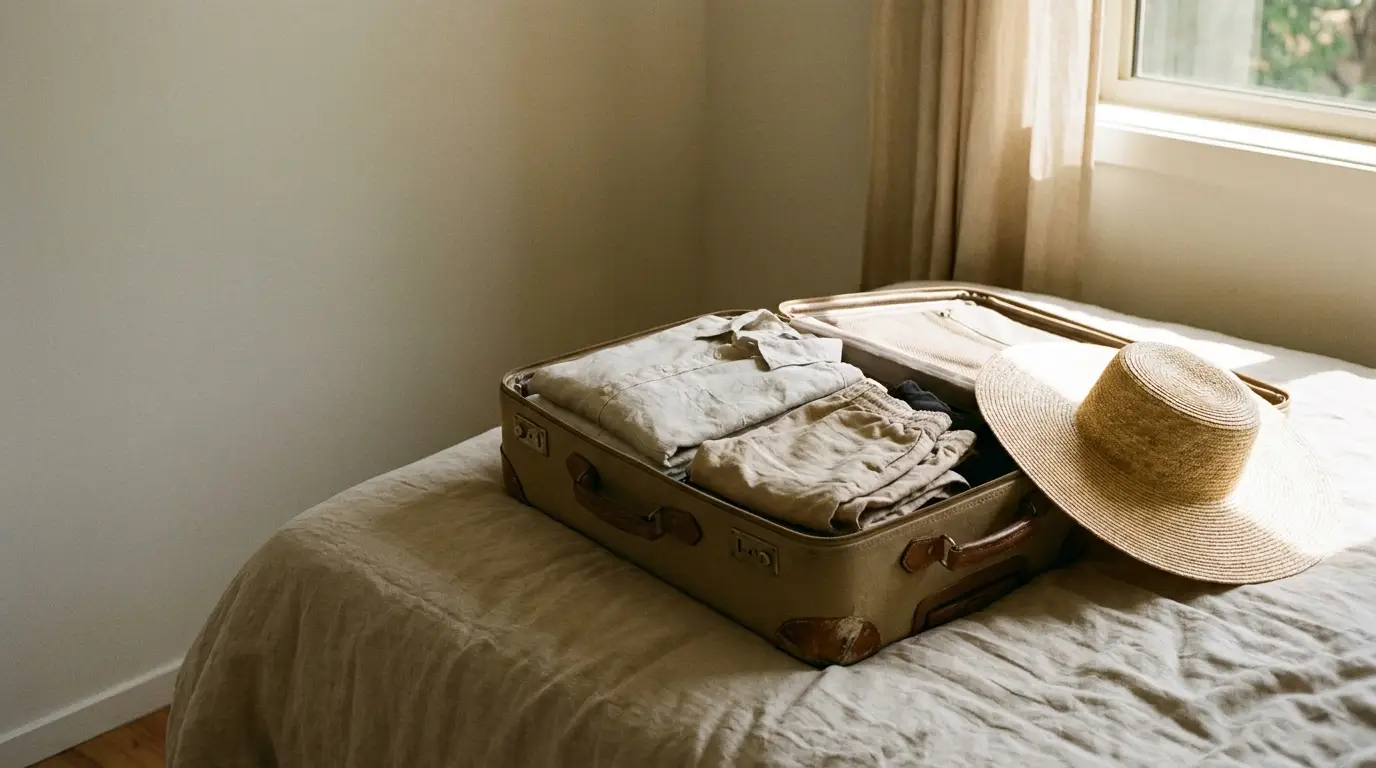
Feeling prepared for a beach trip often has less to do with appearance and more to do with practical comfort during the vacation itself. Well-planned packing, weather preparation, comfortable clothing, hydration, and manageable schedules all influence how relaxed people actually feel once the trip begins.
Travelers who feel organized ahead of time often experience less stress during the vacation because they are not constantly worried about forgotten items or uncomfortable situations. Small preparation details usually create more peace of mind than people expect.
The emotional side of travel comfort frequently comes from reducing uncertainty rather than trying to control every physical detail beforehand.
Vacation Comfort Often Depends on Mental Expectations
Many people feel more relaxed before beach vacations once they stop viewing the trip as a performance. Comparing bodies, routines, or appearance to heavily edited online content usually creates more anxiety than motivation during travel preparation.
The people who seem most comfortable during vacations are often the ones focused more on enjoying the experience itself rather than constantly evaluating how they look throughout the trip. Spending time outdoors, relaxing, swimming, eating well, and disconnecting from everyday stress usually matters much more than trying to achieve perfection beforehand.
Beach vacations tend to feel better when people allow themselves to participate fully instead of spending the entire trip worrying about appearance.
Smaller Habits Usually Create the Biggest Difference
Most people feel more comfortable before vacations through smaller consistent habits rather than dramatic transformations. Better sleep, manageable food routines, comfortable clothing choices, reduced stress, and realistic expectations usually improve confidence more effectively than extreme short-term plans.
The preparation process often becomes much easier once the focus shifts away from perfection and toward feeling physically and mentally comfortable enough to actually enjoy the trip when it arrives.