For years, cosmetic dentistry was associated with dramatic transformations: ultra-white veneers, perfectly uniform teeth, and highly polished “Hollywood smiles” designed to stand out immediately.
But beauty trends have changed. Increasingly, women are moving away from cosmetic treatments that look obvious and towards results that feel softer, more balanced and more natural.
That shift is happening in dentistry too.
Today, many patients seeking veneers or smile makeovers are not asking for perfectly straight rows of bright white teeth. Instead, they are asking for refinement. A slightly more even smile. Softer symmetry. Teeth that look healthier, fresher and more harmonious with their face rather than noticeably “done”.
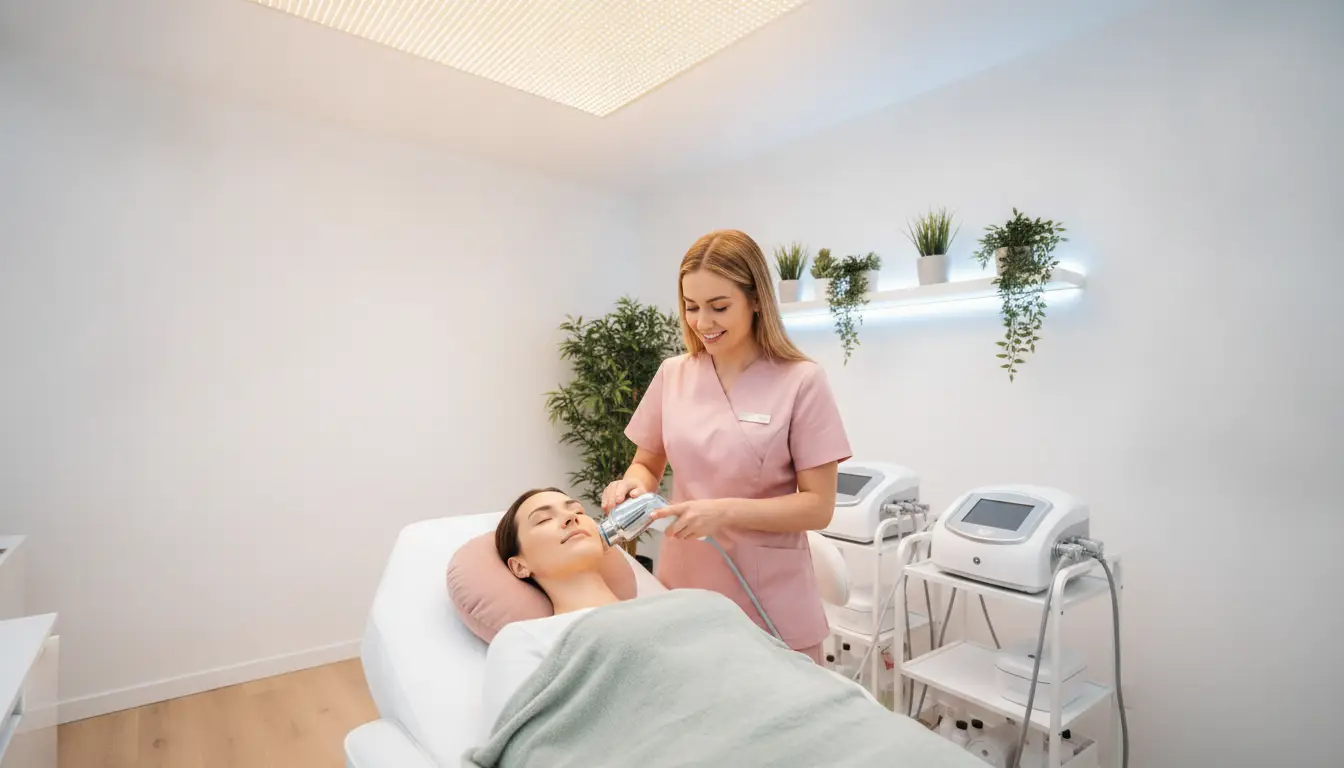
In many ways, smile design is beginning to follow the same direction already seen in skincare, aesthetics and fashion. The emphasis is no longer on dramatic transformation at any cost. It is on subtle enhancement.
The Rise of “Quiet Luxury” Beauty
The broader beauty world has shifted noticeably over the last few years. Heavy contouring, exaggerated cosmetic procedures and highly filtered perfection have gradually given way to more understated aesthetics. Skin is expected to look like skin again. Hair colour is softer. Makeup trends now focus on glow, tone and texture rather than sharp transformation.
Teeth are increasingly part of that conversation.
A bright smile still matters, but many women now want cosmetic dentistry that looks believable in natural light and fits naturally with their features.
Rather than asking for the whitest possible shade, patients are often choosing softer tones that resemble healthy enamel. Instead of extremely square veneers, there is growing preference for shapes that follow the natural proportions of the face and lips.
For some women, the goal is not to look different. It is simply to look more polished, rested or confident.
Smile Design Has Become More Personal
Part of this change comes from the way cosmetic dentistry itself has evolved. Modern smile design is often far more individualised than it was in the past.
Experienced cosmetic dentists now tend to assess much more than the teeth alone. Facial structure, lip movement, gum symmetry, skin tone and bite alignment can all influence how veneers or smile makeover treatments are planned. The result is usually a smile designed around the person rather than a single standard aesthetic.
Patients are also more informed than before. Many arrive at consultations already aware of the difference between aggressive veneer preparation and more conservative approaches. Others specifically ask for “natural-looking veneers” because they want cosmetic improvements without losing character or individuality.
That change in language matters. The conversation is increasingly about balance rather than perfection.
Social Media Changed Expectations — and Then Changed Them Again
Social media played a major role in popularising cosmetic dentistry. Highly visible celebrity smiles and dramatic before-and-after transformations helped veneers become mainstream. At the same time, the internet also accelerated unrealistic beauty standards, particularly around symmetry and whiteness.
But audiences have become more visually aware over time. Many people can now recognise when cosmetic work looks excessive or artificial, and that has influenced patient preferences significantly.
Interestingly, the same platforms that once promoted exaggerated cosmetic trends are now driving the opposite movement. Softer beauty aesthetics, “clean girl” styling and understated luxury have become increasingly aspirational.
In dentistry, that often translates into treatments designed to look subtle enough that people notice the confidence, not the procedure itself.
Women Are Thinking More About Longevity

Another reason subtle smile makeovers are becoming more popular is practicality. Many women approaching cosmetic dentistry now ask more questions about long-term maintenance, enamel preservation and natural ageing.
Rather than focusing only on the immediate visual result, patients increasingly want to understand:
- how much tooth preparation is required,
- how veneers may age over time,
- whether the result will still look natural years later,
- and how maintenance fits into everyday life.
This has encouraged more conservative treatment planning in many clinics. In some cases, whitening, bonding or minor alignment adjustments may be recommended before considering veneers at all. In others, fewer veneers may be used to preserve more natural tooth structure while still improving the overall smile.
The most successful cosmetic dentistry often becomes almost invisible after a while. People notice that someone looks healthier or more confident without immediately identifying why.
Cosmetic Dentistry Is Becoming Part of Overall Aesthetic Wellness
There is also a wider cultural shift happening around beauty and self-care. Cosmetic treatments are increasingly viewed less as isolated procedures and more as part of an overall approach to confidence and wellbeing.
A smile now sits alongside skincare, hair health, wellness routines and subtle aesthetic treatments as part of a broader idea of personal presentation. For many women, the appeal is not perfection itself but feeling more comfortable and aligned with how they want to present themselves professionally and socially.
That mindset has changed the way many clinics approach consultations too. Rather than promising dramatic transformation, the focus is often on realistic outcomes, facial harmony and preserving natural features wherever possible.
Clinics such as Cosmedica Dental in Istanbul increasingly see international patients requesting smile makeovers that look refined rather than artificial, with treatment plans focused on proportion, natural enamel shades and conservative aesthetic changes.
The Future of Cosmetic Smiles Looks Softer
The idea of the “perfect smile” has not disappeared entirely, but the definition of perfection appears to be changing. Uniformity and extreme whiteness are gradually giving way to individuality, balance and natural-looking results.
For many women, modern cosmetic dentistry is no longer about chasing a celebrity template. It is about enhancing what already exists in a way that feels believable, comfortable and sustainable long term.
And in a beauty culture increasingly centred around subtle confidence rather than obvious transformation, that quieter approach may ultimately prove far more timeless.