From neon glitter to risk: the casino as a code of beauty
Casino style has never been subtle: red felt, mirrored ceilings, gold trim, chrome rails, LED blue and the brief glare of a winning screen. Beauty and fashion have absorbed the same visual logic in 2026, from frosted makeup to glossy black nails and two-tone lips. The connection is not a mood board accident; casinos use light, color, and reflection to hold attention during short decisions. Beauty uses the same codes for the camera.
Red Light Made Urgency Visible
A 2015 paper on casino-related sound and red light noted how warm colors and reward sounds form part of gambling environments, while later research on ambient lighting tested how dim rooms can lengthen gameplay and total spend. The carryover into beauty is direct because beauty culture often borrows from rooms that already know how to stage attention. A red lip under low light reads differently from the same product under a bathroom mirror at 8 a.m. The casino did not invent red, but it taught modern styling how to make red feel timed, deliberate, and slightly risky.
Cute Risk Turned Game Design Into Fashion Language
The shift becomes clearer when casino games stop looking like old mahogany rooms and start looking like mobile animation. InOut Games lists Chicken Road with 98% RTP, a 04.04.2024 release date, and four difficulty levels: easy, medium, hard, and hardcore. In casinos, chicken road casino carries the same visual lesson as candy-colored eyeliner: charm lowers the temperature around risk, but the mechanics still run on volatility and stake size. The player chooses the risk level before each step, and that choice is closer to a styling decision than it first appears. More shine does not make the road safer.
Chrome Became the Shorthand for Night Money
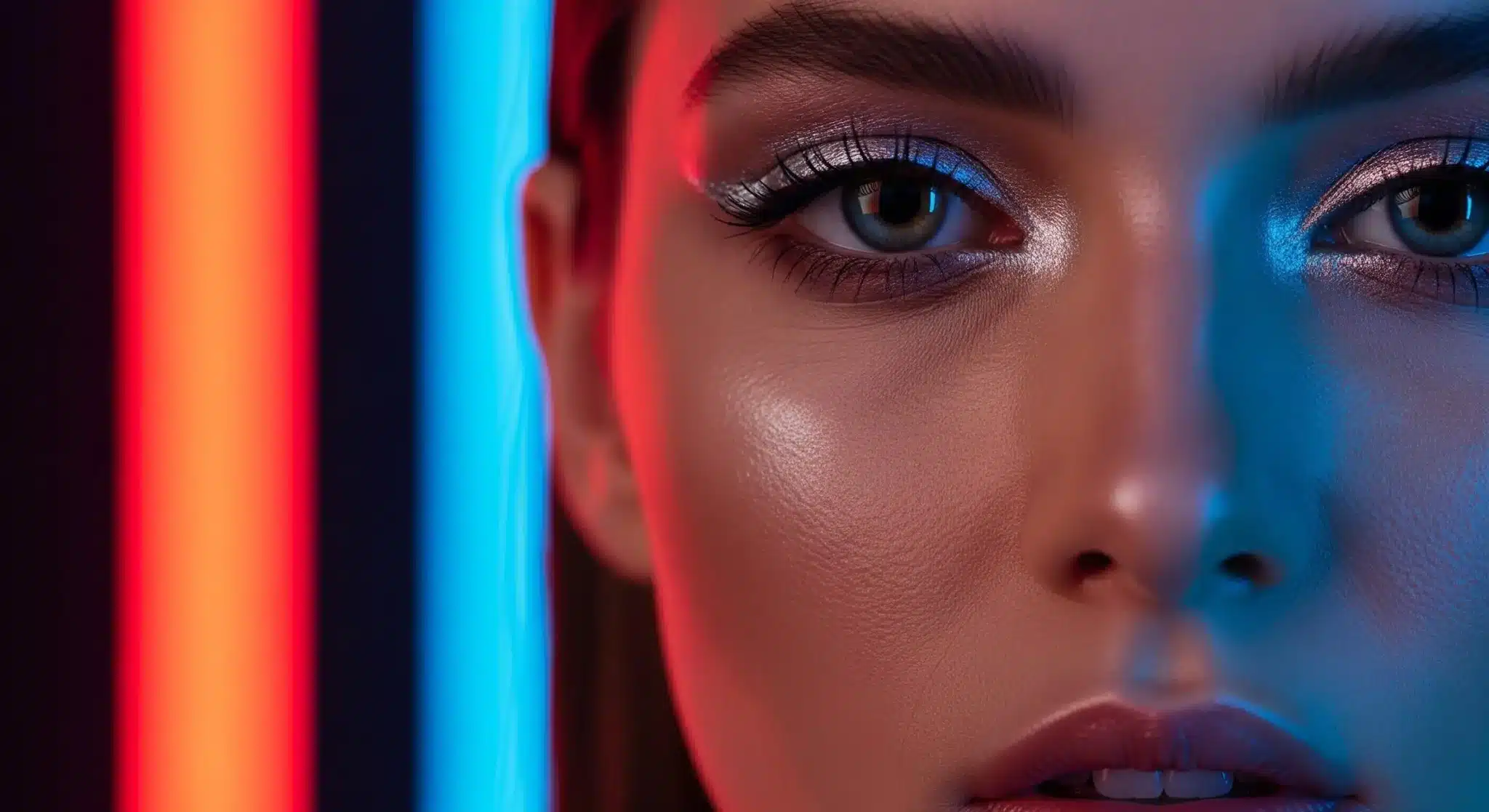
Pinterest’s 2026 forecast points to frosted makeup rising 150%, icy blue up 50%, and glossy after-dark aesthetics moving across nails, hair and eyes. McKinsey’s 2025 beauty work, based on 15,000 consumers and more than 100 executives, also places beauty inside a market expected to reach $590 billion by 2030. Those numbers explain why chrome lids, metallic liner, and mirrored manicures travel fast from club bathrooms to product launches. Beauty shots now favor reflective cheekbones.
Phone Screens Flattened the Casino Mirror
Beauty trends now have to survive a 6-inch screen, bad bar lighting, and a front-facing camera at 11:40 p.m. Casinos made that compression familiar long before beauty brands did, because a roulette result, live-dealer table, and crash multiplier all need to read quickly on mobile. Inside casinos, the decision to play online puts the visual system under pressure: contrast, motion, button placement, balance display and cash-out timing must stay readable during short sessions. Fashion learned the same rule when chrome powder, glossy lip oil and jet-black polish became more legible than quiet neutrals on TikTok clips. The screen rewards surfaces that answer light immediately.
The Cleanest Look Still Needs a Risk Check
Casino aesthetics can be beautiful without being harmless, and that tension is why the look keeps returning. Blue-enriched screens, dim rooms and reward sounds can shape attention, but RTP, RNG and house edge still decide the long-run game. For beauty, the lesson is craft: control the highlight, edit the shine, know when the look becomes costume. For casinos, the same discipline means reading wagering terms, checking volatility and setting a spend limit before the room starts to look softer than it is.
The overlap between casino design and beauty trends is not about imitation alone; it is about shared mechanics of attention. Both fields rely on contrast, timing and reflection to guide the eye and influence perception in seconds. What changes in 2026 is not the principle but the scale: mobile screens, social feeds and fast visual cycles amplify these effects and make them portable. The result is a style language that feels immediate, polished and slightly charged with risk. Understanding that language allows both creators and audiences to enjoy the aesthetic without losing sight of the structure behind it.