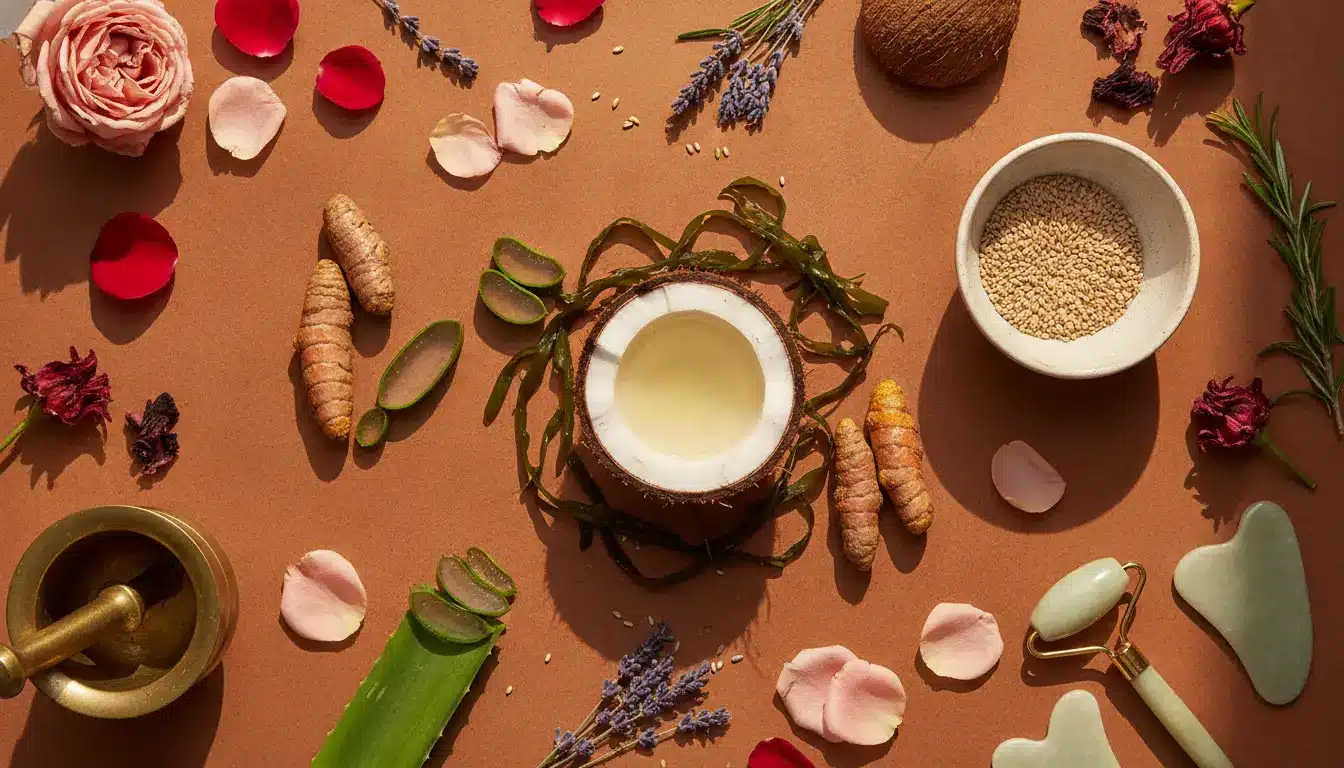
In the ever-changing landscape of health and beauty, some strategies and rituals have stood the test of time for a reason. In fact, many rituals that were first tried and tested many centuries ago have since come full circle, with many popular brands returning to these holistic and natural approaches for their products and formulas.
While eating a balanced diet, drinking plenty of water, and quitting vapes and cigarettes are just a small number of popular strategies implemented today for improved health and appearance, many ancient beauty rituals and secrets are still being utilized today, hundreds of years after they first originated, highlighting their unwavering and unbeatable benefits and impact.

Essence of Rose
Rose is a classic ingredient in the beauty world, and its essence has been distilled into water for centuries. Originating in the Arab Empire, today modern-day Türkiye is the biggest producer of rose products, and the country’s use of purified rose water in beauty dates back at least 2000 years.
Rose essence is jam-packed with essential minerals, vitamins, and antioxidants that provide deep hydration to the skin, improving overall health and appearance. It also contains anti-inflammatory and antiseptic properties that help reduce redness and soothe any irritation. It is important to remember that pure rose essential oil should not be applied directly to the skin. It must be diluted with a carrier oil to prevent further irritation.
Aloe Vera
Sap extracted from aloe vera is a common modern-day treatment for acne, sunburns, and other skin complaints, but civilizations have been using this powerful plant as a cure for a wide variety of different ailments for more than a 1000 years.
The ancient Chinese, Indian, Japanese, and Egyptians used this cactus-like plant in medicine. The Ebers Papyrus, an Egyptian medical text dating back to 1550BC, listed aloe as a recognized plant medicine. In comparison, Greek medical books recorded that the leaves could be used to treat hair loss.
Sesame & Coconut Oil
If you are after shiny, strong, and damage-free hair, look no further than Ayurvedic oiling, an ancient Indian ritual used for 5,000 years. Ancient texts recommend using different oils based on the season, with warming sesame oil for the cooler months, and cooling coconut oil for spring and summer.
The practice involves applying the oil to a full head of hair, from root to tip, as well as using some oil to softly massage the temples, head, and neck, improving blood flow in the scalp to encourage hair growth and strength. Occasionally, herbs like amalaki or hibiscus are added to improve hair strength.
Turmeric
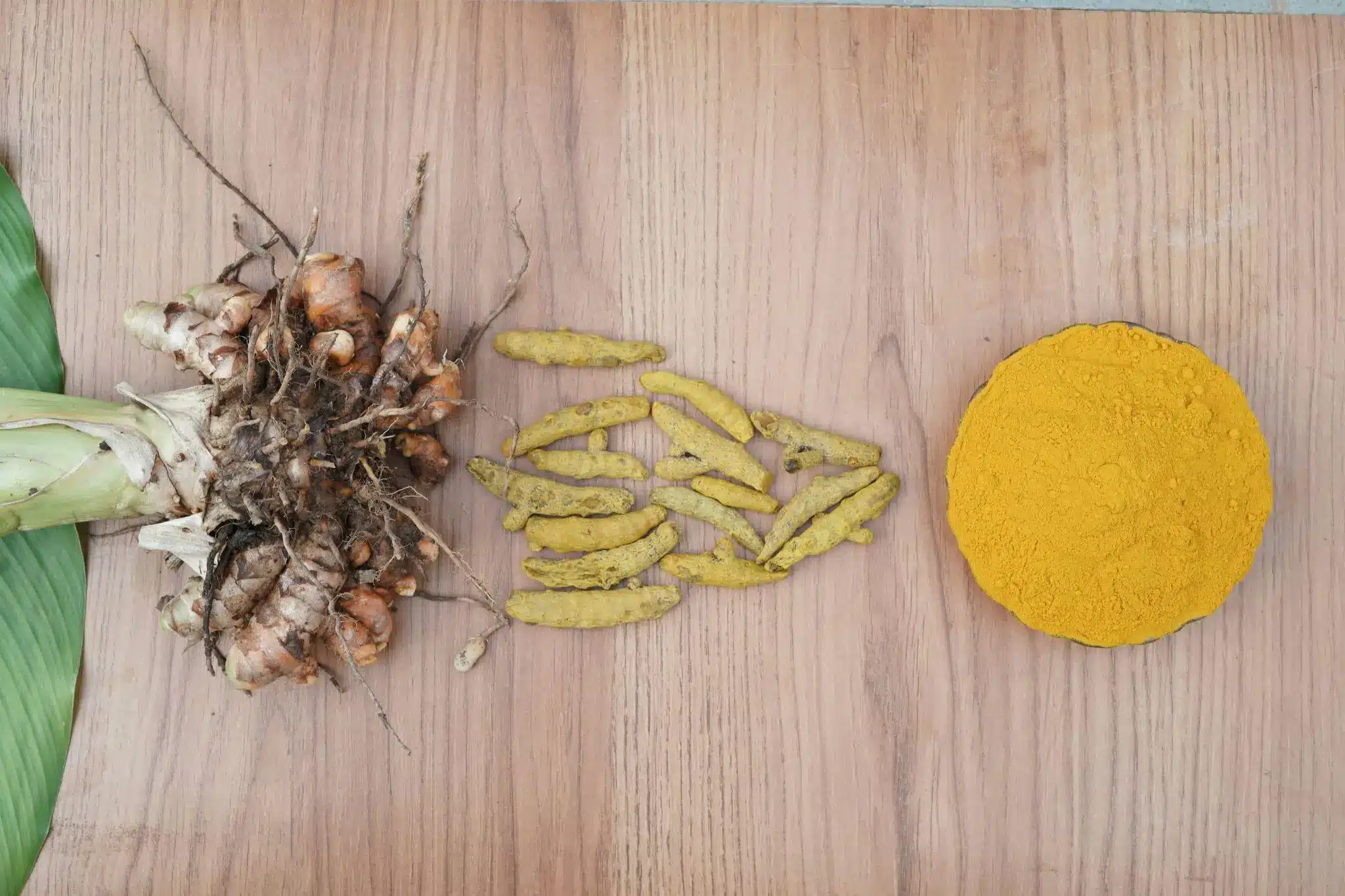
Although the western world has only started to experience and understand the benefits of turmeric in recent years, traditional Ayurvedic practices have used this recognizable bright yellow root for over 4,500 years, infused in milk or added to food for its medical properties.
A study conducted in 2017 that explored the health benefits of curcumin, an important compound found in turmeric, revealed that it can help to mitigate the impacts of inflammatory and oxidative conditions, arthritis, metabolic syndrome, and potentially anxiety. It is also believed to reduce muscle soreness and exercise-induced inflammation while providing immune-boosting properties, antioxidants, and general anti-inflammatory benefits when consumed on a regular basis.
Soothing Seaweed
Seaweed may be somewhat divisive, but its benefits in health and beauty, including anti-microbial and anti-inflammatory properties that help to reduce swelling and prevent the unwanted growth of bacteria, have been utilized as far back as ancient Rome and Greece.
Seaweed also forms part of thalassotherapy, a term used to describe healing and skincare treatments based on the elements of the sea, such as algae, mud, and seawater. Thalassotherapy was practiced by ancient civilisations and is a popular spa treatment today.
Acupuncture
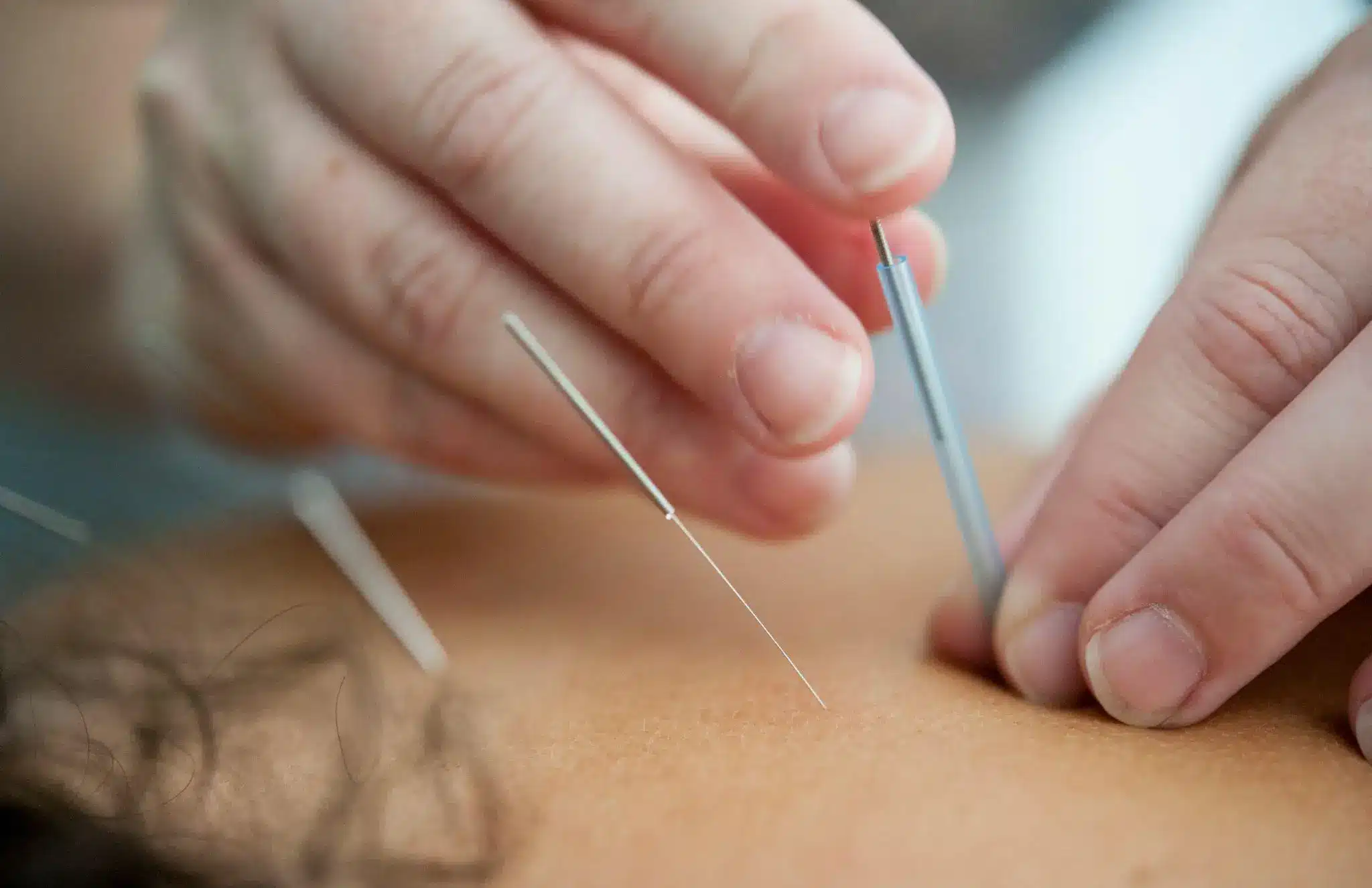
Acupuncture is a 2000-year-old alternative therapy that has scientifically supported efficacy in treating chronic pain, mainly in the knees, shoulders, back, and neck, and helping to reduce the frequency of tension headaches and debilitating migraines. Some health experts also recommend it to boost fertility, ease asthma symptoms, and release painful muscle tension.
Acupuncture uses needles of varying lengths to stimulate the nervous system and immune cells, which impacts our digestive, lymphatic, and circulatory systems, alongside improving cognitive and emotional well-being. Chinese medicine largely focuses on prevention alongside cure. Even once they are cured, many people who believe in the healing powers of acupuncture continue to regularly combine it with mindful living to maintain crucial balance and health.
Heat Treatments
The benefits of spending extended periods of time in rooms heated by coals were first adopted as early as 1112 in Finland, and have since transformed into saunas, infrared rooms, and salt caves that are widely used today.
Heated to 70,80 or 90 degrees Celsius, the dry heat of the sauna is believed to carry multiple benefits for the entire body. In a report published in 2018, studies suggest that regularly partaking in sauna sessions can help to improve heart health, stabilize the nervous system, and reduce oxidative stress, inflammation, and arterial stiffness. An additional study revealed that a short 30-minute sauna experience post-workout can drastically reduce blood pressure.