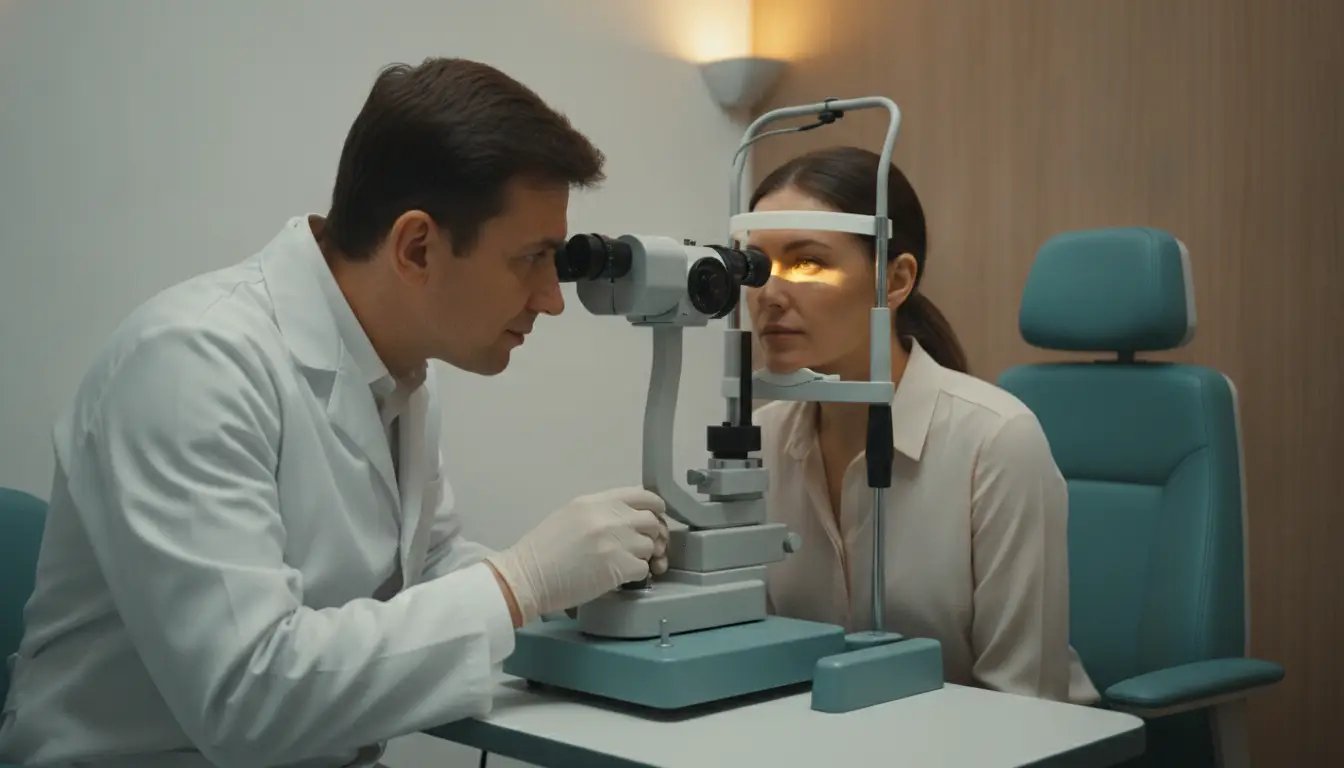
Many eye problems begin with small changes, then progress before a patient recognizes their meaning. Night glare, waviness on a page, aching around the brow, or a sudden burst of floaters can point to very different disorders. Understanding what each symptom could mean starts with a proper evaluation. The right preparation before that visit can make a real difference in how quickly and accurately the issue is addressed.
A thoughtful visit gives the physician better clinical clues from the start. Booking an ophthalmologists appointment with good preparation helps separate surface irritation from lens opacity, retinal disease, pressure elevation, or infection, which leads to safer decisions and clearer follow-up. The steps below cover each part of that process from start to finish.
Start With Symptoms
Before booking, patients should note what changed, the first day it appeared, and whether the problem is steady, worsening, or intermittent. Details such as halos, discharge, light sensitivity, soreness, or a gray area in vision shape triage before an ophthalmologist’s appointment. That short record gives the office a sharper picture of urgency and helps the physician choose the most useful parts of the exam.
Know the Difference in Care
An ophthalmologist is a physician with training in medical eye disease and surgery. That matters for glaucoma, cataracts, retinal tears, diabetic eye damage, corneal ulcers, or sudden visual loss. A patient seeking a routine glasses prescription may need a different type of clinician, depending on the main complaint. Matching the problem to the proper office first can spare repeat visits, scheduling delays, and missed time away from work or family.
Gather Health Details
The eyes often reflect disease elsewhere in the body. Diabetes may injure retinal vessels, elevated blood pressure can alter the optic nerve, and thyroid dysfunction may change lid position or eye movement. Current medicines also affect care, including steroids, acne drugs, blood thinners, and allergy drops. According to the National Eye Institute, a comprehensive dilated exam is the best way to check for eye diseases early, when they are easier to treat. Family history deserves attention, especially with glaucoma, macular degeneration, or retinal detachment. A written list is usually more accurate than memory during a busy visit.
Prepare for Insurance and Costs
Medical eye care and routine vision benefits are often billed under separate parts of an insurance plan. That split may affect copays, referrals, imaging charges, and payment for dilation or follow-up testing. A brief phone call before scheduling can clarify what the insurer covers and what the office bills apart from that. Patients should also ask about charges for retinal photos, contact lens evaluation, or visual field testing before the date is set.
Expect a Basic Exam Flow
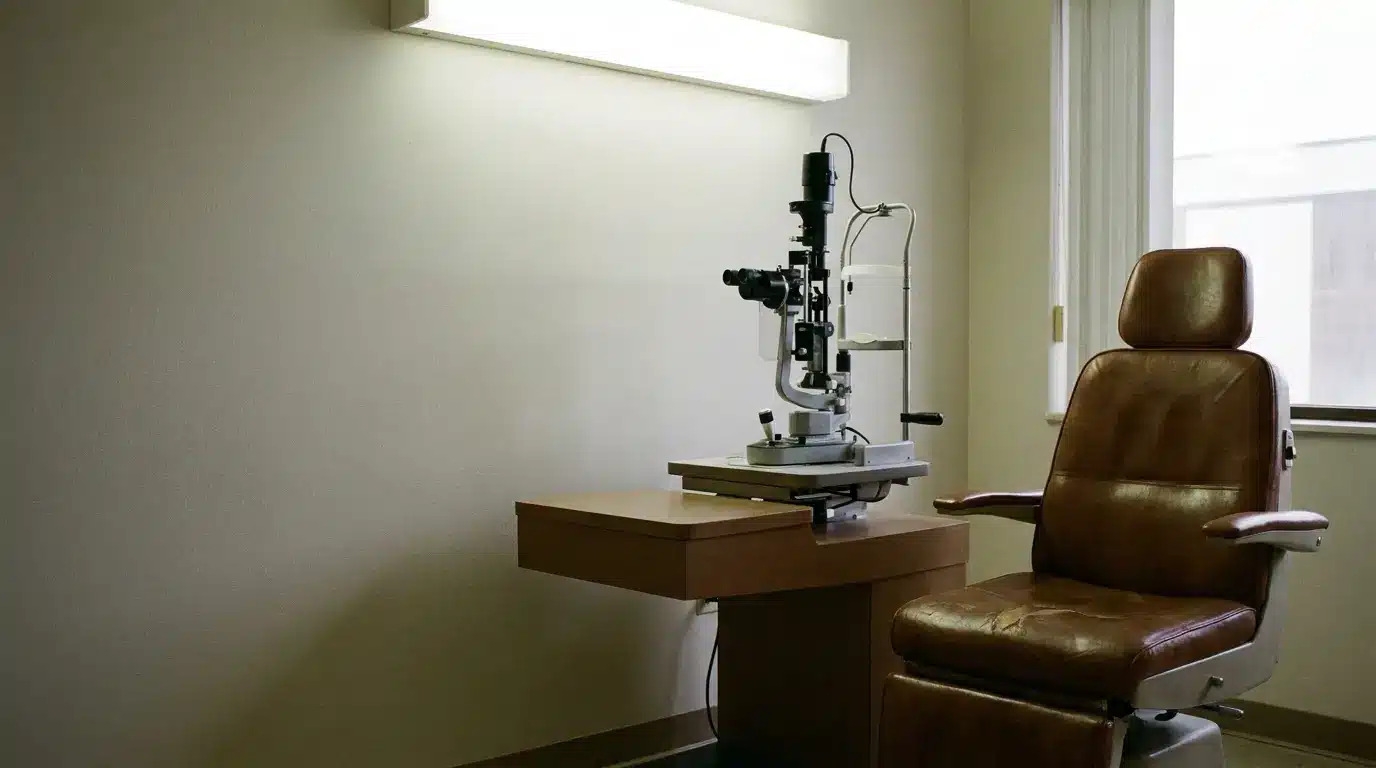
Most visits begin with a symptom review, health history, and questions about glasses or contact lens wear. Staff may check visual acuity, pupil reaction, side vision, pressure, and eye movements before the physician enters. Dilation is common during a full examination, especially if the retina or optic nerve needs close inspection. Those drops can blur near-tasks for several hours, so some patients may want a ride home.
Questions Worth Bringing
A short list of focused questions can turn a brief appointment into a more productive conversation. The key is matching each question to the concern that matters most.
Focus on Impact
Helpful questions connect symptoms to daily function and future risk. Patients can ask what part of the eye seems affected, whether the change suggests inflammation, lens clouding, nerve injury, or retinal disease, and which warning signs require same-day contact. Another useful question covers treatment, including expected benefit, side effects, and timing. If testing is ordered, the patient should know what each study measures and how results may change care.
Timing Matters for Urgent Signs
Some symptoms deserve immediate medical attention rather than routine booking. Sudden vision loss, severe eye pain, trauma, chemical exposure, double vision, or a sudden shower of floaters can signal a time-sensitive condition. A dark curtain crossing sight raises concern for retinal detachment. Office staff can often triage these reports quickly by phone. Clear details about onset, severity, and related symptoms help direct the patient to the safest setting.
Practical Items to Bring
A smoother visit usually starts with a few basic items. Patients should bring identification, insurance cards, current glasses, contact lens prescription details, a medication list, and prior records if they are available. Sunglasses are useful after dilation because daylight may feel harsh on the way home. Written questions also help, since details are easily forgotten once testing begins. Early notice about hearing, language, or mobility needs supports clearer communication.
After the Visit
The examination is only one part of treatment. Before leaving, patients should confirm the working diagnosis, how prescribed drops should be used, when improvement is expected, and what changes require a return call. Technique matters with eye medicine because poor placement or missed doses can reduce effects. Follow-up timing matters as well, especially for pressure disorders, corneal disease, or retinal findings that need repeat evaluation after the first assessment.
Conclusion
Scheduling an eye visit becomes more useful when patients arrive with accurate notes, a clear medication list, and realistic questions. Symptom timing, family history, insurance details, and practical planning all give the physician a stronger clinical starting point. Urgent warning signs also deserve prompt action rather than home observation. With careful preparation, patients improve the chances of a timely diagnosis, proper treatment, and follow-up that protects long-term visual function.